
New Jet Trailers For Sale in Colorado
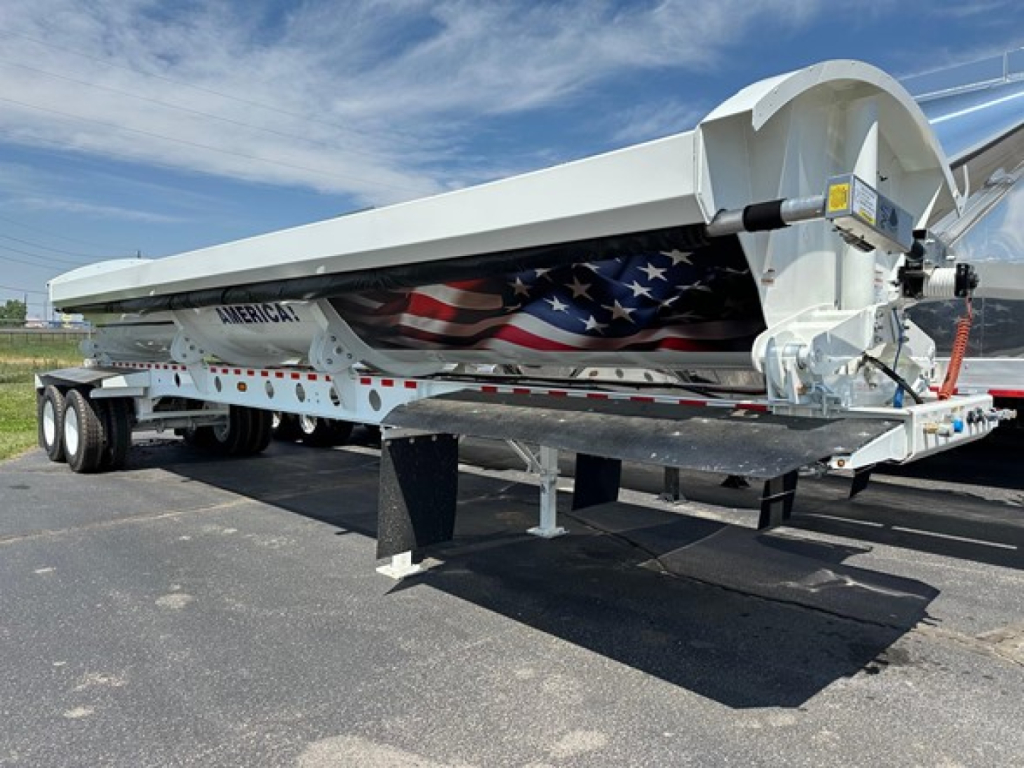
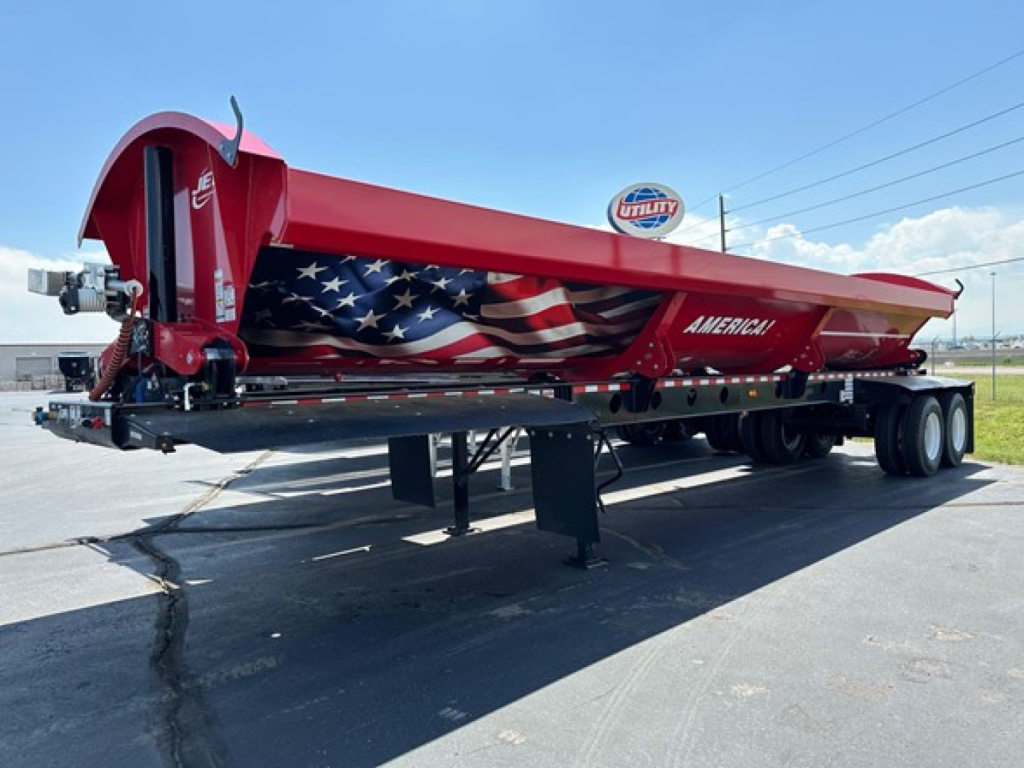
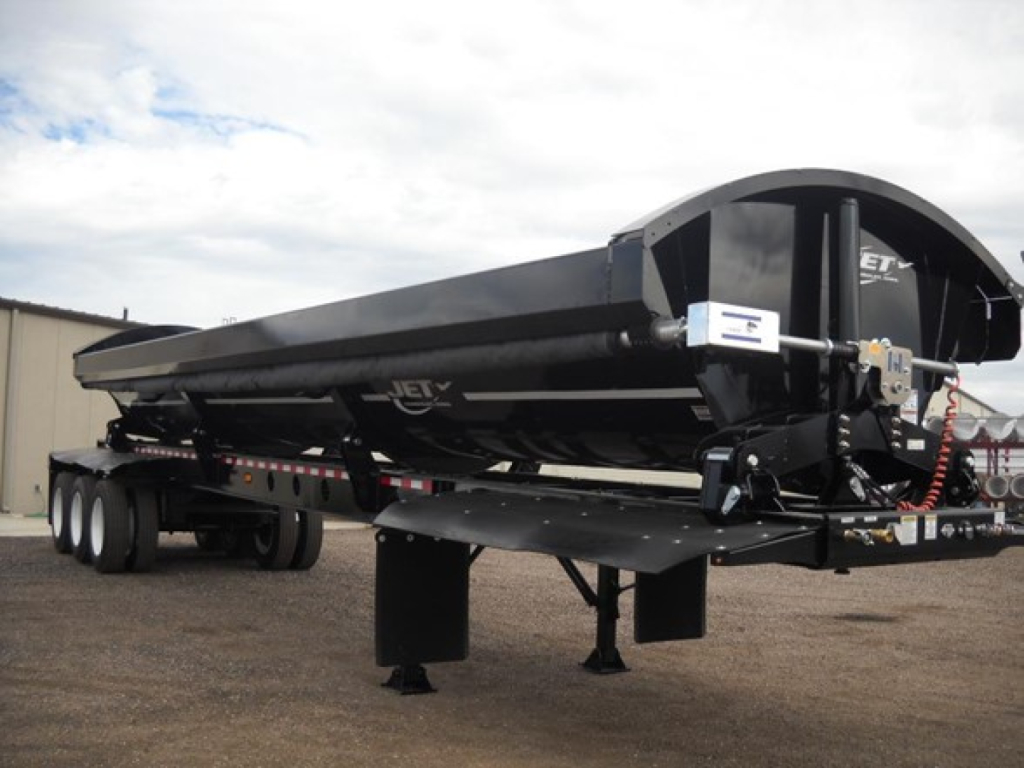
Shop new Jet side dump trailers in Colorado. Compare 40' to tri-axle configurations, AR400 tubs, air ride suspensions, and tarp options.
Learn more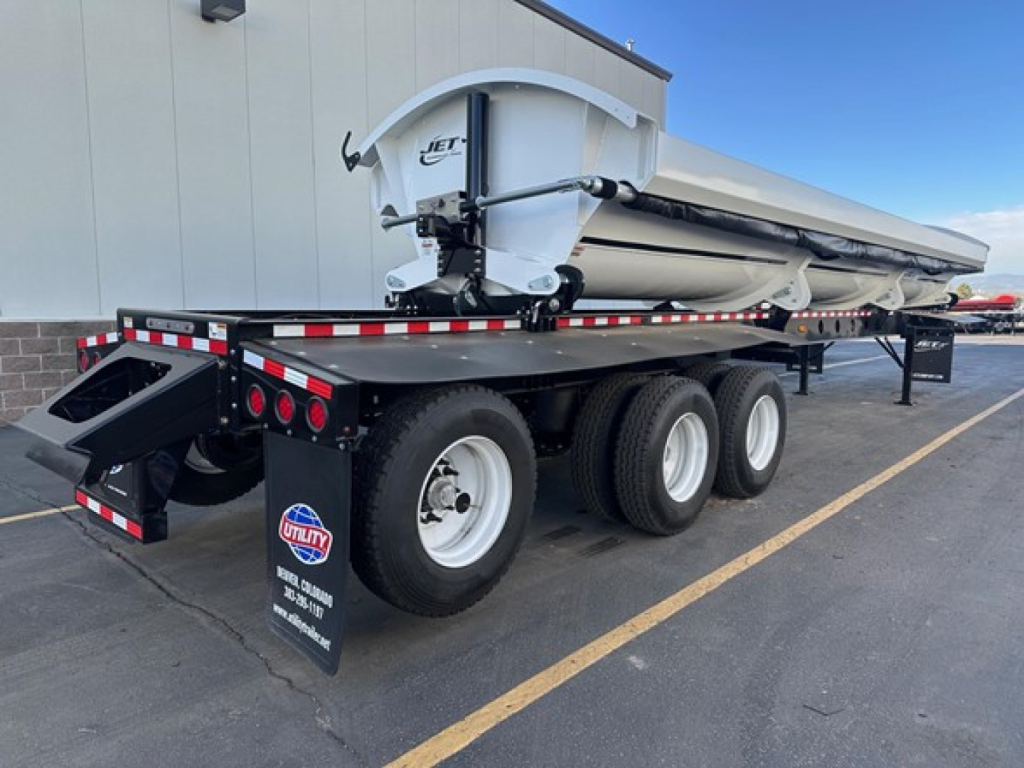
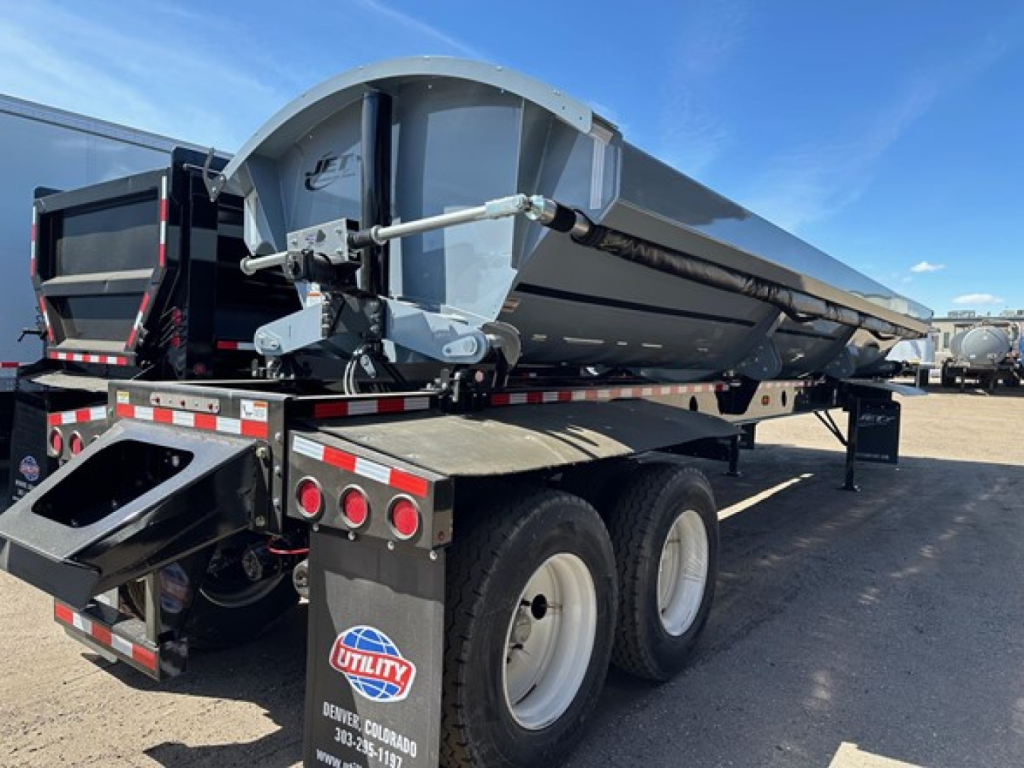
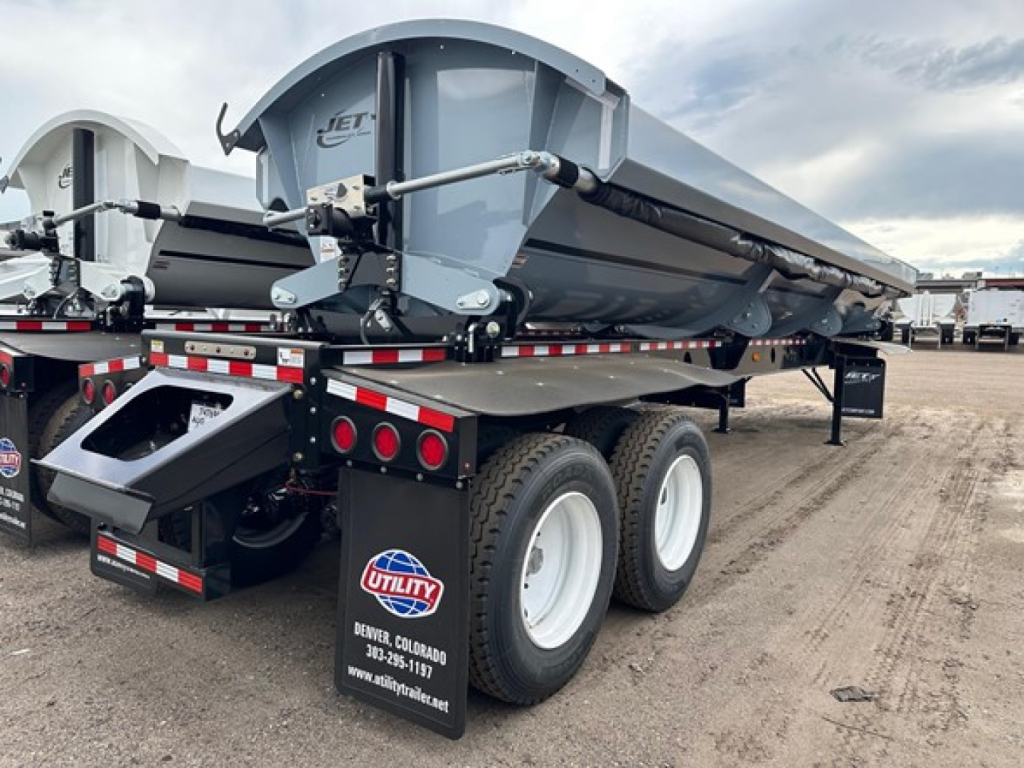
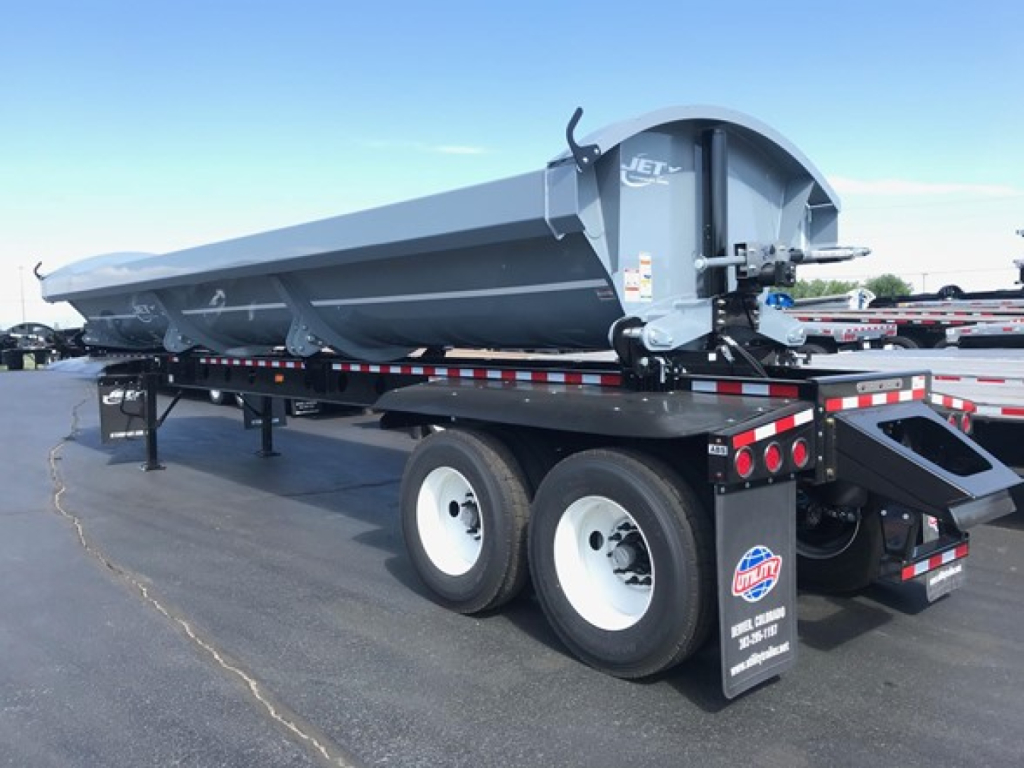
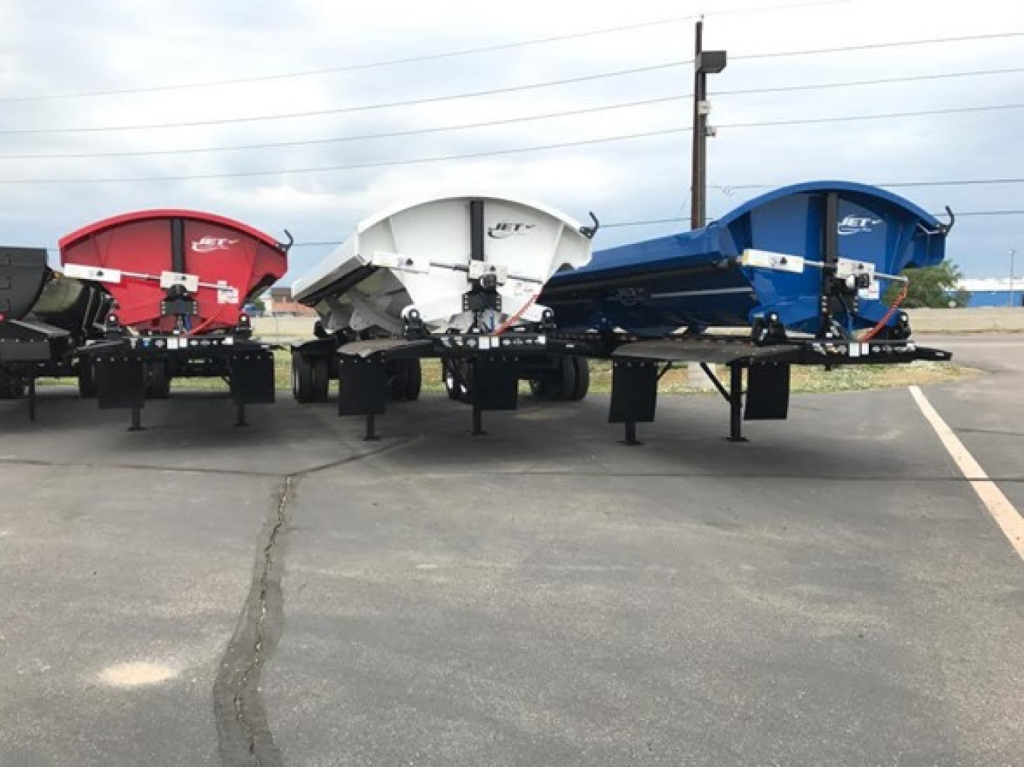
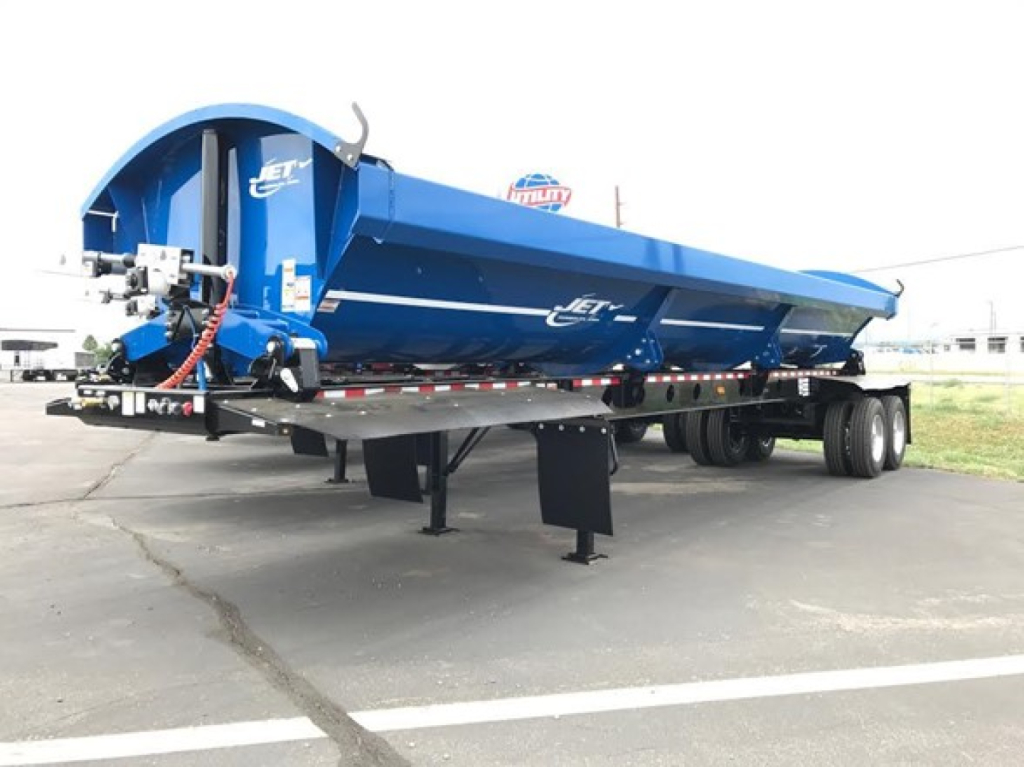
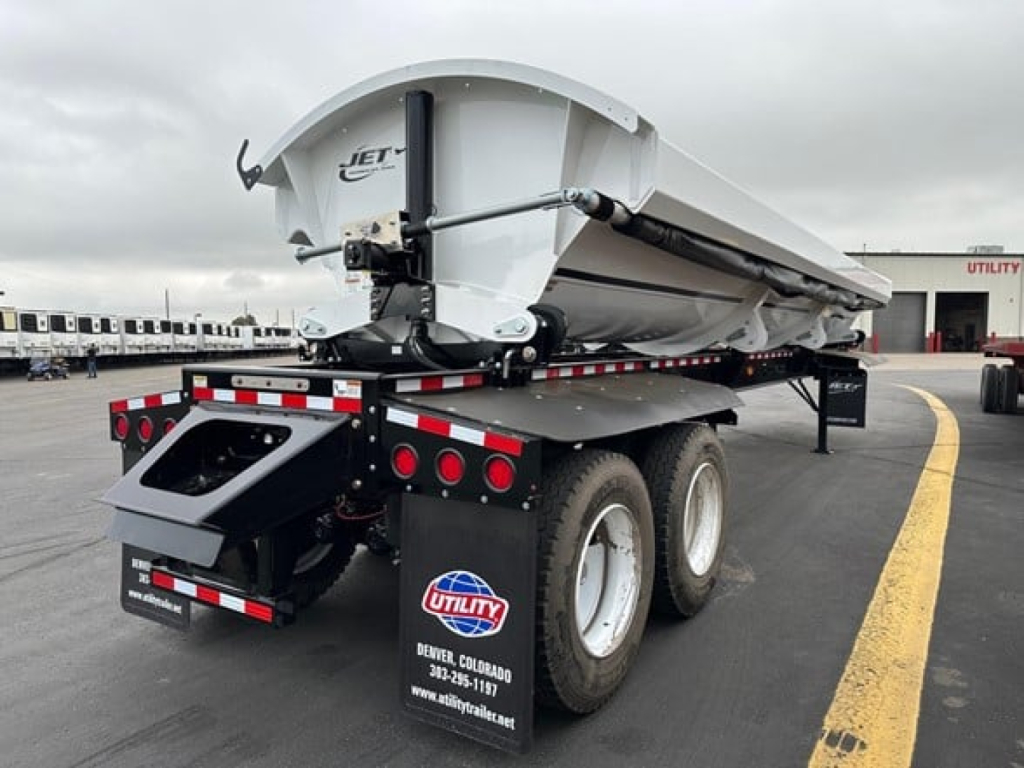
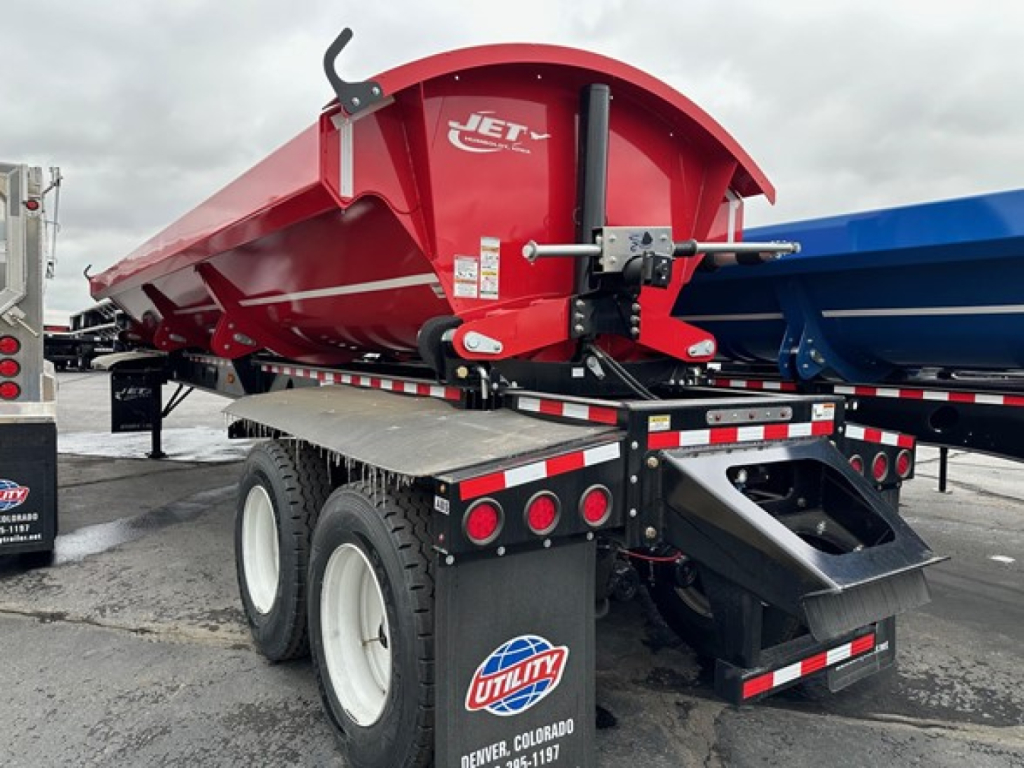
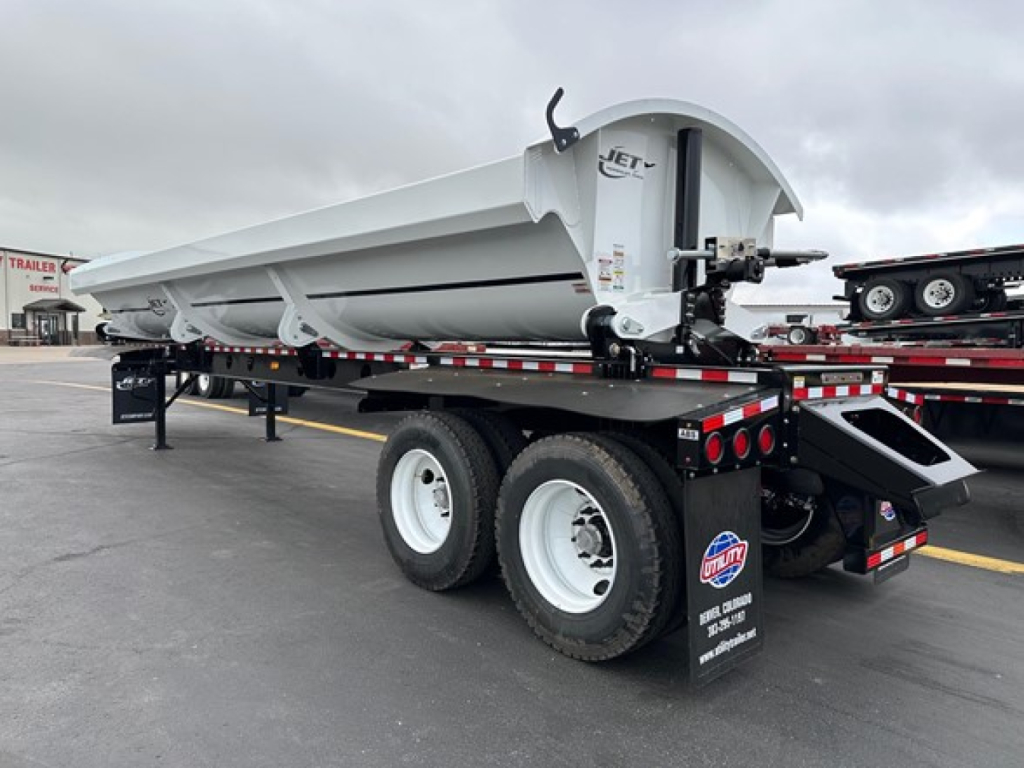
Showing 1 to 12 of 16 results
Have new jet trailer to sell? List it here to reach thousands of buyers.
About New Jet Trailers in Colorado
The core spec decisions usually start with trailer length, axle configuration, tub design, and suspension. Common examples include 40-foot tandem axle trailers and longer tri-axle layouts around 46 feet. Many Jet side dumps use round bottom or rock tub designs with 1/4-inch AR400 steel for abrasion resistance and longer life in gravel, riprap, and demolition applications. Tandem and tri-axle versions paired with air ride suspension help balance payload, ride quality, and site manners. Tire sizes such as 11R22.5 and 11R24.5 are common, and steel wheels remain a typical choice for vocational durability.
A buyer should pay close attention to the dump system details because that is where productivity and longevity show up. Jet side dumps commonly feature inverted trunnion-mounted cylinders, four pivot points per side, and a 2-way directional valve to support smooth, controlled dumping to either side. Engineered tub corners are a notable design point because cracking often starts in high-stress transition areas on hard-used dump trailers. Electric roll over tarps, tarp lockout switches, push blocks, LED lighting, front and rear fenders, and 2-speed landing gear are all common vocational specs that reduce setup time and keep the trailer practical for daily site work.
When comparing new Jet side dump trailers, focus on payload target, legal bridge needs, material type, and the jobsite conditions your drivers deal with most often. A tandem 40-footer can be a strong fit for general construction and tighter access, while a tri-axle may make more sense when bridge law, weight distribution, or volume capacity pushes the decision. Also consider liner and tub wear expectations, hydraulic compatibility with your tractors, kingpin setting, and how often the trailer will dump on crowned, soft, or uneven surfaces. In this class, the best trailer is usually the one that matches the material stream and route profile as closely as it matches the spec sheet.
Frequently Asked Questions
What is the main advantage of a Jet side dump trailer compared with an end dump?
A side dump trailer unloads with a lower center of gravity during the dump cycle, which generally provides better stability than an end dump on uneven or soft ground. That is especially useful on road construction, shoulder work, and jobsites with overhead obstructions where a raised dump body can create clearance or tipping concerns. For many fleets hauling aggregate, dirt, and demolition material, side dumps offer faster cycle times and more flexibility in tight work zones.
What materials are Jet side dump trailers commonly used to haul?
Jet side dump trailers are commonly spec'd for sand, gravel, crushed rock, asphalt millings, dirt, riprap, and construction debris. Tub material and thickness matter here, especially if the trailer will see abrasive or impact-heavy loads. AR400 steel tubs are a common choice because they handle rock and other harsh materials better than lighter-duty body construction.
How do I choose between a tandem axle and tri-axle Jet side dump?
A tandem axle side dump is often the simpler choice for general construction hauling, tighter turning areas, and fleets that do not need the added bridge or weight-distribution benefits of a third axle. A tri-axle configuration can make more sense when legal payload, axle spacing, or route requirements favor spreading the load across more axles. The right choice depends on state weight laws, the tractor setup, typical haul distance, and the density of the material being moved.
Why are features like four pivot points per side and inverted cylinders important on a side dump trailer?
These features directly affect dumping stability, control, and structural life. Four pivot points per side help distribute the forces created during the dump cycle, while inverted trunnion-mounted cylinders are designed to provide a smooth, controlled roll of the tub to either side. On a vocational trailer that may dump multiple times a day on imperfect ground, those details can help reduce shock loading and improve long-term durability.
What should a Colorado buyer pay attention to when shopping for a new side dump trailer?
Colorado buyers should look closely at axle configuration, suspension, tire size, and tub construction because terrain, elevation, and mixed highway-jobsite use can put different demands on a dump trailer than flatter regions. Air ride suspension is popular for ride quality and material control, while durable steel tubs and practical options like electric roll tarps, fenders, and push blocks make sense for year-round construction use. It is also smart to confirm the trailer matches local weight requirements, the tractor's hydraulic system, and the kind of grades and surfaces the trailer will see most often.