
Used Hyundai Trailers For Sale in Texas
Browse used Hyundai trailers for sale in Texas, including reefer and dry van models with common specs, features, and buyer-focused guidance.
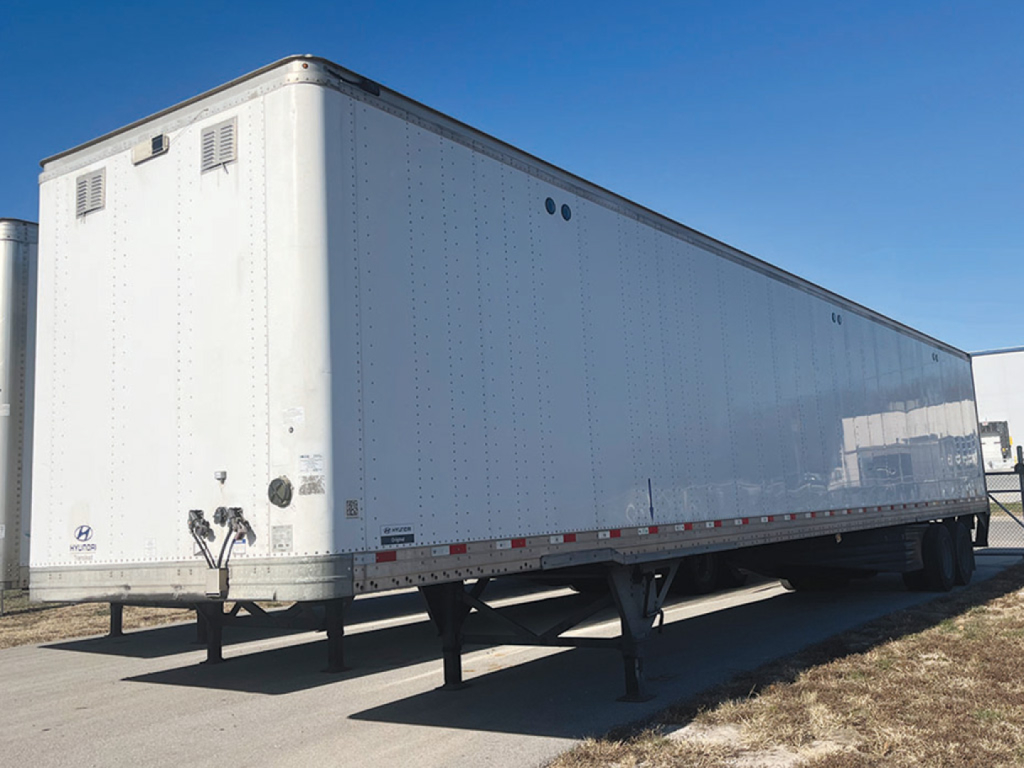
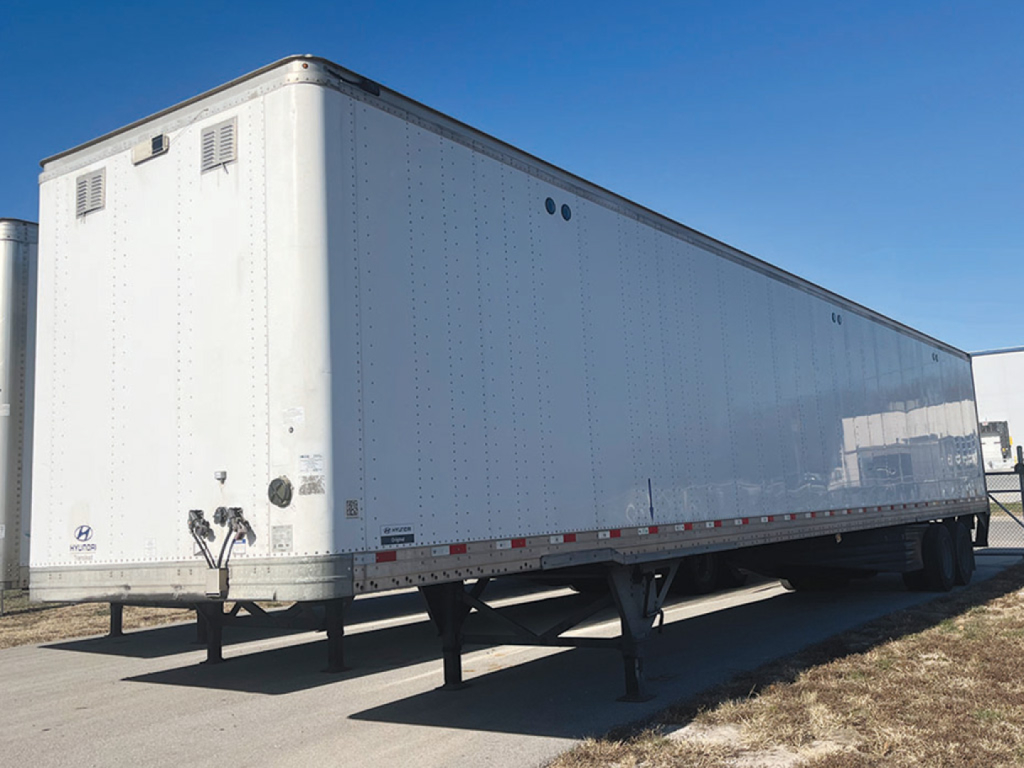
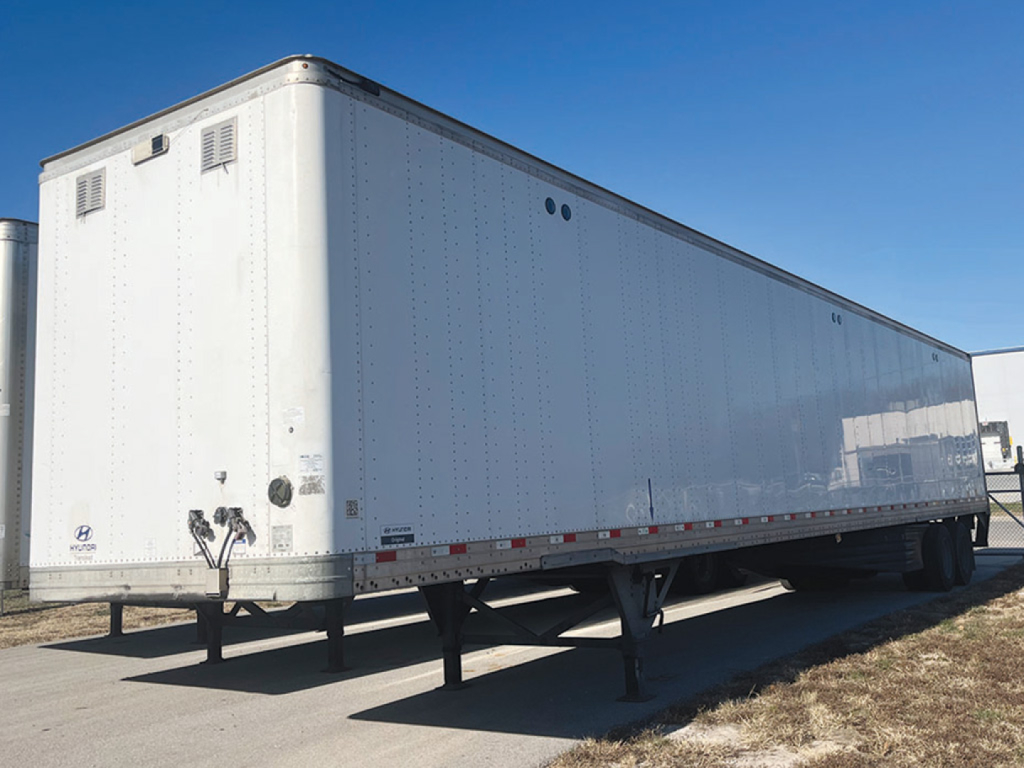
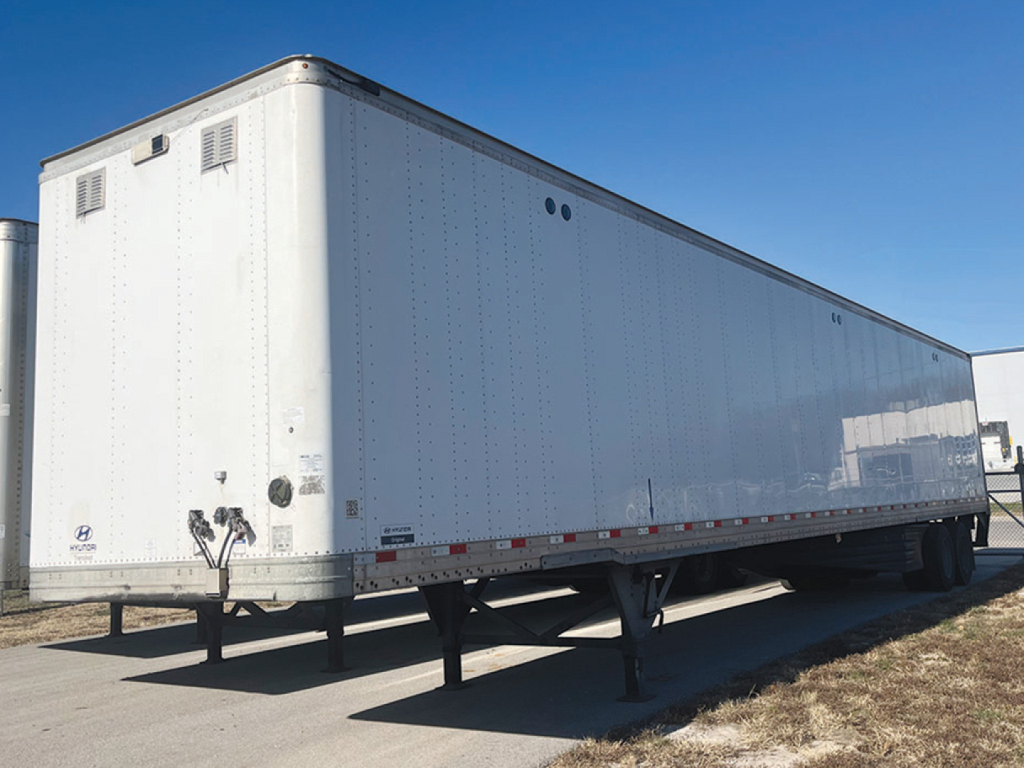
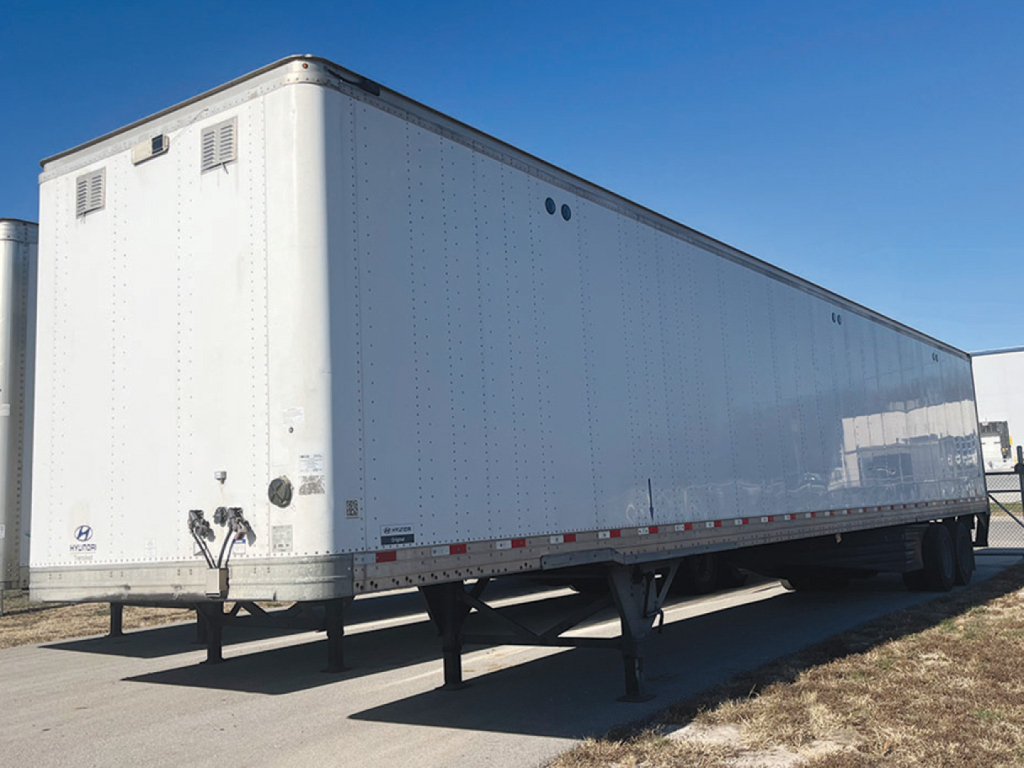
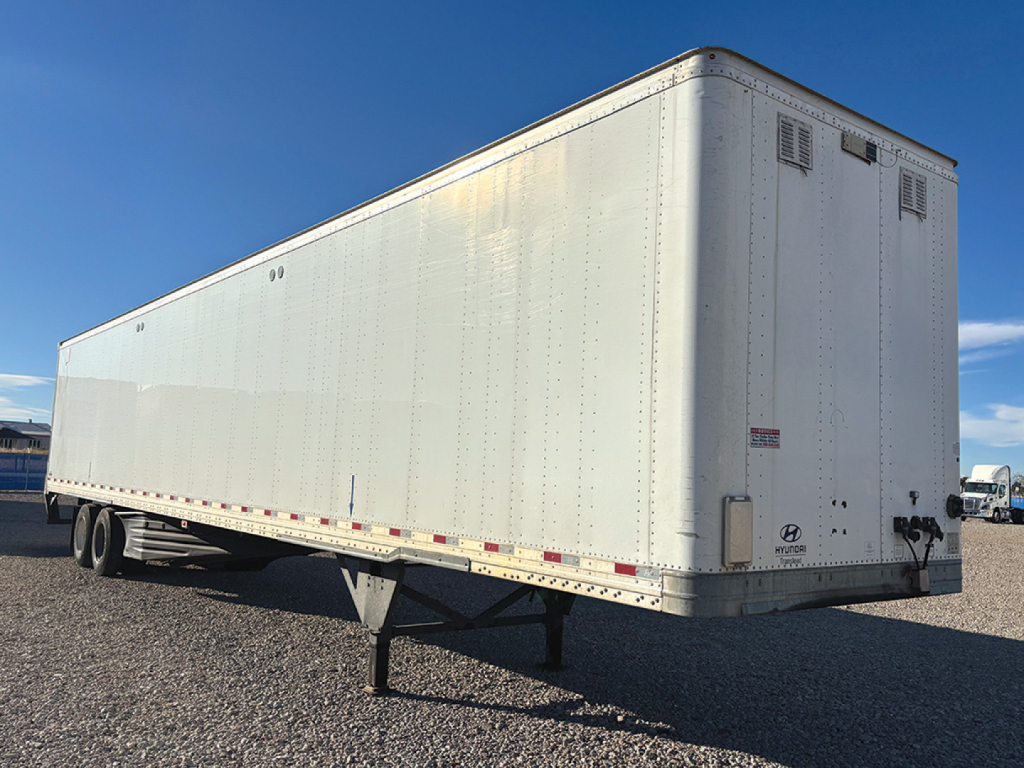
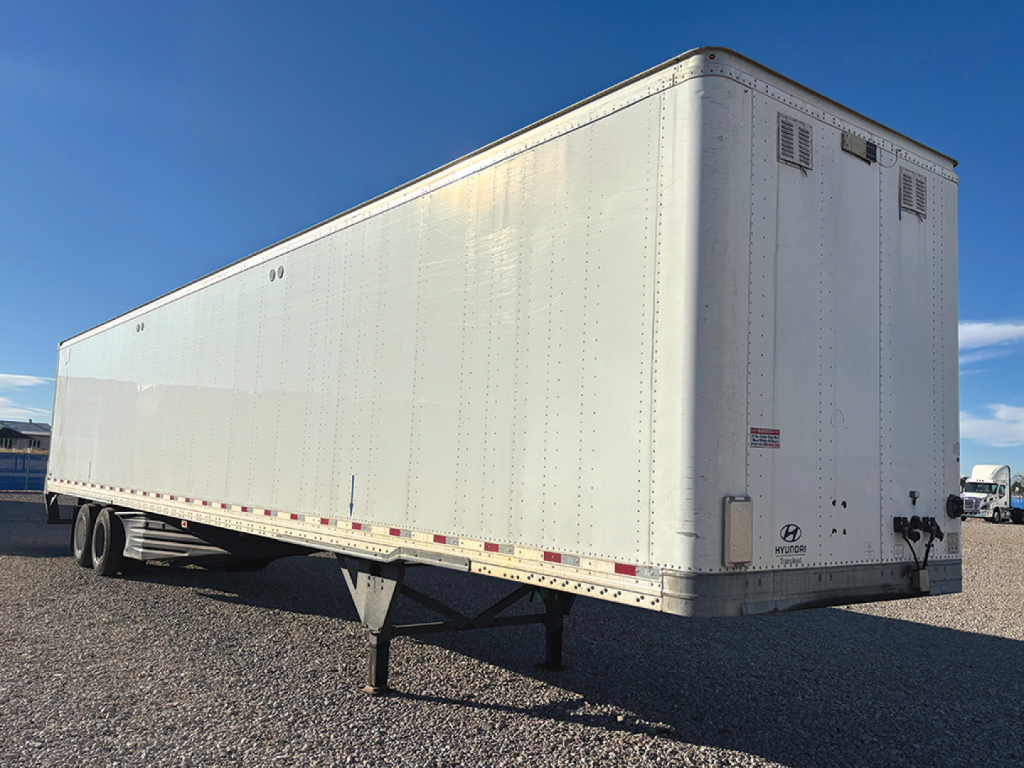
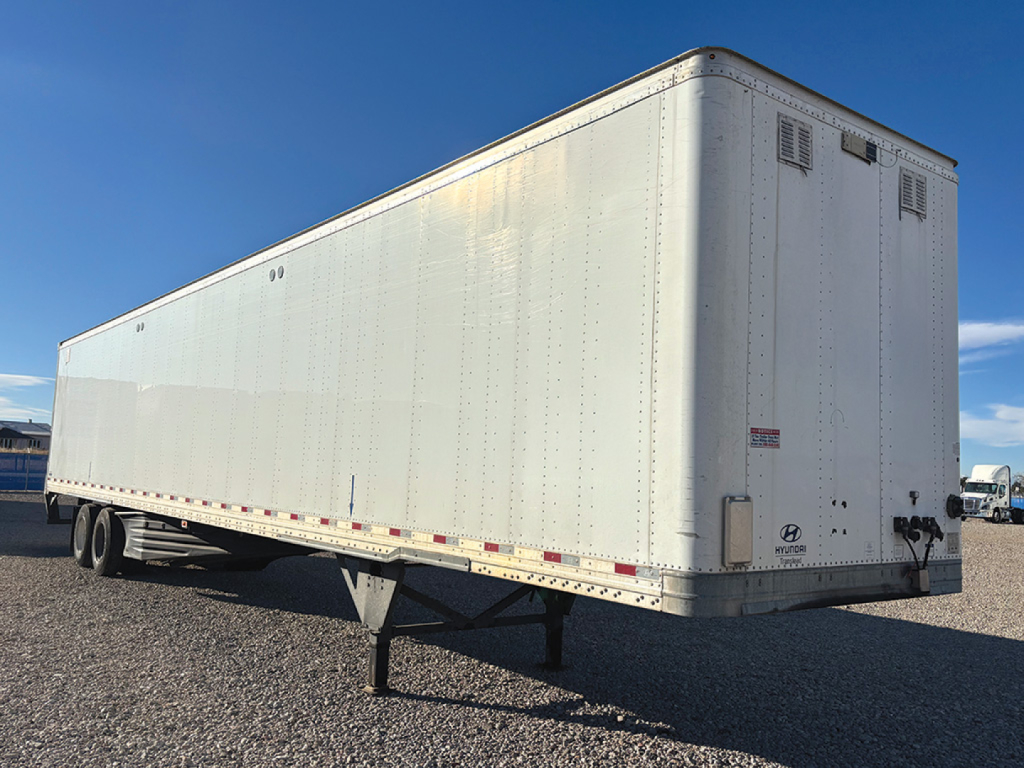
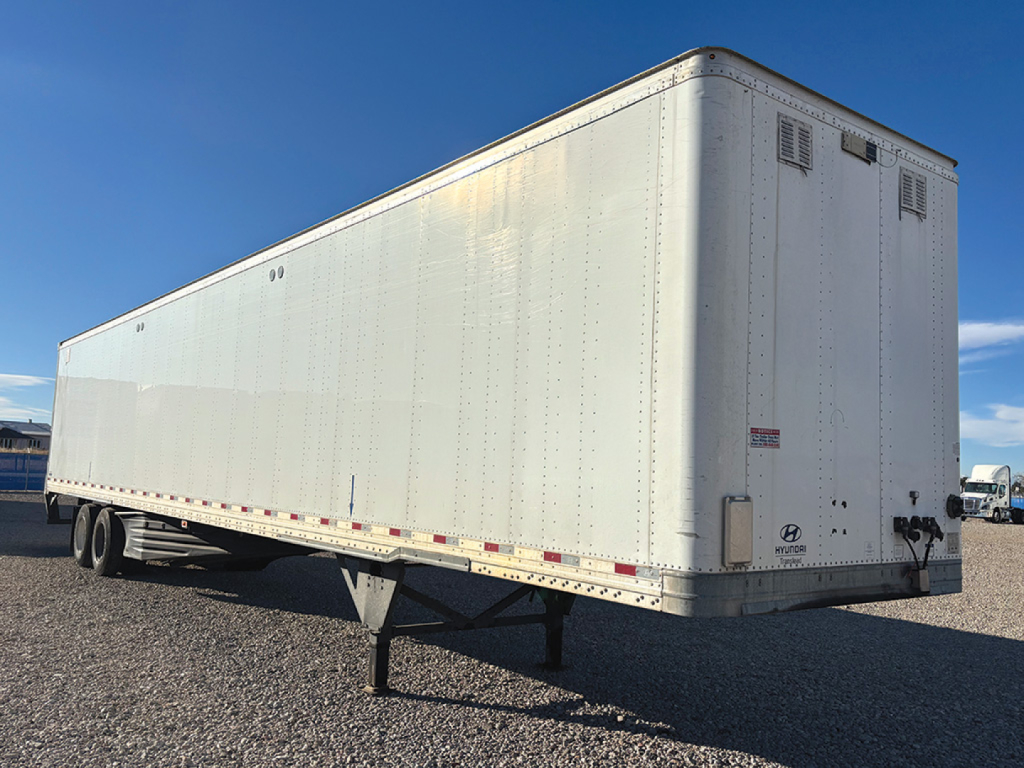
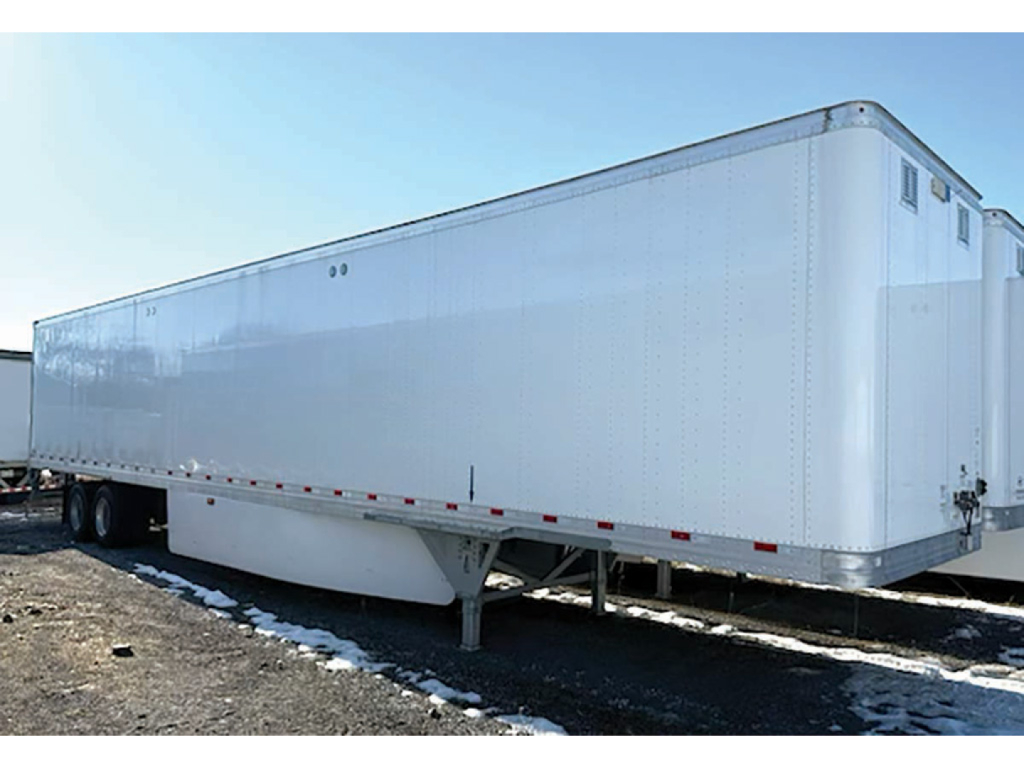

Showing 1 to 24 of 30 results
Have used hyundai trailer to sell? List it here to reach thousands of buyers.
Used Hyundai Trailers in Texas
Frequently Asked Questions about Used Hyundai Trailers in Texas
What should I look at first when buying a used Hyundai trailer?
Start with the trailer type and the structure. On a used Hyundai reefer, inspect the floor condition, sidewall integrity, rear frame, door seals, and the refrigeration unit hours if a unit is still installed. On a dry van, pay close attention to the roof, crossmembers, scuff liners or wall lining, threshold plate, and wood floor wear from forklift traffic. In either case, check suspension type, tandem slide operation, tire condition, wheel-end service history, brake setup, and signs of prior wreck repair. A straight, dry, well-maintained trailer is usually more valuable than one with extra options but poor structural condition.
Are used Hyundai reefer trailers a good fit for Texas operations?
They can be a strong fit for Texas lanes if the box and cooling system match the work. Texas operators often need trailers that hold temperature in high ambient heat and stand up to frequent dock loading. Hyundai reefers are commonly found with aluminum or duct floors, stainless steel rear and door frame components, scuff protection, and E-track for mixed freight securement. The key is confirming insulation condition, air chute or cold chute condition, door seal performance, and reefer unit service records. A reefer with a sound body but no unit may still be useful for storage or as a platform for repower, depending on the budget and application.
How do Hyundai dry vans compare to Hyundai reefer trailers on the used market?
The main difference is operating complexity and maintenance cost. A used Hyundai dry van is generally simpler to own, with fewer major systems beyond the trailer body, suspension, brakes, and doors. A used Hyundai reefer adds the refrigeration unit, insulated body, duct or flat floor configuration, and tighter sealing requirements. Dry vans are often preferred for general freight, retail, and dedicated dock work, while reefers are built for temperature-sensitive cargo and can also serve some dry applications if the trailer is still structurally sound. Buyers should compare not just purchase price, but also repair exposure, fuel use for the reefer unit, and expected resale demand.
What trailer specs are most common on used Hyundai trailers?
Common used Hyundai trailer specs include 53-foot overall length, 102-inch width, 13-foot 6-inch height, sliding tandem axles, and either spring ride or air ride suspension. Reefer models often include aluminum floors, stainless steel front radius panels, stainless rear framing, roll-up doors, and cargo control such as E-track. Dry vans may have wood floors, metal lining, scuff plates, threshold plates, and occasional liftgate specs for route delivery. Tire inflation systems, low-profile 22.5 tires, and standard disc wheels also appear regularly. Exact spec matters because dock compatibility, freight type, and legal bridge settings all depend on how the trailer was originally ordered.
Is suspension type important on a used Hyundai trailer?
Yes. Suspension affects ride quality, cargo protection, maintenance cost, and resale. Air ride is generally preferred for sensitive freight and better ride control, especially on reefer work or higher-value dry freight. Spring suspension is simpler and may cost less up front, but it can be rougher on cargo and may not fit every shipper requirement. On a used trailer, condition matters as much as design. Check for worn bushings, damaged hangers, uneven tire wear, and proper tandem alignment. A trailer with a healthy suspension and straight axle tracking will usually be easier to keep productive than one with a more desirable spec but deferred maintenance.