
Used Hyundai Trailers For Sale in Nevada
Browse used Hyundai trailers for sale in Nevada, including dry van specs, common features, suspension options, and buyer tips.
Have used hyundai trailer to sell? List it here to reach thousands of buyers.
Used Hyundai Trailers in Nevada
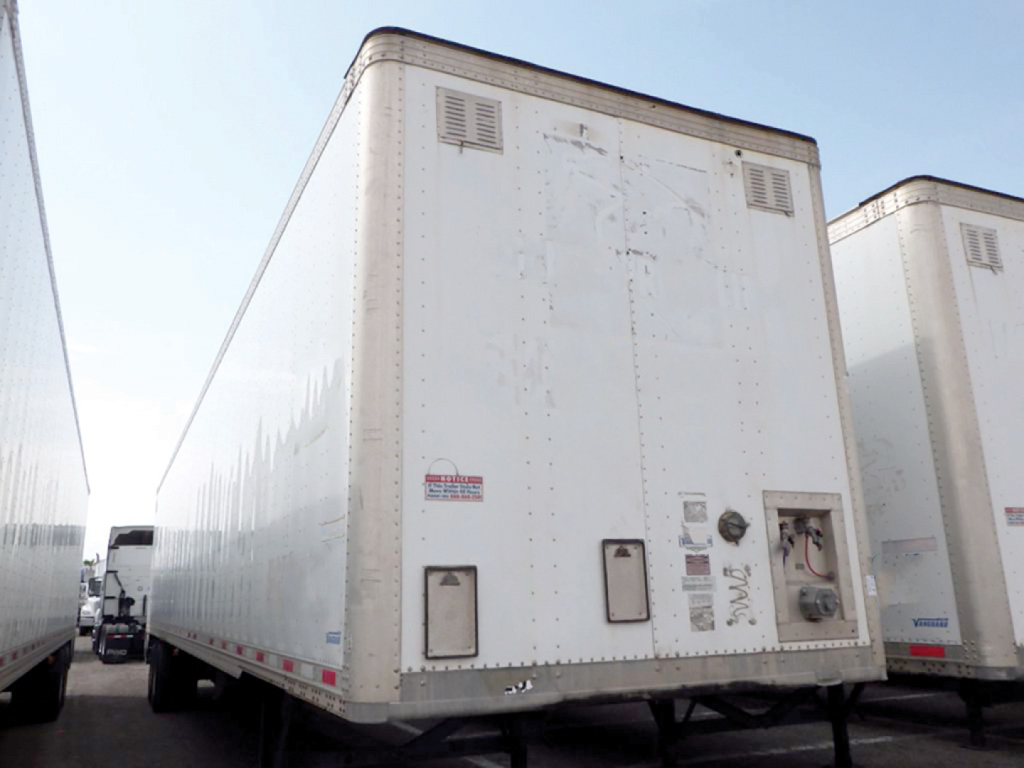
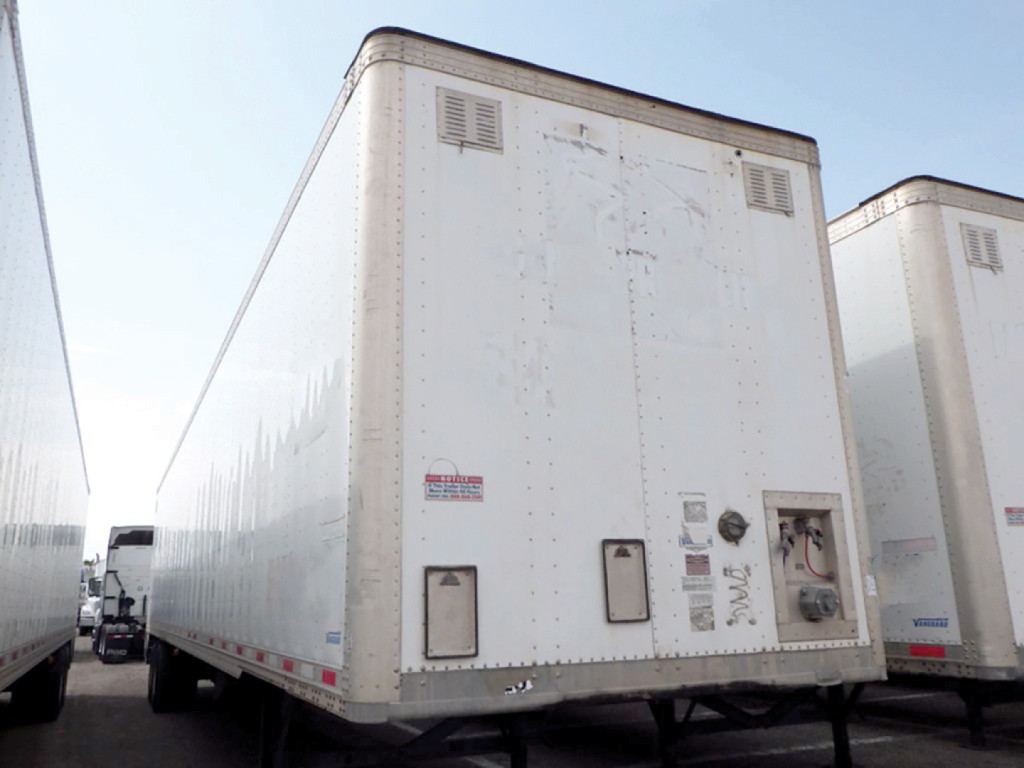
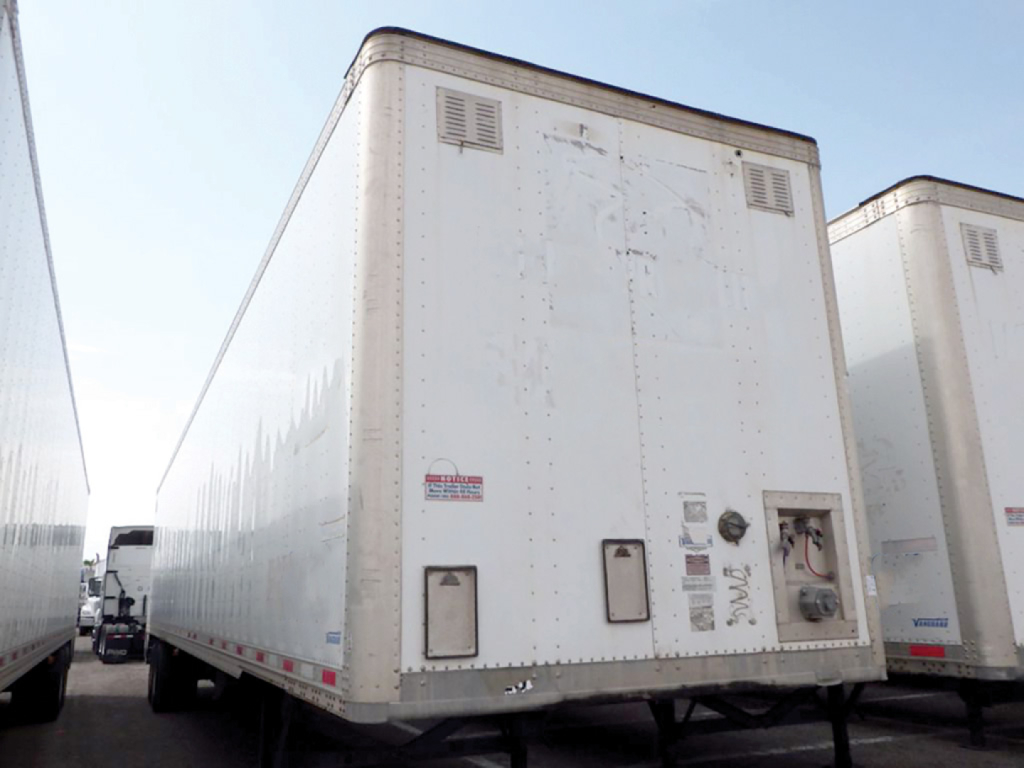
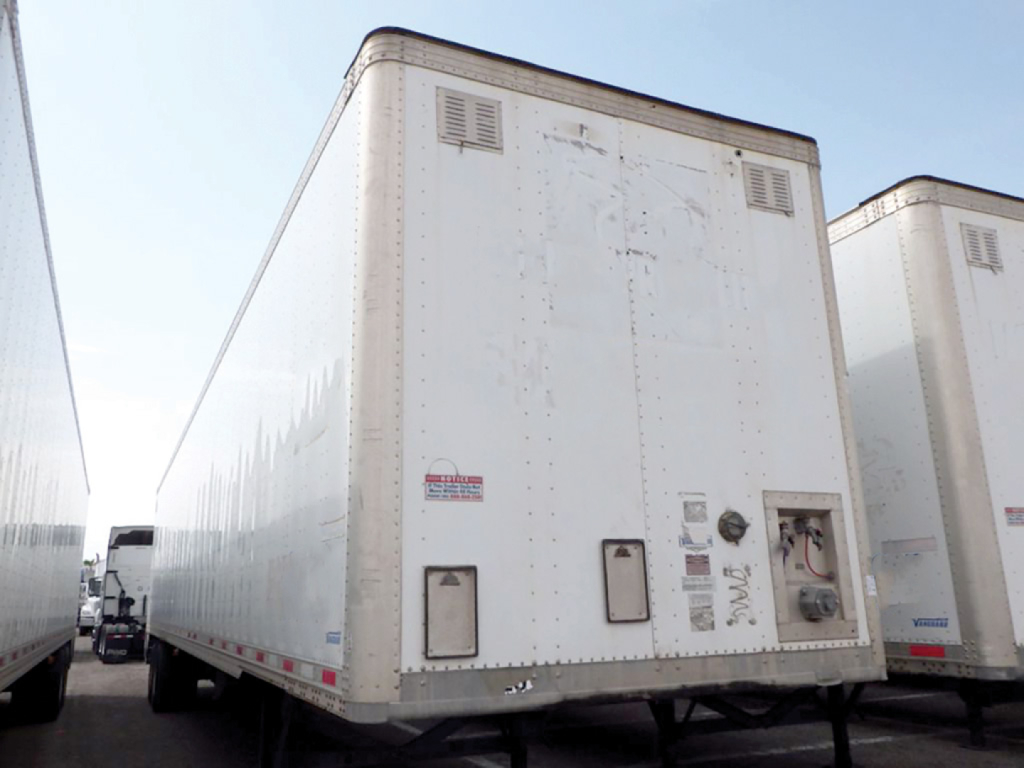
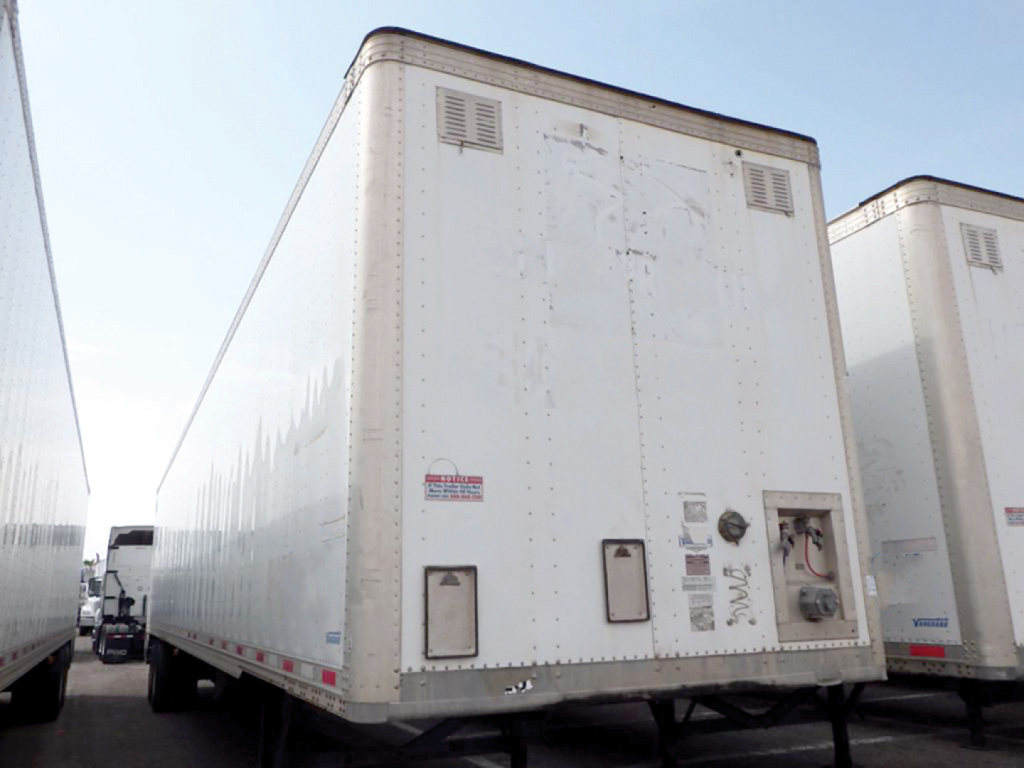
A buyer should look closely at body construction and interior setup first. Hyundai vans can show up with aluminum or plate construction, composite or plywood lining, E-track or full logistics post layouts, and either swing or roll-up rear doors. Those details matter because they directly affect tare weight, repair cost, cargo securement flexibility, and dock use. Roll-up doors are useful for frequent stop delivery, while swing doors are still preferred by many fleets for full rear opening and simpler long-term maintenance. Inside height is another key checkpoint. A 100-inch interior can be a better fit for some freight profiles than a lower cube trailer, and interior liner condition will tell you a lot about how hard the trailer has worked.
Running gear and aerodynamic spec are equally important on a used Hyundai trailer. Many late-model units are equipped with air ride, low-profile 22.5 tires, disc wheels, tire inflation systems, and side skirts. Sliding tandems remain the standard for bridge law compliance and dock positioning, and some vans are equipped with an air-lift front axle to help manage tire wear and empty trailer maneuverability. In Nevada and throughout the Southwest, tire condition, suspension wear, brake type, and evidence of heat-related seal or bushing deterioration deserve extra attention. A clean undercarriage, straight rails, and even tire wear usually tell a better story than cosmetic exterior appearance alone.
For buyers comparing used Hyundai trailers against other mainstream dry van brands, the value is usually found in parts familiarity, broad fleet acceptance, and straightforward resale. Hyundai trailers are well known in large fleet rotation, so many used examples have standardized specifications that simplify maintenance and trailer assignment. The best unit for your operation depends less on badge alone and more on the exact build: door style, lining, floor life, tandem configuration, aero package, and cargo control system. If the trailer will stay in regional freight, focus on door cycles, floor condition, and dock damage. If it will run long-haul, pay closer attention to aerodynamic equipment, tire system function, suspension condition, and overall weight efficiency.
Frequently Asked Questions about Used Hyundai Trailers in Nevada
What are the most common used Hyundai trailer configurations?
The most common used Hyundai trailers on the market are 53-foot dry vans, often referred to as van trailers or box trailers. Many are spec'd at 102 inches wide with 13 feet 6 inches overall height and are built for general freight service. Common features include wood floors, logistics posts or E-track, scuff liners, sliding tandems, air ride suspension, and either swing or roll-up rear doors.
Are Hyundai aluminum vans better than plate vans?
Neither is automatically better. Aluminum vans can offer lower tare weight, which helps payload and fuel efficiency, while plate vans are often selected for durability and fleet standardization. The right choice depends on your freight, repair environment, and weight sensitivity. On a used trailer, actual condition matters more than material alone, especially floor life, sidewall integrity, roof condition, and previous damage repairs.
What should I inspect first on a used Hyundai dry van trailer?
Start with the floor, roof, rear frame, and suspension. Floor wear around the nose, threshold, and forklift traffic lanes can be expensive to correct. Check the roof bows and roof skin for leaks or prior patches, inspect the rear frame and door hardware for dock impact, and look under the trailer for axle alignment issues, air ride wear, brake condition, and uneven tire wear. Interior lining damage can also reveal hard use from shifting freight or repeated forklift contact.
Do used Hyundai trailers usually come with fleet-spec features?
Yes. Many used Hyundai trailers were originally purchased by large fleets, so they often carry practical fleet specs instead of one-off custom builds. Buyers frequently find tire inflation systems, side skirts, front and rear vents, logistics tracks, composite or plywood liners, and standardized wheel and tire packages. That can make replacement parts, maintenance planning, and trailer interchange easier for carriers and owner-operators.
Is a used Hyundai trailer a good fit for Nevada freight operations?
A used Hyundai trailer can be a strong fit for Nevada operations because dry vans are versatile across retail, warehouse, LTL support, and long-haul lanes moving through Las Vegas, Reno, and major Southwest corridors. Buyers in dry climates should still inspect seals, tires, bushings, and brake components closely, because heat and long highway miles can age running gear even when the trailer body looks clean. For regional desert service, ventilation, tire system condition, and suspension health are especially important.