
2007 Hyundai Trailers For Sale in Texas
Shop 2007 Hyundai trailers for sale in Texas, including reefer and dry van configurations with common specs, suspension options, and fleet-use features.
Learn more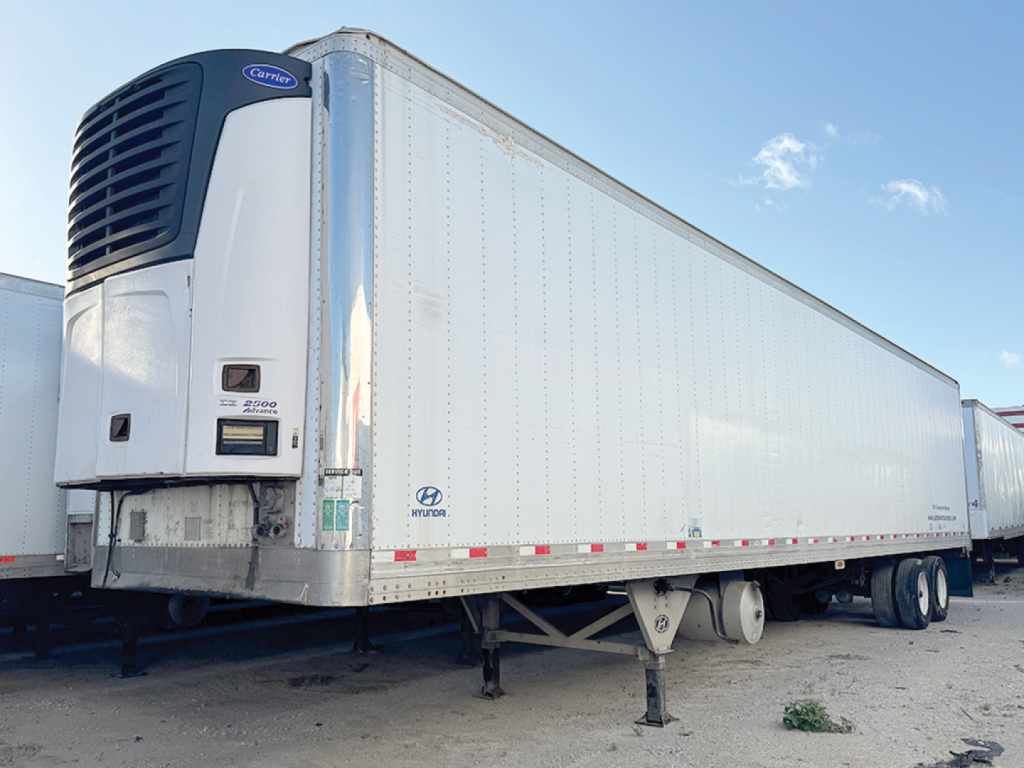
Have 2007 hyundai trailer to sell? List it here to reach thousands of buyers.
About 2007 Hyundai Trailers in Texas
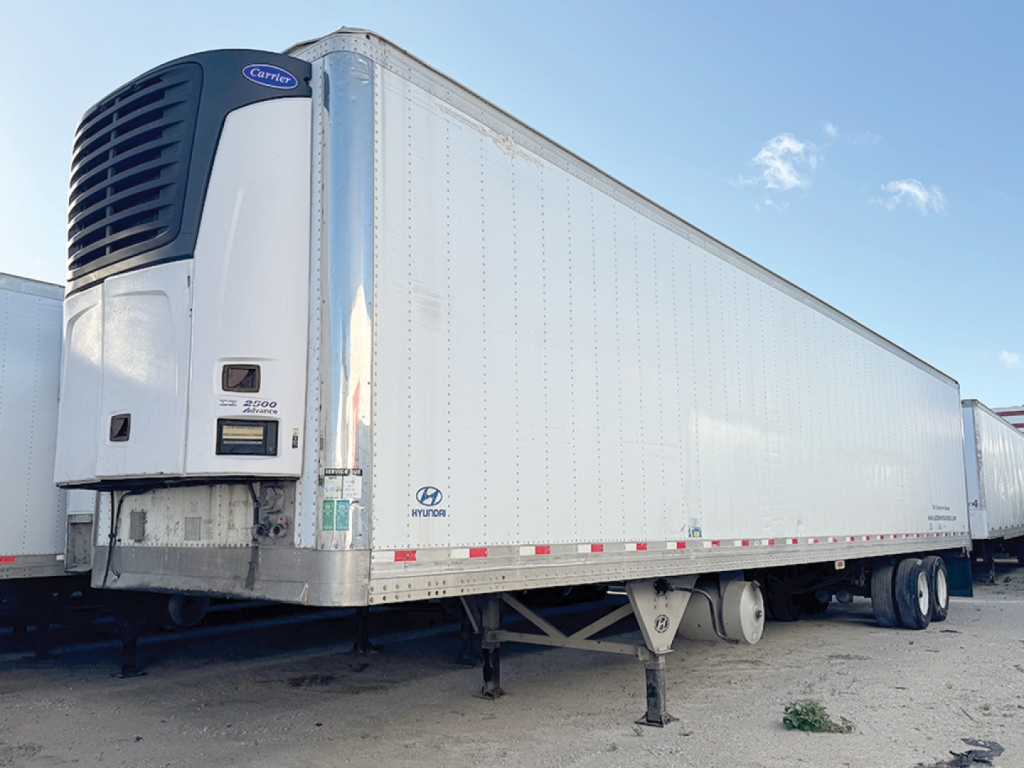
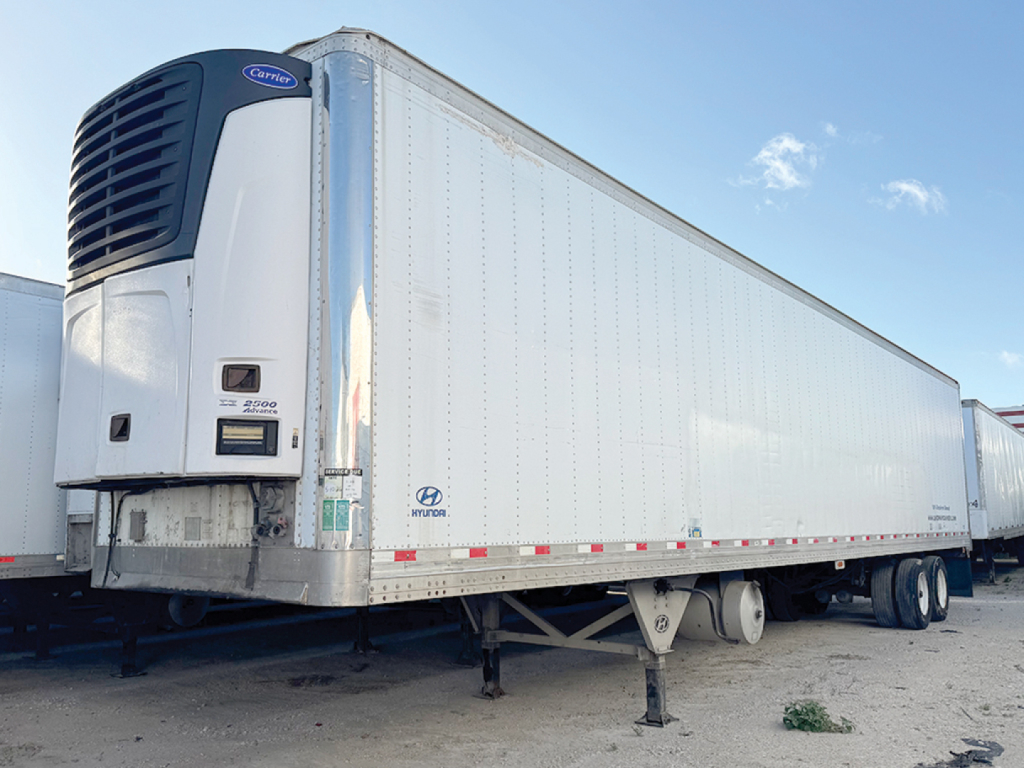
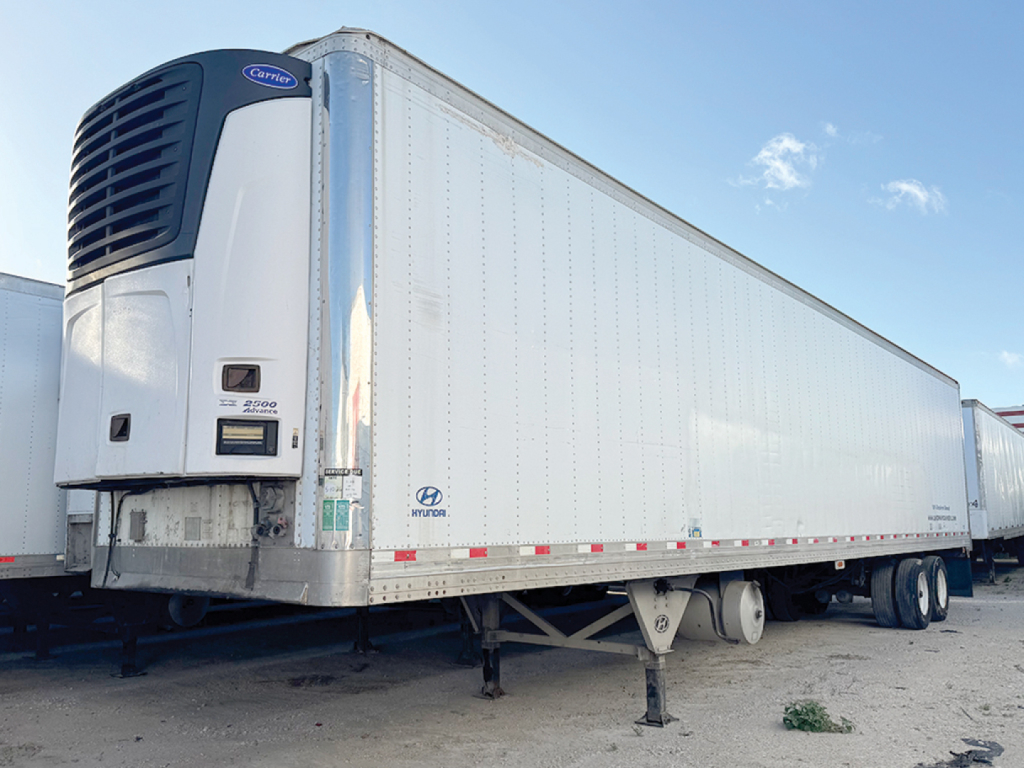
For reefer applications, a 2007 Hyundai reefer trailer is often found with aluminum flat or duct floors, stainless steel front radius panels, stainless rear components, scuff liners or scuff plate, and roll-up rear doors. Many units from this era were built with sliding tandem suspensions and 22.5 low-profile tires on disc wheels. The refrigeration unit itself can vary widely by age, brand, hours, and service history, so buyers should separate trailer condition from reefer unit condition during evaluation. If the trailer is being repurposed for storage, local distribution, or converted service, a less-unit reefer body may still have strong value because insulated walls and a durable trailer shell can be useful even without active refrigeration.
For van service, Hyundai aluminum van trailers from this general era are known for straightforward fleet specs such as plywood lining, wood floors, threshold plates, logistics posts or E-track, undertray systems, and either spring ride or air ride suspensions depending on the original order. In Texas, suspension spec can be an important operating decision because long highway miles, warehouse approaches, and freight sensitivity all affect ride preference. Sliding tandems remain important for bridge law compliance and dock flexibility, and buyers should confirm tandem slide operation, locking pin function, and rail wear. Tire inflation systems, venting, and interior lining can also affect maintenance cost and cargo suitability.
The best 2007 Hyundai trailers are the ones with a clean maintenance history and a spec that matches the freight. A reefer buyer should inspect unit hours, evaporator condition, floor repairs, door seals, and evidence of moisture intrusion. A dry van buyer should pay close attention to floor patching, sidewall impact damage, roof leaks, and rear frame cracking near the door header and sill. Across both categories, check VIN tags, kingpin wear, landing gear operation, brake condition, ABS function, and signs of corrosion around crossmembers and slider assemblies. Hyundai trailers have long been used in high-mileage fleet service, so a well-maintained 2007 model can still be a productive trailer when the structure is sound and the specification fits the route.
Frequently Asked Questions
What should I inspect first on a 2007 Hyundai trailer?
Start with the structural items because they are the most expensive to correct. Inspect the floor, crossmembers, sidewalls, roof, rear frame, kingpin area, landing gear, tandem slide rails, brakes, and tire condition. On reefer trailers, also inspect insulation integrity, door seals, floor condition around the evaporator area, and the refrigeration unit's hours and service records. Cosmetic wear is common on a 2007 trailer, but structural fatigue and neglected running gear are what change the economics of the purchase.
Are 2007 Hyundai trailers commonly available as reefers or dry vans?
Yes. Hyundai trailers from this model year are commonly seen in both reefer and dry van configurations. Reefer units often have aluminum floors, stainless rear components, scuff protection, and roll-up doors, while vans may have wood floors, plywood lining, E-track or logistics options, and either spring ride or air ride. The exact original specification depends on the fleet or shipper that ordered the trailer, so two trailers of the same year can be very different in cargo setup and maintenance history.
Is a 48-foot or 53-foot Hyundai trailer better for Texas operations?
That depends on the freight lane, customer requirements, and legal or yard constraints. A 53-foot trailer is the standard choice for most over-the-road van and reefer freight because it maximizes cubic capacity and is widely accepted in distribution networks. A 48-foot trailer can still be useful for regional work, tighter yards, or specific contracts where shorter length is preferred. In Texas, where many operations involve long interstate miles, the 53-foot configuration is typically the more versatile option.
What suspension and tandem specs matter on a used Hyundai trailer?
Buyers should confirm whether the trailer has spring suspension or air ride and then inspect the condition of that system closely. Spring ride is simple and durable, while air ride is often preferred for more sensitive freight and smoother handling. Sliding tandems are a major feature on used fleet trailers because they affect weight distribution, bridge compliance, and dock positioning. Check for bent rails, frozen pins, worn bushings, damaged hangers, and uneven tire wear that may point to alignment or suspension problems.
Can an older Hyundai reefer trailer still be useful if the refrigeration unit is missing or outdated?
Yes, in some applications. A less-unit reefer trailer can still serve as insulated storage, local warehouse overflow, or a platform for repowering if the trailer body remains sound. Buyers should compare the cost of installing or rebuilding a reefer unit against the value of the trailer shell, floor, doors, and structural condition. If the body is solid and the insulation is intact, a less-unit reefer may still make sense for the right operation.