
2007 Hyundai Trailers For Sale
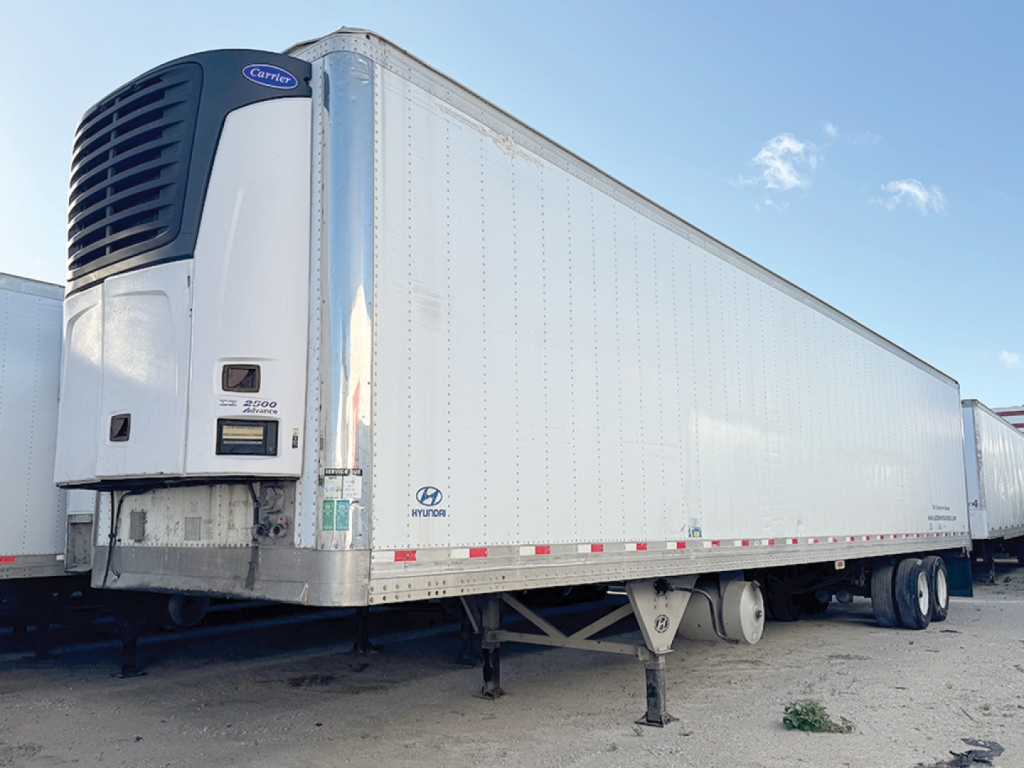
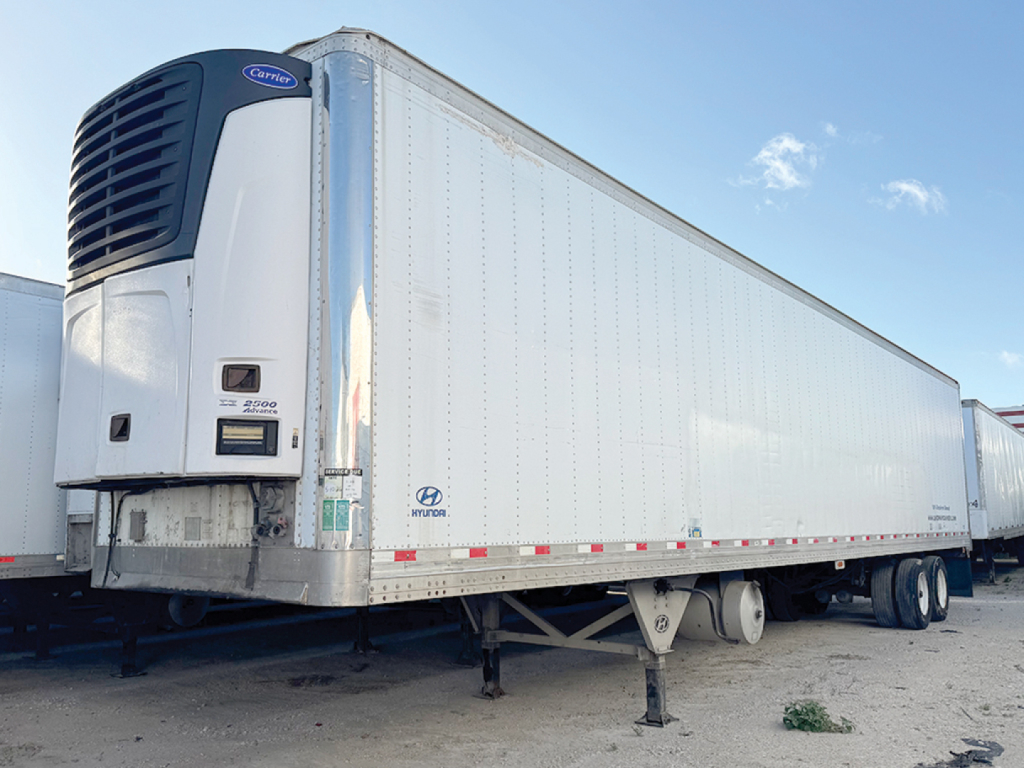
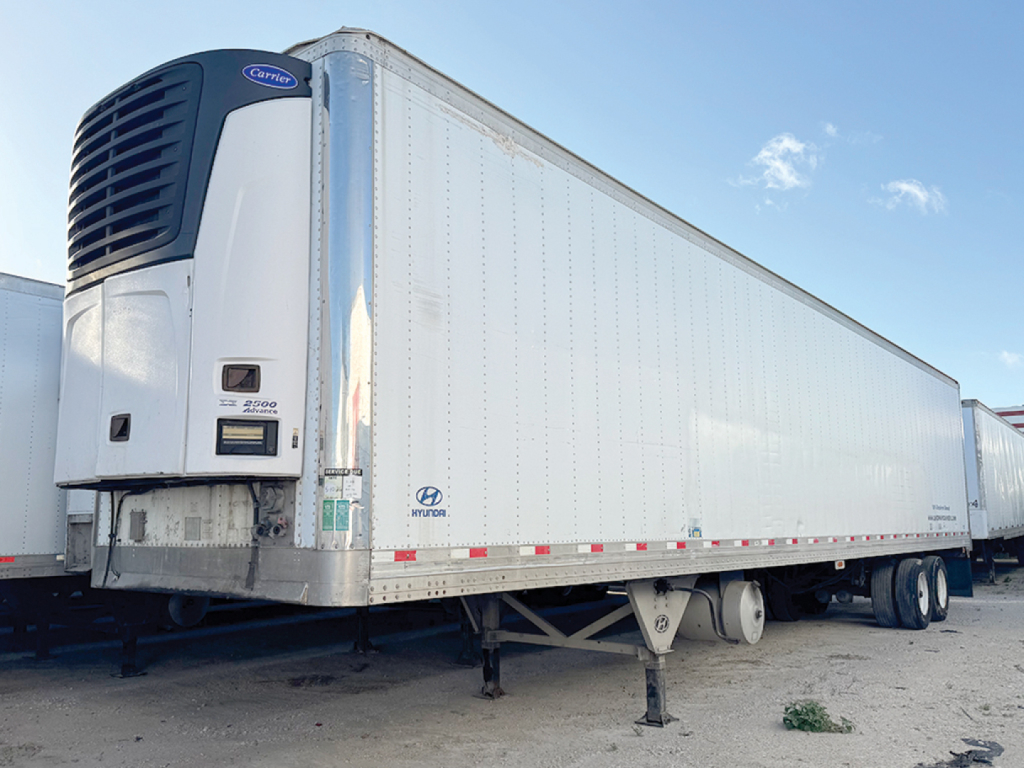
Shop 2007 Hyundai trailers including dry van and reefer configurations. Compare specs, suspension, tandem setup, floors, doors, and trailer condition.
Learn more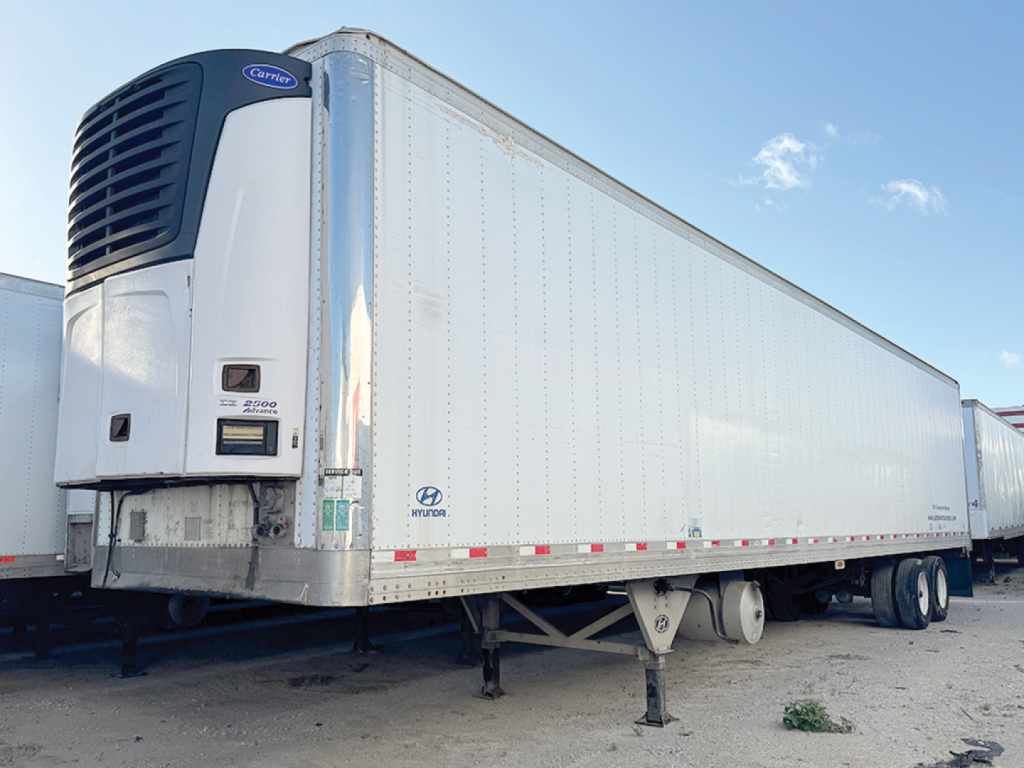

Have 2007 hyundai trailer to sell? List it here to reach thousands of buyers.
About 2007 Hyundai Trailers
For dry van applications, common decision points include aluminum versus composite exterior panels, wood floor remaining thickness, logistics post or E-track layout, roll-up versus swing doors, and spring ride versus air ride suspension. A 2007 Hyundai van trailer can still be a solid fit for general freight, regional warehouse moves, mail, package operations, or dedicated lanes where cubic capacity matters more than appearance. Sliding tandems are standard on many 53-foot vans and remain important for bridge law compliance, dock positioning, and load balance. Buyers should also confirm inside height, roof bow condition, front wall repairs, and kingpin plate wear, especially on trailers that have seen repeated drop-and-hook use.
On reefer versions, the trailer body matters just as much as the refrigeration unit. Older Hyundai reefer trailers are commonly found with aluminum floors, insulated walls, and popular unit brands such as Carrier or Thermo King, but unit hours, maintenance records, and bulkhead condition should drive the buying decision. Check for floor channel damage, door seal condition, evaporator area repairs, and signs of water intrusion around the front cap or ceiling joints. Multi-temp setups add versatility for mixed loads, but they also add complexity in controls, partitions, and maintenance history. If the trailer will be used for produce, frozen freight, or foodservice distribution, insulation performance and air chute condition are just as important as the reefer engine itself.
Because a 2007 model is now an older trailer class, value comes from how well it has been maintained rather than from base spec alone. Tire inflation systems, disc wheels, undertray storage, side skirts, and air-ride sliders may appear on some fleet-maintained units, but the core inspection should stay focused on frame straightness, landing gear function, brake condition, tire age, hub and seal history, and any signs of corrosion around the nose, rear sill, and suspension mounts. Hyundai trailers remain common enough that service shops generally know the platform well, which helps with ongoing repairs and parts sourcing. For buyers comparing used trailers by price, the best purchase is usually the one with the cleanest structural history, strongest floor and rear frame, and the fewest deferred maintenance items.
Frequently Asked Questions
What should I look at first on a 2007 Hyundai trailer?
Start with the structure. Check the frame rails, crossmembers, kingpin area, rear sill, roof, front wall, and tandem slider for damage or poor-quality repairs. After that, inspect the floor condition, door frame alignment, suspension components, brakes, tires, and landing gear. On an older trailer, structural integrity and maintenance history usually matter more than cosmetic appearance.
Are 2007 Hyundai trailers typically dry vans or reefers?
They can be either, but most buyers will encounter Hyundai dry van trailers and refrigerated trailers in the secondary market. Dry vans are common in general freight service and usually feature 53-foot by 102-inch dimensions, wood floors, scuff liners, and sliding tandems. Reefer versions add insulated trailer bodies and refrigeration units, so buyers need to evaluate both the trailer chassis and the cooling system.
Is a 2007 Hyundai trailer still a good fleet or owner-operator purchase?
It can be, if the trailer has been maintained and inspected carefully. Many older Hyundai trailers remain useful for regional freight, warehouse shuttles, storage applications, and lower-mileage dedicated work. The key is matching the trailer's remaining life to the job. A well-kept 2007 unit may still offer good value, while a neglected one can quickly become expensive through floor repairs, tandem work, brake system issues, or body damage.
What suspension and tandem setups are common on Hyundai trailers from this era?
Spring ride and air ride suspensions are both seen, depending on the original fleet specification and intended service. Most 53-foot highway trailers from this period use sliding tandem assemblies to help with axle weight distribution, bridge compliance, and loading flexibility. Buyers should make sure the slider pins engage properly, the rails are not excessively worn, and the suspension hangers and axle alignment are in good condition.
How important is floor condition on a used 2007 Hyundai trailer?
Floor condition is one of the most important value indicators. On dry vans, worn or soft wood floors can limit forklift use and lead to immediate repair costs. On reefer trailers, damaged aluminum floors can affect airflow and cargo handling. A trailer with a sound floor, solid crossmember support, and minimal patchwork will usually be more dependable and less expensive to put to work than a cheaper unit with major floor issues.