
Aldura Hopper Trailers For Sale
Have aldura hopper trailer to sell? List it here to reach thousands of buyers.
Aldura Hopper Trailers
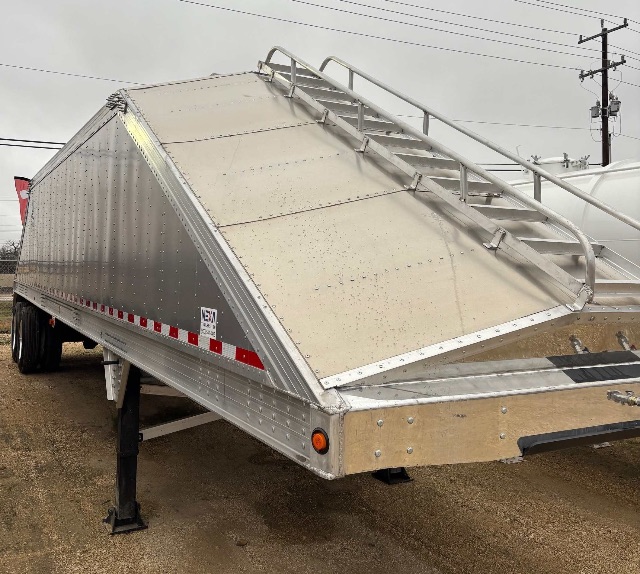
A typical Aldura hopper trailer in this class uses an aluminum subframe and body to keep weight down, which matters if you are hauling dense product and trying to maximize legal payload. Common specs include a 40-foot length, 102-inch width, tandem axle layout, air ride suspension, and a GVWR in the 75,000-pound range. Buyers should pay close attention to hopper opening size, top opening dimensions, gate actuation, kingpin and upper coupler construction, and axle spread. Those details affect how easily the trailer loads under a plant, how cleanly it unloads, and how well it fits the operating profile of a sand route versus an agricultural route.
For sand service, the key considerations usually shift toward durability at the gate, discharge control, brake spec, and resistance to corrosion from abrasive material and harsh washdowns. For grain service, capacity, weather sealing, and loading convenience may matter more. Aluminum hopper trailers are also easier to position as a weight-sensitive option when compared with heavier steel configurations, but buyers should still inspect crossmember design, subframe thickness, landing gear, and wear points around the hopper and gate assemblies. Tire size, wheel type, ABS configuration, and brake lining spec are also worth comparing because those items affect uptime and replacement cost over the life of the trailer.
Aldura hopper trailers fit fleets and owner-operators that need a straightforward bulk hauler with a strong payload-to-weight ratio. When comparing listings, look closely at empty weight, cubic capacity, fifth wheel height, gate dimensions, and suspension rating instead of focusing only on model year. A lighter trailer with the right hopper geometry and a proven running gear package can outperform a heavier unit in daily revenue work. For buyers hauling sand, grain, feed ingredients, fertilizer, or similar bulk commodities, this category is best evaluated by how efficiently the trailer loads, scales, dumps, and returns to service.
Frequently Asked Questions about Aldura Hopper Trailers
What are Aldura hopper trailers commonly used for?
Aldura hopper trailers are commonly used for hauling free-flowing bulk commodities such as sand, grain, feed ingredients, and similar dry materials. The exact application depends on the trailer’s gate design, capacity, and overall construction. Bottom-drop configurations are especially useful where quick gravity unloading is required and where the material flows cleanly through the hopper openings.
Why does aluminum construction matter on a hopper trailer?
Aluminum construction matters because it reduces trailer tare weight, which can increase legal payload on every trip. That is especially important in sand and grain operations where revenue is tied closely to net tons hauled. Aluminum also offers strong corrosion resistance, but buyers should still inspect structural components, weld quality, and high-wear areas because light weight only pays off if the trailer holds up under the intended duty cycle.
What specs should buyers compare first on an Aldura hopper trailer?
The most important specs to compare first are empty weight, cubic capacity, GVWR, axle and suspension ratings, gate opening dimensions, and overall trailer height. Those numbers determine payload potential, commodity fit, and how easily the trailer works with your loading and unloading locations. Buyers should also review fifth wheel height, kingpin setup, brake system, tire size, and landing gear because those details affect compatibility with the tractor and long-term operating cost.
Are hopper trailers for sand and grain the same thing?
Not always. Some hopper trailers can handle both sand and grain, but dense and abrasive materials like sand place different demands on the trailer than agricultural commodities do. Sand service usually requires closer attention to structural strength, gate durability, and wear resistance, while grain hauling often emphasizes cubic capacity, weather protection, and clean discharge. A buyer should match the trailer’s construction and gate layout to the primary commodity, not just the general hopper label.
How important is gate design on a hopper trailer?
Gate design is one of the most important factors on a hopper trailer because it controls unloading speed, material flow, and maintenance frequency. Buyers should evaluate the size of the openings, the type of gate actuation, how well the gates seal, and how accessible the components are for service. A trailer with the right gate layout can reduce unload time and product hang-up, while a poor match can slow cycles and increase wear in daily bulk hauling.