
Trailers For Sale Near Hobbs, New Mexico
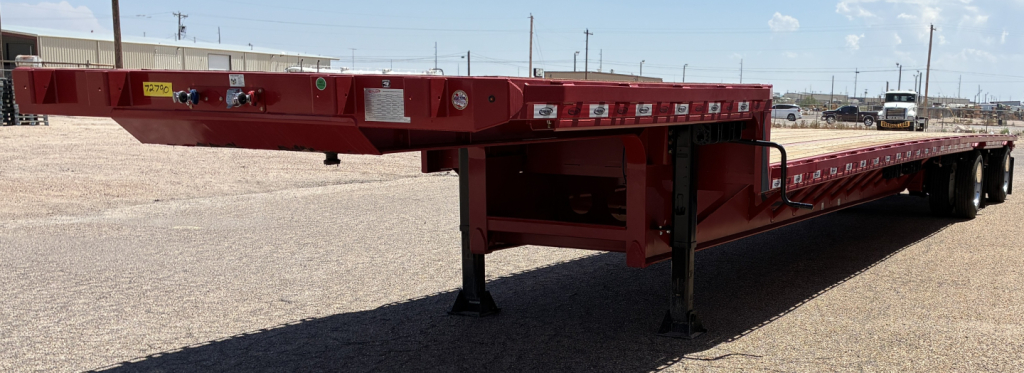
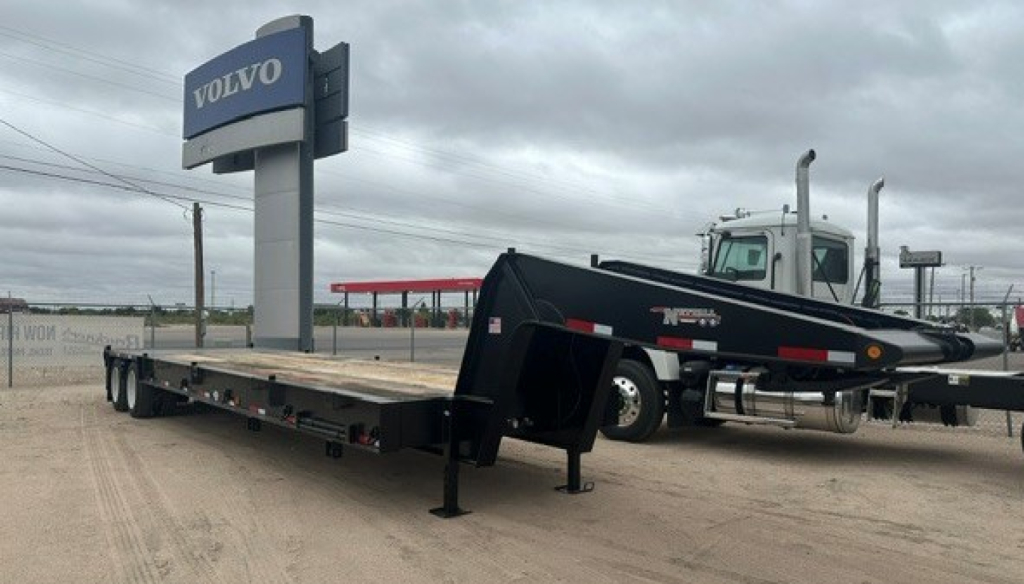
Have trailer to sell? List it here to reach thousands of buyers.
Trailers Near Hobbs, New Mexico
Vacuum trailers are a common fit in this market, especially non-code units used in oilfield and industrial fluid service. Capacity is often described in barrels, with 130 BBL trailers landing around 5,400-plus gallons depending on shell design and outage allowance. Buyers should look closely at compartment design, manway size and placement, sight glasses, rear lighting, walkway and handrail setup, and the type of suspension under the trailer. Air ride can improve road manners and help protect equipment on longer hauls, while spring ride may appeal to buyers prioritizing simplicity and lower upfront cost. It is also important to confirm whether the trailer is non-code or built to a specific pressure or DOT standard, since that directly affects legal use and commodity flexibility.
Dump trailers in this region are typically selected for aggregate, sand, scrap, road base, and construction materials. Key specs include trailer length, cubic yard capacity, side board height, liner or floor construction, tarp system, suspension type, and details like push blocks, quick-release valves, and windrow deflectors. A 40-foot tandem axle dump trailer with air ride is a common setup for balancing payload, durability, and road stability. Buyers comparing steel versus aluminum construction should think in terms of commodity mix and abuse level. Steel bodies generally suit severe-duty applications and abrasive material better, while lighter configurations can improve net payload when the operation allows it.
Across trailer categories, a few spec details matter on every listing. Check axle count, brake type, landing gear rating, tire size, wheel material, and kingpin-to-axle settings to make sure the trailer fits the truck and the work. In southeast New Mexico, where miles can include highway stretches, yard moves, and rough access roads, durability features such as heavy-duty landing gear, protected lighting, quality tarp systems, and dependable suspension components can make a real difference in uptime. The best trailer choice is the one matched to the commodity, route conditions, loading method, and maintenance expectations, not just the highest advertised capacity.
Frequently Asked Questions about Trailers Near Hobbs, New Mexico
What types of trailers are most common for buyers in Hobbs, New Mexico?
In Hobbs, many buyers focus on trailers suited for oilfield, construction, and material hauling. That usually means vacuum trailers for fluid and oilfield service, dump trailers for aggregate and dirt, and other heavy-duty commercial trailers built for regional hauling. Local demand tends to favor durable tandem axle setups, steel construction in severe-duty applications, and specs that can handle both highway miles and rougher jobsite access roads.
What is the difference between a non-code vacuum trailer and a code trailer?
A non-code vacuum trailer is generally built for vacuum loading and transport of certain fluids, but it is not certified to the same pressure vessel standards as a coded tank. That distinction affects what commodities can be hauled and how the trailer can be used legally and safely. Buyers should verify the tank rating, intended product, and any DOT or pressure-vessel requirements before purchase, because the wrong tank spec can limit the trailer’s practical use in the field.
Is air ride or spring ride better on a commercial trailer?
Air ride usually offers better ride quality, improved stability, and less shock transfer to the trailer structure and cargo, which can be useful on longer hauls or when protecting components matters. Spring ride is simpler and often less expensive to maintain upfront, which appeals to some operators running in harsh environments. The better choice depends on route conditions, maintenance preferences, and the type of material or fluid being hauled.
What specs should I compare first when shopping dump trailers?
Start with length, cubic yard capacity, body material, axle configuration, suspension, and tarp system. Then look at side height, floor and wall thickness, brake setup, tire size, and job-specific features such as push blocks, windrow deflectors, and liner options. Those specs tell you more about how the trailer will perform in aggregate, asphalt, demolition, or general construction work than price alone.
How important are tire size, brakes, and wheel material on a trailer listing?
These details matter because they affect serviceability, durability, and compatibility with the rest of the fleet. Common tire sizes such as 11R22.5 or 11R24.5 are widely supported, but buyers should confirm they match operating preferences and axle ratings. Drum brakes remain common on many vocational trailers, and steel wheels are still popular in severe-duty service because they are durable and cost-effective. Small spec differences in these areas can change maintenance cost and parts availability over the life of the trailer.