
Trailers For Sale Near Henderson, Colorado
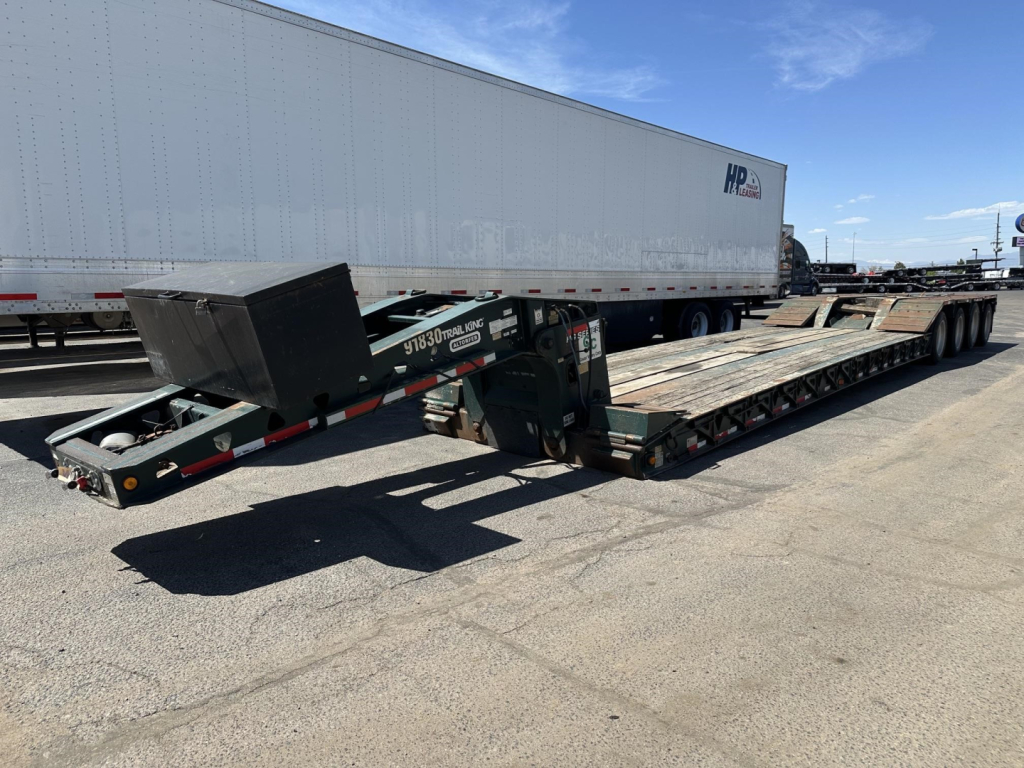
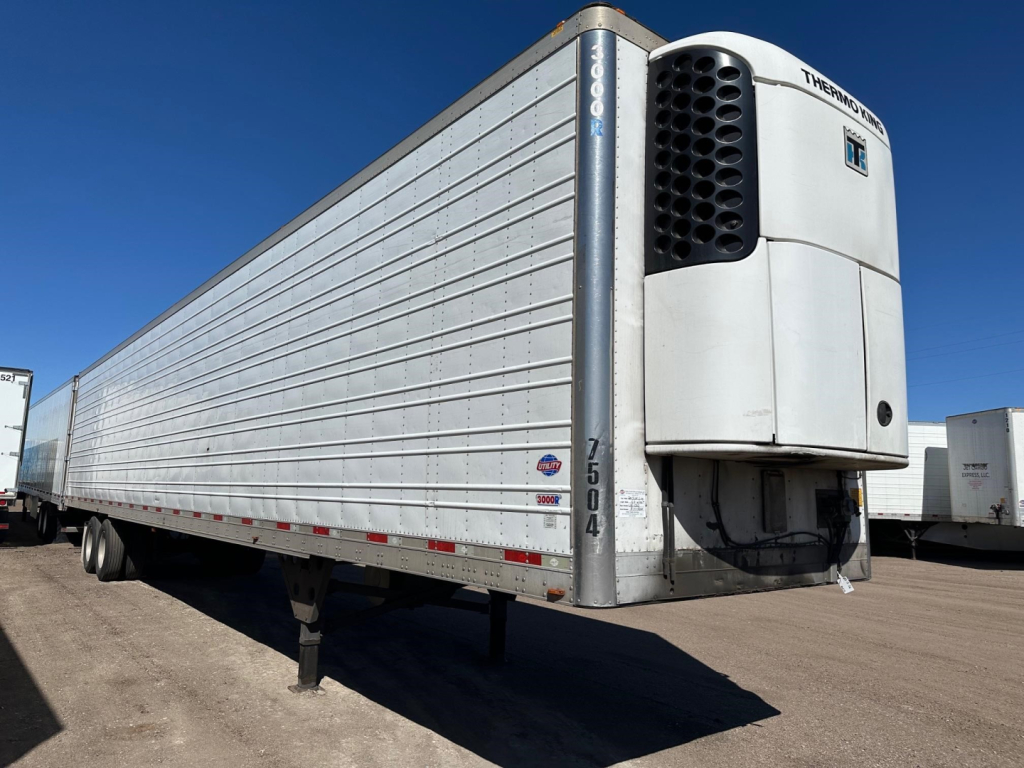
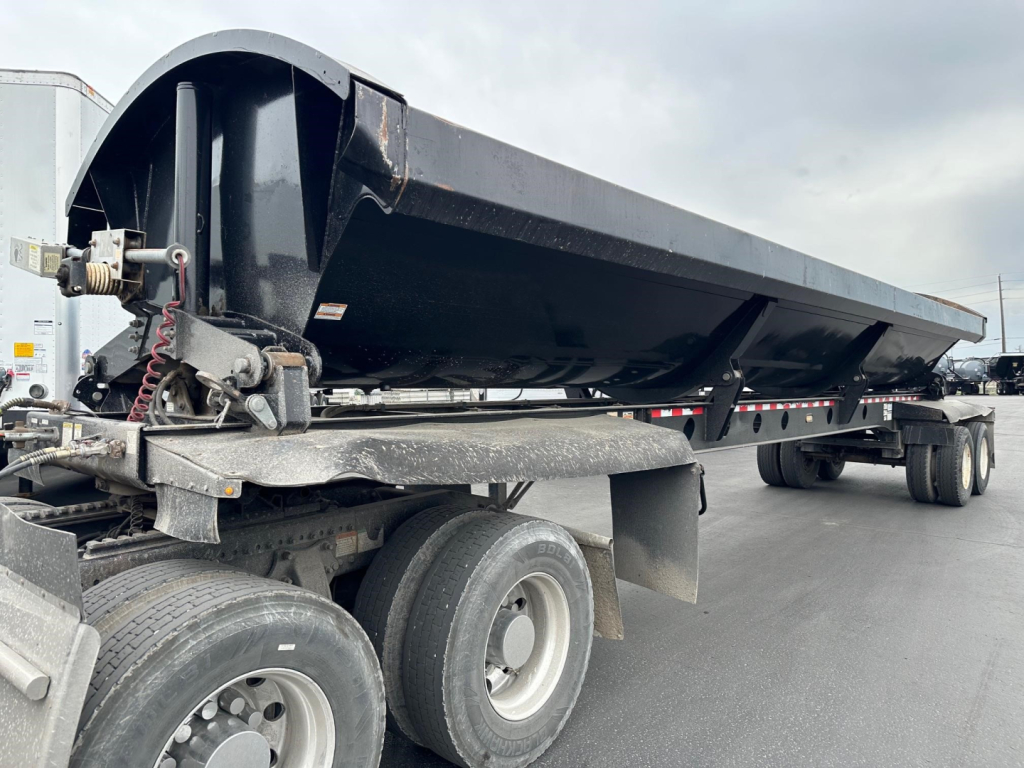
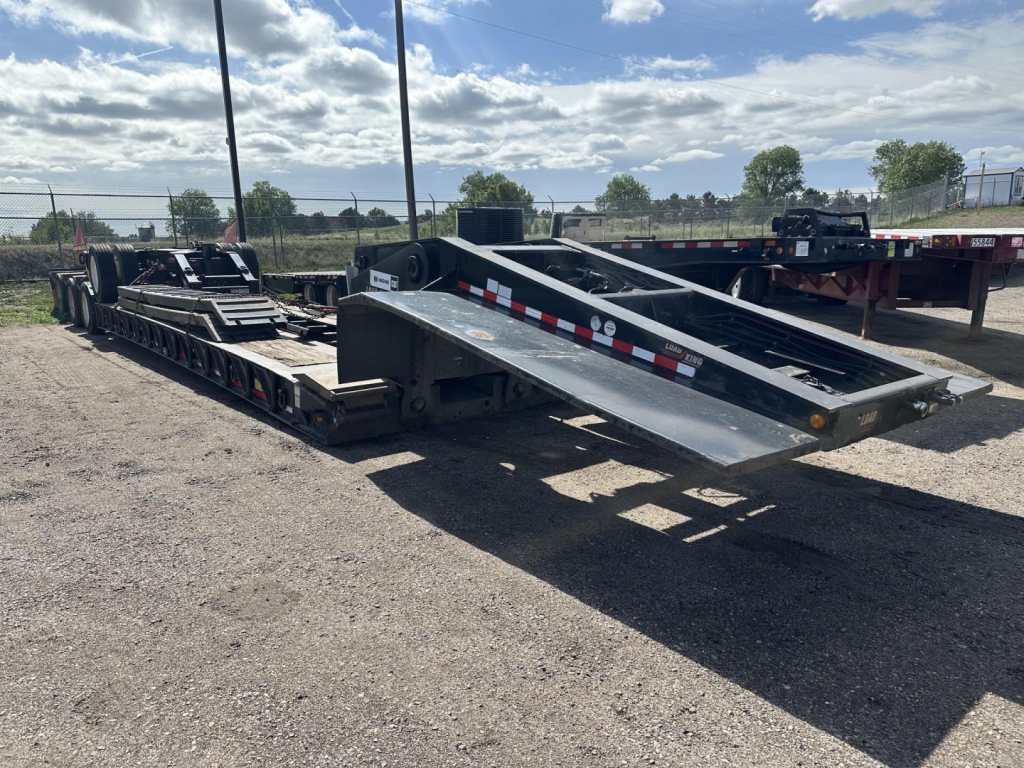
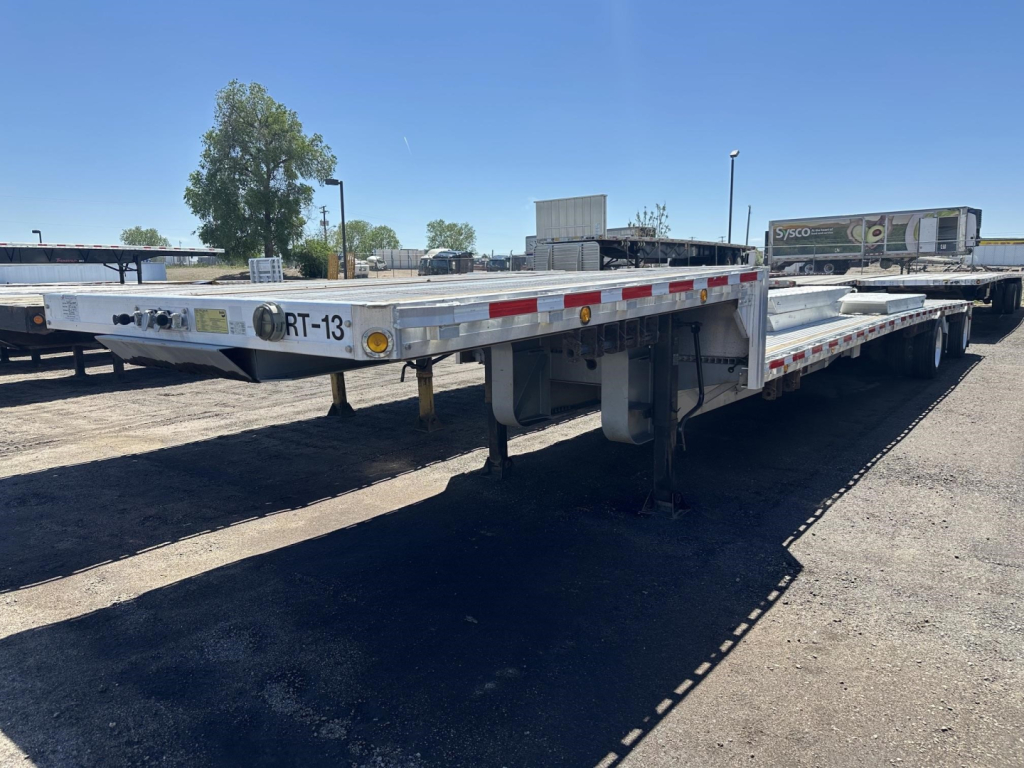
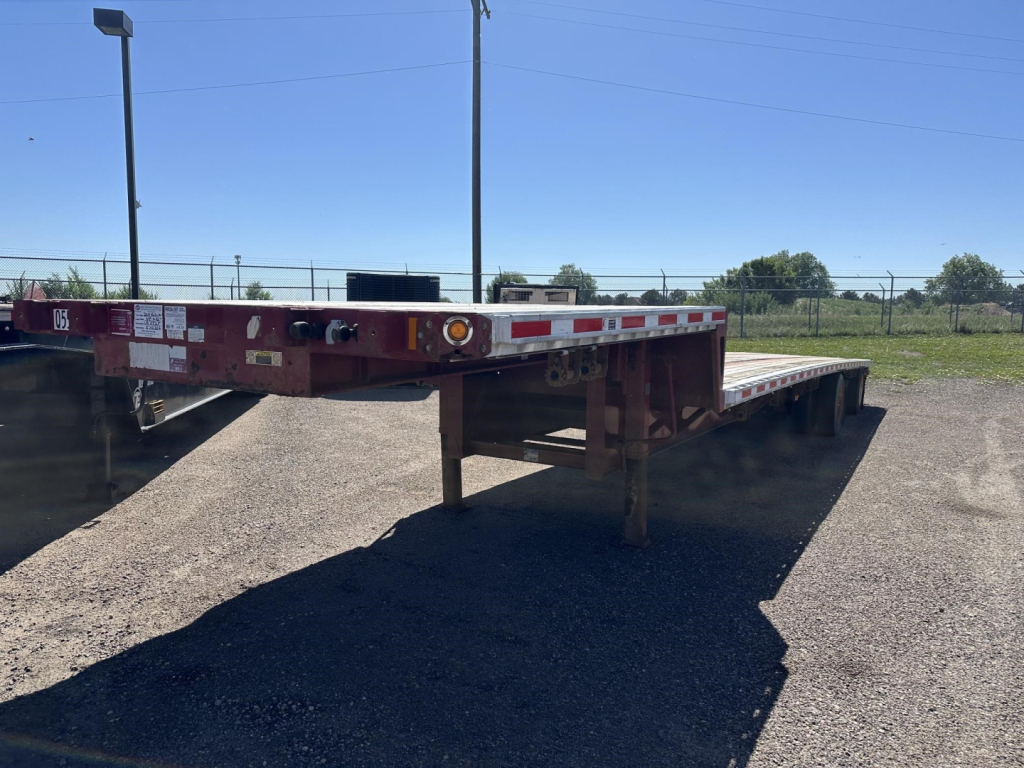
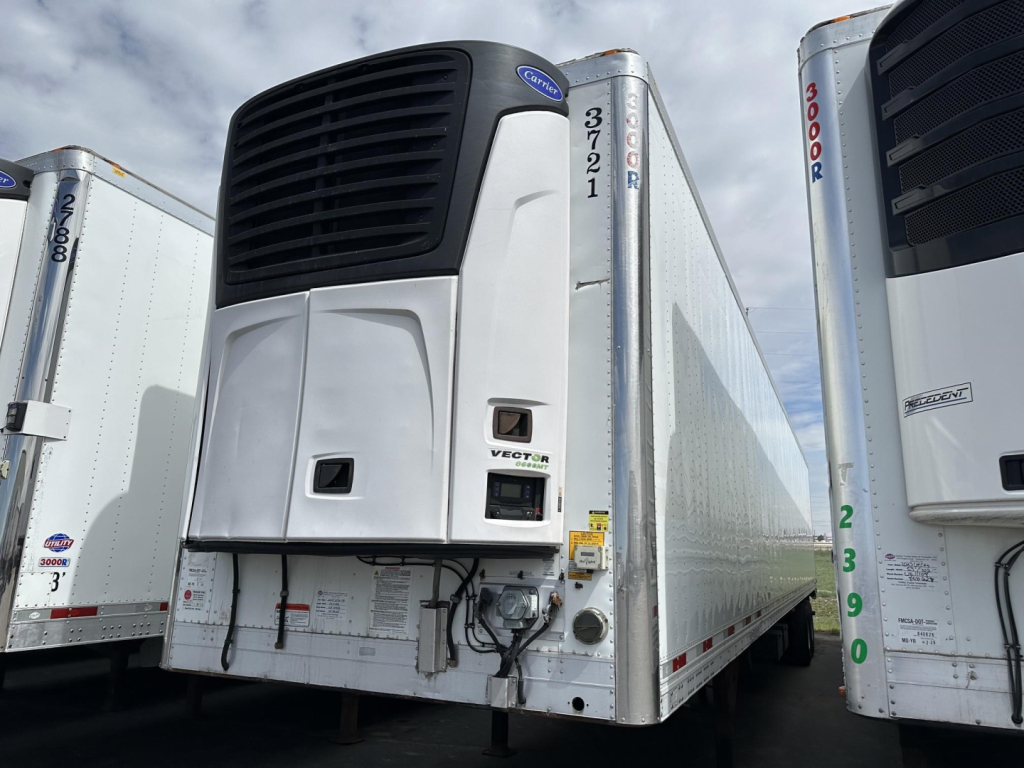
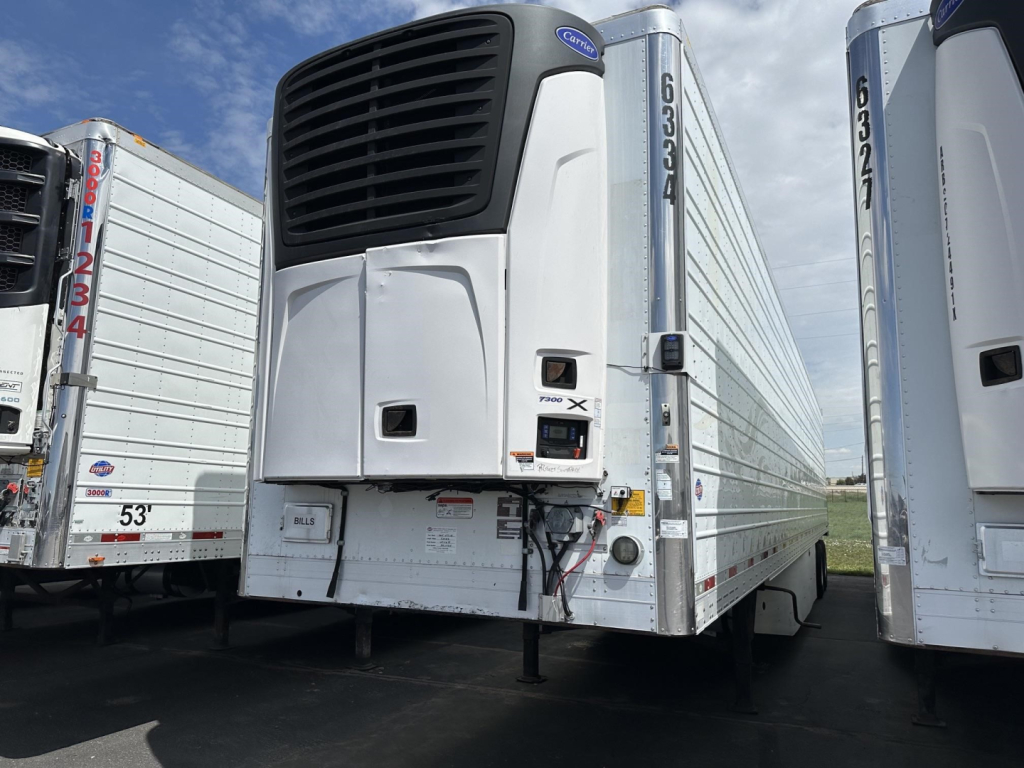
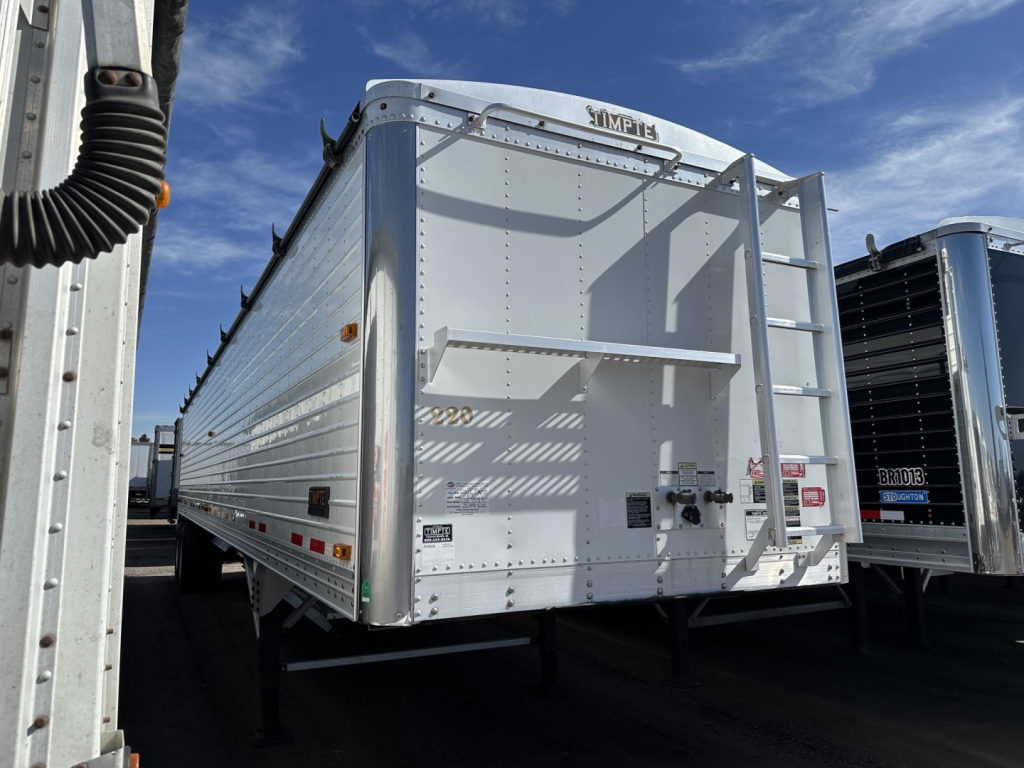
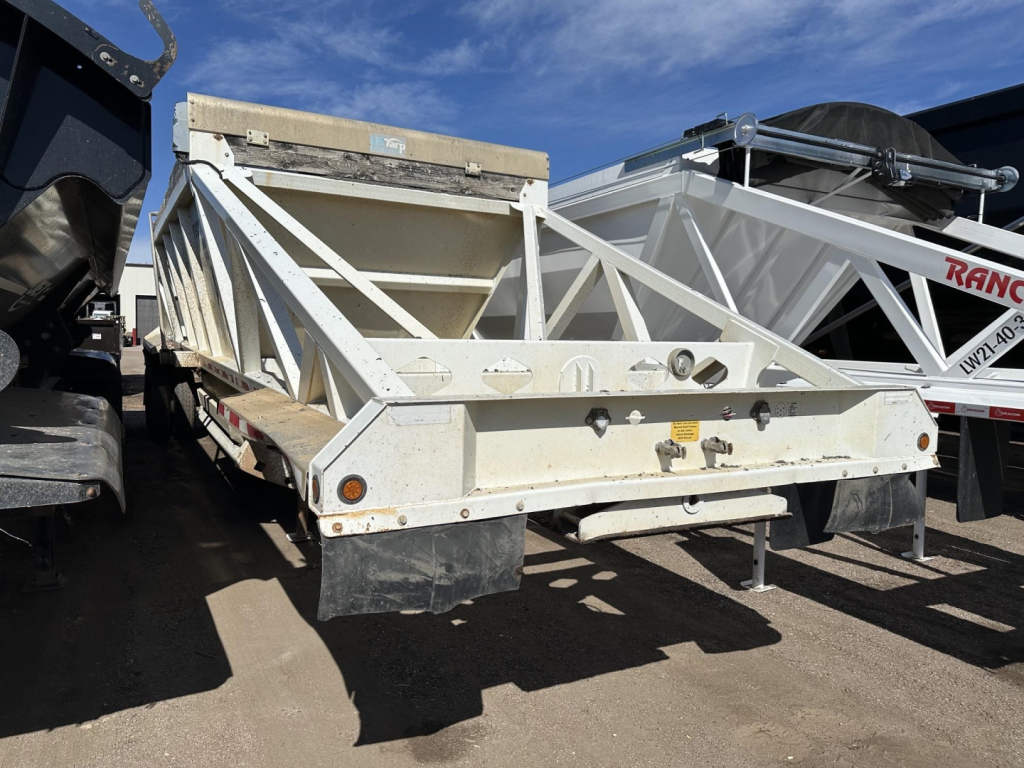
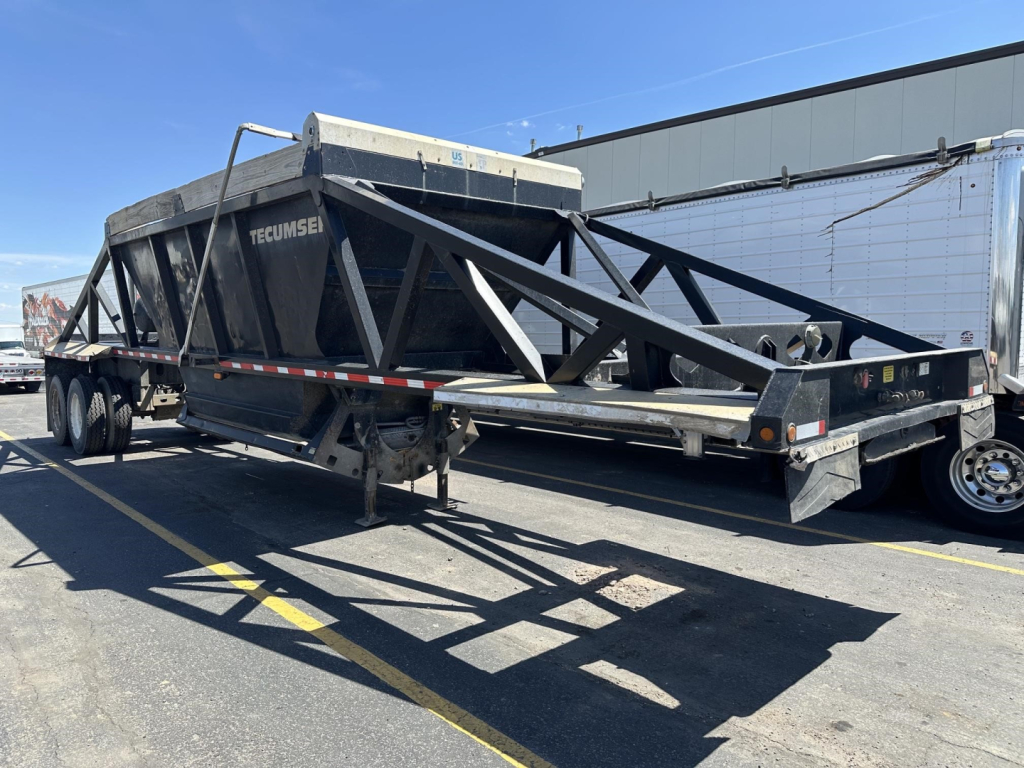
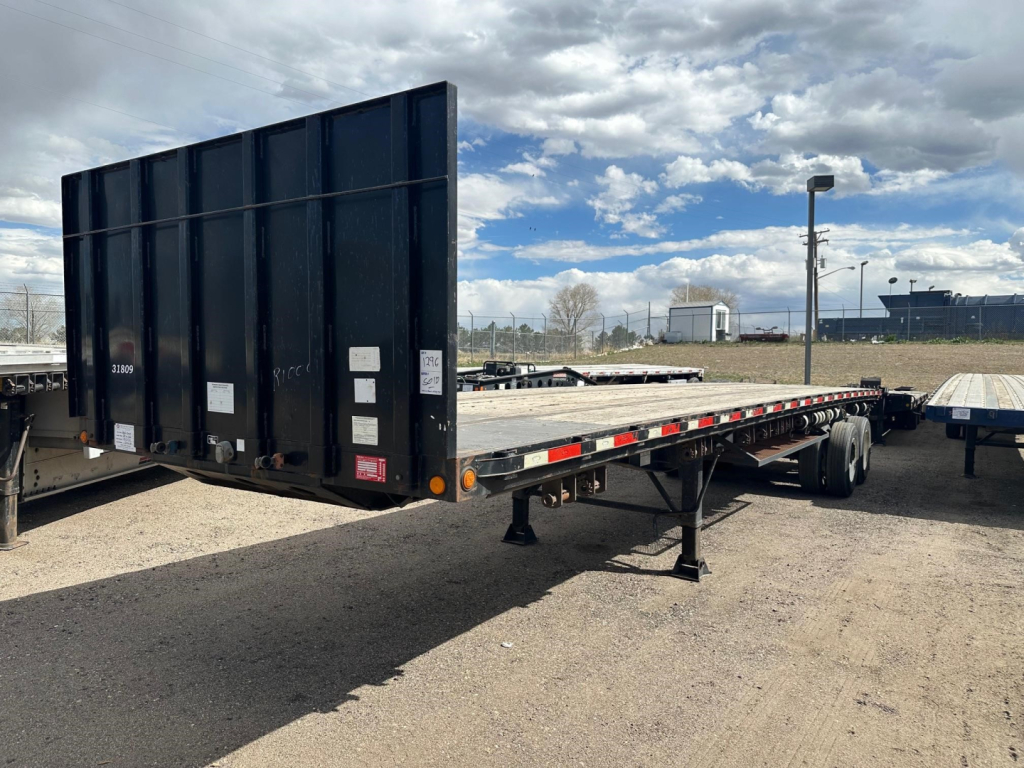
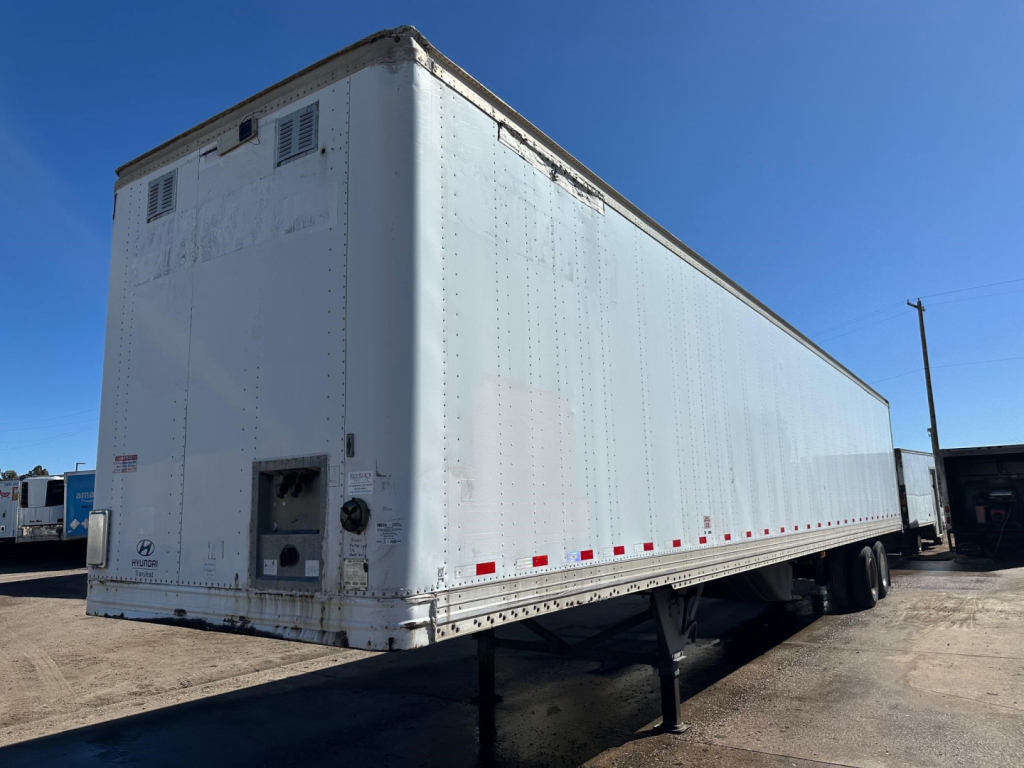
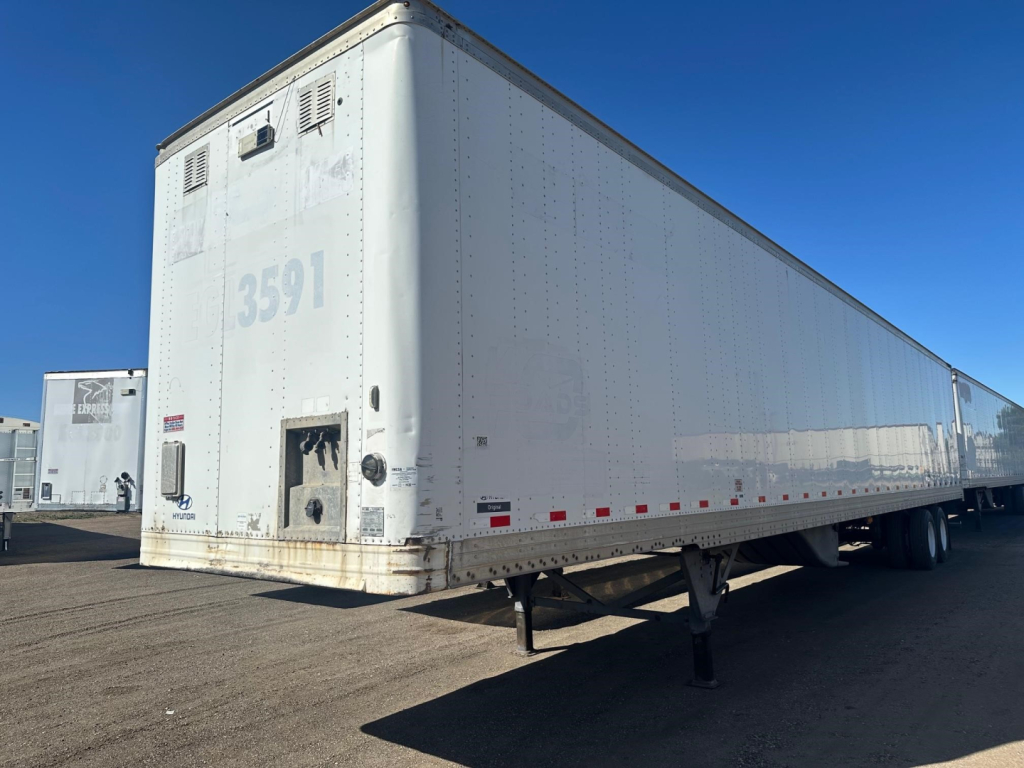
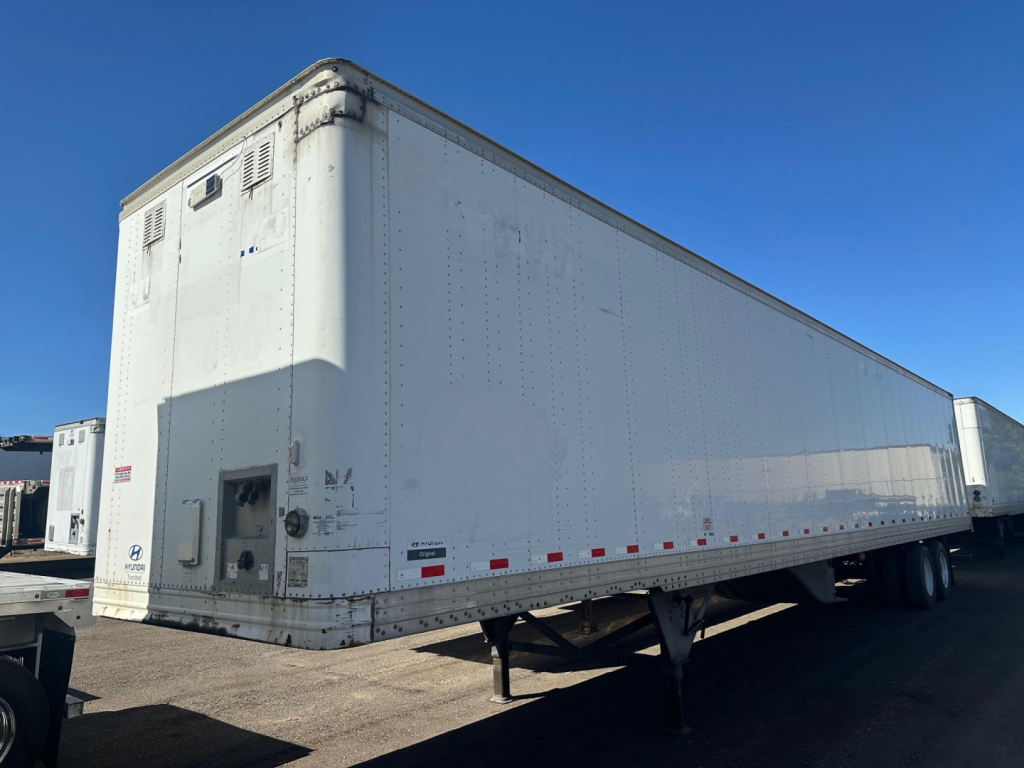
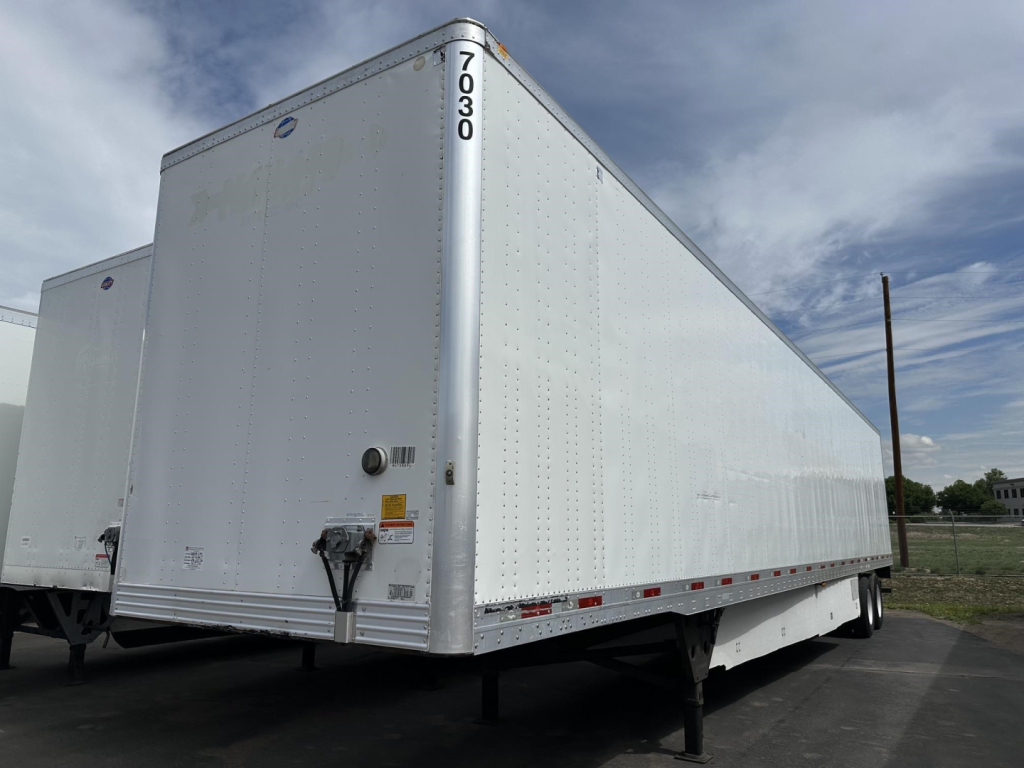
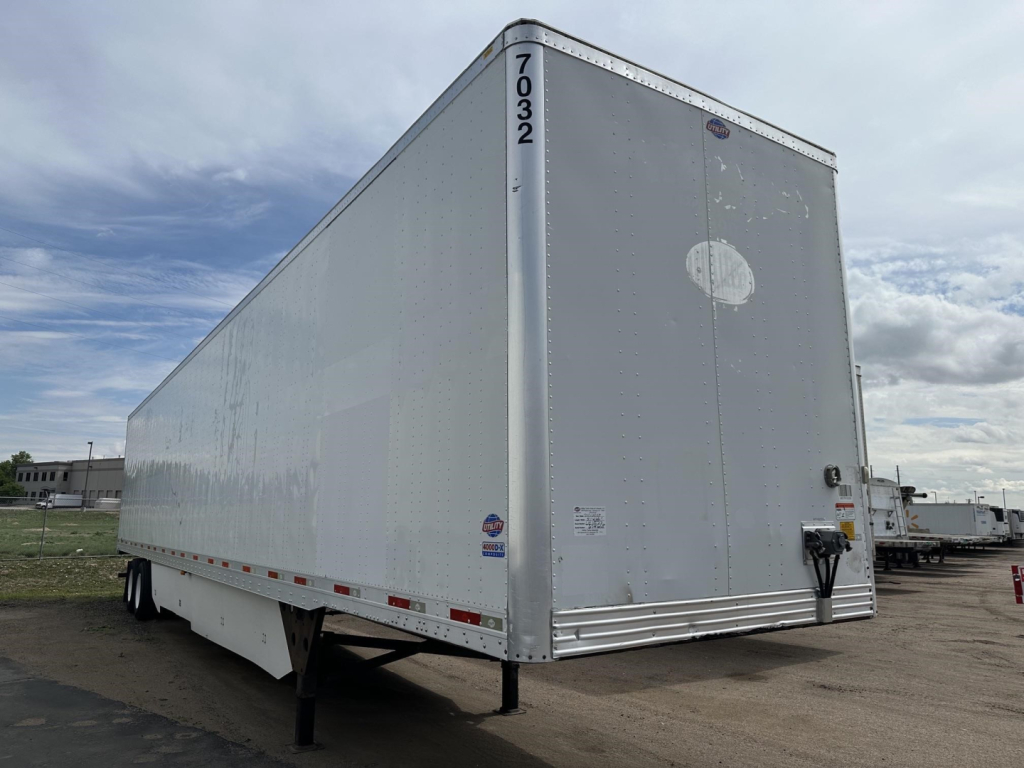
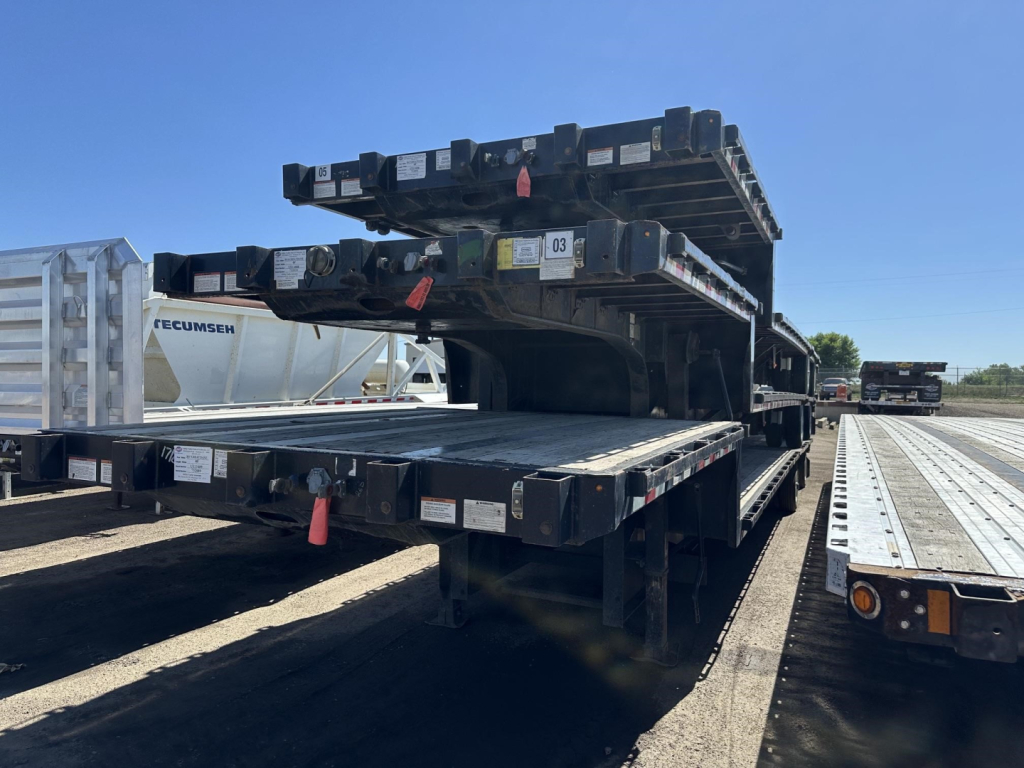
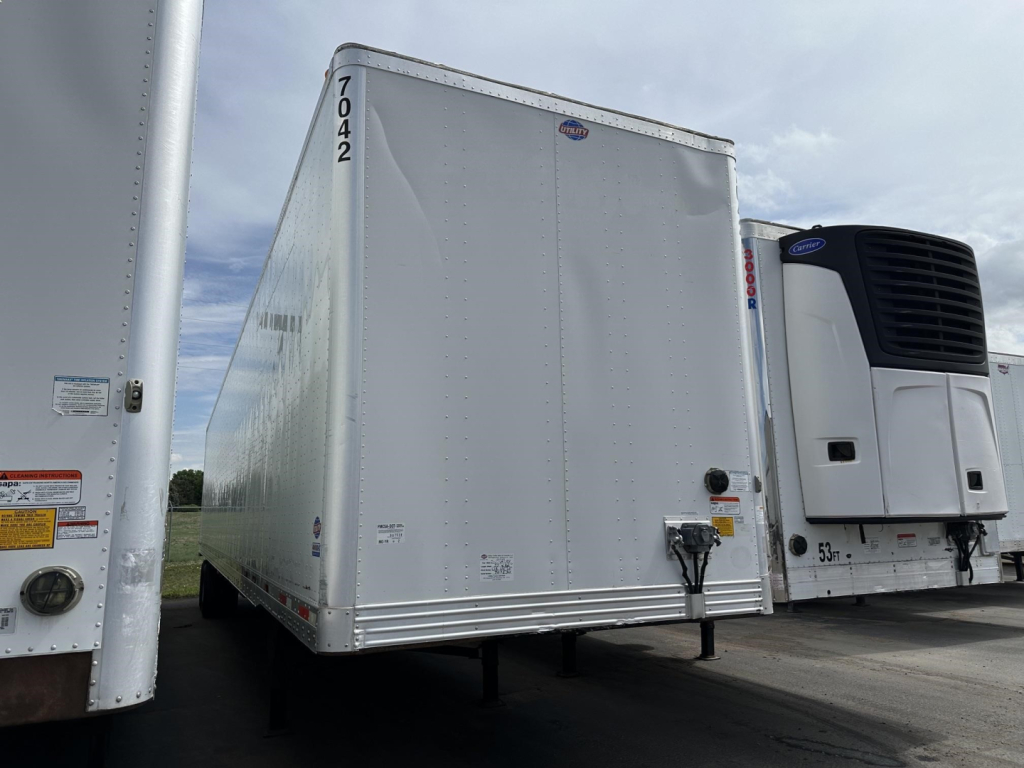
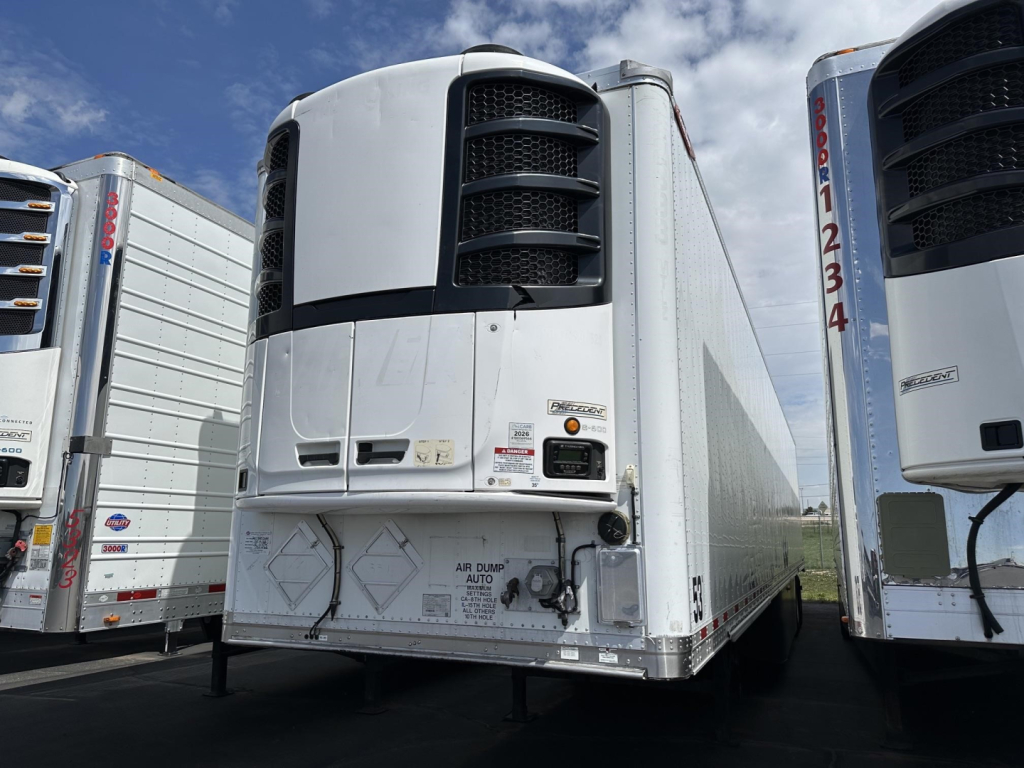
Showing 25 to 48 of 283 results
Have trailer to sell? List it here to reach thousands of buyers.
Trailers Near Henderson, Colorado
Frequently Asked Questions about Trailers Near Henderson, Colorado
What is the difference between a flatbed trailer and a drop deck trailer?
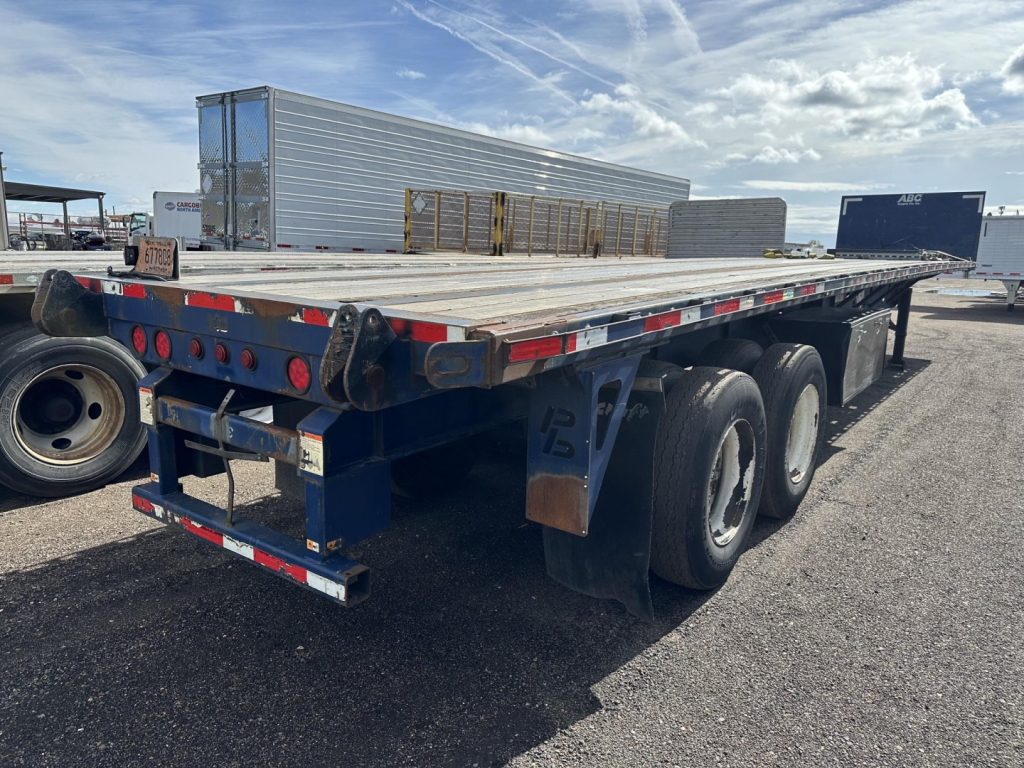
A flatbed trailer has a single deck height from front to rear, which keeps loading simple and works well for most palletized, bundled, and crated freight loaded by forklift or crane. A drop deck trailer has an upper deck and a lower deck, allowing taller freight to ride lower and stay within legal height limits more easily. Buyers hauling equipment, building materials, and taller machinery often prefer a drop deck because the lower deck adds loading flexibility without requiring a permit on many loads that would be too tall on a standard flatbed.
What should I look for when buying a reefer trailer?
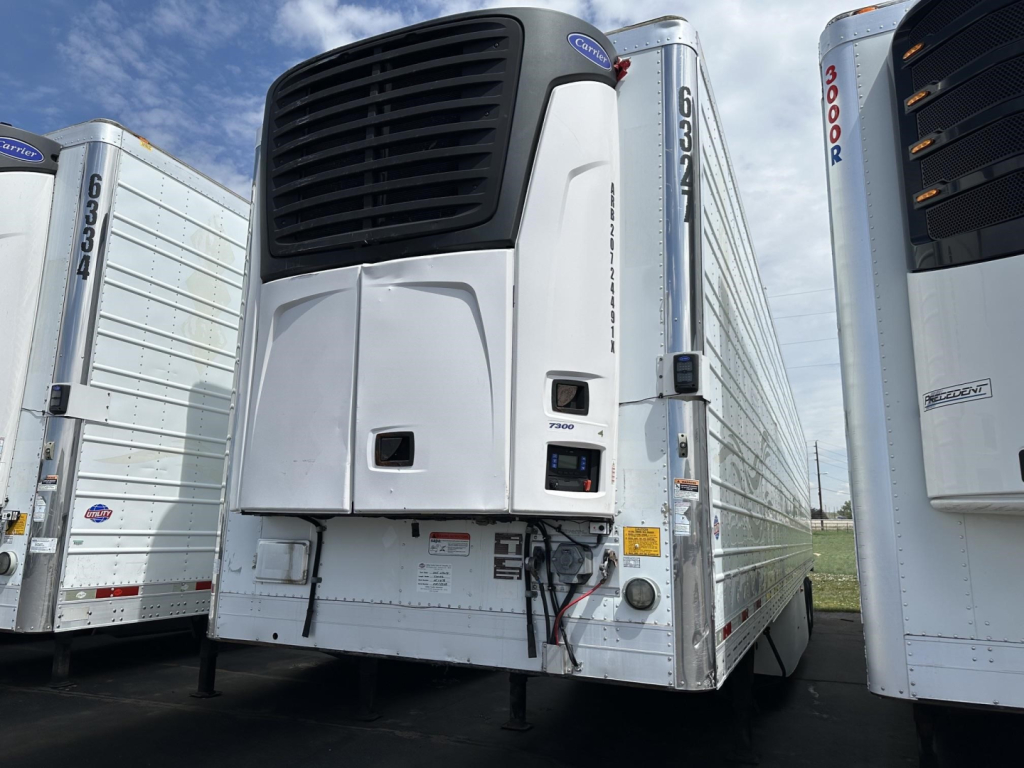
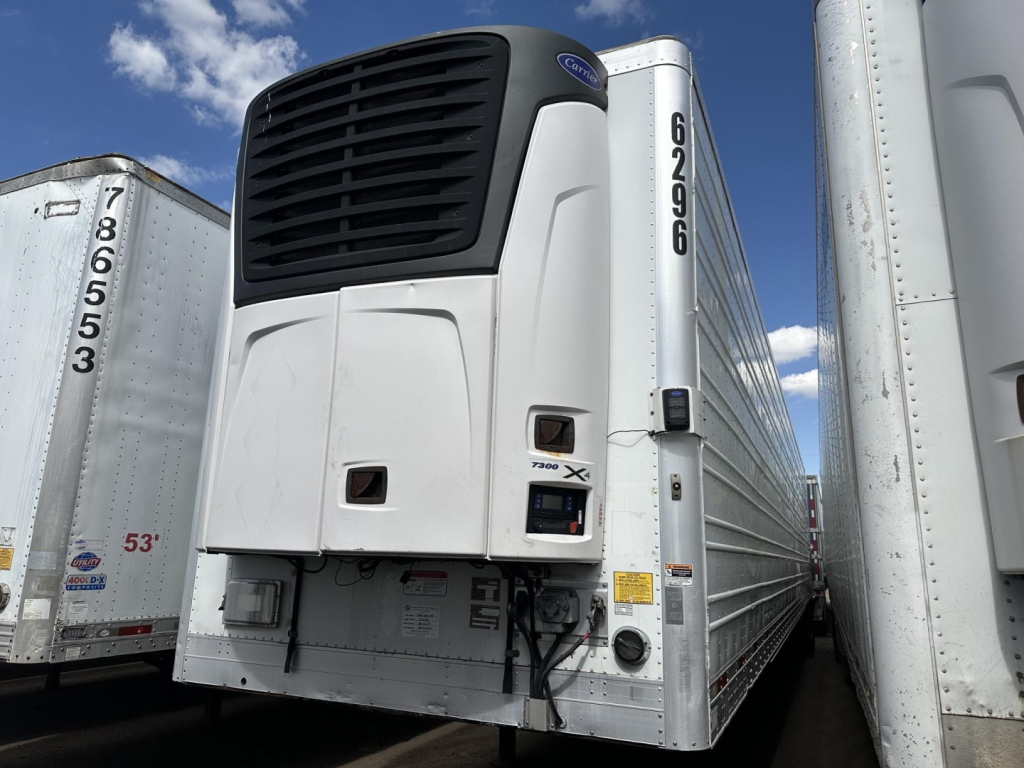
The refrigeration unit, trailer insulation, floor design, and compliance status are the first things to verify. Reefer buyers should check unit make, engine hours, start-run history, service records, fuel system condition, evaporator and condenser performance, and whether the unit meets current emissions requirements in the lanes where it will operate. Inside the box, an aluminum duct floor, scuff liners, rear doors, and chute setup all affect airflow, product protection, and loading efficiency. A reefer is not just a dry van with a unit on the nose, so cooling performance and structural condition matter as much as cosmetic appearance.
Why would a buyer choose an expandable trailer?
An expandable trailer is built for freight that is legal or practical at one length on some loads and much longer on others. Contractors, steel haulers, and specialized carriers use extendable flatbeds and step decks for pipe, beams, trusses, and machinery components that will not fit a fixed deck length. When comparing expandable trailers, pay close attention to closed length, maximum extended length, deck rating through the extension, bulkhead design, winch track setup, and how the suspension and axle spread affect weight distribution when the trailer is fully stretched.
What matters most on a dump trailer for aggregate or rock work?
Body construction, tub shape, suspension, gate configuration, and tarp system are usually the biggest factors. Frameless steel end dumps are common for rock, asphalt, and demolition because they are durable and built for repeated heavy-cycle loading. Half-round tubs help material unload cleanly, while gate style and high-lift options affect discharge control and jobsite convenience. Buyers should also consider cubic yard capacity, liner or wear resistance, hoist geometry, tire spec, and whether the trailer will run on-road only or spend time on uneven jobsite surfaces where stability and suspension design become more important.
Are aluminum trailers always better than steel trailers?
Not always. Aluminum trailers reduce tare weight and can improve payload, which matters for operations paid by the ton or trying to maximize legal weight on every trip. Steel trailers generally offer lower upfront cost and can be a strong fit for severe-duty applications where impact resistance and repair familiarity are priorities. Many buyers end up choosing a combination design, such as aluminum components with steel in key structural areas, to balance weight, durability, corrosion resistance, and repair cost. The best choice depends on freight type, annual mileage, climate, and how long the trailer is expected to stay in service.