
2027 Heil Trailers For Sale in Ohio
Browse 2027 Heil trailers for sale, including fuel and dry bulk tanker configurations with common specs, applications, and buyer-focused guidance.
Selling a 2027 heil trailer? List your 2027 heil trailer for sale and reach thousands of commercial buyers.
2027 Heil Trailers in Ohio
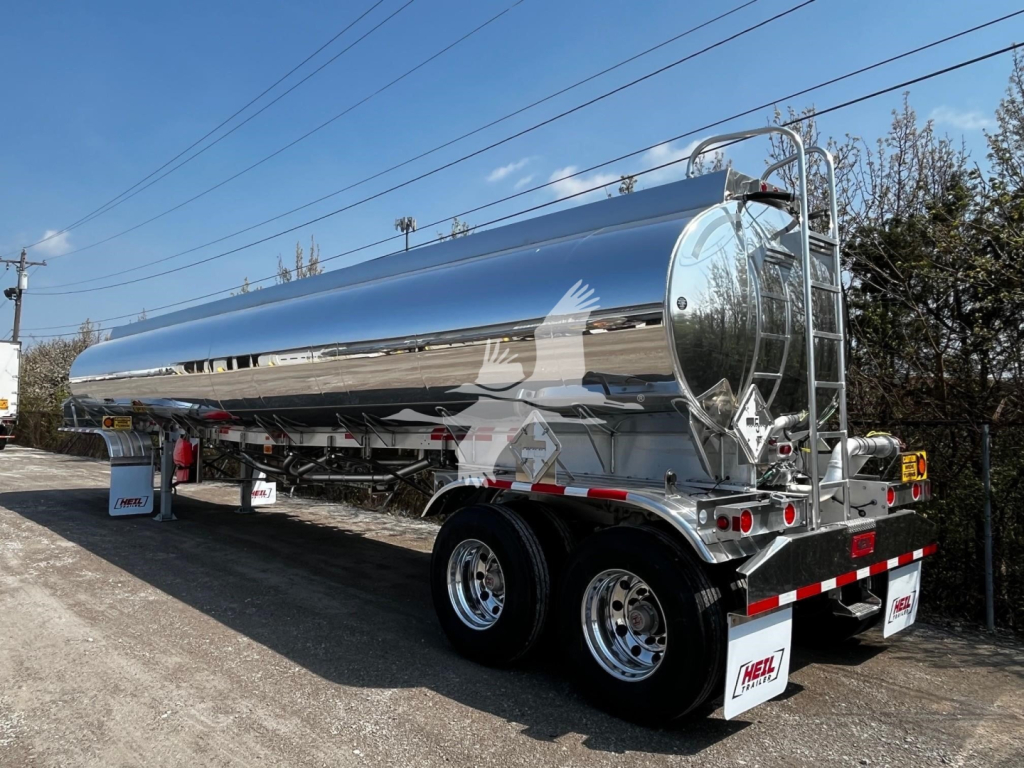
On Heil fuel trailers, the big buying decisions are compartment layout, tank shape, and unloading equipment. Common capacities in this class are around 9,200 to 9,500 gallons, often in 4-compartment configurations that let carriers balance station drop flexibility with axle weights. Double taper and elliptical barrels are both common, and bulkhead design matters if you are trying to control surge and protect product separation. Buyers should review the overfill system brand and compatibility, vapor outlet configuration, emergency valve controls, sight glass setup, hose tray arrangement, cabinet size, and ladder location because these details directly affect loading rack compatibility, delivery workflow, and driver safety. Suspension, kingpin setting, tire size, and axle track also matter if the trailer will run in tight station environments, urban routes, or high-mileage regional lanes.
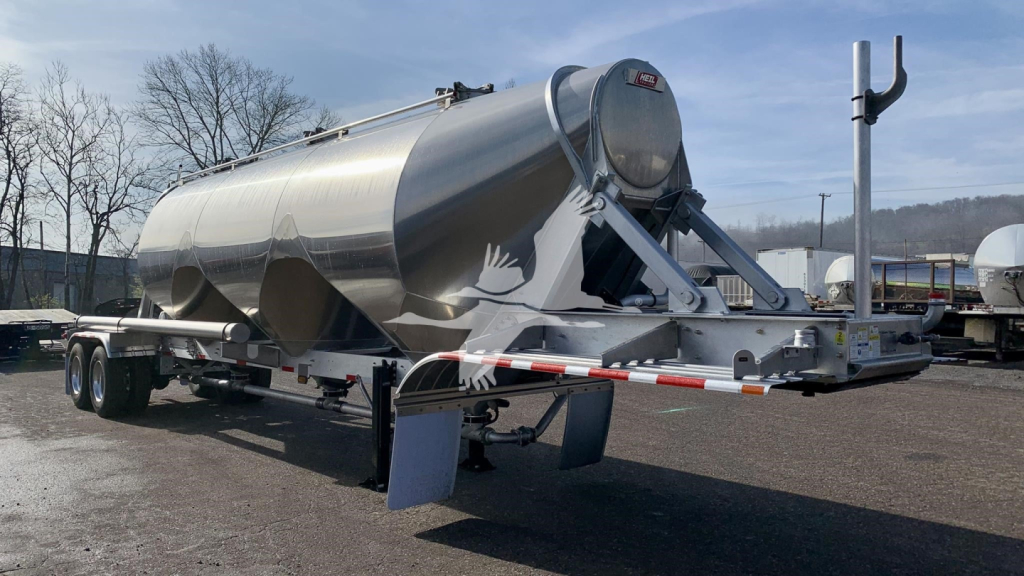
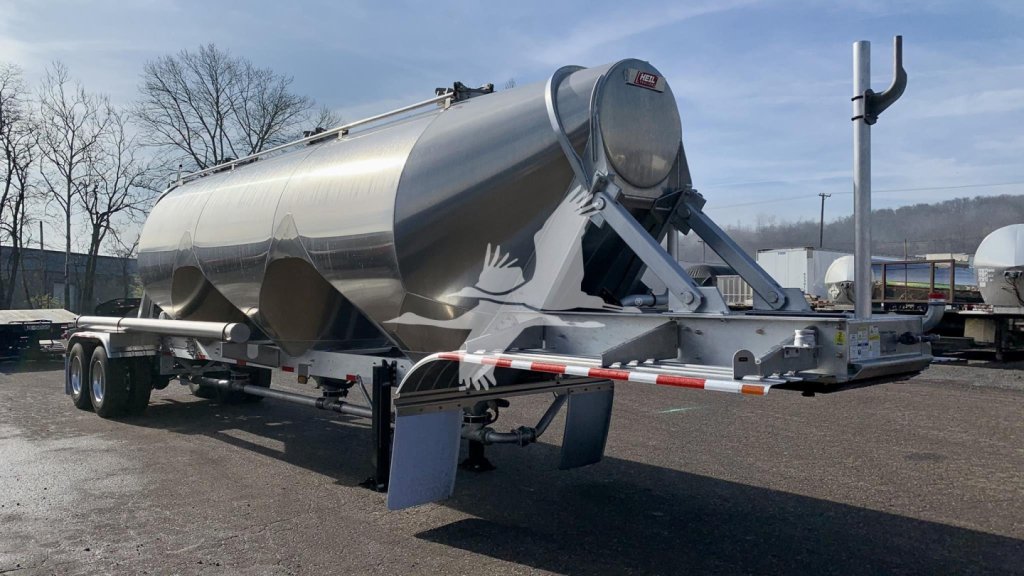
Heil pneumatic dry bulk trailers are a different buying conversation. Capacity is usually measured in cubic feet rather than gallons, with common specs including aluminum barrels, multiple hoppers, aluminum piping, and butterfly product valves. A trailer in the 1,000-plus cubic foot range with a 42-foot body and tandem air ride suspension is a typical fit for cement and similar dense commodities. Hopper count affects cleanout and discharge control, while aeration components and plumbing layout influence unload speed and product flow. Buyers should also pay attention to rear discharge position, hose tube storage, landing gear choice, and suspension spec, especially if the trailer will see mixed plant surfaces, rough jobsite entries, or frequent loading cycles.
Across both categories, Heil trailers tend to attract buyers who care about long-term serviceability and mainstream parts support. On used units, test dates, inspection status, barrel condition, tire and brake life, and the condition of cabinets, plumbing, and electrical components are just as important as price. On new builds, the real value is in getting the trailer spec aligned with the actual commodity, loading infrastructure, and state operating environment. A buyer comparing multiple Heil trailers should focus less on model name alone and more on the operating package: code compliance, capacity, compartment or hopper arrangement, suspension, discharge hardware, and the exact safety systems already installed.
Frequently Asked Questions about 2027 Heil Trailers in Ohio
What are the most common Heil trailer types buyers look for?
The most common Heil trailer types in this market are DOT 406 petroleum tank trailers and pneumatic dry bulk trailers. Fuel models are usually set up for gasoline or refined petroleum products with multiple compartments, API valves, vapor recovery, and overfill systems. Dry bulk models are commonly used for cement, lime, fly ash, and similar products, with aluminum tanks, multiple hoppers, and pneumatic discharge equipment. The right type depends entirely on commodity, loading facility requirements, and the unloading method used in your operation.
What should I check first on a Heil fuel trailer?
Start with the code and tank configuration. Confirm DOT 406 compliance, total gallon capacity, compartment sizes, bulkhead arrangement, and vapor recovery setup. Then verify overfill protection brand and probe style, discharge valve specification, emergency valve controls, and the latest test and inspection dates. After that, review suspension, kingpin setting, tire size, brake type, and general barrel and piping condition. These items affect both legal operation and day-to-day terminal compatibility.
How do I choose the right compartment layout on a Heil gasoline trailer?
Compartment layout should match your delivery pattern, not just your target capacity. A 4-compartment trailer in the 9,200 to 9,500 gallon range is common because it gives good flexibility for multi-stop station work while helping manage axle weight distribution. Larger lead compartments may suit regular-volume drops, while smaller split compartments help with premium grades or lower-volume sites. The best layout depends on your product mix, customer tank sizes, and the number of stops per route.
What matters most when buying a Heil pneumatic dry bulk trailer?
The most important factors are cubic foot capacity, hopper configuration, barrel material, aeration system, and discharge design. Those specs determine payload, unload speed, and how well the trailer handles your material. Dense commodities like cement may call for a different balance of capacity and axle weight than lighter bulk products. Buyers should also consider suspension type, rear discharge placement, hose storage, and ease of maintenance because dry bulk trailers often work in abrasive, high-cycle environments.
Are Heil trailers considered easy to maintain and resell?
Heil trailers generally hold strong appeal because they are widely recognized in tanker and bulk operations and are commonly spec'd with mainstream components. That can simplify parts sourcing and service planning, especially for fleets already running Hendrickson suspension, common valve packages, and standard lighting and cabinet setups. Resale strength still depends on the exact trailer configuration, maintenance history, test status, and how closely the spec matches current market demand in fuel or dry bulk service.