
Used Great Dane Trailers For Sale in North Carolina
Browse used Great Dane trailers for sale in North Carolina, including reefer models with 53-foot specs, air ride, sliding tandems, and lift-ready options.
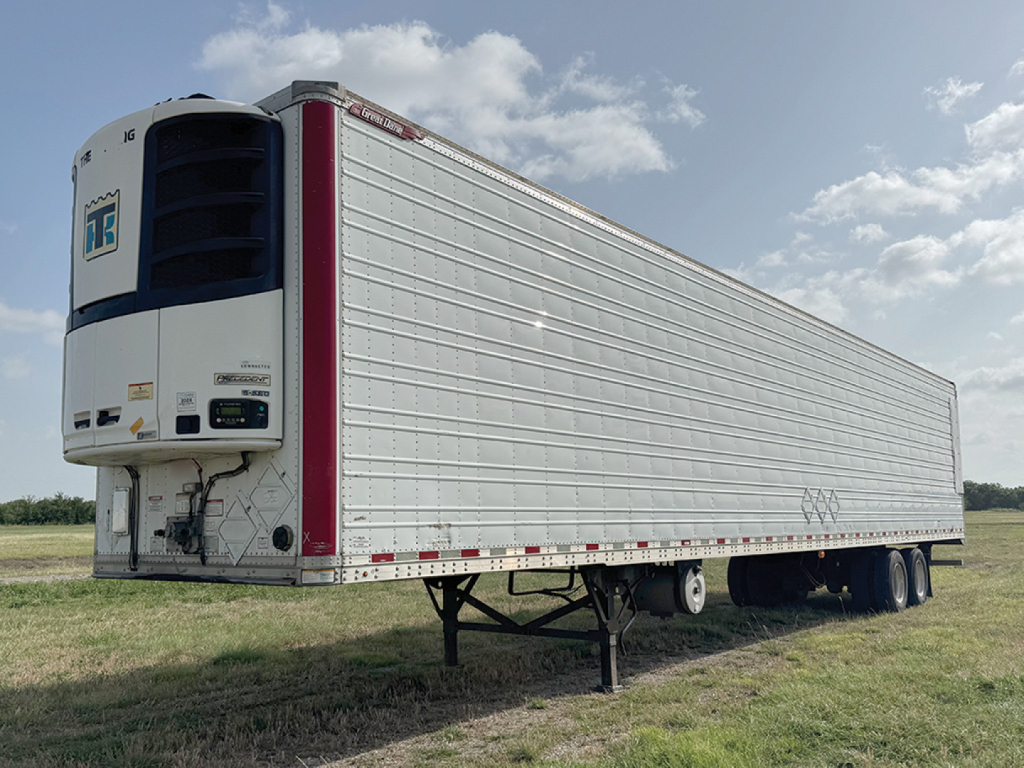
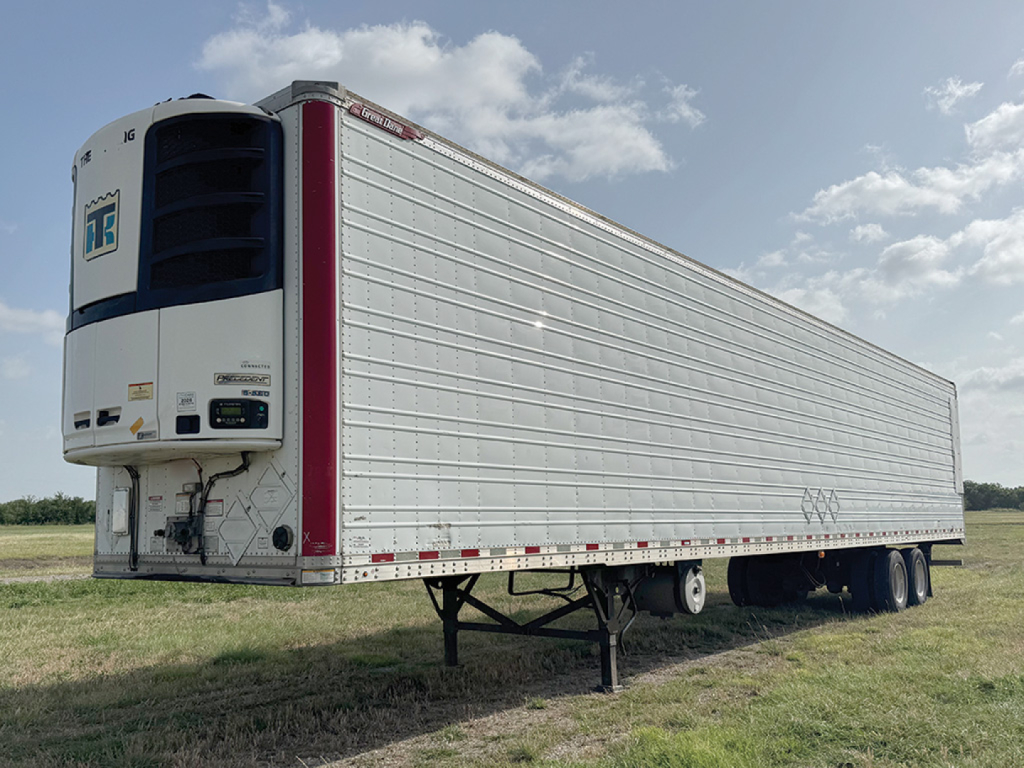
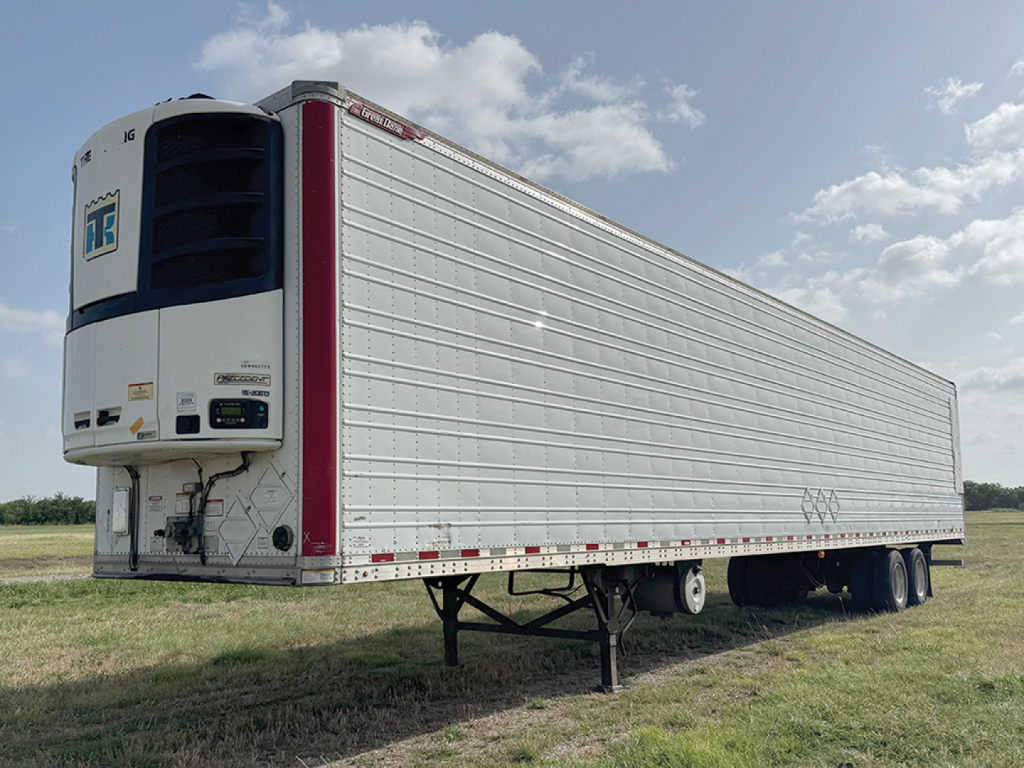
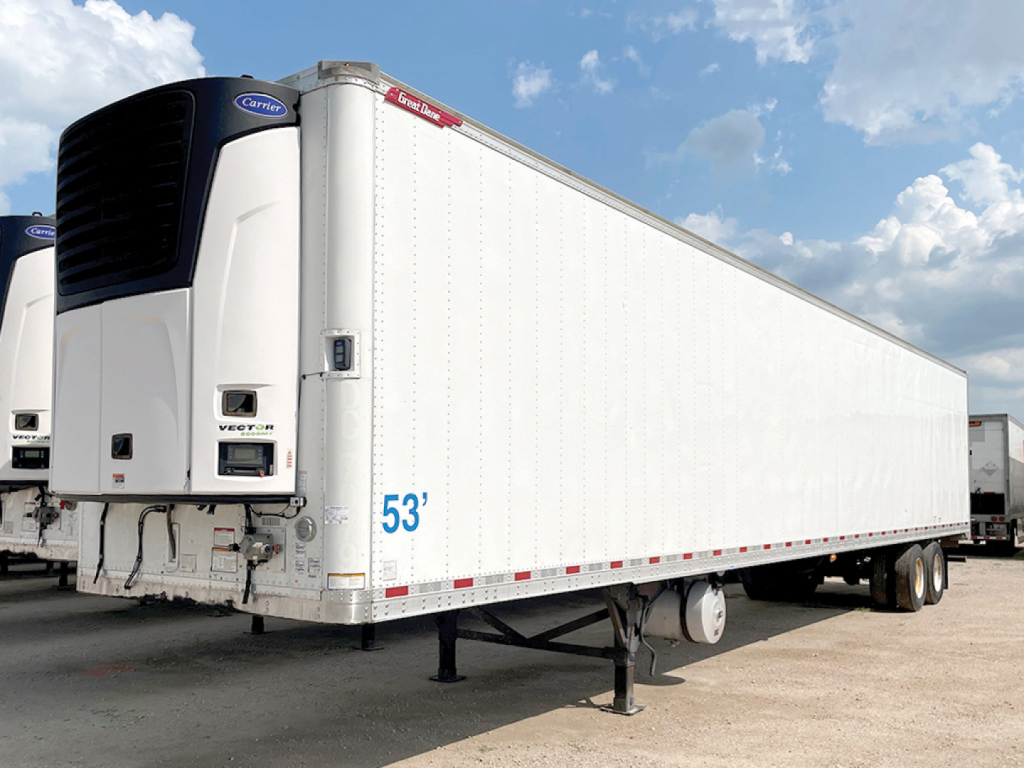
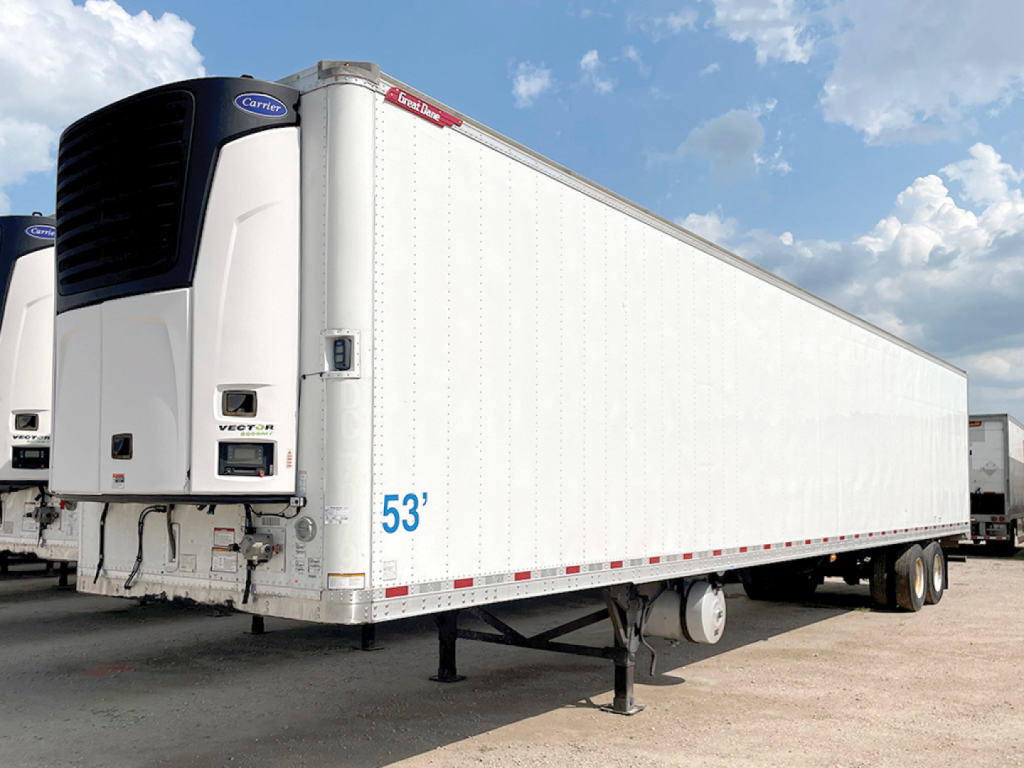
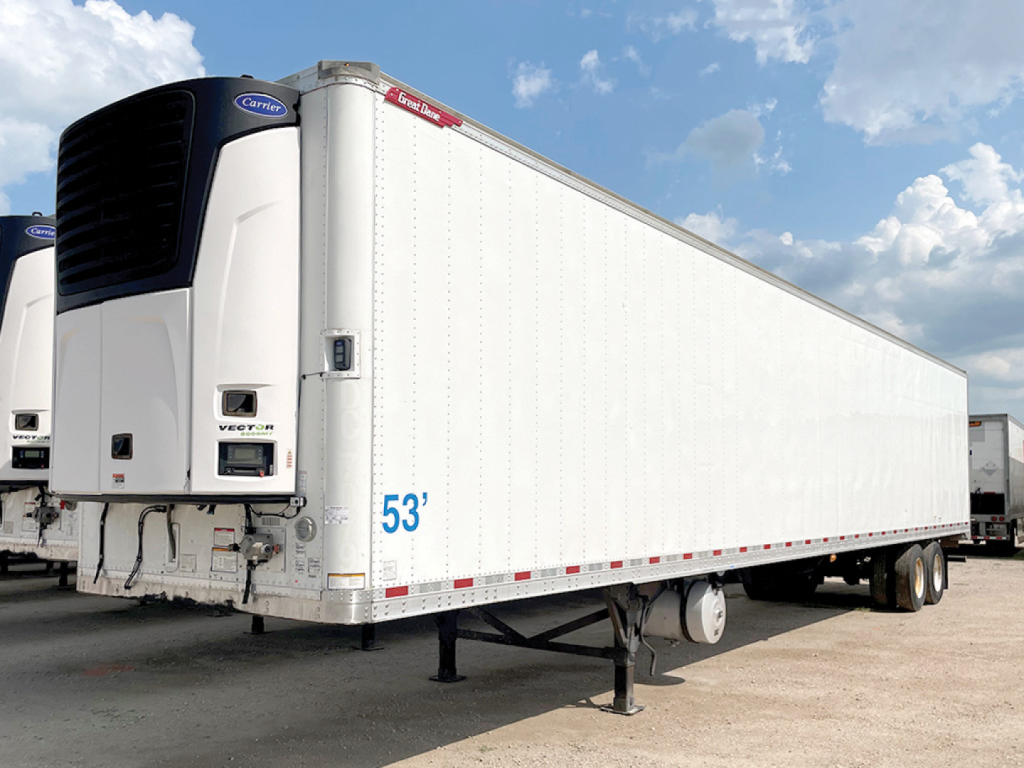
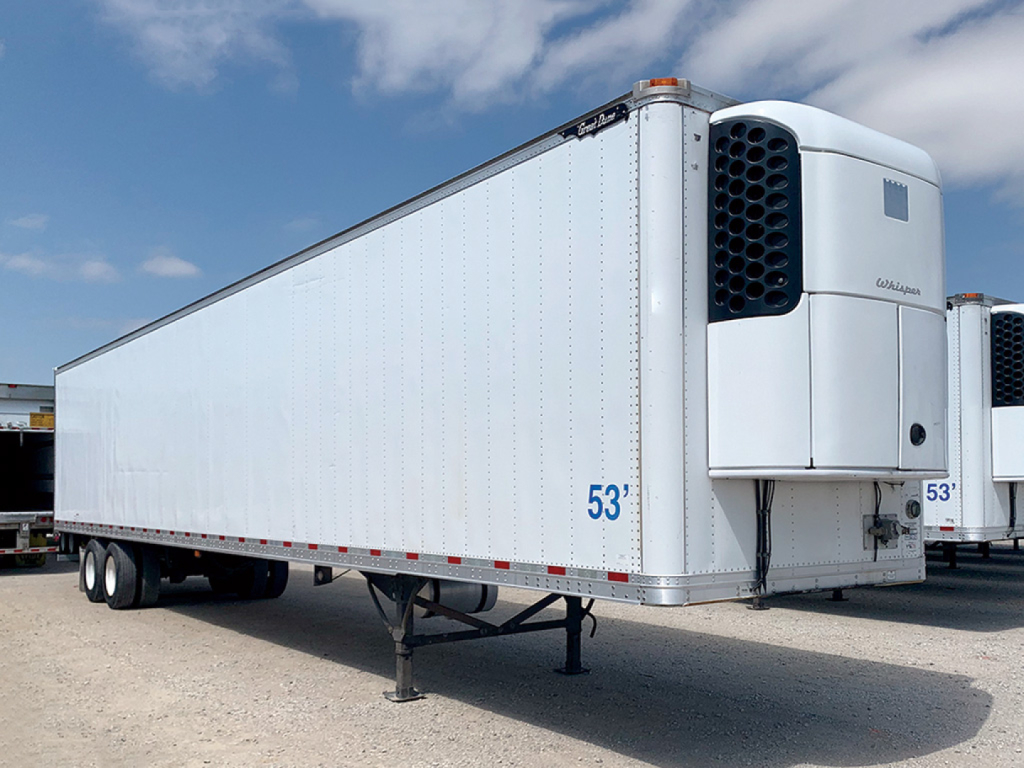
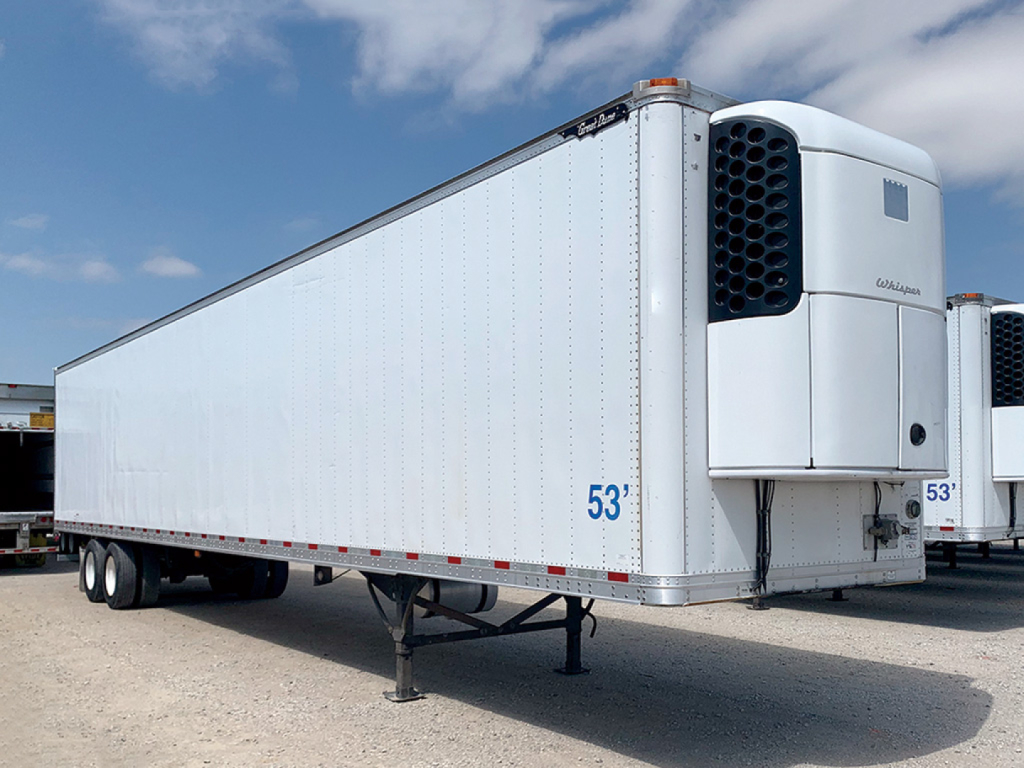
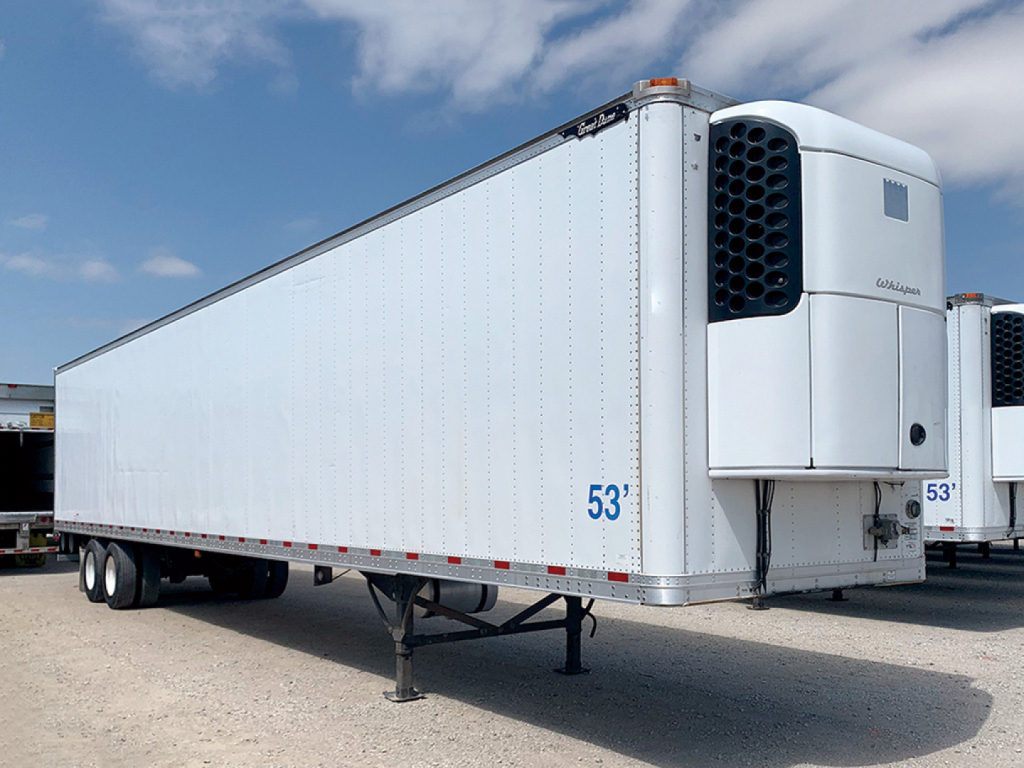

2013 Great Dane Aluminum Reefer
2013 Great Dane Aluminum Reefer
2013 Great Dane Aluminum Reefer
Showing 1 to 28 of 35 results
Selling a used great dane trailer? List your used great dane trailer for sale and reach thousands of commercial buyers.
Used Great Dane Trailers in North Carolina
On used Great Dane reefer trailers, construction details matter as much as age. Many buyers look first at the floor type, door configuration, and front wall protection. Aluminum duct floors support airflow under palletized freight, while heavy-duty floor designs can better handle repeated forklift traffic. Stainless steel fronts, door frames, and quilted rear doors help with durability in high-cycle loading environments and can reduce cosmetic and corrosion-related wear over time. Interior scuff liners or scuff plate, E-track, rear vents, and cold chutes are also important depending on whether the trailer is hauling mixed produce, frozen freight, dairy, or multi-stop route work.
The refrigeration unit is a major value driver on any used Great Dane reefer. Common setups include Carrier Vector and X4 series units or Thermo King Precedent systems, with multi-temp configurations aimed at fleets running frozen and chilled product in the same load. Buyers should verify unit hours, maintenance history, evaporator condition, download capability, and whether the trailer is set up for single-temp or multi-zone service. Suspension and running gear also affect long-term cost. Air ride is typically preferred for ride quality and cargo protection, while sliding tandems remain important for bridge law compliance and axle adjustment. Tire inflation systems, side skirts, low-profile 22.5 tires, and aluminum wheels can add operating value if they are in good condition and match the intended lane profile.
A good used Great Dane trailer should be evaluated as a freight tool, not just a box with a reefer unit. Check the condition of the floor around the door threshold, inspect the sidewalls for patching or delamination, review the rear frame and crossmember condition, and confirm that the doors seal tightly. On reefers, insulation integrity, return-air flow, and floor wear have a direct impact on temperature performance. For North Carolina buyers running regional distribution or port-connected freight, the best fit usually comes down to matching the trailer’s refrigeration package, interior setup, and suspension spec to the exact commodity mix and stop frequency.
Frequently Asked Questions about Used Great Dane Trailers in North Carolina
What are the most common specs on a used Great Dane reefer trailer?
Many used Great Dane reefer trailers are built in a 53-foot length, 102-inch width, and 13-foot 6-inch overall height. Common specs include air ride or spring suspension, sliding tandem axles, 22.5 low-profile tires, aluminum or steel wheel packages, and either swing or roll-up rear doors. On the body side, buyers often see aluminum duct floors, scuff liners, stainless steel door frames, stainless steel front protection, and options such as cold chutes, rear vents, side skirts, and tire inflation systems.
What is the difference between a Great Dane single-temp reefer and a multi-temp reefer?
A single-temp reefer is designed to hold one cargo temperature throughout the trailer, which suits full-load frozen or chilled freight. A multi-temp reefer uses compartments and additional evaporator control to maintain different temperature zones in the same trailer. That makes it more suitable for grocery and foodservice distribution with mixed products. Multi-temp capability can add versatility, but it also adds system complexity, so buyers should pay close attention to unit service records and zone performance.
What should I inspect first on a used Great Dane refrigerated trailer?
Start with the refrigeration unit hours, service history, and current operating performance. Then inspect the floor for forklift damage, the walls and roof for repairs, the rear frame for impact wear, and the doors for seal condition and alignment. On a reefer, air circulation is critical, so the duct floor, return-air path, and any cold chute components should be checked carefully. Also inspect suspension components, brakes, tire wear, and tandem slide operation because those repairs can materially affect total cost after purchase.
Are Great Dane reefer trailers a good fit for regional freight in North Carolina?
Great Dane reefers are commonly used in regional and dedicated operations across North Carolina because they are well suited to food, beverage, produce, and temperature-controlled distribution. A 53-foot reefer with sliding tandems works well for common dock layouts and highway routing throughout the state. For buyers handling frequent stops, features like durable floors, scuff protection, stainless rear hardware, and dependable refrigeration performance usually matter more than appearance alone.
How do floor type and door style affect reefer trailer performance?
Floor type affects both airflow and forklift durability. Aluminum duct floors help move air under the load, which supports even temperature control, while heavier-duty floor packages can better withstand constant pallet jack and forklift traffic. Door style matters for loading pattern and seal quality. Swing doors are common on long-haul and dock freight because they provide a wide opening and strong seal, while roll-up doors can be useful in route delivery applications where repeated door cycles and tight dock conditions are part of the job.