
Trailers For Sale in Georgia
Browse trailers for sale in Georgia, including 53-foot dry vans and utility trailers with common fleet specs for freight and regional hauling.
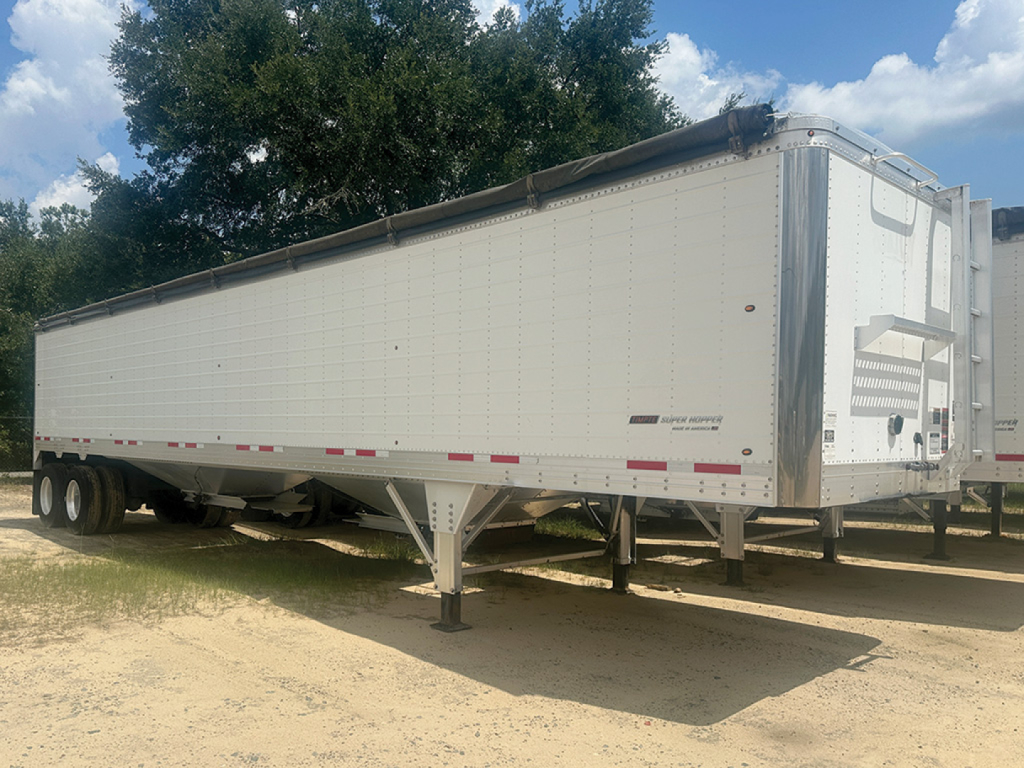
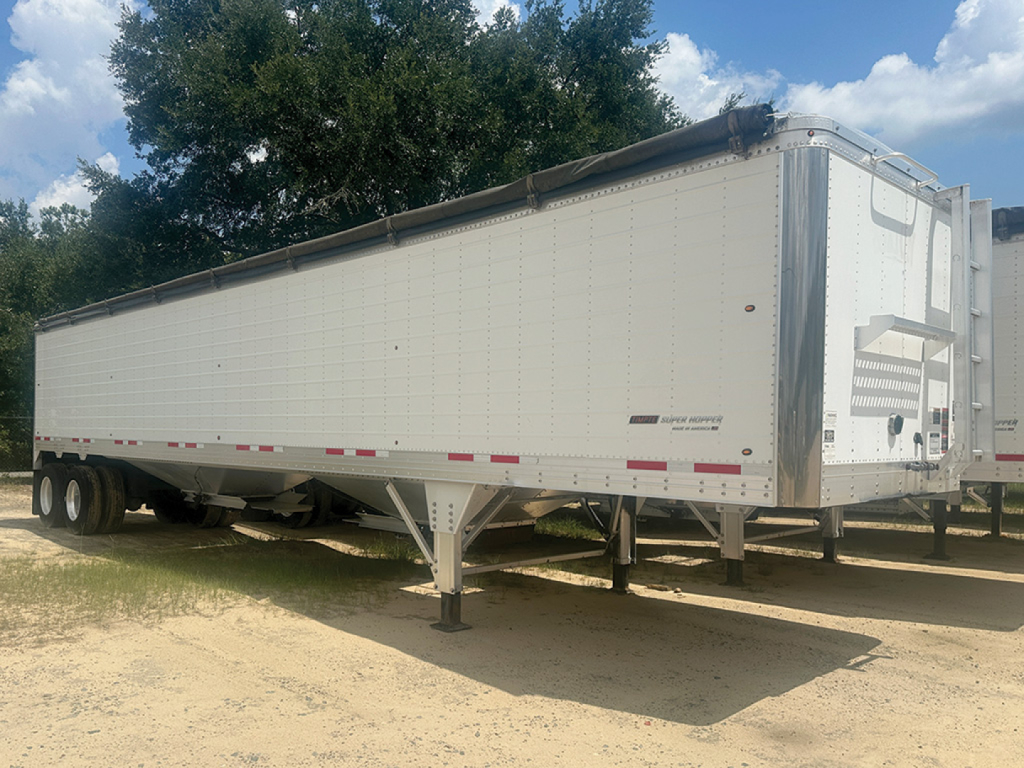
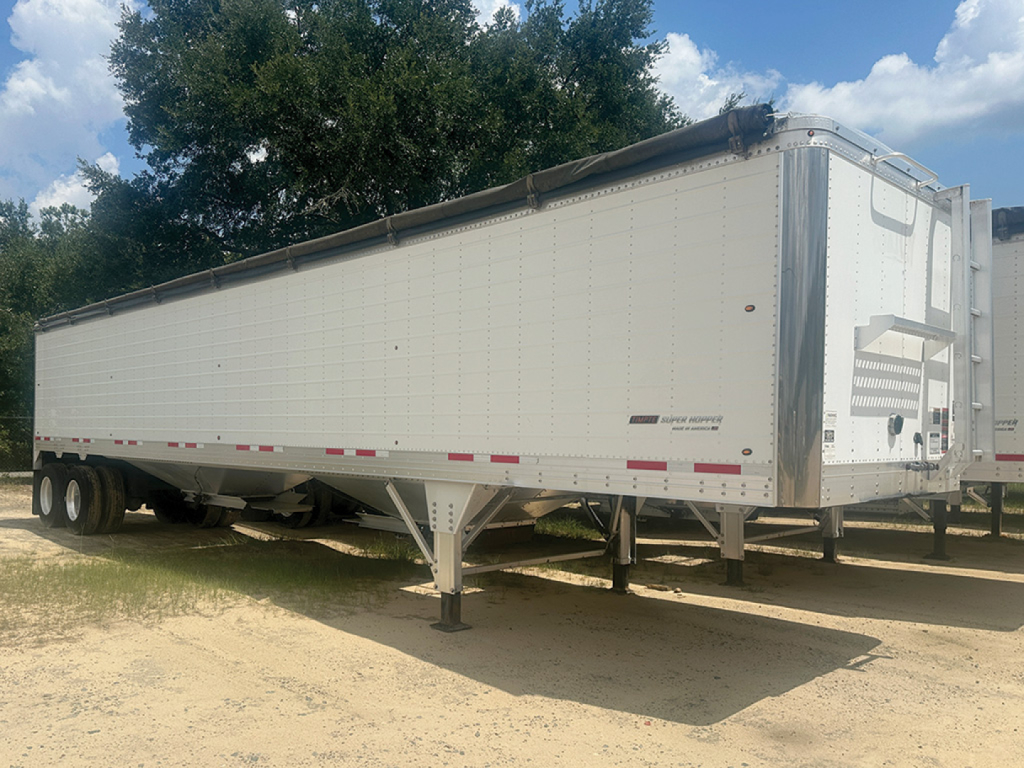
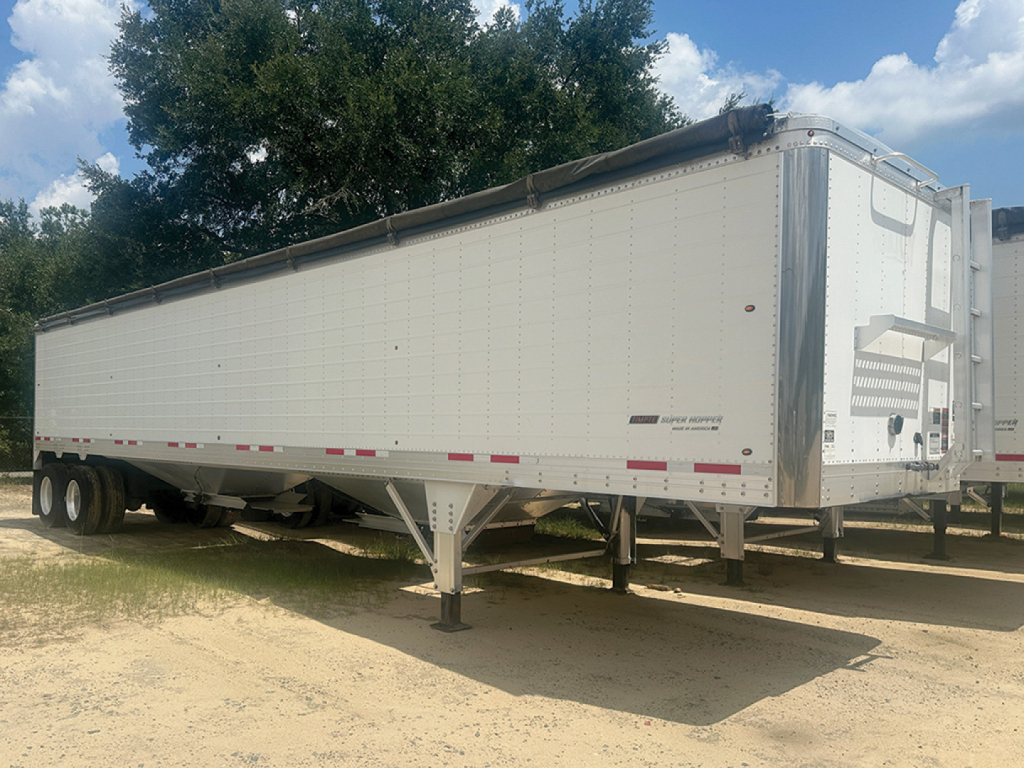
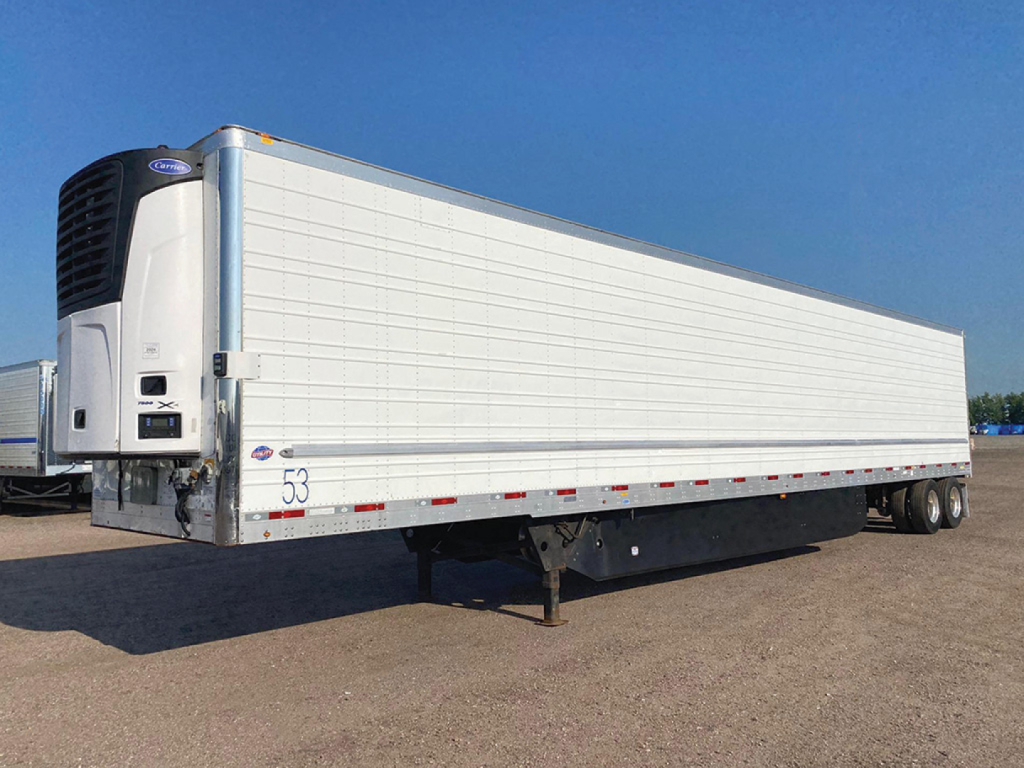
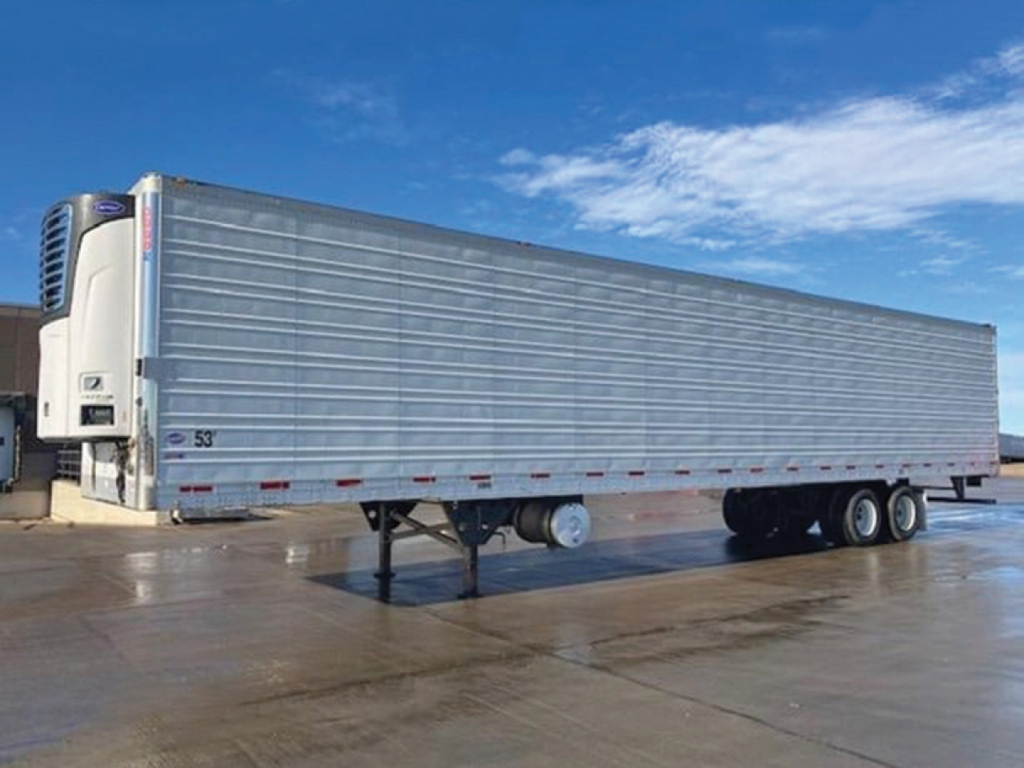
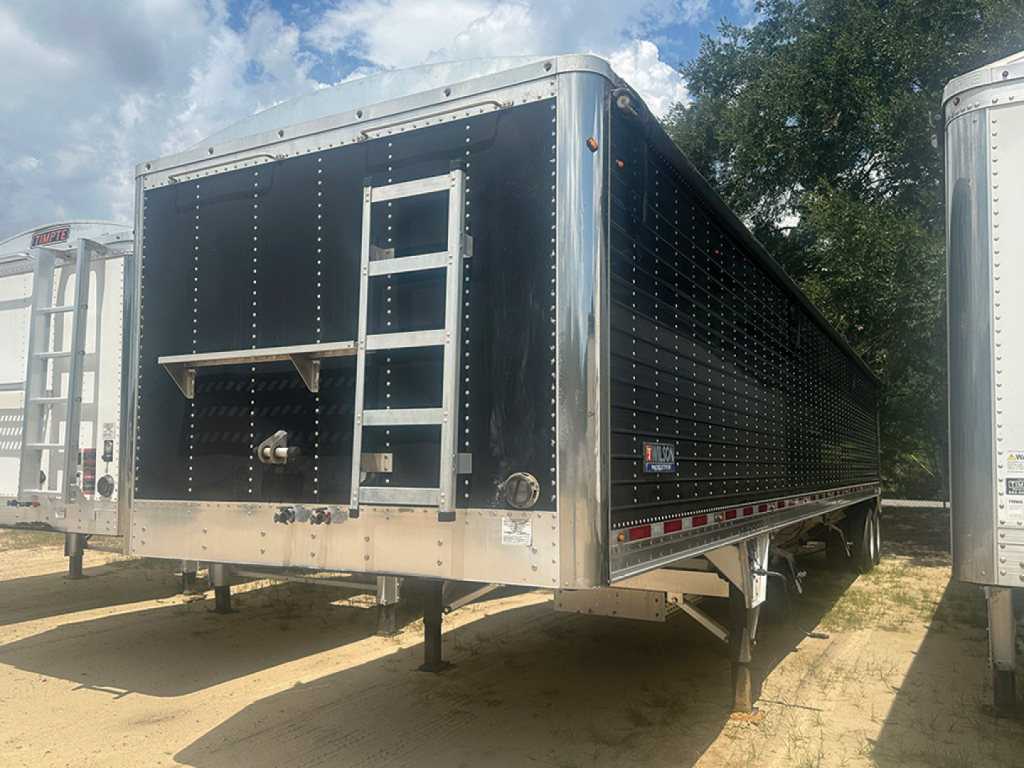
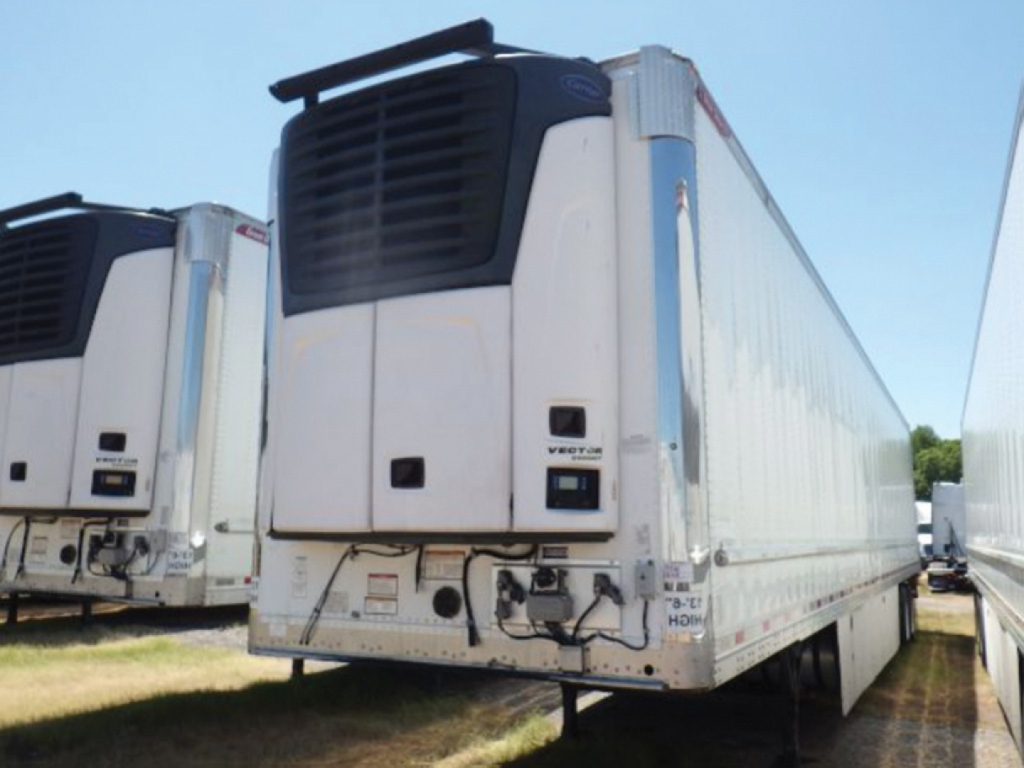
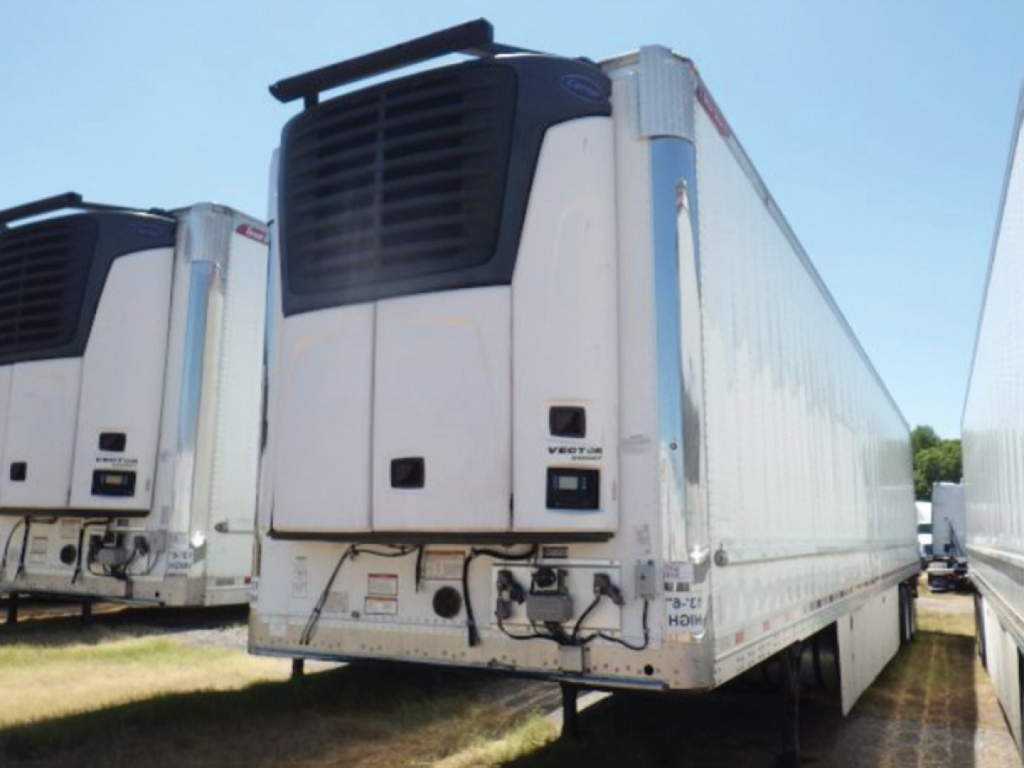
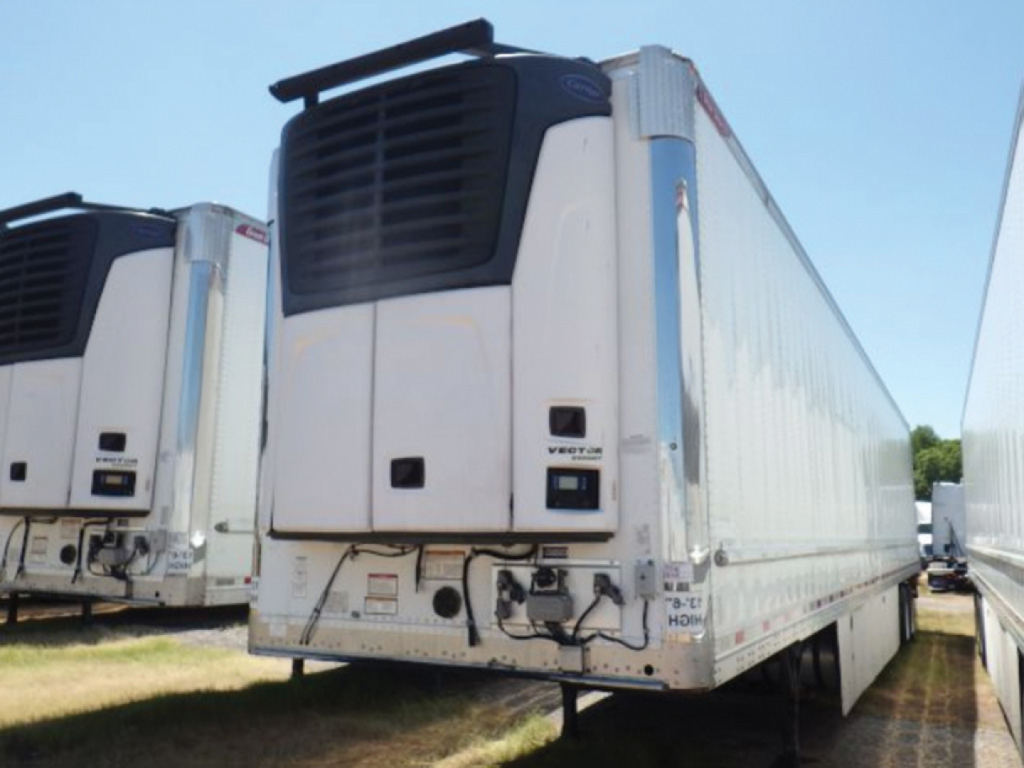
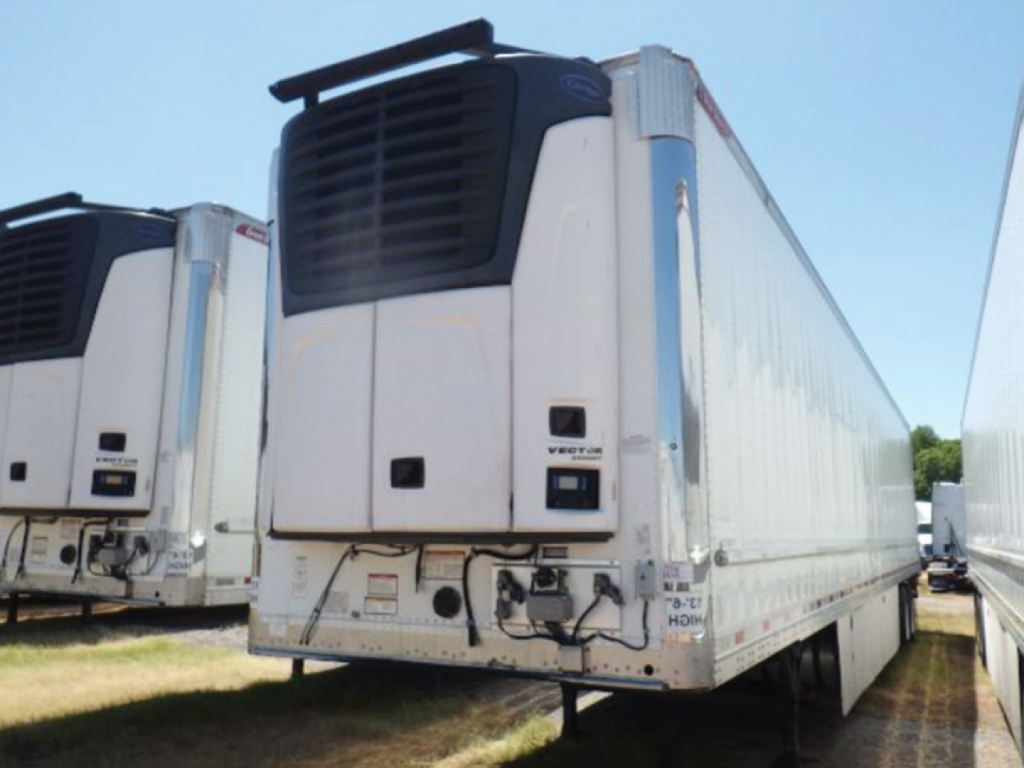
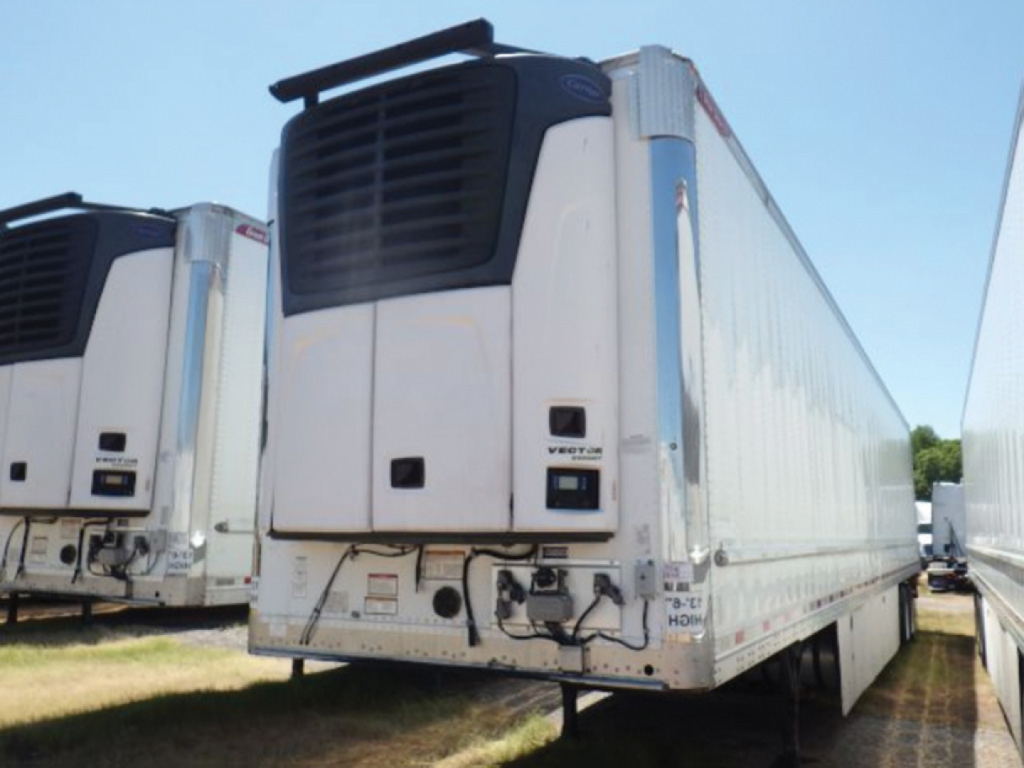
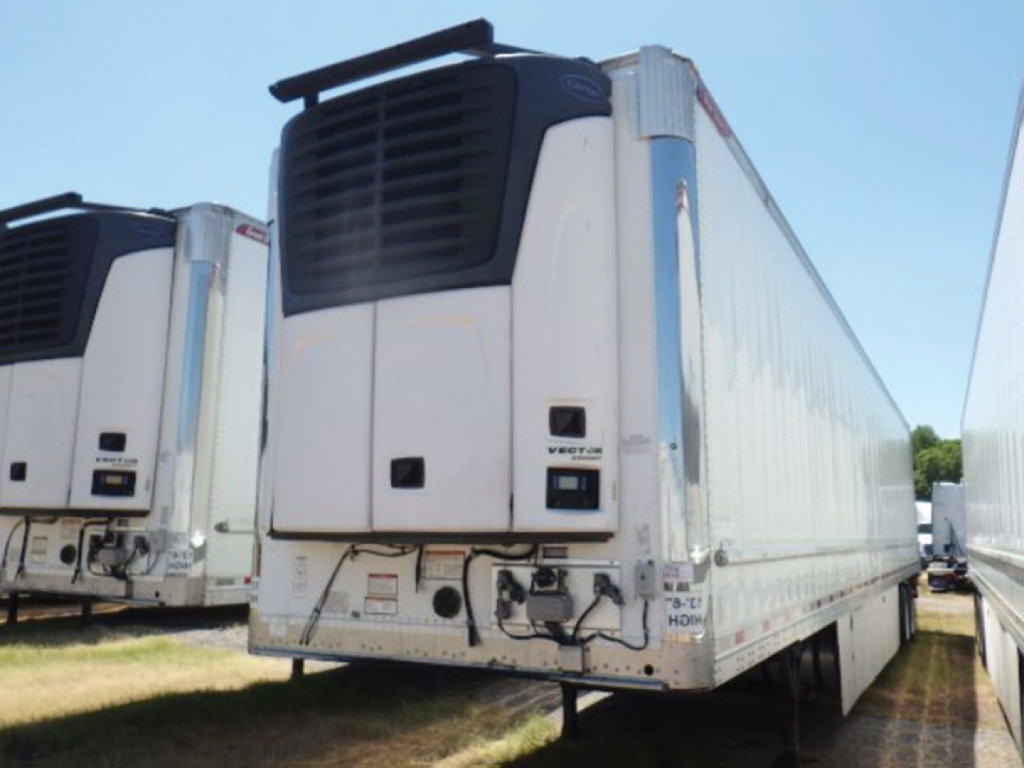
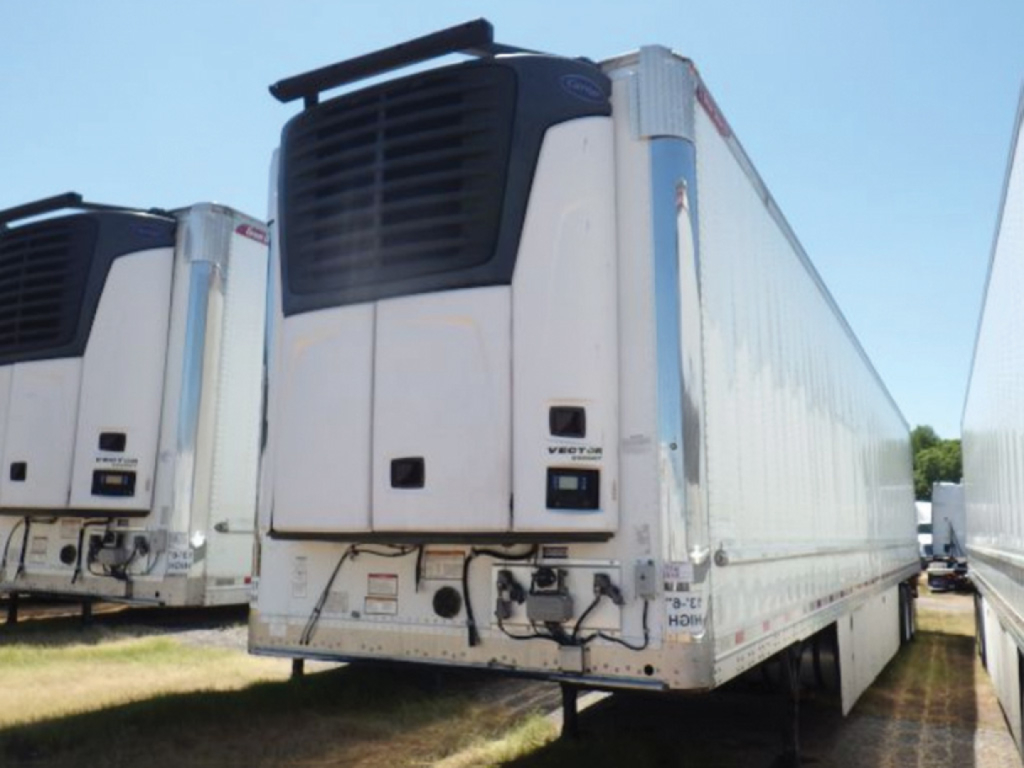
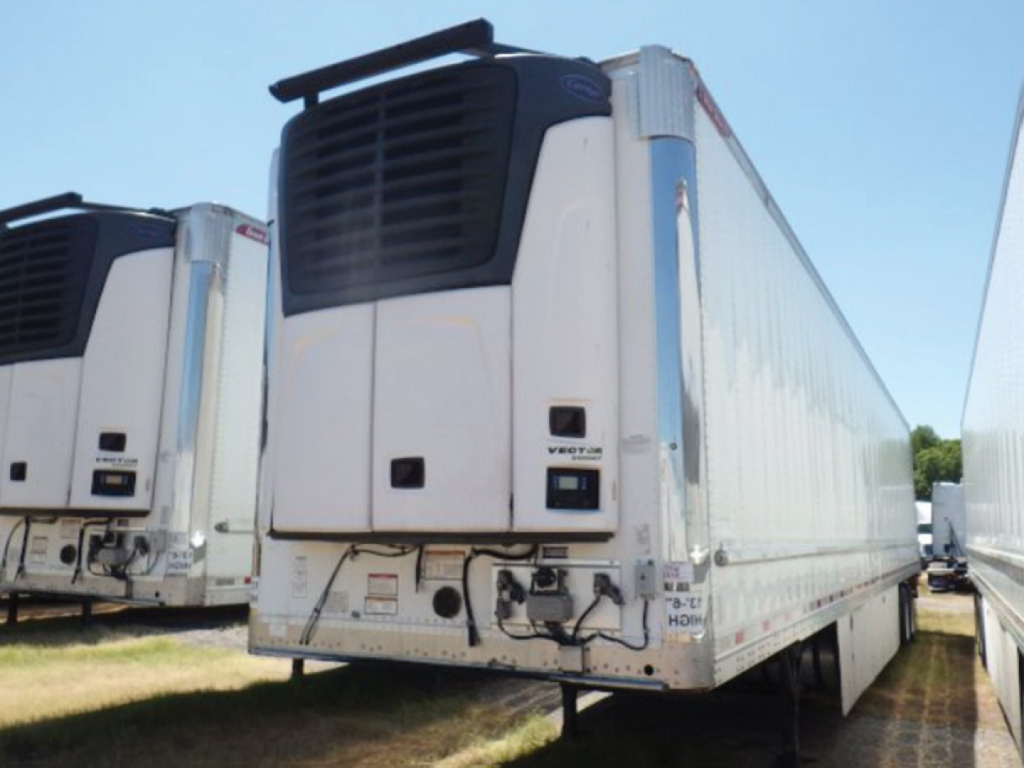
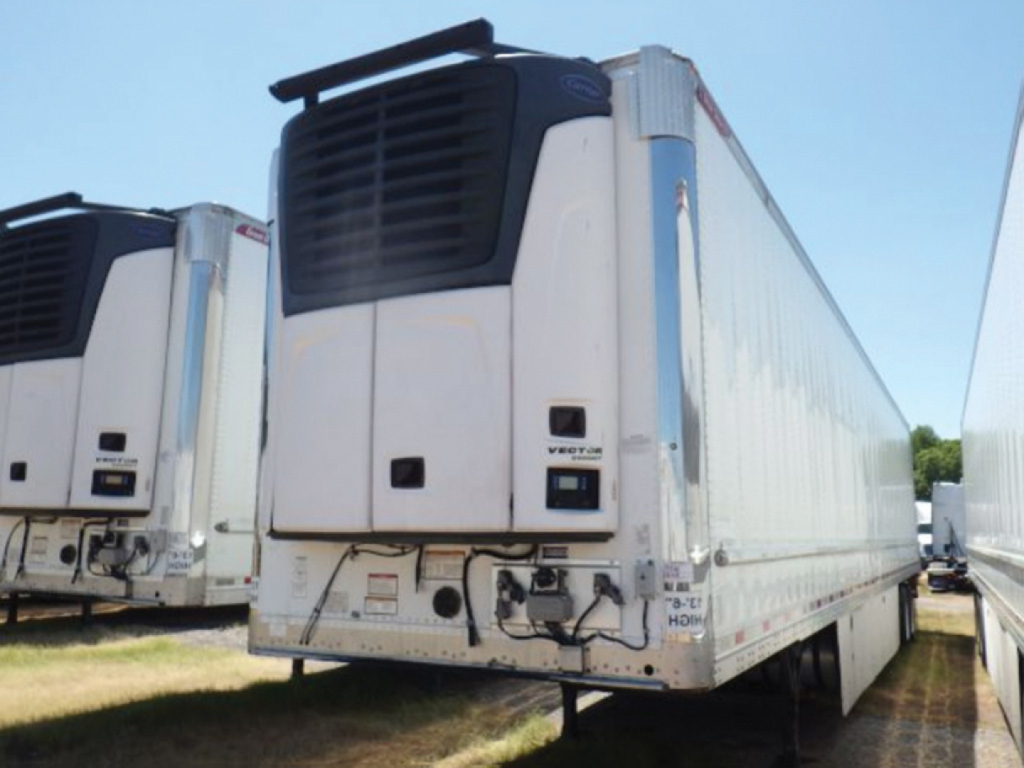
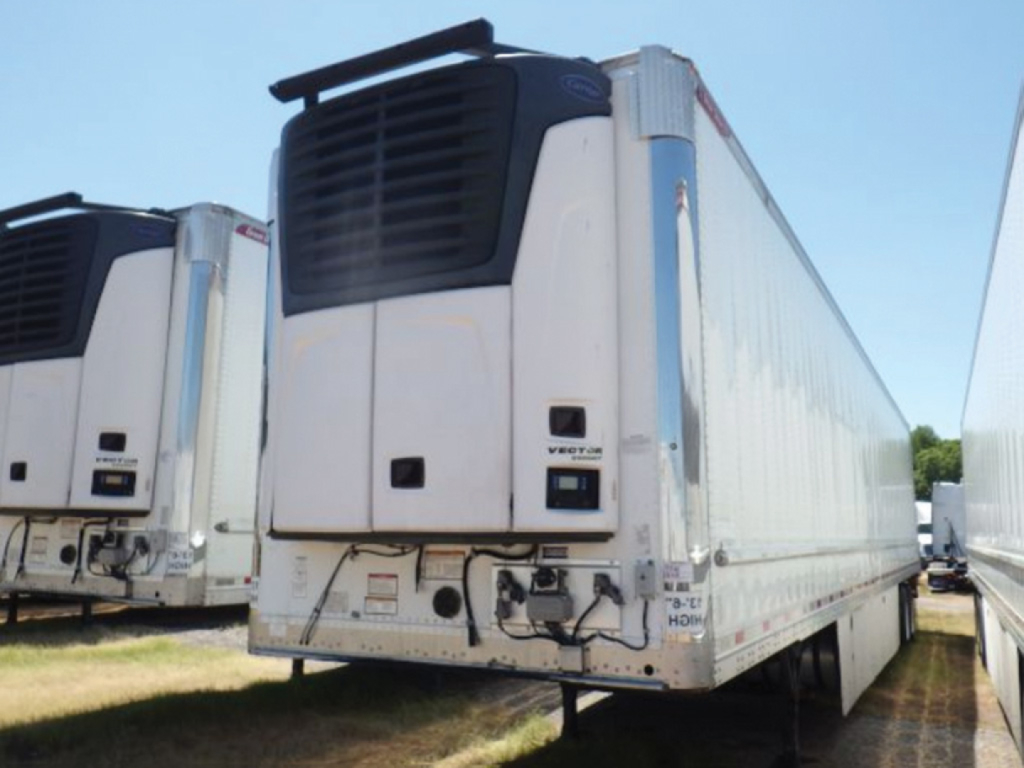
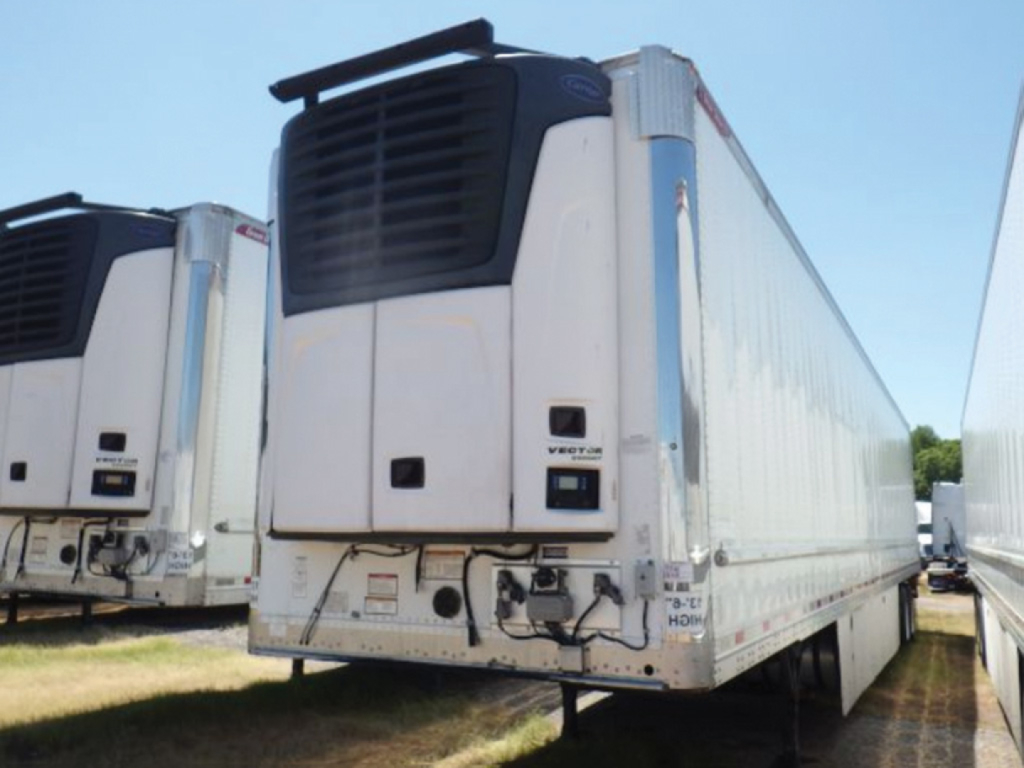
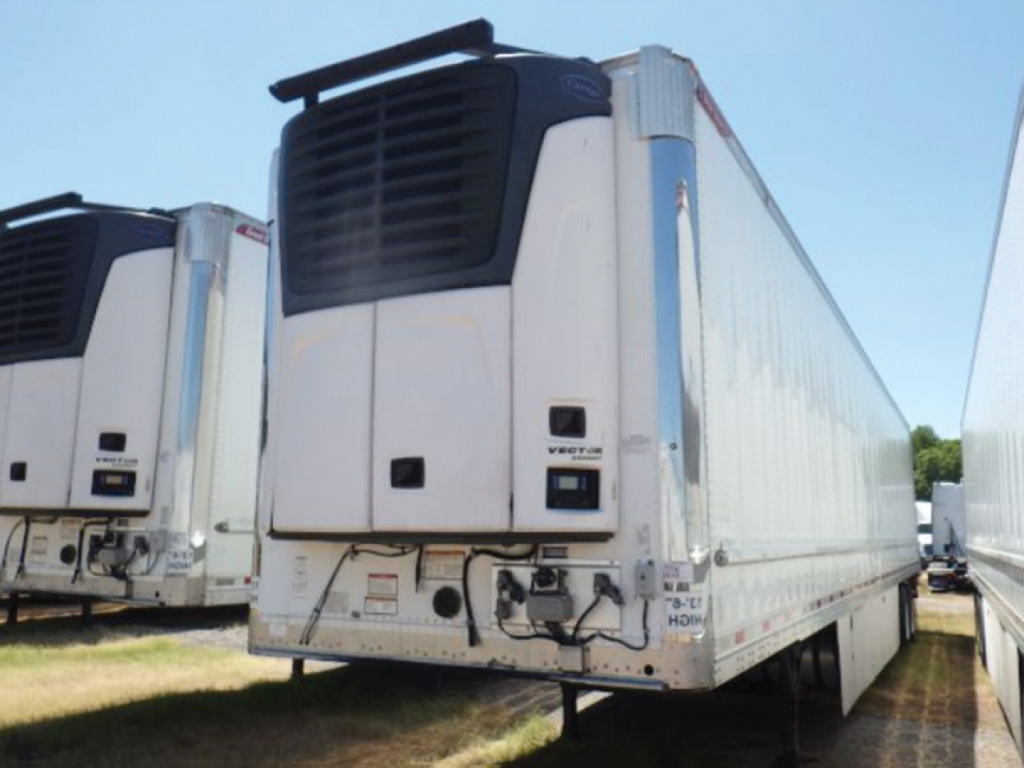
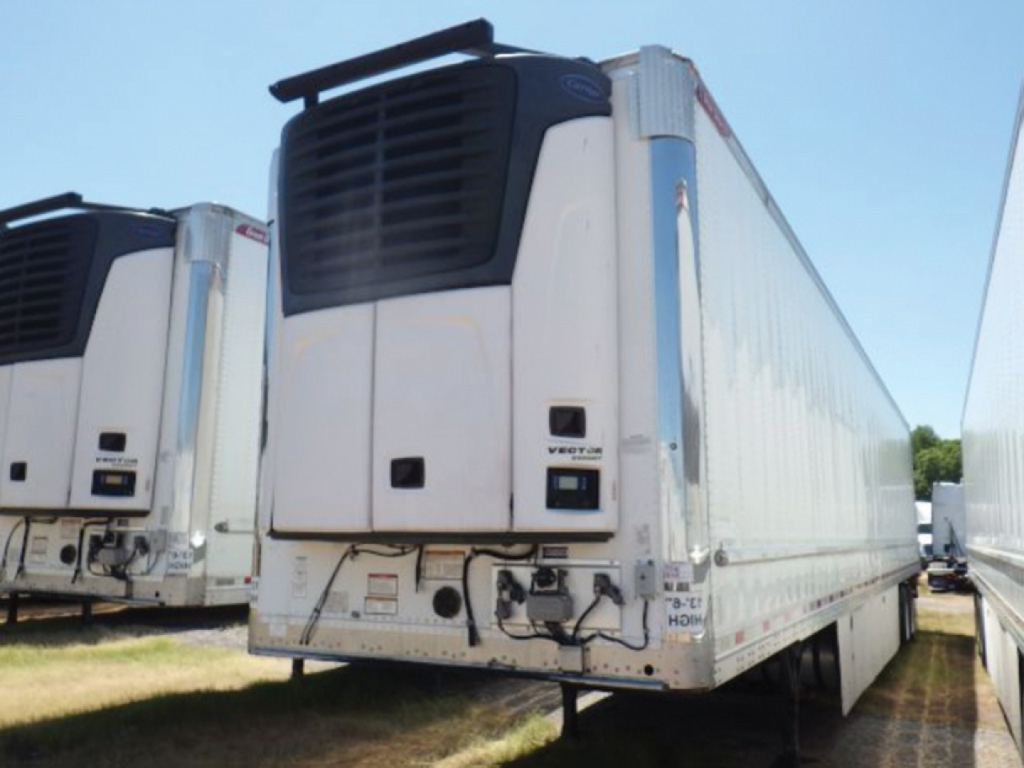
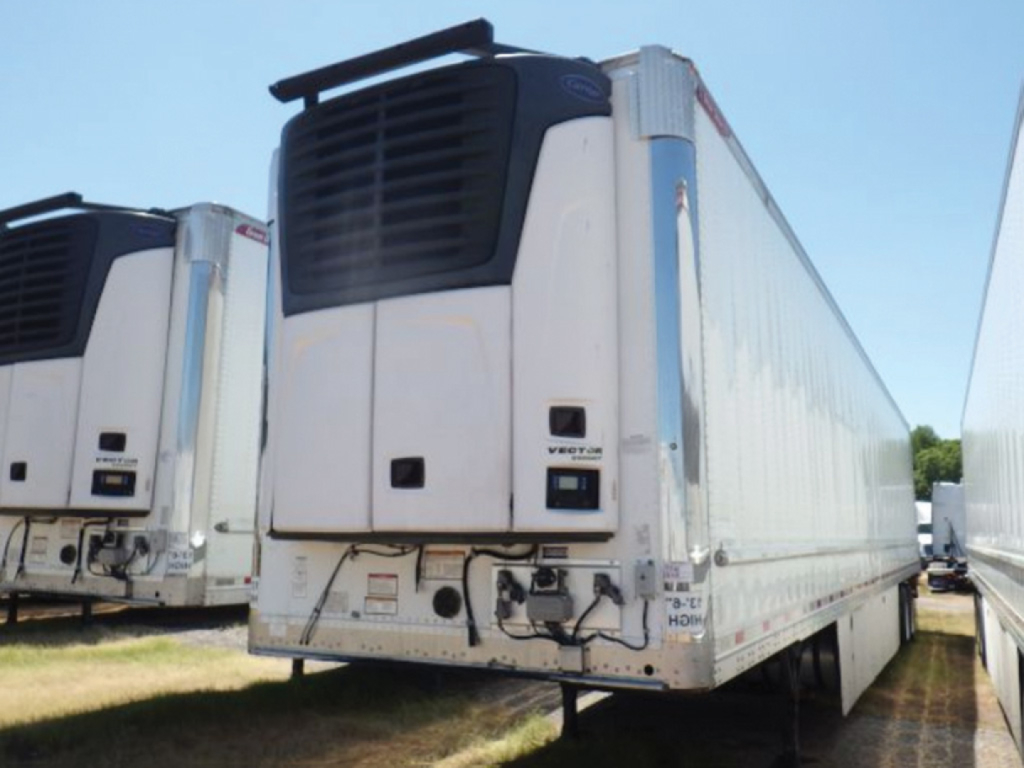
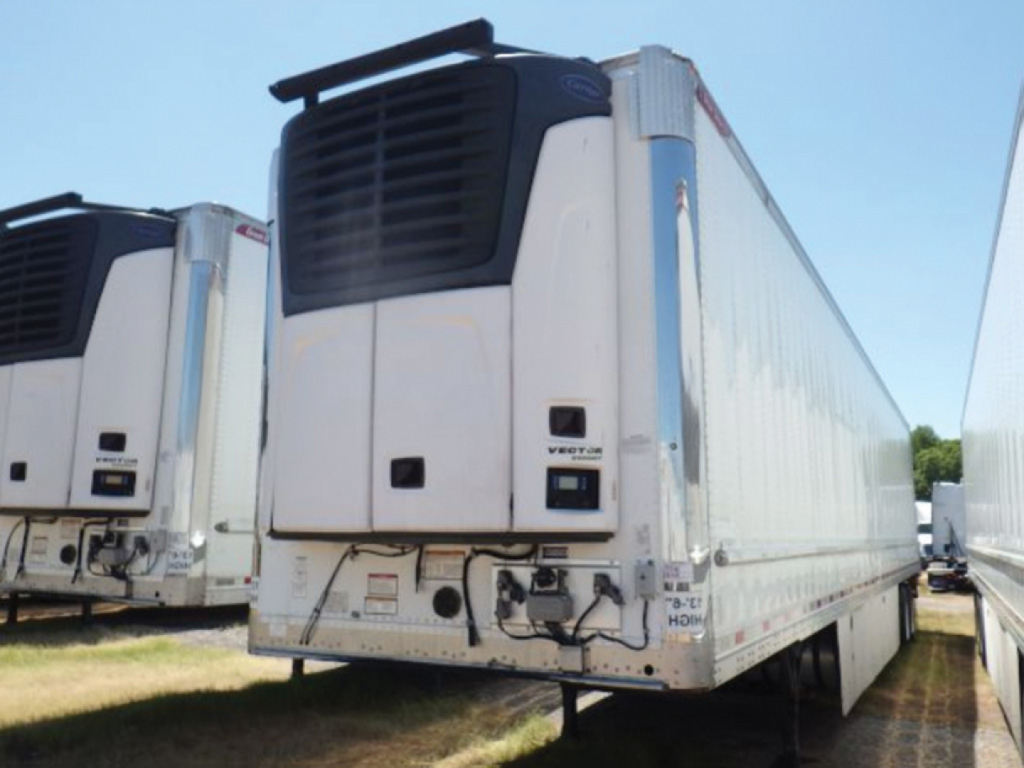
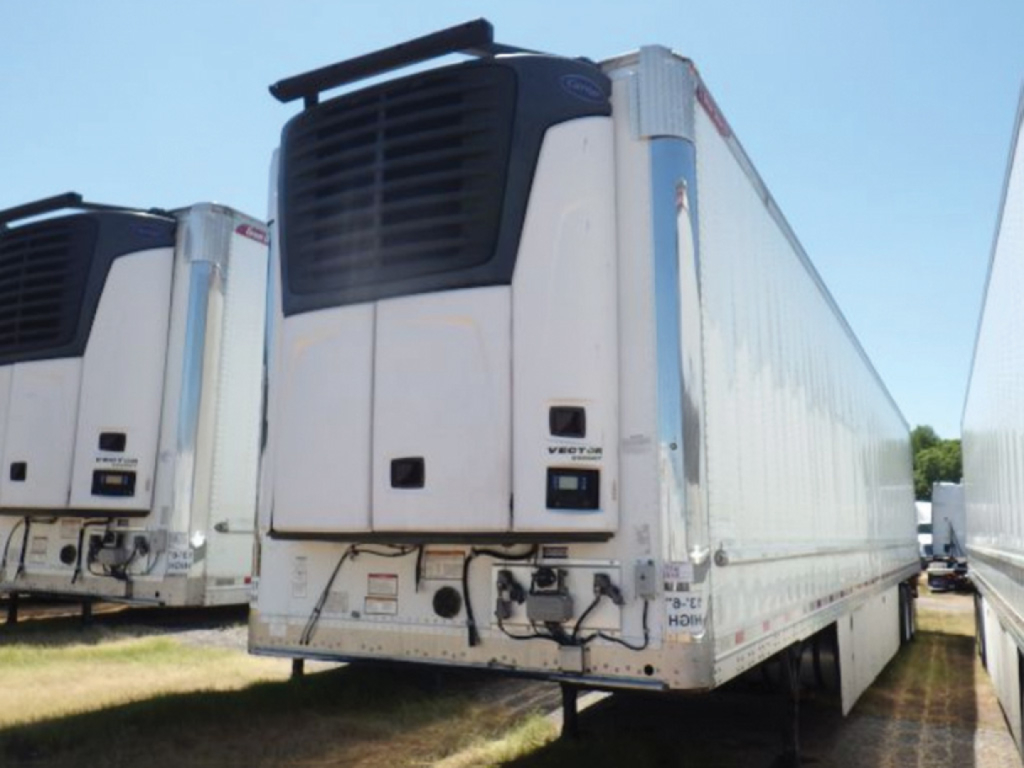
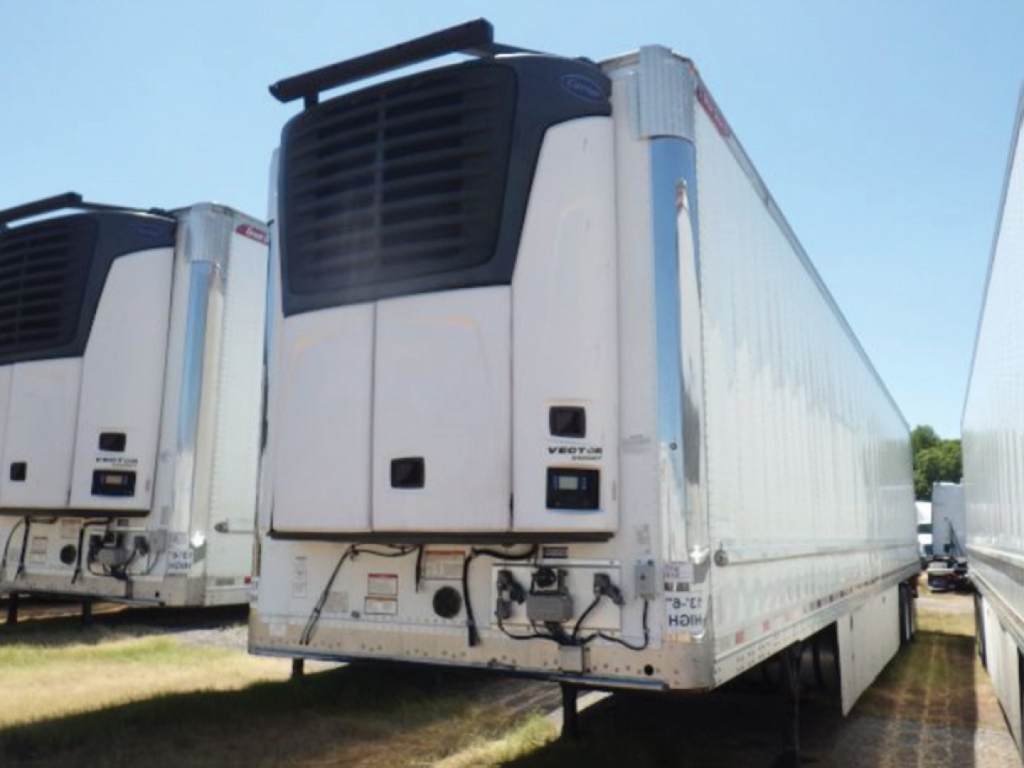
Showing 1 to 24 of 104 results
Have trailer to sell? List it here to reach thousands of buyers.
Trailers in Georgia
The core specs that matter most on a van trailer are length, width, inside height, suspension, tandem configuration, and interior lining. A typical road-spec dry van in this category is 53 feet long, 102 inches wide, and 13 feet 6 inches overall height. Many buyers also look closely at inside height if they need more cube for lightweight freight. Common features include wood floors, swing doors, threshold plates, scuff liners or scuff plates, and logistics posts for flexible cargo securement. Sliding tandems are important for bridge law compliance and dock positioning, while air ride or spring suspension can affect ride quality, maintenance profile, and cargo protection.
Construction details make a real difference in lifecycle cost. Aluminum van trailers can reduce tare weight, while composite-lined or DuraPlate-style designs can improve wall durability in high-touch freight operations. Galvanized rear door frames, aluminum scuff plates, side skirts, tire inflation systems, and disc wheels are the kinds of options that matter when the trailer is expected to stay in a fleet rotation and control downtime. Buyers in Georgia often pay attention to tire size, low-profile wheel setups, and underbody condition because regional heat, high annual mileage, and port or warehouse traffic can expose weak maintenance history quickly.
The best trailer for sale in Georgia depends on freight density, route length, and loading environment. For dock-to-dock retail and dedicated contract freight, a logistics-equipped dry van with a sound floor and clean interior is usually the priority. For higher cube operations, max cube configurations and taller inside dimensions can add value without changing the basic footprint. Buyers should inspect tandem slide operation, floor wear around forklift paths, roof condition, door seals, suspension components, brake spec, and any signs of wall damage or prior repairs. On a used trailer, those details often tell more about remaining service life than the badge on the nose.
Frequently Asked Questions about Trailers in Georgia
What are the most common trailer specs in Georgia for dry van freight?
The most common trailer setup is a 53-foot dry van with a 102-inch width and 13-foot 6-inch overall height. Many are equipped with swing doors, wood floors, logistics posts, sliding tandems, and either air ride or spring suspension. These specs fit standard dock operations and general freight lanes throughout Georgia, including metro Atlanta distribution and port-related freight moving inland from Savannah.
What should I check first on a used dry van trailer?
Start with the floor, roof, rear frame, doors, and tandem slider because those areas often show the clearest signs of real-world use. Check for soft spots or heavy forklift wear in the floor, patched roof sections, damaged door hardware, corrosion around the threshold, and slider rails that do not move smoothly. Also review brake condition, tire wear, wheel ends, suspension parts, and any signs of wall delamination or impact damage inside the box.
Is air ride or spring suspension better on a van trailer?
Air ride is generally preferred when cargo protection and ride quality matter, especially for higher-value or damage-sensitive freight. Spring suspension is simpler and can be less expensive to maintain in some operations, but it usually does not isolate freight from road shock as well as air ride. The right choice depends on commodity type, maintenance program, and how much emphasis the operation places on cargo claims versus simplicity.
Why do buyers care about inside height and max cube design?
Inside height affects how much usable cubic capacity a trailer offers, which matters for lightweight freight that cubes out before it weighs out. A max cube or taller inside-height trailer can improve load efficiency on retail, packaging, consumer goods, and other high-volume freight. Buyers should still verify dock compatibility, legal overall height, and route restrictions before prioritizing extra cube.
Are side skirts and tire inflation systems worth it on a van trailer?
They can be, especially in higher-mileage operations. Side skirts help improve aerodynamics and can support fuel-efficiency goals when the trailer spends most of its time on highway runs. Automatic tire inflation systems can reduce irregular tire wear and roadside downtime by helping maintain proper pressure. For short-haul or lower-utilization trailers, the payoff may be smaller, so the value depends on annual miles and maintenance discipline.