
Fruehauf Trailers For Sale
Shop Fruehauf trailers including flatbeds and dry vans with details on specs, construction, suspension, dimensions, and freight applications.
Learn moreBrowse Fruehauf Trailers by Category
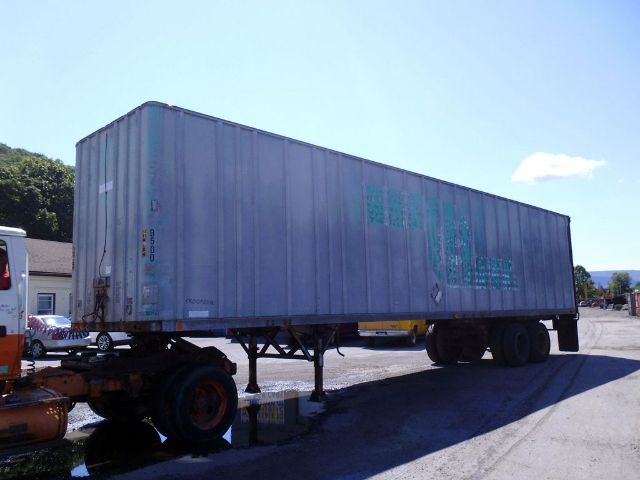
Showing 49 to 57 of 57 results
Have fruehauf trailer to sell? List it here to reach thousands of buyers.
About Fruehauf Trailers
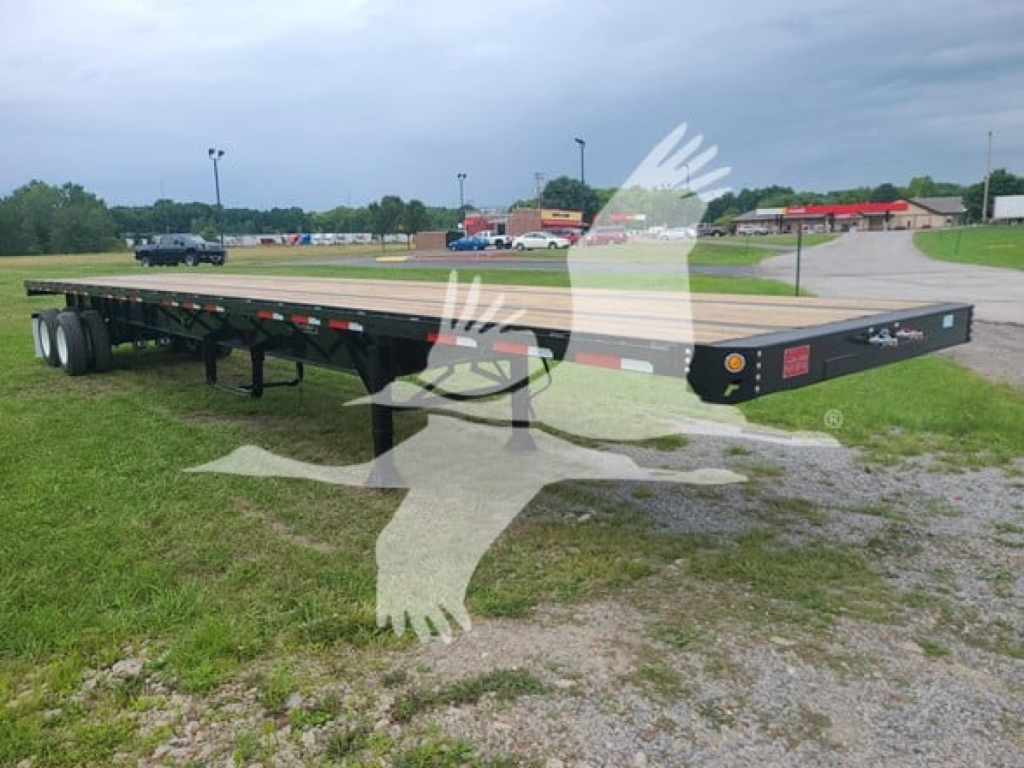
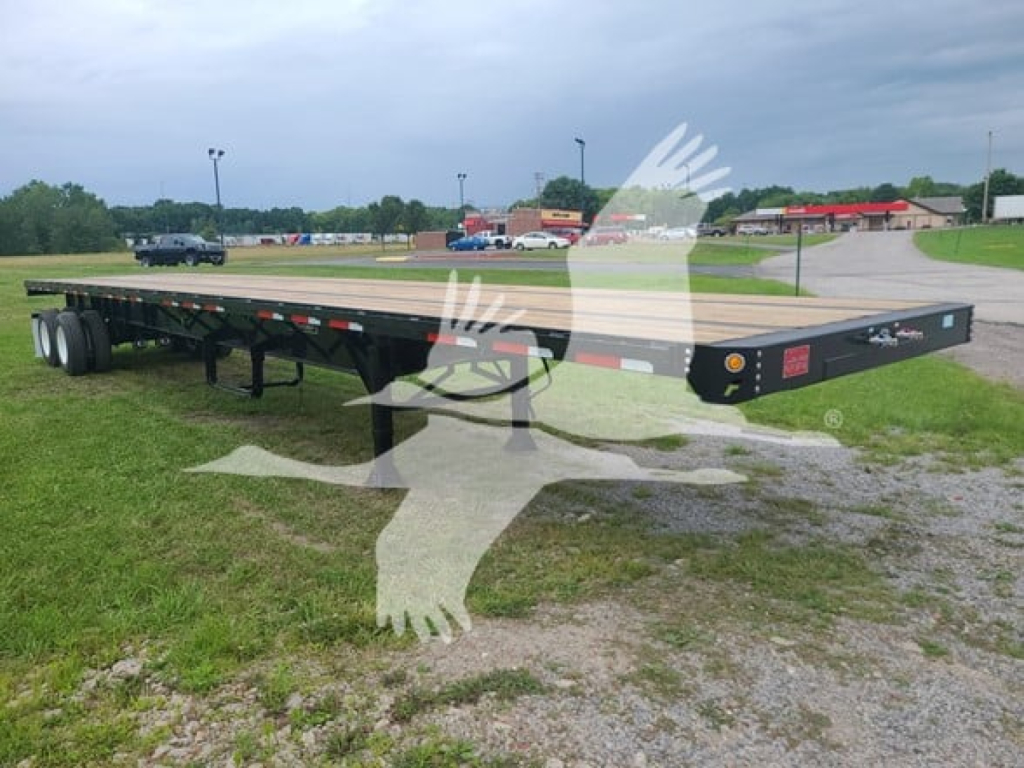
A buyer looking at Fruehauf flatbeds should pay close attention to deck structure, axle setting, and cargo securement layout. Crossmember spacing, side rail design, kingpin setting, and the presence or absence of a coil package all affect how the trailer fits your freight mix. Steel flatbeds tend to appeal to fleets that prioritize ruggedness and repairability, though tare weight should still be reviewed if payload margin matters. Spring ride slider tandems are common on these trailers and remain a practical choice for operations that value simplicity and lower maintenance complexity. Details like Jost two-speed landing gear, 295/75R22.5 tires, steel disc wheels, and high-strength steel I-beam crossmembers are worth comparing because they influence long-term durability and service costs.
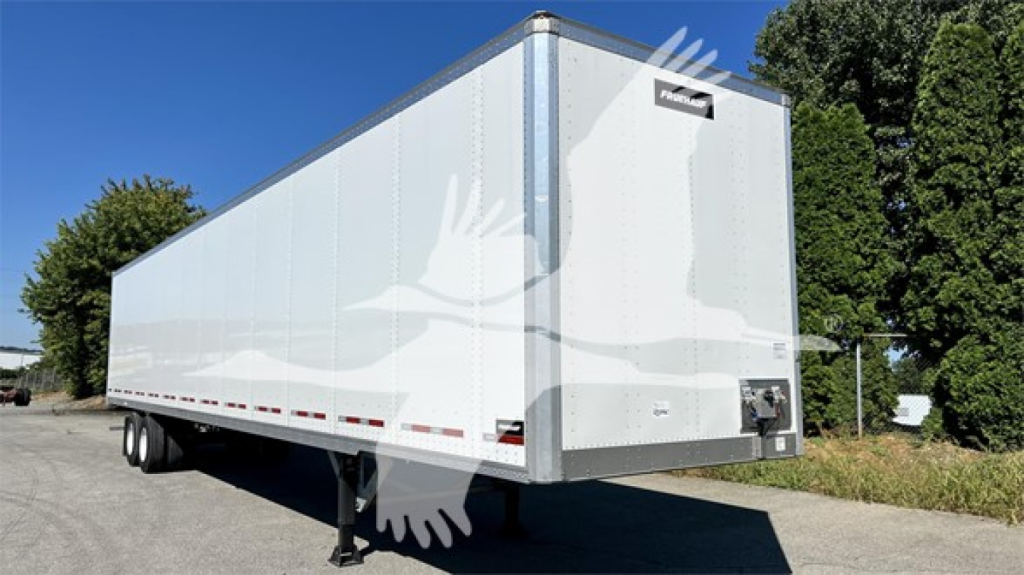
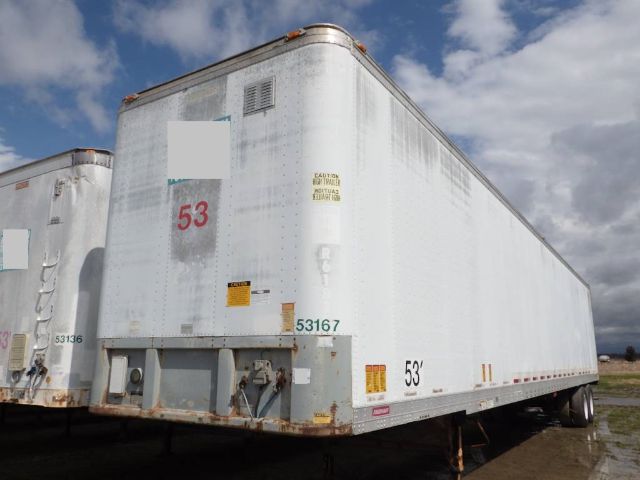
For Fruehauf dry vans, the spec sheet matters just as much as brand reputation. Plate vans may include composite or steel sidewall construction, aluminum roofs, hardwood floors, full-width threshold plates, integrated aluminum scuff liners, and logistics-ready interior posts for load bars and decking systems. Air ride suspension is a common choice for vans hauling palletized or damage-sensitive freight, and sliding tandems help with bridge law compliance and dock positioning. Buyers should also look for practical fleet features such as galvanized rear components, anti-snag roof bows, air lift front axles, and tire inflation systems. Door opening height, inside width, and inside height are all important if the trailer will handle high-cube freight or standardized shipper requirements.
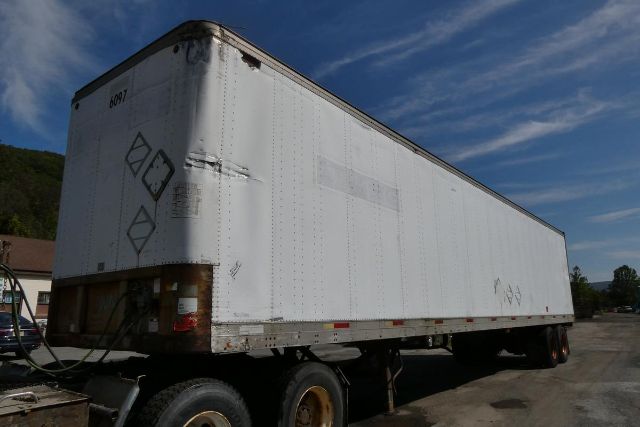
Condition should be evaluated by use pattern, not just model year. On flatbeds, inspect floor wear, winch track integrity, side rail damage, suspension bushing condition, brake life, tire match, and evidence of concentrated load stress around crossmembers. On vans, focus on floor condition at high-traffic zones, rear frame corrosion, door seal fitment, roof repairs, wall delamination, and scuff liner damage from forklift traffic. Fruehauf trailers can be a strong fit for fleets, owner-operators, and dedicated contract carriers when the trailer spec matches the lane, commodity, and maintenance program. The best buying decision usually comes down to matching trailer construction and suspension to the freight you haul every week, not just choosing by year alone.
Frequently Asked Questions
What types of Fruehauf trailers are most common on the used market?
The most common Fruehauf trailers buyers will encounter are flatbeds and dry vans. Fruehauf flatbeds are often found in 48-foot and 53-foot tandem axle configurations with steel construction, wood or Apitong floors, sliding winches, and slider suspensions. Fruehauf dry vans are commonly 53-foot plate vans with swing doors, wood floors, logistics posts, scuff liners, and air ride suspension. Availability can vary by region, but these two trailer types are the most familiar starting point for most buyers.
Are Fruehauf flatbed trailers a good choice for heavy-duty freight?
Fruehauf flatbed trailers are often chosen for heavy-duty and general construction freight because steel construction, strong side rails, and closely spaced crossmembers can hold up well in demanding service. Buyers should still verify the exact trailer rating, floor condition, crossmember spacing, and whether the trailer has a coil package or other specialized freight features. A heavier-duty flatbed can be durable and repair-friendly, but tare weight and axle configuration still need to match the freight profile and legal payload goals.
What should I check on a Fruehauf dry van before buying?
The most important dry van inspection points are floor integrity, rear frame condition, door operation, roof condition, wall damage, and suspension wear. Check the hardwood floor for forklift wear, broken boards, and soft spots near the threshold and rear entry. Inspect the galvanized rear frame and bumper for impact damage or corrosion, confirm the swing doors seal properly, and look for patched roof sections or sidewall delamination. If the van has logistics posts, scuff liners, tire inflation systems, or an air lift axle, make sure those systems are complete and functioning.
What suspension types are common on Fruehauf trailers?
Fruehauf flatbeds are often equipped with spring ride slider tandems, while Fruehauf dry vans more commonly use air ride suspension. Spring ride is valued for simplicity, durability, and lower system complexity, especially in flatbed service. Air ride is preferred in many van applications because it helps protect palletized and damage-sensitive freight while improving ride quality. The right choice depends on cargo type, maintenance preference, and the operating environment.
How important are kingpin setting and tandem slider position on a Fruehauf trailer?
Kingpin setting and tandem slider position directly affect bridge law compliance, tractor-trailer clearance, and weight distribution across axles. Common kingpin settings on highway trailers can range around 30 to 36 inches depending on the trailer type and intended application. A slider tandem gives the driver flexibility to shift axle position for legal scaling and operational fit at docks or customer locations. Buyers should confirm these dimensions work with their tractors, lane requirements, and state bridge rules before purchasing.