
Used 2006 Fontaine Trailers For Sale
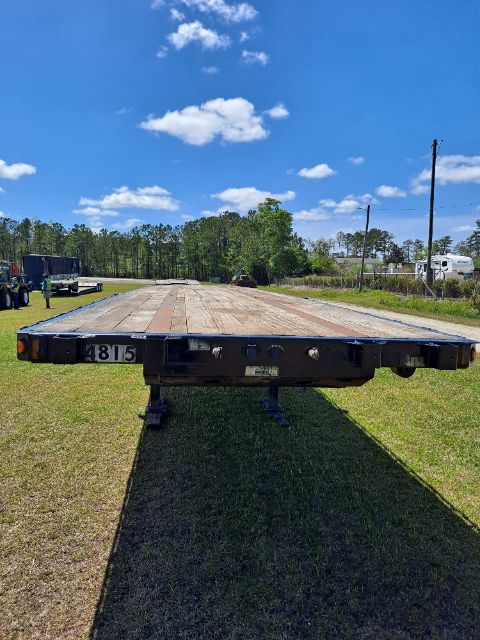
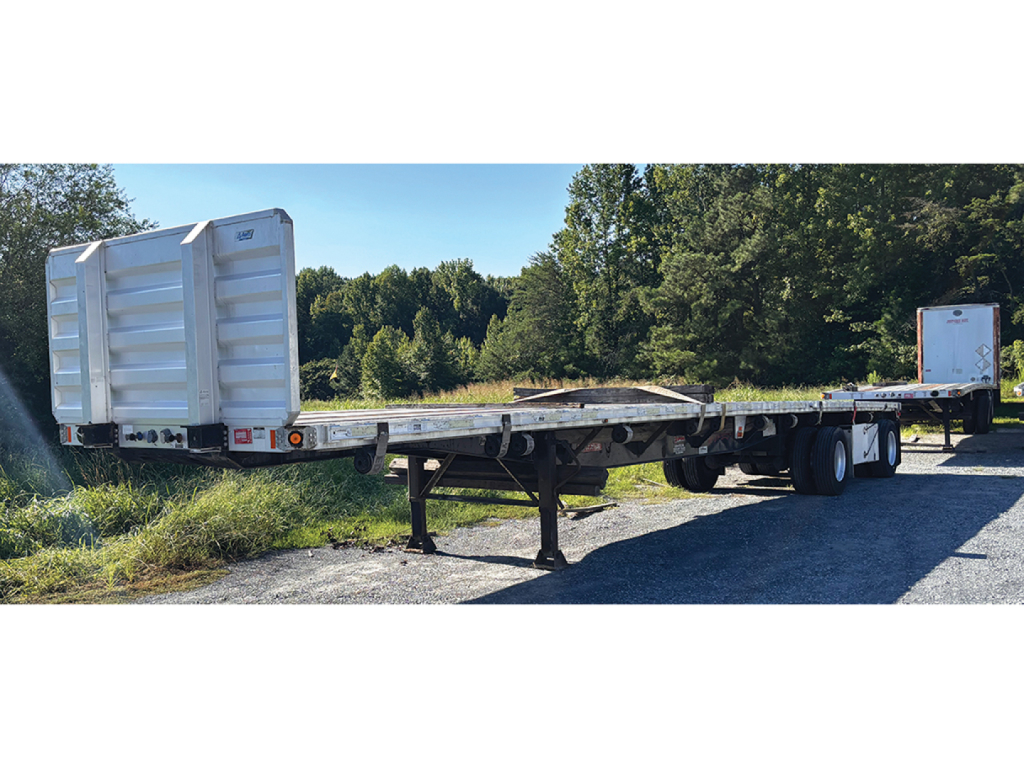
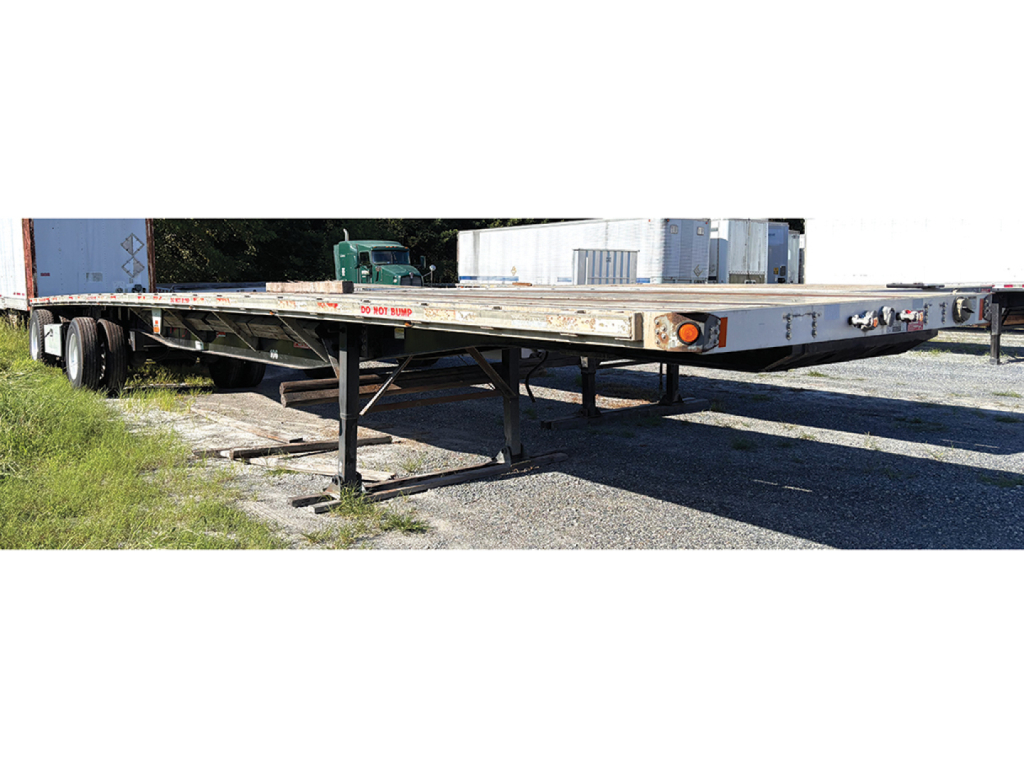
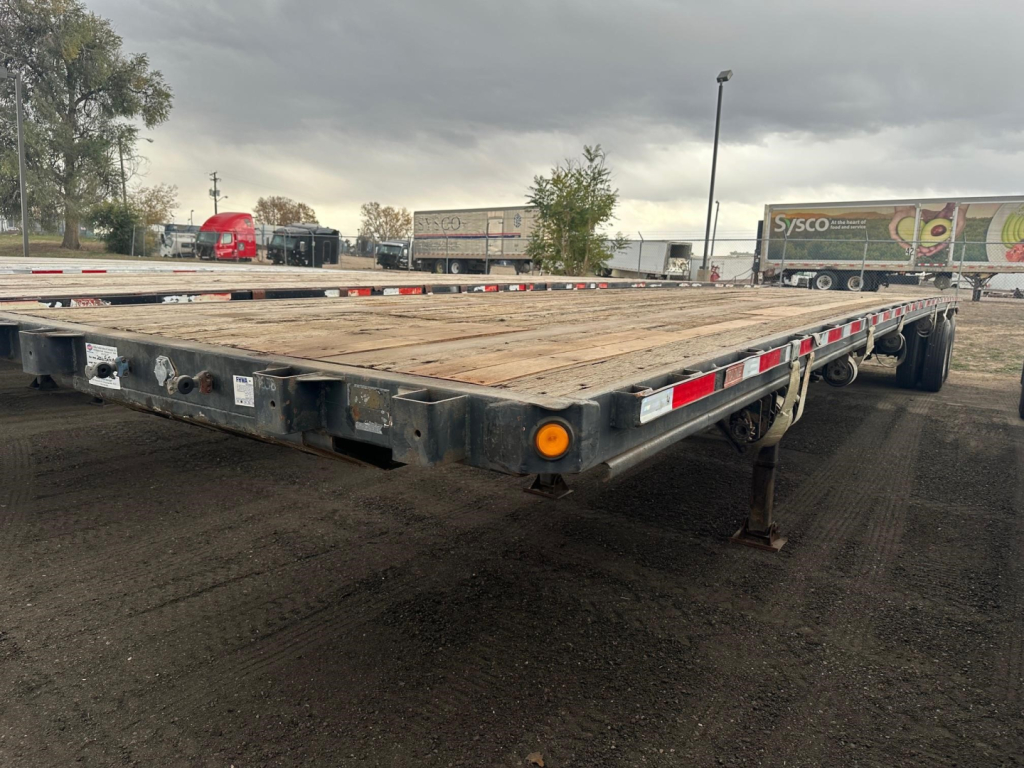
Have used 2006 fontaine trailer to sell? List it here to reach thousands of buyers.
Used 2006 Fontaine Trailers
For flatbed and step deck buyers, the most important spec decisions usually come down to length, axle configuration, deck type, and tiedown equipment. A 48-foot or 53-foot trailer with a standard 102-inch width is common, and tandem axle layouts remain the most versatile for general freight. On Fontaine platform trailers, buyers often compare aluminum versus steel main beams, apitong floor condition, crossmember spacing, winch track setup, sliding winches, and the presence of coil packages or pull-out chain ties. On drop decks, top deck length, lower deck height, axle spread, and ride height can directly affect the kinds of loads the trailer can legally and efficiently haul.
Condition on a used 2006 Fontaine trailer should be evaluated with a close eye on structural areas. Look carefully at the neck, main beam transitions, suspension hangers, crossmembers, side rails, rear frame, and landing gear mounts. Deck wear is important, especially on older trailers that may have seen concentrated forklift traffic or repeated point loading. Air ride versus spring ride also changes the buyer profile. Air ride is often preferred for higher-value or more damage-sensitive freight, while spring ride may appeal to operators who want simpler maintenance. Tire size, wheel material, kingpin setting, and sliding tandem travel should all be matched to the lanes, bridge laws, and loading practices the trailer will see.
Fontaine trailers from this era are often chosen for construction materials, machinery, steel products, palletized freight, and other open-deck applications where trailer weight and tiedown flexibility matter. If the trailer is a step deck, confirm deck height, ground clearance, and concentrated load capability before committing it to equipment hauling. If it is a flatbed, check side rail condition and winch system usability because those details affect day-to-day loading speed. A well-maintained used 2006 Fontaine trailer can still be a productive asset, but the right buy depends on matching the trailer’s structure, spec, and remaining service life to the freight you actually run.
Frequently Asked Questions about Used 2006 Fontaine Trailers
What types of trailers did Fontaine commonly build in 2006?
Fontaine was well known for open-deck trailers in 2006, especially flatbeds, drop decks, step decks, and other specialized platform configurations. Many were built in steel, aluminum, or combo designs to balance strength and tare weight. The exact configuration matters because a flatbed is better suited to standard deck freight, while a drop deck or step deck provides lower deck height for taller loads that would exceed legal height on a standard flatbed.
What should I inspect first on a used 2006 Fontaine trailer?
Start with the structural components. Inspect the main beams, gooseneck or neck area, crossmembers, suspension hangers, axle alignment, side rails, landing gear supports, and rear impact area. Then check the deck for rot, broken boards, excessive wear, or signs of repeated forklift damage. On older platform trailers, prior repairs are not unusual, so the key question is whether repairs were done correctly and whether the trailer still tracks straight and holds alignment under load.
Are 2006 Fontaine trailers typically aluminum or steel?
They can be either, and some are combo trailers that use both materials. Aluminum trailers usually offer lower empty weight and better corrosion resistance, which helps maximize payload. Steel trailers may be heavier but are often valued for durability and repair familiarity in severe-duty applications. A combo Fontaine trailer can offer a middle ground by keeping weight down while retaining steel in high-stress areas.
Is air ride better than spring ride on a used Fontaine trailer?
Air ride is generally preferred for freight that benefits from a smoother ride, including machinery, building products, and finished goods that are more prone to damage from vibration. It can also help with ride quality and load protection. Spring ride is simpler and may be less expensive to maintain, but it typically delivers a harsher ride. The better choice depends on your freight mix, maintenance practices, and how much value you place on ride quality versus simplicity.
How do I know if a used 2006 Fontaine trailer is right for my freight?
Match the trailer’s deck length, deck height, axle spread, construction type, tiedown equipment, and weight rating to the loads you haul most often. A standard flatbed works well for general freight and palletized building materials. A step deck is more useful for taller equipment or freight that needs lower loaded height. Buyers should also confirm there are enough winches, chain tie points, nail strips, and deck capacity for their securement methods and cargo profile.