
2027 Alpha Flips/Converter Dollies/Jeeps Trailers For Sale
Shop Alpha flip axles, converter dollies, and jeeps for heavy haul setups. Compare axle spacing, suspension, brakes, and load-ready specs.
Learn more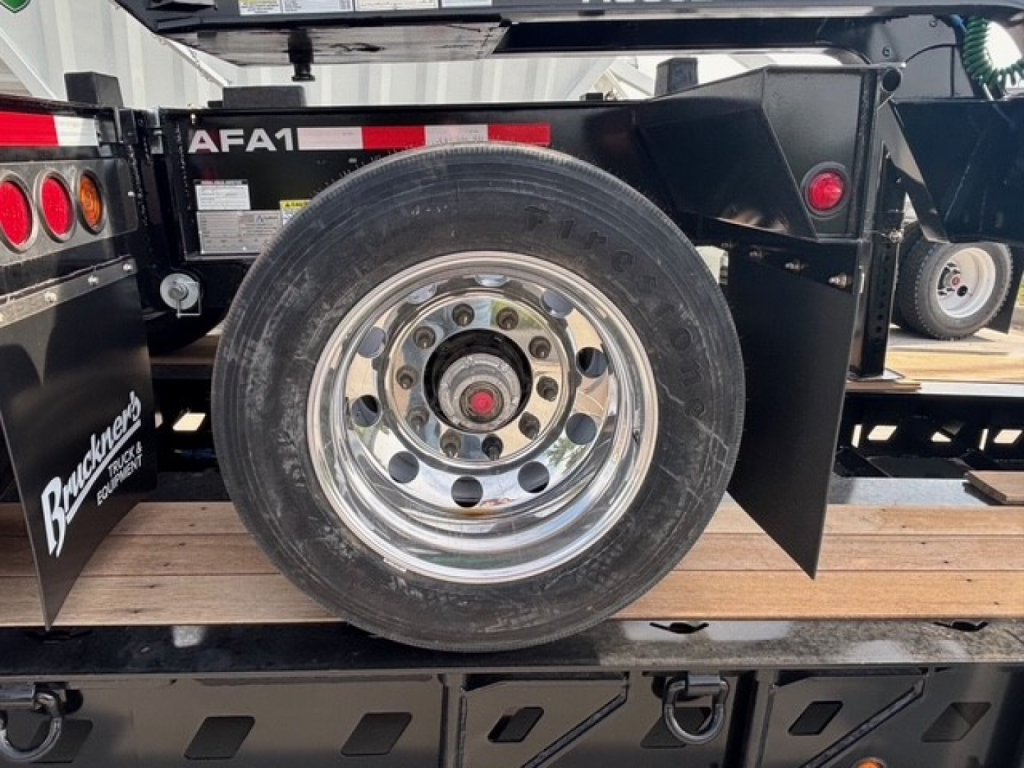
Have 2027 alpha flips/converter dollies/jeeps trailer to sell? List it here to reach thousands of buyers.
About 2027 Alpha Flips/Converter Dollies/Jeeps Trailers
Frequently Asked Questions
What is the difference between a flip axle, a jeep, and a converter dolly?
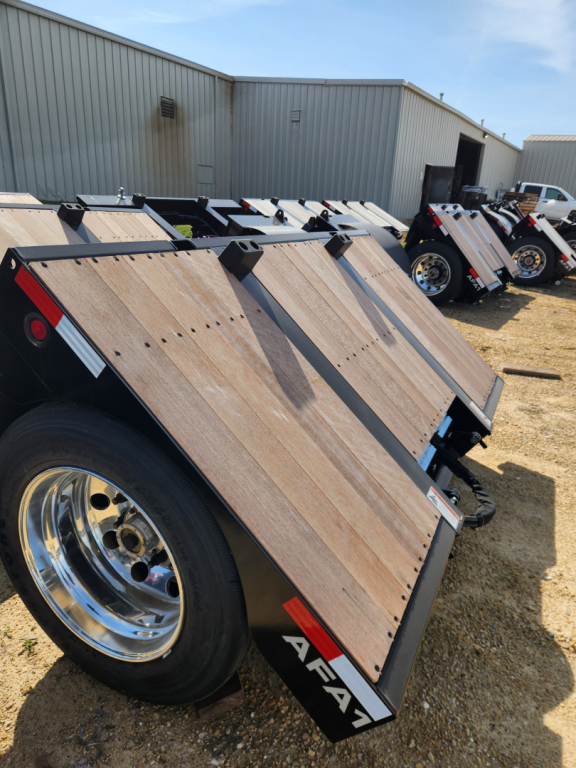
A flip axle mounts at the rear of a lowboy or specialized trailer to add carrying capacity and improve weight distribution on the back of the load. A jeep sits between the tractor and the trailer and adds one or more axles ahead of the trailer deck to help manage kingpin and steer axle weight. A converter dolly is a separate axle assembly with a drawbar used to connect trailers in certain combinations. All three affect bridge law compliance, turning characteristics, and permitted gross weight, but they serve different positions in the overall configuration.
What specs matter most when buying a flip axle or heavy haul dolly setup?
The most important specs are axle rating, axle spacing, suspension type, brake package, tire size, and connection hardware. Many buyers in this category focus on common heavy haul configurations such as 25,000 lb axles, air ride suspension, 16.5 x 7 drum brakes, and 255/70R22.5 tires. Axle spacing, such as roughly 54.5 inches or 60 inches, matters because it changes bridge measurement and permit flexibility. You also want to confirm compatibility with your trailer neck, rear frame, linkage, pins, and shim arrangement before purchase.
Why does axle spacing matter on a flip axle or jeep?
Axle spacing directly affects how the load is measured for bridge formula compliance and state permit approval. A small change in spacing can alter allowable weight on the axle group and may determine whether a configuration works in a specific jurisdiction. Buyers running multi-state heavy haul should match the spacing to the permit profile they use most often, not just the trailer it attaches to. Proper spacing also influences maneuverability, tail swing, and how the suspension carries the load on uneven surfaces.
Are air ride suspension and drum brakes common on this type of equipment?
Yes. Air ride suspension is common on flips, jeeps, and related heavy haul axle assemblies because it helps manage ride quality, load equalization, and deck height control. Drum brakes such as 16.5 x 7 setups remain standard across much of the heavy haul market because they are widely supported and familiar to service departments. Buyers should still check brake chamber setup, slack adjusters, ABS requirements if applicable, and how the brake system integrates with the trailer and tractor plumbing.
What supporting features are useful on a flip axle for oversized load work?
Useful support features include flag holders, stake pockets for wide load signs, D-rings, sealed wiring harnesses, LED lighting, strobe light provisions, limit chains, and leveling valve controls. These details matter in daily use because oversize work depends on quick setup, dependable lighting, and secure attachment points. Hardware such as connection pins, top links, booster brackets, and shims is also important because missing or mismatched components can delay hookup and create fitment problems between the axle assembly and the trailer.