
Used Flatbed Trailers For Sale in Kansas
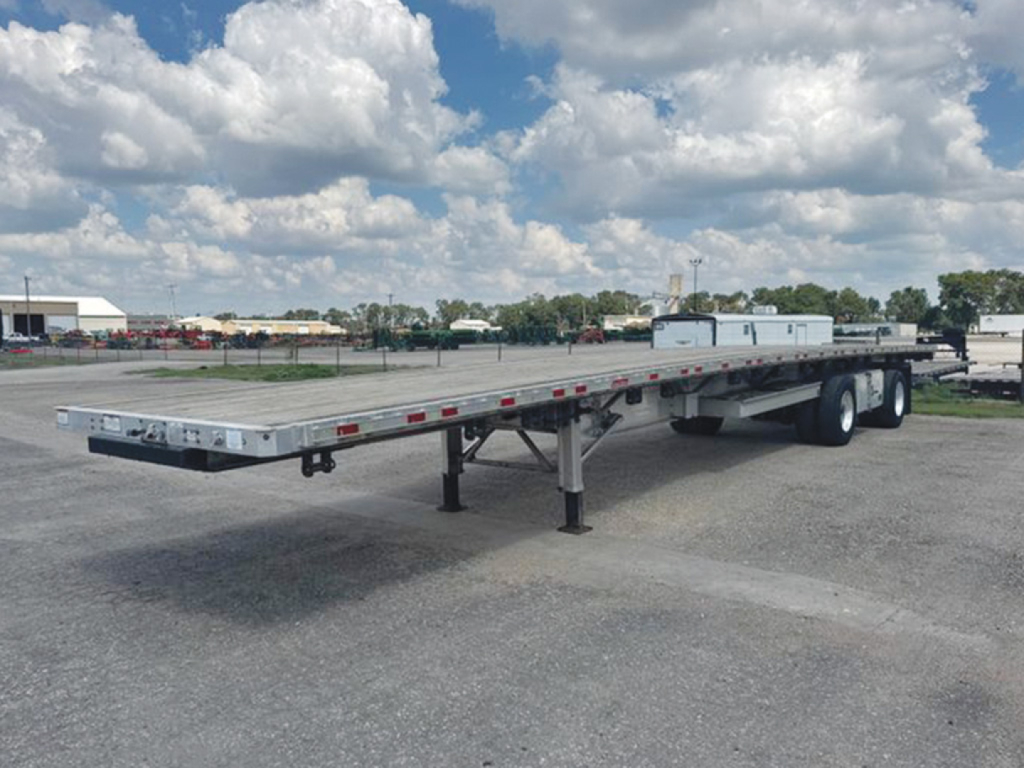
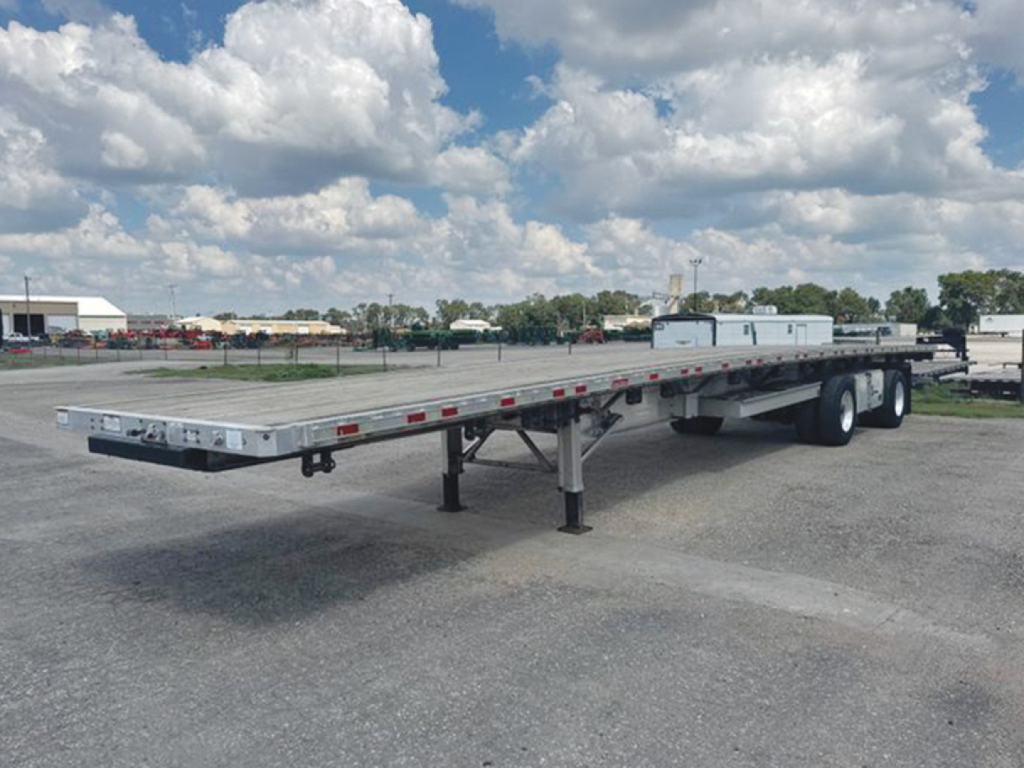
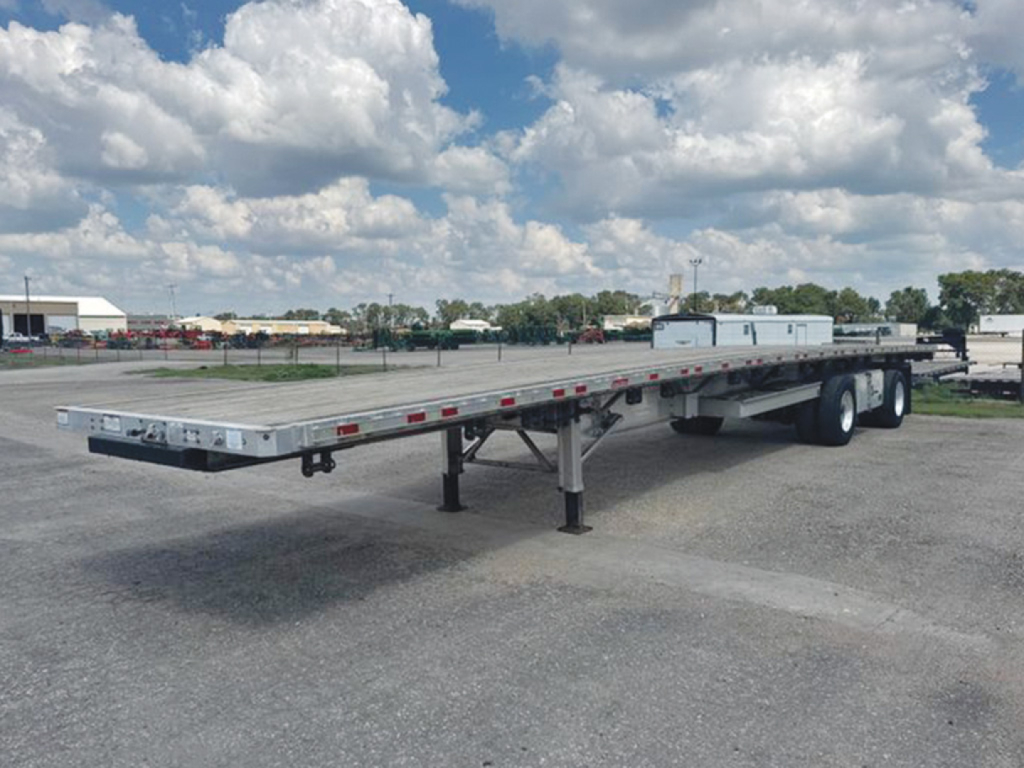
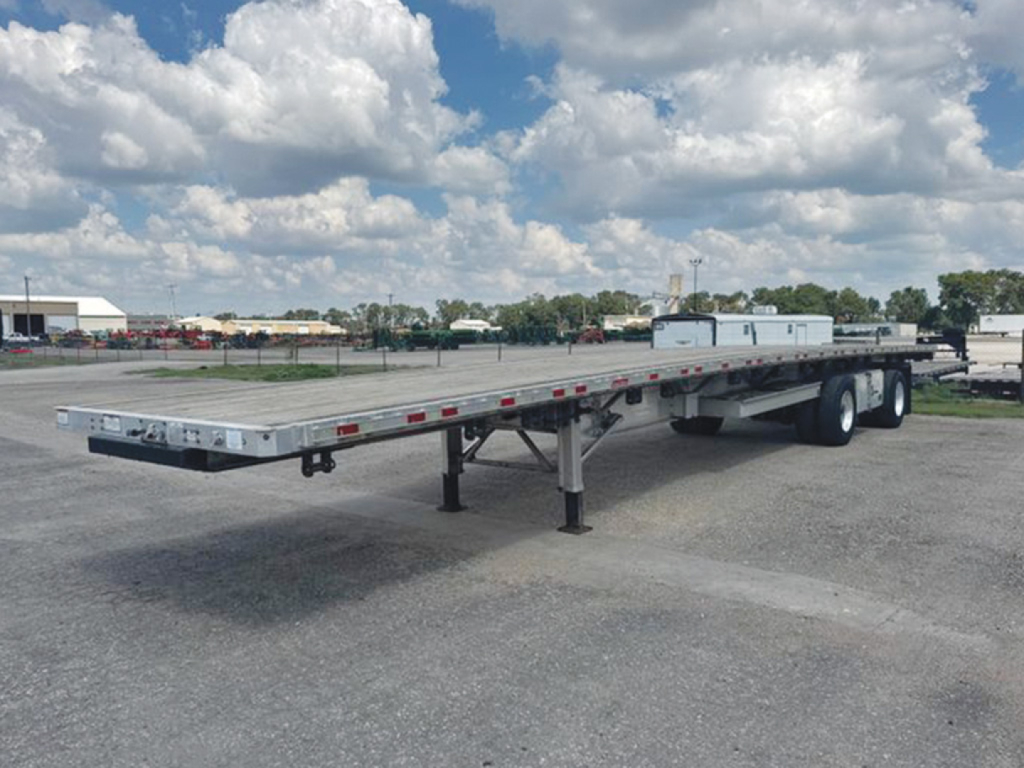
Have used flatbed trailer to sell? List it here to reach thousands of buyers.
Used Flatbed Trailers in Kansas
Construction matters because it affects both payload and maintenance. Aluminum flatbeds reduce empty weight and can help maximize legal cargo, while steel and combo trailers may offer a different balance of repairability and long-term toughness. Deck details are just as important. Aluminum floors, apitong wood decking, nail strips, and coil packages all change how the trailer fits your freight mix. Sliding winch tracks, stake pockets, chain spools, and rub rails should match the type of tie-downs your drivers actually use. If you haul steel coils, pipe, or equipment, check for proper coil well equipment, winches, and deck condition around high-stress loading areas.
Axle configuration is another key decision on a used flatbed trailer. Tandem axle and spread axle setups each have advantages depending on bridge laws, tire wear, maneuverability, and regional routing. Air ride suspension is common on late-model flatbeds and can be a benefit for ride quality and cargo protection. Tire inflation systems, aluminum wheels, and low profile 22.5 tires are also common on newer specs and can influence operating cost over time. On any used trailer, buyers should closely inspect crossmembers, suspension components, landing gear, slider operation if equipped, brake condition, and signs of frame or deck repairs.
Kansas buyers often look for trailers that can handle a wide freight mix and long interstate runs without adding unnecessary tare weight. That makes a 53-foot aluminum flatbed with a strong securement package a popular choice, especially for general commodity hauling. Also known simply as a platform trailer, the flatbed remains one of the most versatile trailer types in trucking. The best used flatbed trailer is the one with the right deck spec, axle layout, and tie-down package for the loads you haul most often, not just the newest model year on the page.
Frequently Asked Questions about Used Flatbed Trailers in Kansas
What length is most common for a used flatbed trailer?
The most common lengths are 48 feet and 53 feet. A 53-foot flatbed is widely used in general freight because it gives more deck space for longer or more varied loads, while a 48-foot trailer may still fit certain fleets, freight lanes, or customer requirements. Buyers should confirm overall deck length, legal considerations for their operating area, and whether the added deck space affects weight distribution on the loads they haul most often.
Is an aluminum flatbed better than a steel flatbed?
Aluminum flatbed trailers usually weigh less, which can improve payload capacity and fuel efficiency. Steel flatbeds are often favored for certain heavy-duty applications because they can offer a different durability and repair profile. Many buyers also consider combo trailers, which use both materials. The right choice depends on your freight, expected mileage, maintenance approach, and whether maximizing legal payload is more important than absolute ruggedness.
What should I inspect first on a used flatbed trailer?
Start with the structural and safety items. Check the frame rails, crossmembers, decking, suspension, brakes, tires, wheels, landing gear, lights, and all visible securement points such as rub rails, stake pockets, and winch tracks. Look closely for cracked welds, corrosion, bent components, and uneven deck wear from forklifts or concentrated loads. On a used flatbed, condition of the deck and tie-down system often tells you a lot about how the trailer was worked and maintained.
What is a coil package on a flatbed trailer?
A coil package is a flatbed configuration designed to better handle steel coil hauling. It may include a coil well or coil racks, extra securement options, and deck features suited for concentrated weight. This matters because coils place heavy point loads on the trailer and require proper securement geometry. If your operation handles steel, verify that the trailer is equipped for coil freight and that the deck structure shows no signs of overstress or poor prior loading practices.
Should I choose a spread axle or tandem axle flatbed?
A spread axle flatbed can help with weight distribution and is common on many 53-foot trailers, but it may scrub tires more in tight turns and can be less maneuverable in confined yards. A tandem axle setup is often easier to handle in tighter spaces and may fit some operating patterns better. The best axle configuration depends on your routes, state bridge rules, customer locations, and the type of cargo you need to scale legally and efficiently.