
Used 2025 Flatbed Trailers For Sale
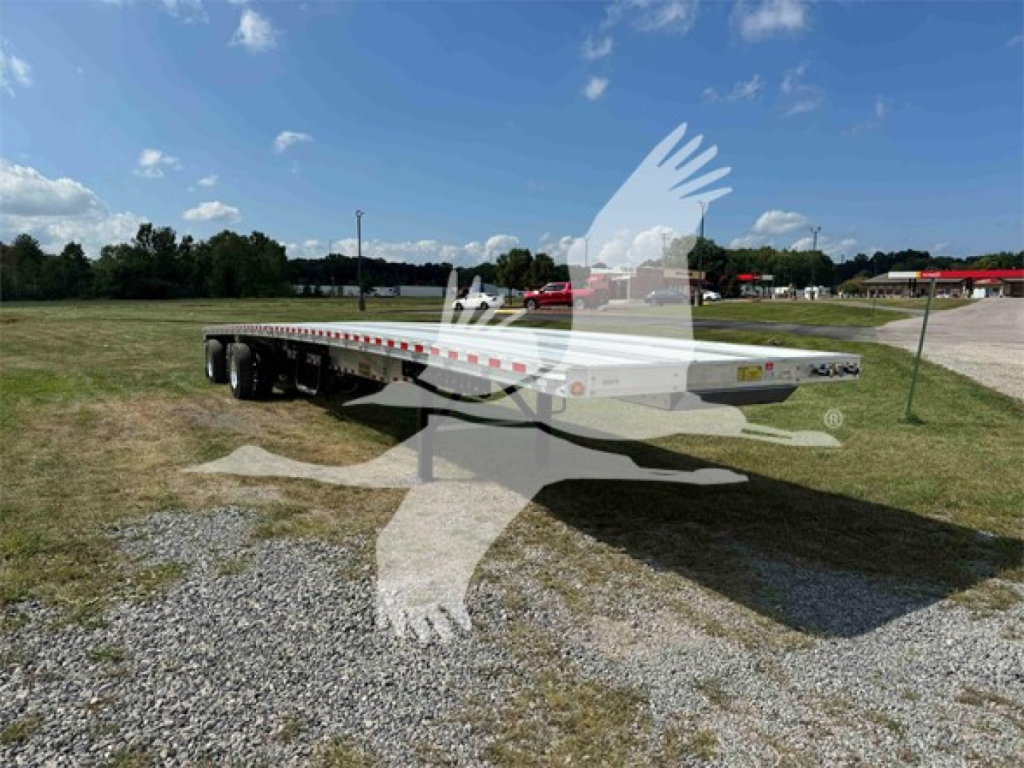
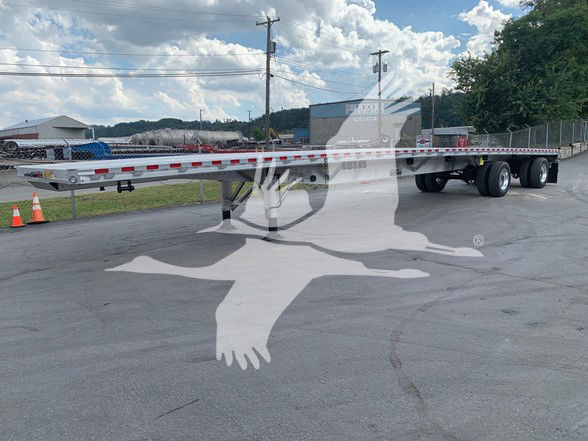
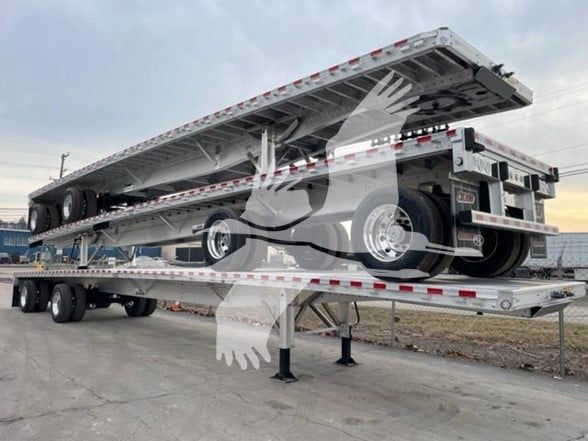
Browse used 2025 flatbed trailers for sale, including aluminum and steel decks, spread or tandem axles, coil packages, and extendable options.
Learn more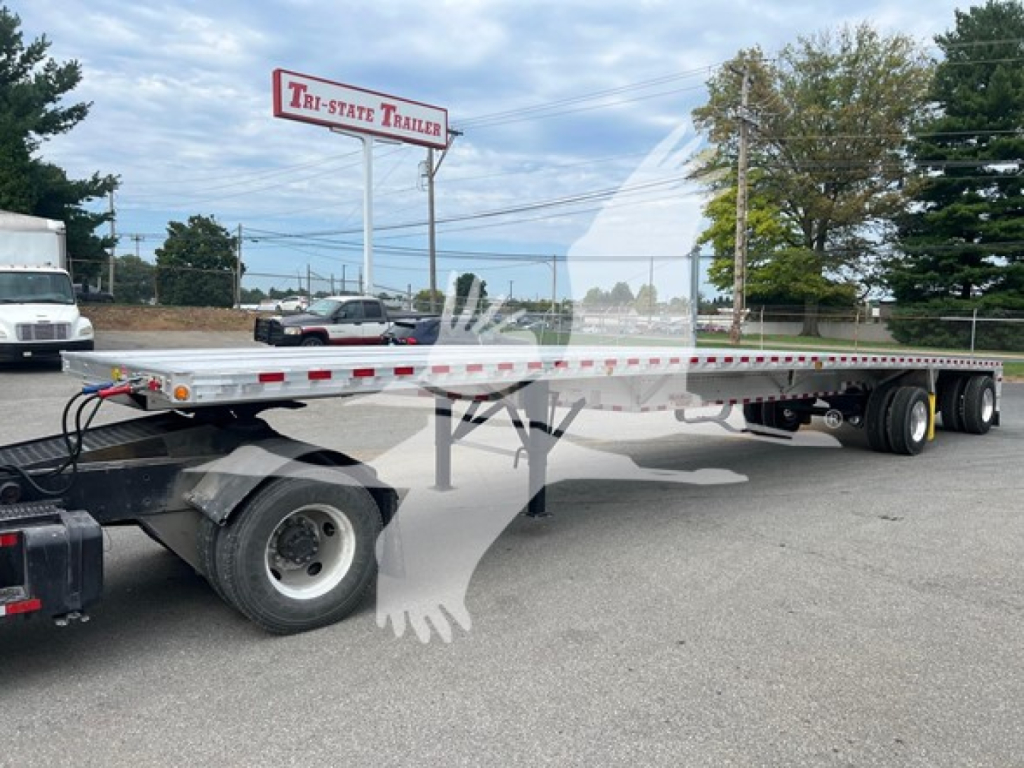
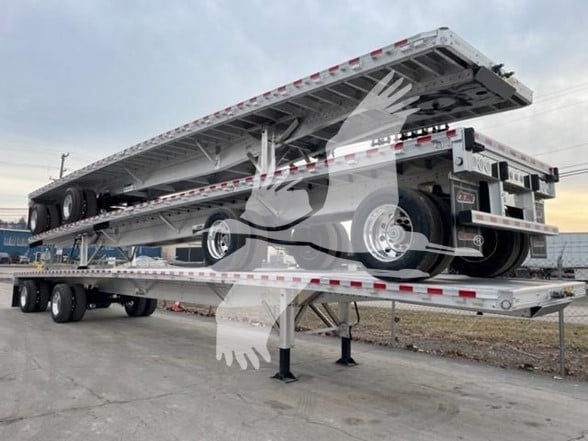
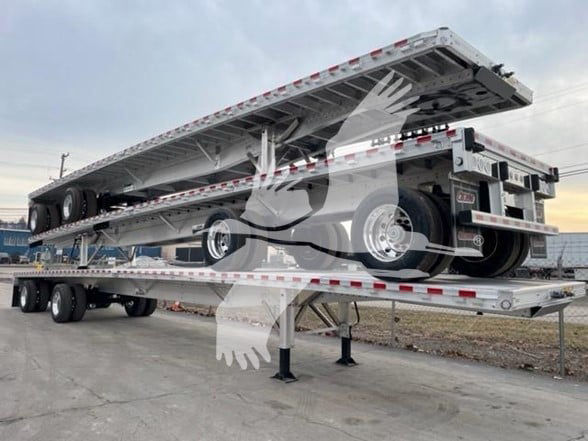
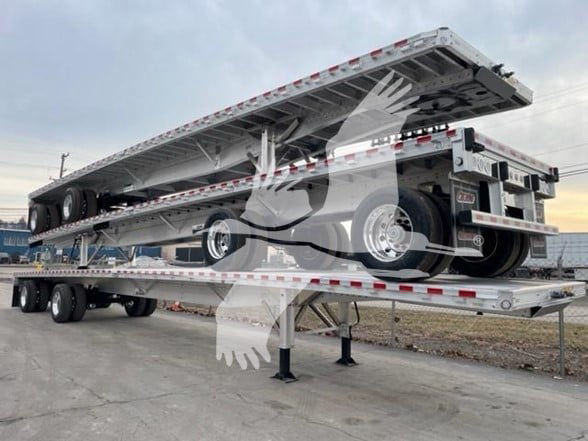
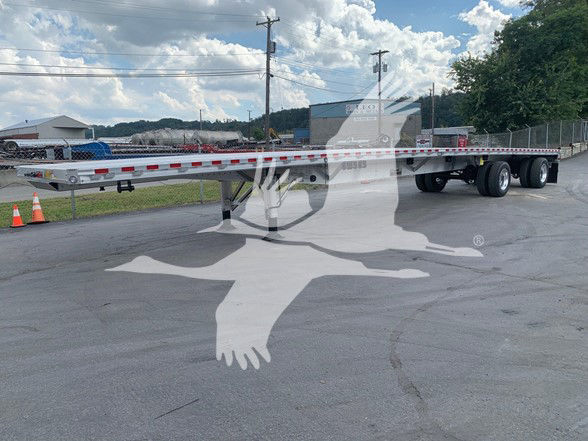
Showing 1 to 12 of 14 results
Have used 2025 flatbed trailer to sell? List it here to reach thousands of buyers.
About Used 2025 Flatbed Trailers
Spec details matter more on a flatbed than almost any other general freight trailer because the trailer has to match the freight, securement method, and route. Common features include 102-inch overall width, sliding winch tracks, sliding winches, stake pockets, chain spools, coil packages, nail strips, and apitong or aluminum flooring. Suspension setup is another major decision point. Air ride is common for shippers that want better ride quality and cargo protection, while spread axle and sliding tandem configurations affect bridge law compliance, maneuverability, and tire wear. Kingpin setting, axle spacing, crossmember centers, and rated distributed capacity all deserve a close look, especially if the trailer will regularly haul machinery, building products, or concentrated steel loads.
For buyers comparing used 2025 flatbed trailers, condition should be evaluated beyond the deck surface. Check side rails for damage from chains and binders, inspect winch track integrity, and confirm the floor is sound around crossmembers, coil wells, and high-traffic forklift zones. On extendable models, pay close attention to extension locks, inner rail wear, wiring protection, and how smoothly the trailer operates at different deck lengths. Tire size, wheel type, landing gear condition, brake components, and lighting are everyday ownership items that can affect downtime and compliance. If the trailer is set up with a mini coil package, dump valve, tire inflation system, or sliding rear axle, make sure those features match the lanes and freight mix the trailer will actually see.
Flatbed trailers, also known simply as open-deck trailers, remain one of the most versatile trailer types in commercial trucking. They serve construction supply, steel hauling, machinery moves, lumber, agricultural equipment, and regional or over-the-road general freight that cannot be boxed into a van. A good used 2025 model should offer a balance of low tare weight, securement flexibility, and structural durability. Buyers who define their freight profile first, then match trailer length, axle configuration, deck construction, and securement hardware to that work, usually make the best purchase decision.
Frequently Asked Questions
What is the most important spec to compare on a used 2025 flatbed trailer?
The most important spec is the combination of deck length, trailer weight, and axle configuration because those three factors determine what freight the trailer can legally and profitably haul. A lighter aluminum flatbed may improve payload, but axle spacing, kingpin setting, and whether the trailer has a spread axle or sliding tandem will affect bridge compliance and maneuverability. After that, buyers should compare securement equipment such as winch tracks, chain spools, coil package setup, and floor type.
Should I choose an aluminum or steel flatbed trailer?
Aluminum flatbed trailers are usually chosen for higher payload and corrosion resistance, which makes them common in over-the-road freight and weight-sensitive applications. Steel flatbeds generally offer a more rugged feel and can be a strong fit for severe-duty work, though they typically weigh more. A combo trailer can split the difference. The right choice depends on freight type, operating region, maintenance practices, and how much tare weight matters in your revenue model.
Are spread axle flatbed trailers better than sliding tandem flatbeds?
Neither setup is universally better because each serves a different purpose. Spread axles often provide stability and can help with certain load distributions, but they can increase scrub in tight turns and may be less maneuverable in confined yards or urban deliveries. Sliding tandems offer more flexibility for axle weight adjustment and docking situations. Buyers hauling varied freight across different states often value that adjustability, while dedicated freight operations may prefer the simplicity of a fixed spread setup.
What should I inspect on a used extendable flatbed trailer?
An extendable flatbed should be checked carefully at the inner beam structure, extension locks, air and electrical line routing, deck alignment, and wear points where the sections telescope. Buyers should verify that the trailer extends and retracts smoothly, locks securely at each increment, and shows no signs of distortion or fatigue around the main frame. Because these trailers handle specialized freight, it is also important to confirm the rated capacity at extended lengths and inspect the condition of the floor, side rails, and rear bolster area.
What freight is a flatbed trailer best suited for?
Flatbed trailers are best suited for freight that is too large, too heavy, or too irregularly shaped for enclosed trailers. Common examples include steel products, lumber, pipe, machinery, precast materials, building supplies, and agricultural equipment. Their open-deck design allows loading from the side, rear, or top by forklift or crane, which makes them one of the most flexible trailer categories in the market. The tradeoff is that cargo securement, weather exposure, and tarping requirements become a bigger part of daily operations.