
Used 2025 Flatbed Trailers For Sale in Pennsylvania
Browse used 2025 flatbed trailers in Pennsylvania. Compare aluminum and steel specs, axle setups, deck lengths, payload needs, and tie-down features.
Learn more
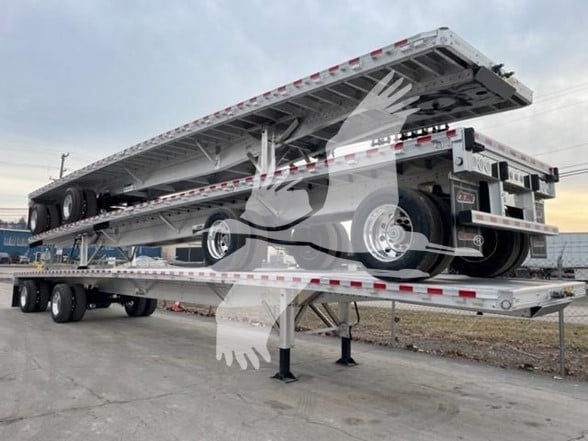
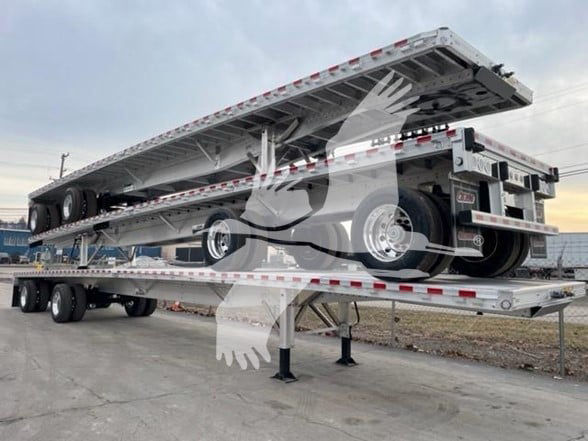
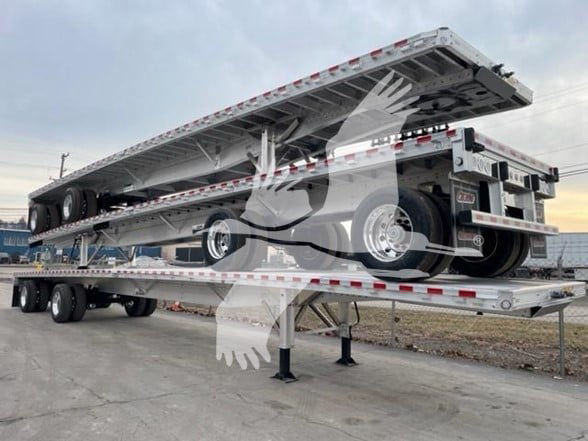
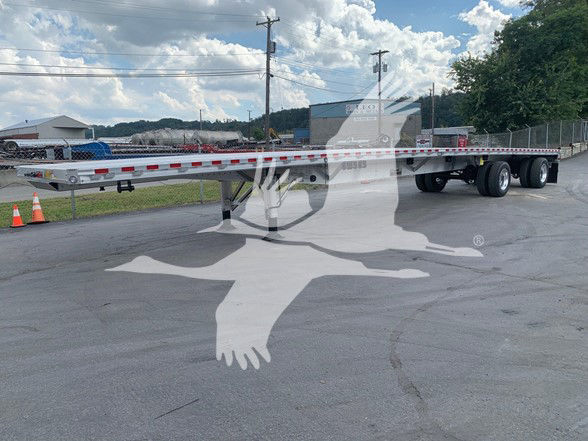
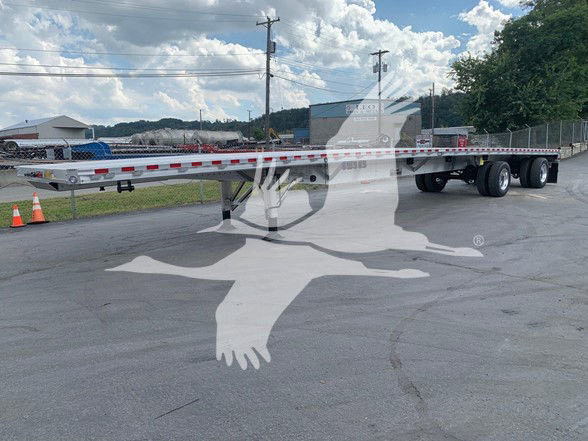
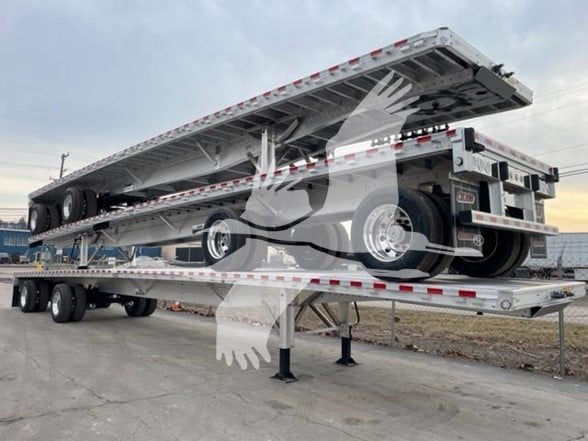
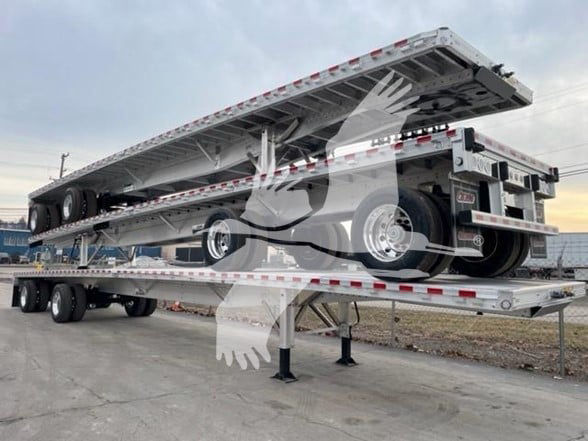
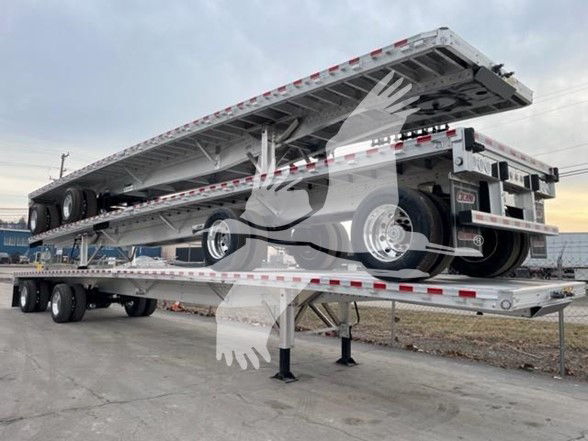
Showing 1 to 12 of 14 results
Have used 2025 flatbed trailer to sell? List it here to reach thousands of buyers.
About Used 2025 Flatbed Trailers in Pennsylvania
Frequently Asked Questions
What should I look for first on a used 2025 flatbed trailer?
Start with deck length, trailer material, and axle configuration because those three items drive payload, loading flexibility, and routing. A 48-foot aluminum flatbed is a common choice for maximizing legal payload on dense freight, while a 53-foot steel flatbed can make sense for longer freight and harsher loading environments. After that, check the suspension type, kingpin setting, crossmember spacing, tie-down equipment, tire condition, and the deck surface for damage or repairs.
Is an aluminum flatbed better than a steel flatbed?
Neither is automatically better. Aluminum flatbeds usually weigh less, which helps payload and fuel efficiency, and they are popular in fleets hauling coils, building products, and general commodity freight. Steel flatbeds generally offer a tougher structure for repeated forklift traffic and demanding jobsite use, but they carry more tare weight. The right choice depends on freight density, operating lanes, and how often the trailer sees hard loading cycles.
Why do axle spacing and suspension matter on a flatbed trailer?
Axle layout affects bridge compliance, ride quality, and how the trailer handles different load positions. Spread axle flatbeds, often set around 10 feet 2 inches, are common for open-deck work because they can help distribute weight and improve stability. Sliding tandems offer more flexibility for state bridge laws and dock maneuvering. Suspension choice matters too. Air ride is preferred for more delicate freight and improved ride quality, while spring ride can be simpler and durable in rough service.
What flatbed features are most useful for steel and coil hauling?
For steel service, buyers often want a coil package, closer crossmember spacing, secure winch tracks, multiple sliding winches, pipe spools, and a deck that is set up for concentrated weight. A mini coil package with extra crossmembers is common on aluminum trailers carrying dense freight. Buyers should also verify rated capacity in 4 feet and 10 feet, because those concentrated load ratings tell you more than gross weight alone when hauling coils or heavy steel products.
Are used 2025 flatbed trailers in Pennsylvania commonly equipped for winter and Northeast service?
Many are. In Pennsylvania and the broader Northeast, buyers often prioritize air ride suspensions, LED lighting, durable landing gear, quality brake components, and practical tire specs that support regional highway use. It is also worth checking for corrosion resistance features such as aluminum construction, galvanized components, or well-maintained coupler and suspension hardware. Regional use can be hard on brakes, wiring, and tires, so those areas deserve a close inspection on any late-model used trailer.