
Used 2023 Flatbed Trailers For Sale
Browse used 2023 flatbed trailers for sale. Compare 48-foot combo or steel specs, deck types, suspension, tiedowns, and weight ratings.

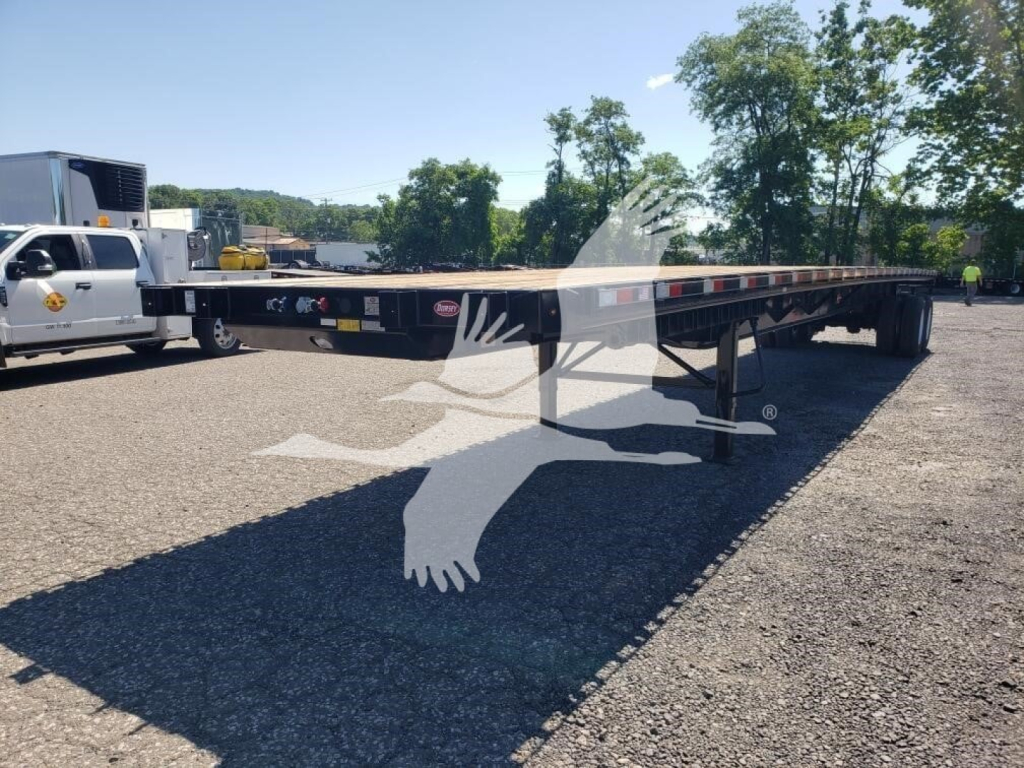
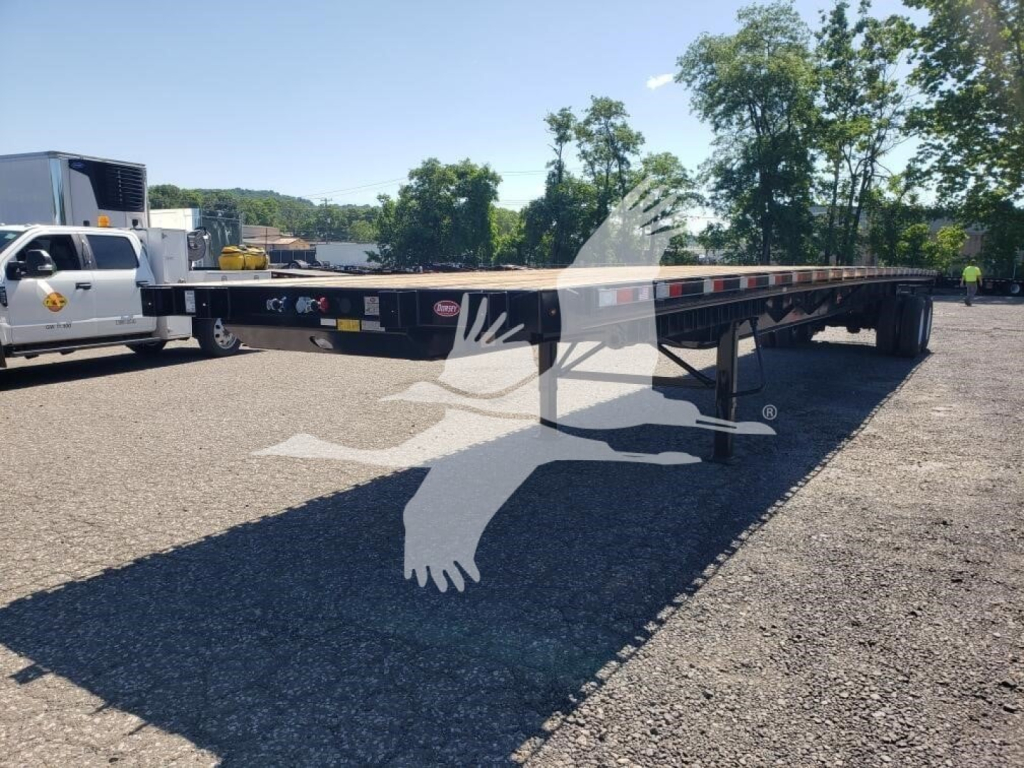
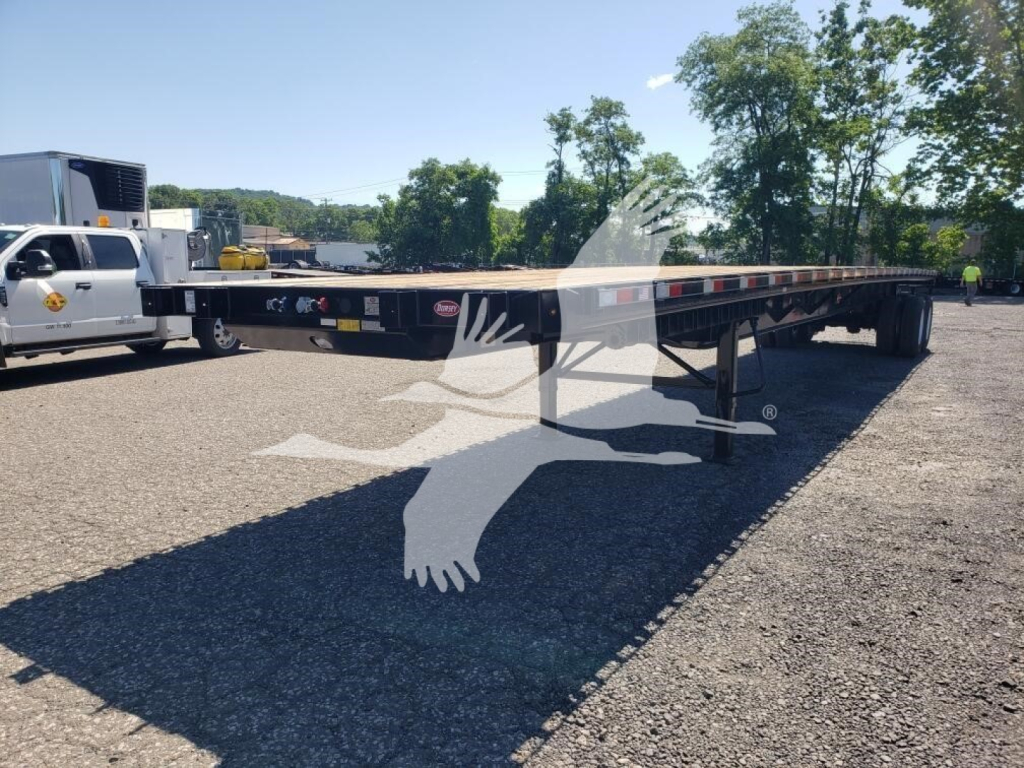
Showing 25 to 28 of 28 results
Have used 2023 flatbed trailer to sell? List it here to reach thousands of buyers.
Used 2023 Flatbed Trailers
The biggest buying decision is usually weight versus duty cycle. A lighter 2023 aluminum or combo flatbed can free up payload for shippers hauling building products, machinery, palletized freight, or steel that stays within the trailer's concentrated load limits. Buyers hauling coil, dense steel, or repeated point-load freight should look closely at beam ratings, crossmember spacing, and the presence of a coil package with extra stub crossmembers. Weight ratings such as 60,000 pounds in 10 feet or 55,000 pounds in 4 feet matter more than advertised trailer weight if the trailer will see concentrated loads. Deck condition, side rail wear, and winch track integrity also deserve a close inspection on any used flatbed.
Suspension and axle configuration affect both tire life and routing flexibility. Many late-model flatbeds use air ride suspensions such as Hendrickson Intraax, while some fleets still prefer spring ride for simplicity and lower maintenance cost. Sliding tandems or spread configurations can help with bridge laws and axle scaling, and kingpin settings around 24 to 30 inches are common on 2023 trailers. Buyers should also check brake type, wheel material, tire size, landing gear brand, and lighting spec. Features like disc brakes, tire inflation systems, dump valves, and dual-sided winch tracks can improve uptime and driver acceptance, especially in regional and multi-stop operations.
Used 2023 flatbed trailers are often attractive because they may already be spec'd for real freight instead of base-level duty. The right trailer depends on freight mix, trailer weight target, securement method, and how often the unit will be loaded by forklift, crane, or side access. A trailer hauling lumber and building materials may prioritize nailing strips and deck condition, while a steel hauler may focus on chain tiedowns, coil package design, and concentrated load strength. A careful review of frame condition, deck wear, axle alignment, suspension bushings, and securement hardware will tell you more about a used flatbed's remaining value than model year alone.
Frequently Asked Questions about Used 2023 Flatbed Trailers
What is the most common size for a used 2023 flatbed trailer?
The most common size is 48 feet long by 102 inches wide. That configuration fits a broad range of general freight, works well with standard dock and loading practices, and remains the baseline spec for many fleet and owner-operator operations. Some specialized flatbeds may be extendable or set up differently, but a 48-foot tandem axle trailer is still the core of the market.
Is a combo flatbed better than an all-steel flatbed?
A combo flatbed uses aluminum and steel together to reduce empty weight while keeping strength in key structural areas. That can improve payload and fuel efficiency. An all-steel flatbed generally weighs more but can be simpler to repair and may hold up well in harsh applications. The better choice depends on freight density, expected abuse, corrosion exposure, and how much tare weight matters in your lanes.
What should I inspect first on a used 2023 flatbed trailer?
Start with the frame rails, crossmembers, deck, suspension, axle alignment, brakes, and tires. Then inspect the securement system including winch tracks, sliding winches, stake pockets, chain slots, and pipe spools. Buyers hauling dense freight should also verify beam ratings and any coil package details. A newer model year does not replace the need to check for bent components, deck damage, cracked welds, or uneven tire wear.
Do 2023 flatbed trailers usually have air ride suspension?
Many do, especially fleet-spec late-model trailers. Air ride is popular because it helps protect freight, improves ride quality, and is widely accepted in regional and over-the-road service. Spring ride is still found in some specs and can appeal to buyers who want a simpler setup with fewer air system components. The right suspension depends on freight sensitivity, maintenance preferences, and operating environment.
How important are concentrated load ratings on a flatbed trailer?
They are critical if you haul steel, machinery, coils, or other dense freight. A flatbed's advertised GVWR does not tell the full story for point loads. Ratings such as pounds in 4 feet or pounds in 10 feet show how the trailer handles concentrated weight over a shorter section of deck. Matching those ratings to your freight is essential for safety, compliance, and long-term trailer life.