
Flatbed Trailers For Sale in South Dakota
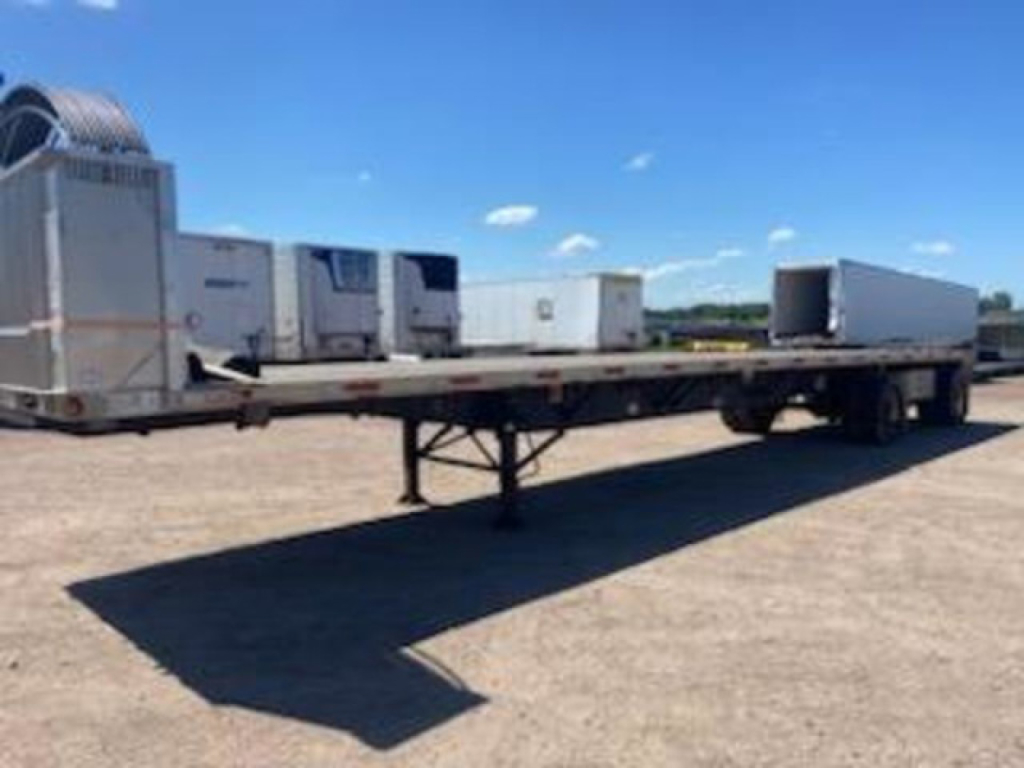
Browse flatbed trailers for sale in South Dakota. Compare 48-foot and 53-foot specs, deck options, suspension, and load securement features.

Selling a flatbed trailer? List your flatbed trailer for sale and reach thousands of commercial buyers.
Flatbed Trailers in South Dakota
A buyer comparing flatbeds should start with the deck and main rails. Aluminum flatbeds reduce tare weight and help maximize payload, while steel and combo designs can offer a different balance of durability, repairability, and cost. Apitong and other hardwood floors remain common because they hold up well under forklifts and concentrated load points. Check for cracked welds, bent outrigger areas, damaged rub rails, missing stake pockets, and wear around winch tracks. If the trailer will handle steel coils, machinery, or dense building products, pay close attention to concentrated load ratings, axle placement, and how well the deck structure has been maintained.
Spec decisions usually come down to freight mix and route profile. Air ride suspension is common on flatbed trailers because it helps protect cargo and improves ride quality on longer hauls, while spring ride can still appeal in certain vocational or lower-cost applications. Buyers should also look at tire condition, brake life, wheel-end service history, sliding tandem operation, and the condition of lights and wiring. Useful features often include toolboxes, coil package setups, chain ties, winches, sliding winches, ratchet strap storage, and tire inflation systems. If the trailer will run regional construction, oilfield, or agricultural lanes, ground clearance, ease of securement, and resistance to corrosion matter as much as published dimensions.
Flatbed trailers are also known simply as open-deck trailers, and the best choice depends on legal payload goals, securement needs, and how quickly the trailer can be turned between loads. A clean used flatbed with straight rails, solid brakes, even tire wear, and a sound floor can be a strong value, but buyers should verify the trailer matches the freight they actually haul. Deck length, loaded deck height, empty weight, and the number and placement of securement points affect day-to-day productivity more than cosmetic appearance. On South Dakota routes, where wind, winter conditions, and long stretches between stops can be part of normal operation, durability and easy roadside serviceability are practical buying factors.
Frequently Asked Questions about Flatbed Trailers in South Dakota
What length flatbed trailer is most common?
The most common flatbed trailer lengths are 48 feet and 53 feet. A 48-foot flatbed remains a popular all-around choice and is still common in many fleets, while a 53-foot flatbed offers additional deck space for lighter, longer freight. The right length depends on the freight profile, state bridge considerations, customer requirements, and how often extra deck space actually improves revenue per trip.
What should I inspect first on a used flatbed trailer?
Start with the frame rails, crossmembers, deck, suspension, brakes, and tires. Look for bent or repaired rails, cracked welds, loose or damaged flooring, rub rail damage, worn stake pockets, and signs of overloading near concentrated load areas. A trailer can look clean from a distance and still have structural issues that affect load securement, alignment, and long-term durability.
Is an aluminum flatbed better than a steel flatbed?
Aluminum flatbeds usually offer lower tare weight, which can help maximize legal payload and improve operating efficiency. Steel flatbeds can be attractive for buyers focused on lower acquisition cost or certain repair preferences, and combo trailers split the difference by using both materials. The better choice depends on payload goals, freight density, operating environment, and how the trailer will be maintained over time.
What features matter most for flatbed load securement?
Stake pockets, rub rails, winch tracks, sliding winches, chain ties, and a sound deck all matter because they directly affect how loads are secured. Buyers hauling machinery, steel, or irregular freight should also consider coil package equipment, securement point spacing, and deck condition under heavy point loads. Good securement hardware is not just a convenience feature. It affects loading speed, compliance, and cargo safety on every trip.
Why does suspension type matter on a flatbed trailer?
Suspension type affects cargo protection, ride quality, maintenance, and trailer behavior on rough roads. Air ride suspension is common because it helps reduce shock to freight and is often preferred for general over-the-road flatbed work. Spring ride may still fit some vocational operations, but for many buyers hauling building materials, machinery, or palletized freight, air ride is the more versatile specification.