
2013 Reitnouer Flatbed Trailers For Sale in Pennsylvania
Shop 2013 Reitnouer flatbed trailers in Pennsylvania. Compare aluminum flatbeds by deck length, axle spread, weight, suspension, and specs.
Learn more
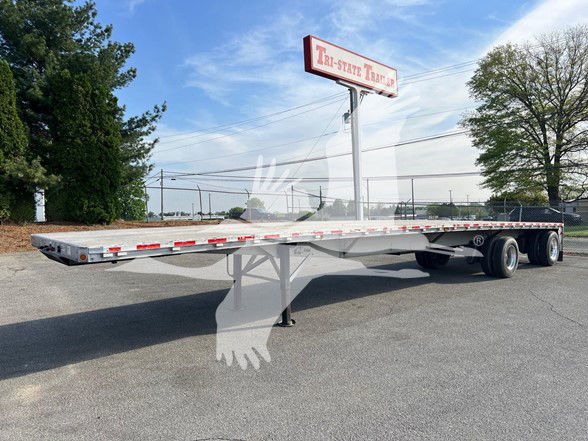
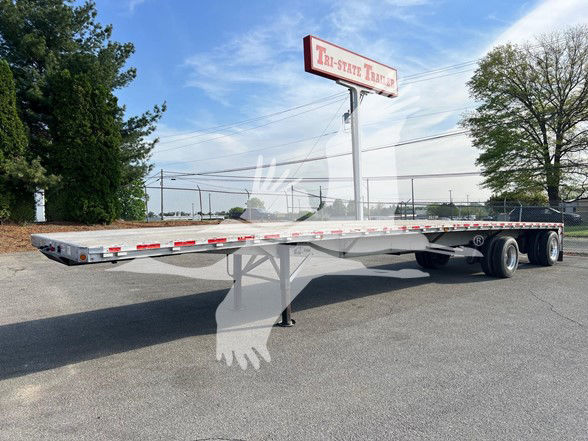
Have 2013 reitnouer flatbed trailer to sell? List it here to reach thousands of buyers.
About 2013 Reitnouer Flatbed Trailers in Pennsylvania
Most Reitnouer flatbeds from this era are found in 48-foot or 53-foot lengths and 102-inch width, with tandem or spread-axle configurations depending on the application. Buyers hauling building products, machinery, steel, pipe, lumber, or palletized freight should pay close attention to deck layout and securement equipment. Features like winch tracks, sliding winches, double pipe spools, apitong nailer strips, and mini coil packages can make a real difference in day-to-day versatility. Common specs in this class also include air ride suspension, 30-inch kingpin settings, and 15-inch crossmember centers, especially on trailers set up for general freight with occasional concentrated loads.
In Pennsylvania, operating conditions add another layer to the buying decision. A flatbed used through the Northeast may show corrosion at fasteners, landing gear mounts, light connections, and brake or suspension hardware even when the aluminum structure itself remains sound. That makes undercarriage inspection especially important on a 2013 model. Check for frame repairs, floor wear from forklifts, damage at the rear approach, alignment issues, tire wear patterns, and the condition of hubs, drums, bushings, air bags, and valves. If the trailer has a spread axle, confirm axle spacing and bridge-law implications for the lanes you run most often.
For many fleets and owner-operators, a 2013 Reitnouer flatbed still fits the sweet spot between acquisition cost and working life. The brand has a strong reputation in lightweight aluminum platform trailers, also known simply as flatbeds, and that keeps them relevant in regional and over-the-road service. The right trailer depends less on badge alone and more on how the spec matches the freight. A lighter all-around flat may be ideal for mixed commodity work, while a trailer with a coil package, tighter crossmember support, and the right tie-down layout is a better fit for steel and denser loads.
Frequently Asked Questions
What should I inspect first on a 2013 Reitnouer flatbed trailer?
Start with the structural and wear items that affect safety, payload, and repair cost. Inspect the aluminum frame rails, crossmembers, floor, side rails, and rear transition area for cracks, repairs, or distortion. Then move to the running gear, including suspension, axle alignment, brakes, hubs, tires, wheels, and landing gear. On a 2013 trailer, buyers should also look closely at fastener corrosion, lighting harness condition, and any signs of repeated overload or forklift damage.
Are 2013 Reitnouer flatbeds good for heavy freight?
They can be, but the answer depends on the exact trailer spec. Reitnouer aluminum flatbeds are valued for lower tare weight, which helps maximize payload, but concentrated heavy freight such as steel coils or machinery requires the right crossmember spacing, coil package, axle setup, and tie-down arrangement. A general-purpose flatbed may handle mixed building materials well, while denser cargo calls for a trailer specifically configured for concentrated load ratings and securement needs.
What lengths and axle configurations are common on Reitnouer flatbeds?
The most common lengths in this category are 48 feet and 53 feet, typically at 102 inches wide. Many are equipped with tandem axles or spread axles, and air ride suspension is common. Spread-axle setups can improve load distribution and operational flexibility for some applications, but they also affect turning, tire wear, and bridge compliance, so the axle configuration should match the freight and routes you run.
Why do buyers look for aluminum flatbed trailers like Reitnouer?
The main advantage is reduced trailer weight compared with many steel-platform alternatives. A lighter trailer can allow more legal payload, which matters to carriers hauling weight-sensitive freight. Aluminum construction also offers corrosion resistance benefits, though it still requires careful inspection for cracks, impact damage, and wear around high-stress points. For many buyers, the value of a Reitnouer flatbed comes from balancing payload efficiency, durability, and resale appeal.
Does a Pennsylvania-used flatbed require any special inspection focus?
Yes. Trailers that have spent time in Pennsylvania and the broader Northeast should be checked carefully for weather and road-treatment exposure. Pay extra attention to brake components, suspension hardware, electrical connections, wheel ends, and mounting points where corrosion can build up. Even when the aluminum main structure presents well, steel and mixed-metal components underneath may show age faster, so an undercarriage inspection is especially important on an older regional flatbed.