
New Flatbed Trailers For Sale in New Mexico
New flatbed trailers for sale in New Mexico. Compare 48' and 53' flatbeds with combo construction, coil packages, sliding winches, and air ride.
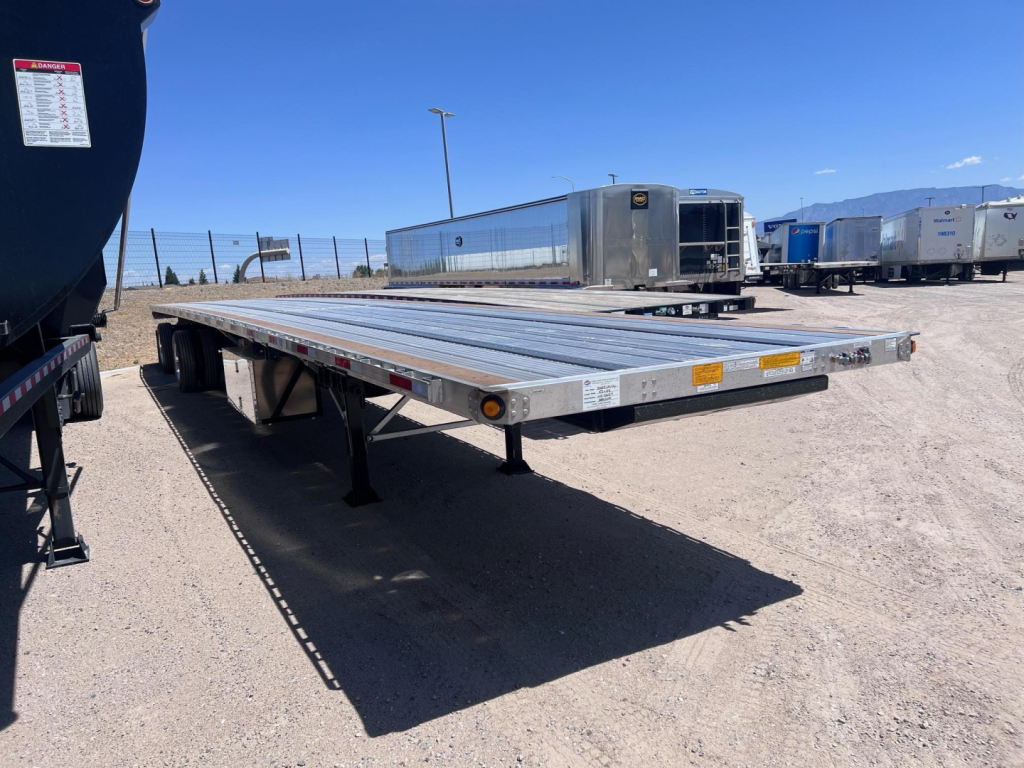
2025 Utility Combo Flatbed
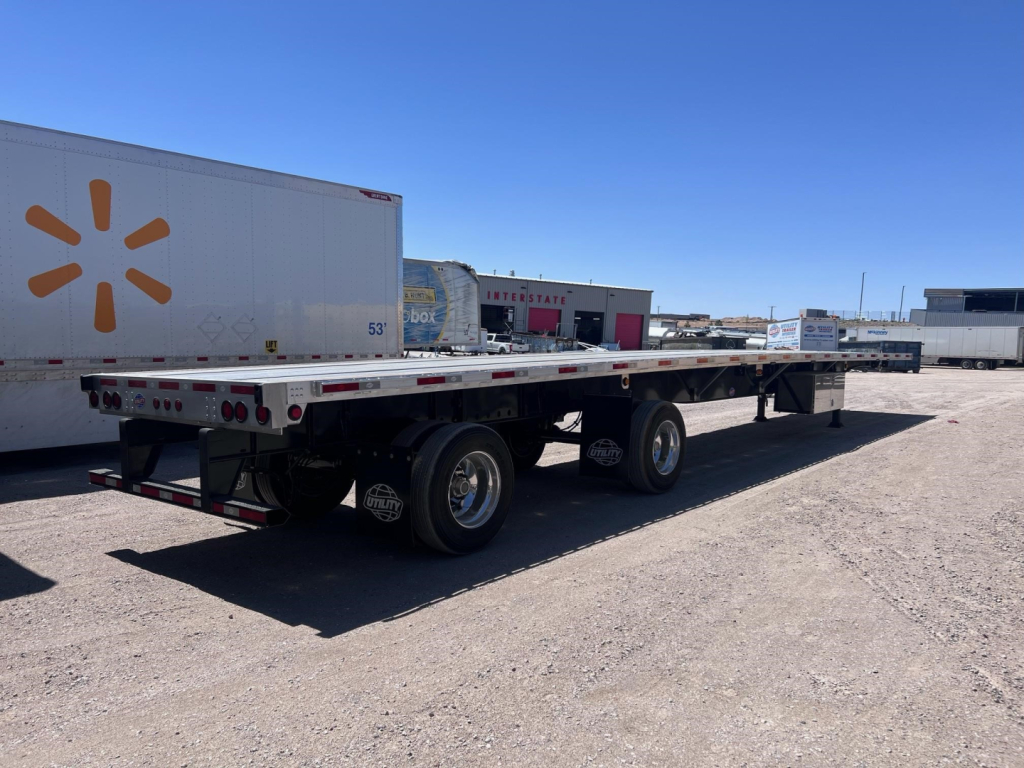
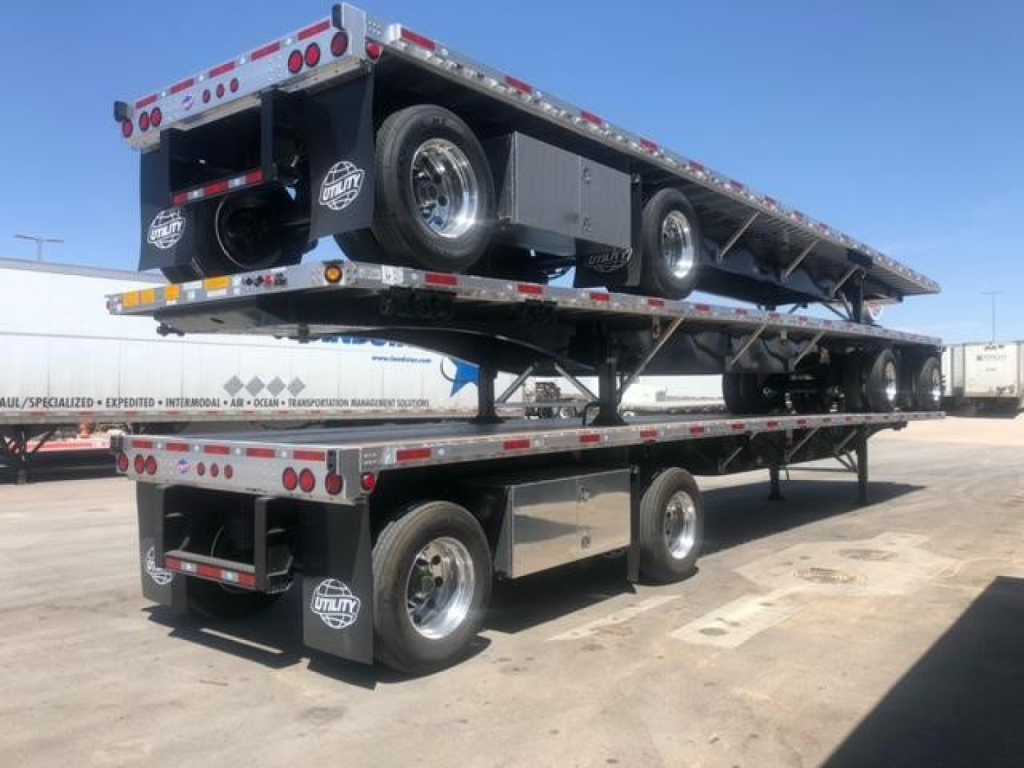
Selling a new flatbed trailer? List your new flatbed trailer for sale and reach thousands of commercial buyers.
New Flatbed Trailers in New Mexico
One of the first decisions is trailer construction. Many new flatbeds are combo trailers with steel main beams and aluminum crossmembers, deck, and side rails. That design balances strength with tare weight, which can help maximize legal payload without giving up structural integrity where the trailer takes the most stress. Buyers should also compare deck type and securement layout. Nail strips, stake pockets, double pipe spools, and winch tracks on both road and curb side are common features because they expand the range of freight the trailer can haul. A coil package is important for steel haulers and can significantly affect how the trailer is used, especially when concentrated load ratings are a priority.
Suspension and axle setup matter just as much as deck spec. Tandem axle flatbeds with air ride are common for general freight, while spread axle configurations can improve weight distribution on certain loads and in certain operating patterns. Sliding rear axles and air pin sliders give operators flexibility for bridge law compliance, dock approach, and load placement. Tire size, wheel material, and kingpin settings also deserve attention because they affect ride height, maintenance cost, and compatibility with the tractors in your fleet. On western lanes and in hot, dry conditions like New Mexico, many buyers also pay close attention to brake spec, tire quality, wheel-end serviceability, and how the trailer is set up for long highway miles.
A new flatbed trailer should be evaluated as a working platform, not just a deck on wheels. Look closely at empty weight, rated capacity, crossmember spacing, floor condition and material, securement hardware count, toolbox provision, lighting protection, and rear impact guard design. If the trailer will see steel, coils, pipe, or machinery, concentrated load capability and securement layout usually matter more than appearance. If it will handle mixed building materials or regional open-deck freight, a lighter combo spec with a practical winch and stake pocket arrangement may offer the better return. The right flatbed is the one that matches your freight profile, legal route requirements, and loading method without forcing compromises on payload or securement.
Frequently Asked Questions about New Flatbed Trailers in New Mexico
What length flatbed trailer is most common, 48 foot or 53 foot?
Both are common, but they serve slightly different needs. A 53-foot flatbed gives more deck space for longer freight, mixed partials, and customer flexibility, which makes it a common choice for general freight operations. A 48-foot flatbed can be a strong option when weight, maneuverability, or specific lane requirements matter more than maximum deck length. The right choice depends on the freight dimensions you haul most often and any state or customer limitations that affect trailer length.
What is a combo flatbed trailer?
A combo flatbed trailer typically uses steel main beams with aluminum components such as crossmembers, side rails, and decking. This construction is designed to keep the trailer strong in the high-stress areas while reducing tare weight compared with an all-steel trailer. For many fleets, a combo design offers a practical balance of payload, durability, and corrosion resistance, especially in applications that require frequent loading and securement.
Do I need a coil package on a flatbed trailer?
A coil package is important if you haul steel coils or other concentrated loads. It usually includes reinforced framing and a coil well or coil-rated structure designed to handle heavier point loads safely. Even if coil hauling is not your primary business, some buyers choose a coil package to preserve flexibility for future freight opportunities. If your loads are mostly lumber, palletized products, or lighter distributed freight, a standard flatbed spec may be sufficient.
Is a spread axle or tandem axle better on a flatbed trailer?
Neither is universally better. Tandem axles are common for general freight because they are simple, versatile, and often easier to maneuver in tighter areas. Spread axles can improve weight distribution and may help with certain load configurations, but they can also affect tire scrub and turning characteristics. Buyers should compare axle layout against the freight they haul, the states they run, and how often they need to adjust axle position for legal compliance.
What securement features should I look for on a new flatbed trailer?
Stake pockets, sliding winches, winch tracks, pipe spools, nail strips, and chain tie-down points are among the most useful flatbed features because they determine how efficiently the trailer can handle different freight types. A trailer with securement options on both sides of the deck gives more loading flexibility and can reduce time at the shipper. The best spec depends on whether you haul machinery, pipe, building materials, steel products, or mixed open-deck freight.