
Flatbed Trailers For Sale in Mississippi
No exact matches found for your search
Showing Flatbed Trailers instead.
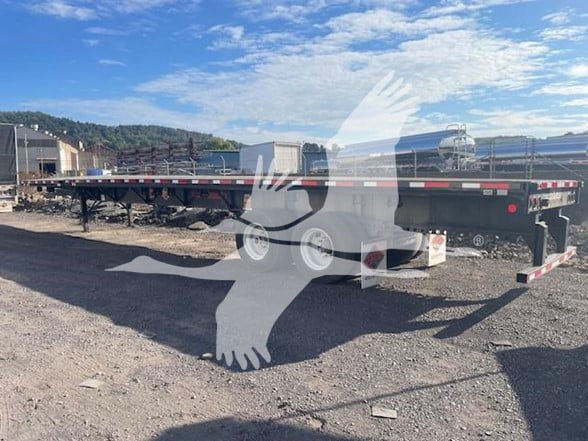
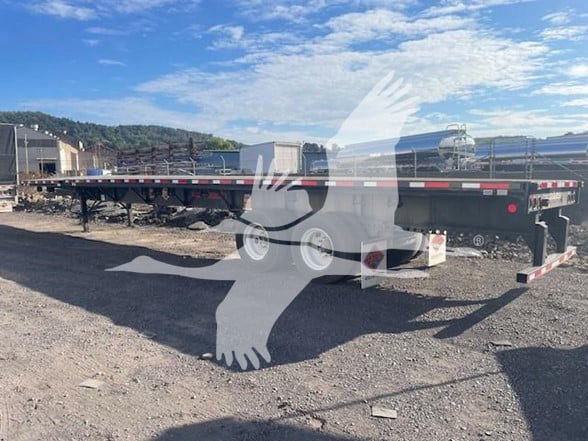
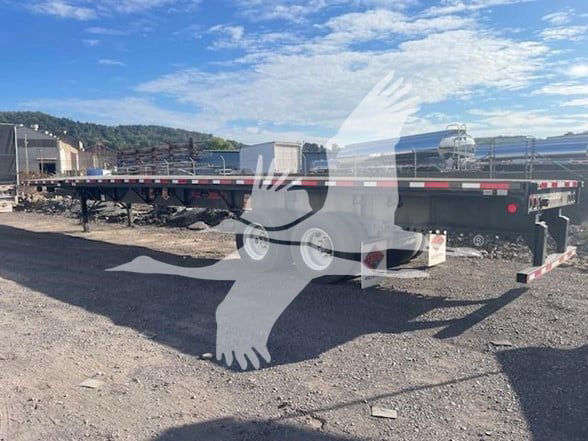
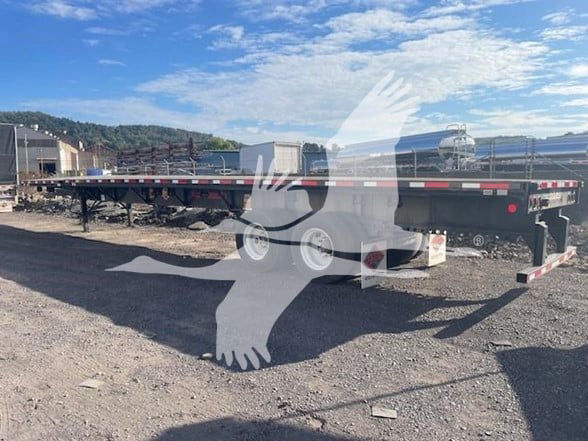
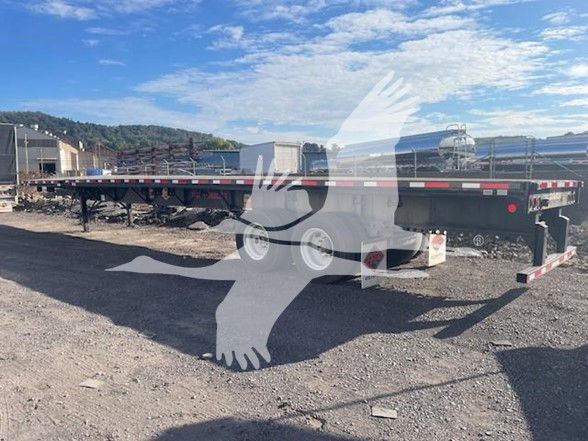
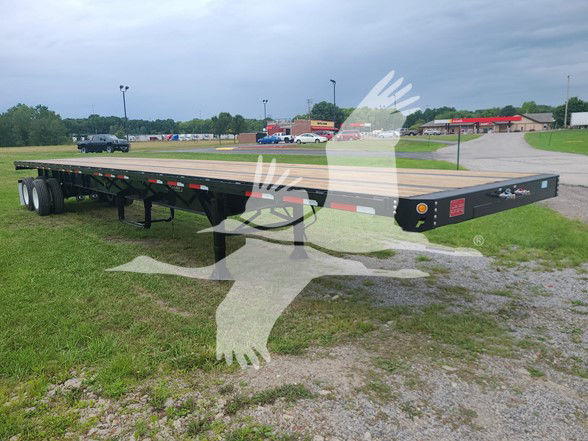
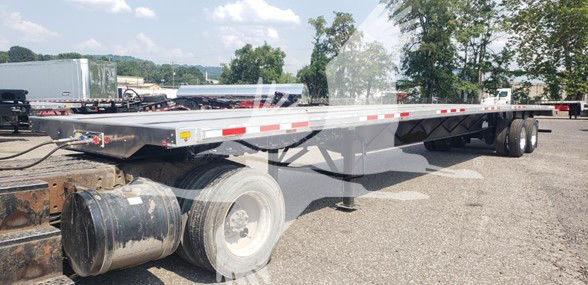
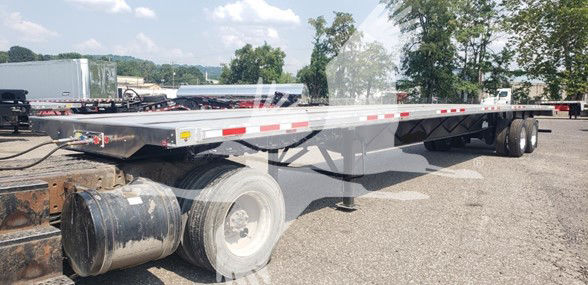

Showing 265 to 276 of 349 results
Have flatbed trailer to sell? List it here to reach thousands of buyers.
Flatbed Trailers in Mississippi
Aluminum, steel, and aluminum-steel composite flatbeds each serve a different purpose. All-aluminum trailers help maximize payload and resist corrosion, which matters in high-mileage regional and over-the-road service. Steel and composite designs often strike a balance between durability and weight, especially in applications with frequent forklift traffic or concentrated loads. Common deck features include aluminum flooring, nail strips, bulkheads, coil packages, and sliding winch tracks with winches and straps. A true coil package is important for carriers moving steel because it provides the proper bunks and securement points for coil hauling rather than relying on a general-purpose deck setup.
Suspension and axle configuration matter as much as deck specs. Air ride spread axle flatbeds are common because they improve ride quality, help protect sensitive freight, and can offer bridge law and weight-distribution advantages depending on the route. Tire size is often 22.5 low-profile, and many late-model trailers are equipped with aluminum wheels, outside aluminum discs, and tire inflation systems to reduce maintenance-related downtime. Tool boxes, double spool setups, and clean winch track operation are worth close attention on used trailers because they affect how quickly a driver can secure and turn freight.
For Mississippi operations, buyers often want a trailer that can handle mixed freight, humid conditions, and frequent loading at mills, yards, and job sites. Check crossmember condition, floor integrity, suspension wear, and the condition of the rub rail, stake pockets, and sliding winch track before purchase. On older flatbeds, watch for deck damage from hard point loading, corrosion around fasteners, repairs near the neck or rear frame, and uneven tire wear that may point to alignment or suspension issues. A well-spec'd flatbed trailer gives a carrier broad freight versatility, but the right one depends on your typical load length, securement method, bridge requirements, and target payload.
Frequently Asked Questions about Flatbed Trailers in Mississippi
What is the most common flatbed trailer size?
The most common flatbed trailer sizes are 48 feet and 53 feet long, typically with a legal width of 102 inches. A 48-foot flatbed remains common in steel, machinery, and general freight service, while a 53-foot trailer gives more deck space for longer or more varied loads. Some older flatbeds are 96 inches wide, which can still be useful but offers less deck width than current standard trailers.
What should I look for when buying a used flatbed trailer?
Focus on frame condition, deck wear, crossmember integrity, suspension components, axle alignment, and the condition of the securement system. Inspect the winch track, stake pockets, rub rail, nail strips, and tool boxes for damage or heavy wear. If the trailer has a coil package, make sure the bunks and related structure are intact and not heavily repaired. Uneven tire wear, cracked welds, and corrosion around the rear frame, landing gear, and neck area can indicate higher future repair costs.
Is an aluminum flatbed better than a steel or composite flatbed?
It depends on the freight and operating profile. Aluminum flatbeds are lighter and corrosion-resistant, which helps maximize payload and can lower long-term weight-related operating costs. Steel trailers are often chosen for durability in punishing service, while aluminum-steel composite trailers balance weight savings with structural strength. Buyers should match the trailer material to the type of loading, expected payload, and maintenance environment.
What is a coil package on a flatbed trailer?
A coil package is a trailer setup designed for hauling steel coils safely and legally. It typically includes coil bunks or a coil well area along with securement points suited to concentrated heavy loads. This matters because steel coils place weight differently than general freight, and a flatbed without the proper package may not be the right tool for regular coil hauling.
Why do many flatbed trailers use spread axles and air ride suspension?
Spread axle configurations help distribute weight and can improve stability and bridge compliance on many routes, while air ride suspension provides a smoother ride for freight and trailer structure. That combination is common on modern flatbeds used for general commodity hauling, steel, and building materials. Buyers should still confirm axle spacing and legal weight implications for the states and applications they run most often.