
Manac Flatbed Trailers For Sale in Ohio
Have manac flatbed trailer to sell? List it here to reach thousands of buyers.
Manac Flatbed Trailers in Ohio
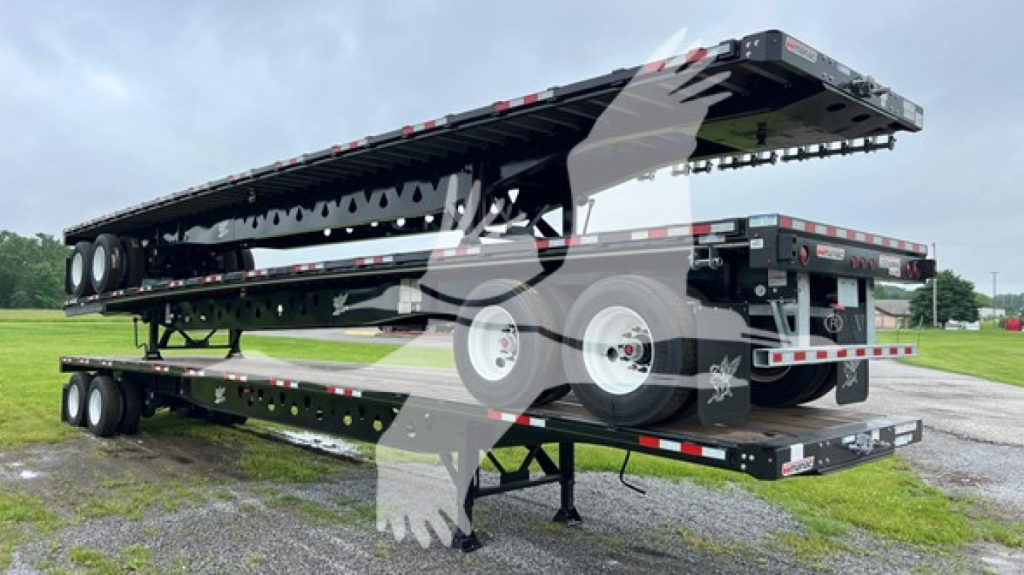
A few specs matter more than others when comparing one Manac flatbed to the next. Floor material is a big one, and 1 1/8-inch Apitong remains a preferred choice because it balances durability, traction, and repairability. Side rail design, winch track placement, pipe spool configuration, and the number of sliding winches directly affect how easily the trailer can be set up for different commodities. Buyers should also pay attention to crossmember spacing, commonly 12 inches on center, because it influences deck support under concentrated loads. Galvanized crossmembers and rear bumpers are worth noting in Ohio and other Rust Belt markets where road salt can shorten trailer life if corrosion protection is weak.
Suspension and axle setup will shape both ride quality and maintenance costs. Manac flatbeds in this class often use tandem axles with a 49-inch sliding tandem, giving operators flexibility for bridge law compliance and axle weight distribution. Spring ride remains common for fleets that want simplicity and lower upfront cost, while air ride is often preferred for more fragile freight, better ride characteristics, and easier dock and load handling. Buyers should also confirm kingpin setting, landing gear brand, tire size, wheel type, and whether the trailer includes details like LED lighting, auto dump valves, or upgraded suspension components. Those smaller spec choices can make a noticeable difference in daily use and long-term uptime.
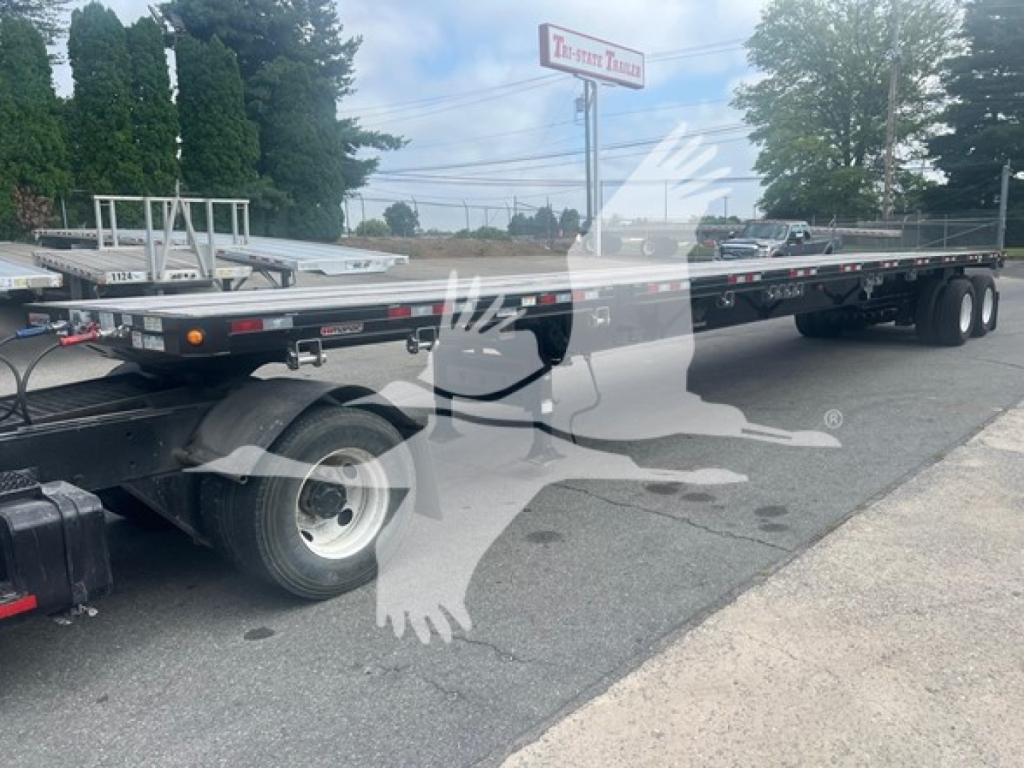
For specialized hauling, a Manac extendable flatbed can open up a wider range of freight without moving into a different trailer class. A 48-foot to 80-foot extendable model is useful for long steel, structural members, pipe, and oversized components that need deck length beyond a standard platform. Extension lock spacing, slide design, and frame construction become especially important on these trailers because they affect ease of operation and stability under changing load lengths. Across the category, the main buying decision comes down to matching deck configuration, suspension type, corrosion resistance, and securement layout to the freight mix you haul most often.
Frequently Asked Questions about Manac Flatbed Trailers in Ohio
What are the most important specs to compare on a Manac flatbed trailer?
The key specs are trailer length, deck width, floor material, crossmember spacing, side rail design, tandem suspension type, kingpin setting, and securement equipment such as winch tracks and sliding winches. A 48-foot by 102-inch deck is common, but the right setup depends on the freight. Apitong flooring, 12-inch crossmember centers, and a sliding tandem are all strong indicators of a work-oriented flatbed, while galvanized components can add long-term value in regions with heavy moisture or road salt exposure.
Is spring ride or air ride better on a flatbed trailer?
Spring ride is usually chosen for its simplicity, lower initial cost, and straightforward maintenance. Air ride is often better for ride quality, cargo protection, and operational flexibility, especially when hauling more sensitive freight or working in applications where deck height and suspension response matter. The right choice depends on commodity mix, maintenance preferences, and how much emphasis you place on ride quality versus cost control.
Why does Apitong flooring matter on a flatbed trailer?
Apitong is widely used on flatbeds because it is dense, durable, and stands up well to chains, coils, dunnage, and repeated forklift loading. It also offers solid traction for drivers working on the deck in changing weather. For many buyers, an Apitong floor is a practical advantage because it tends to wear well and can be repaired in sections over time instead of forcing more extensive deck work early in the trailer's life.
What is the benefit of a sliding tandem on a Manac flatbed?
A sliding tandem helps operators adjust axle position to meet bridge law requirements, improve load distribution, and fine-tune how weight is carried between the tractor and trailer. This is especially useful when freight length, placement, or density changes from load to load. A common 49-inch sliding tandem gives enough adjustment range to make the trailer more versatile across different hauling scenarios.
When does an extendable flatbed make more sense than a standard 48-foot flatbed?
An extendable flatbed makes more sense when the freight regularly exceeds standard deck length but still fits the open-deck flatbed category. Long steel, pipe, structural beams, utility poles, and certain machinery components are common examples. A stretch flatbed gives added deck length without requiring a separate specialized trailer for every load, but buyers should pay close attention to extension design, lock positions, tare weight, and how the trailer performs both closed and extended.