
2024 Flatbed Trailers For Sale in Texas
Shop 2024 flatbed trailers in Texas. Compare 48-foot and 53-foot specs, axle setups, securement options, weight, and freight-ready features.
Have 2024 flatbed trailer to sell? List it here to reach thousands of buyers.
2024 Flatbed Trailers in Texas
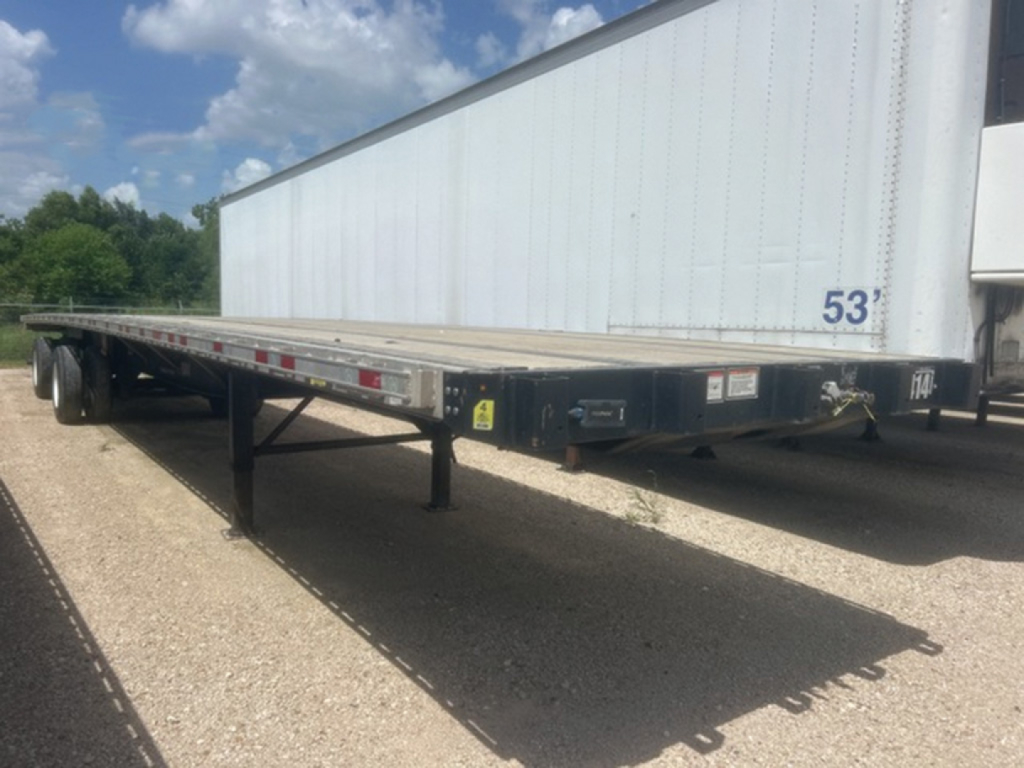
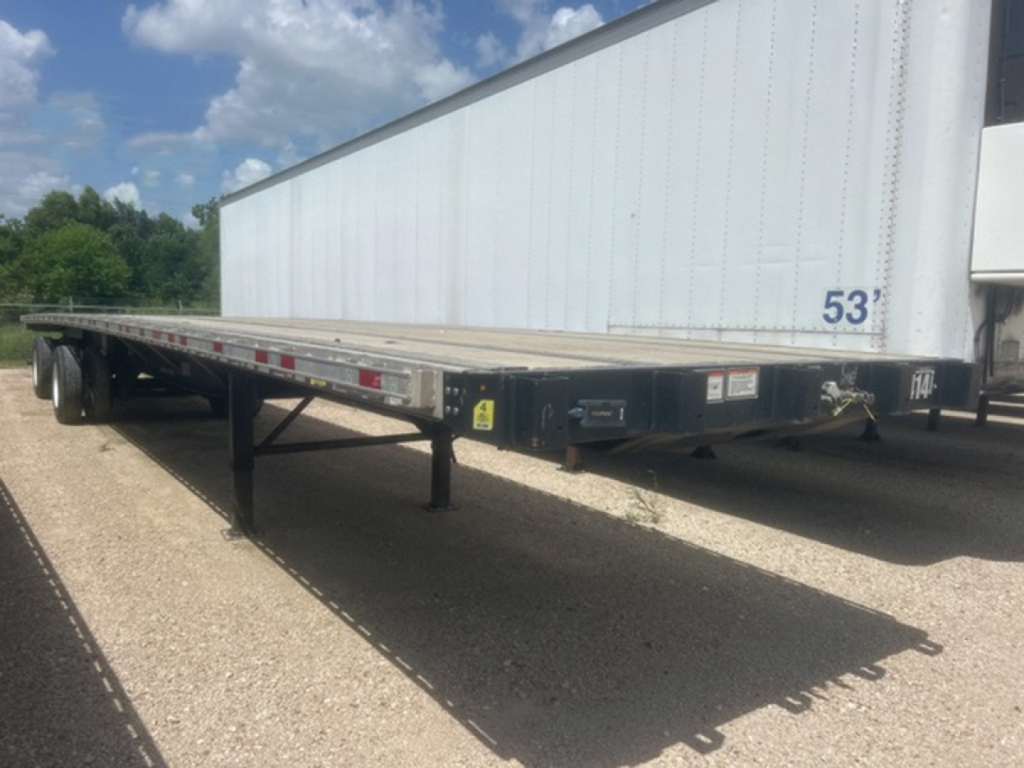
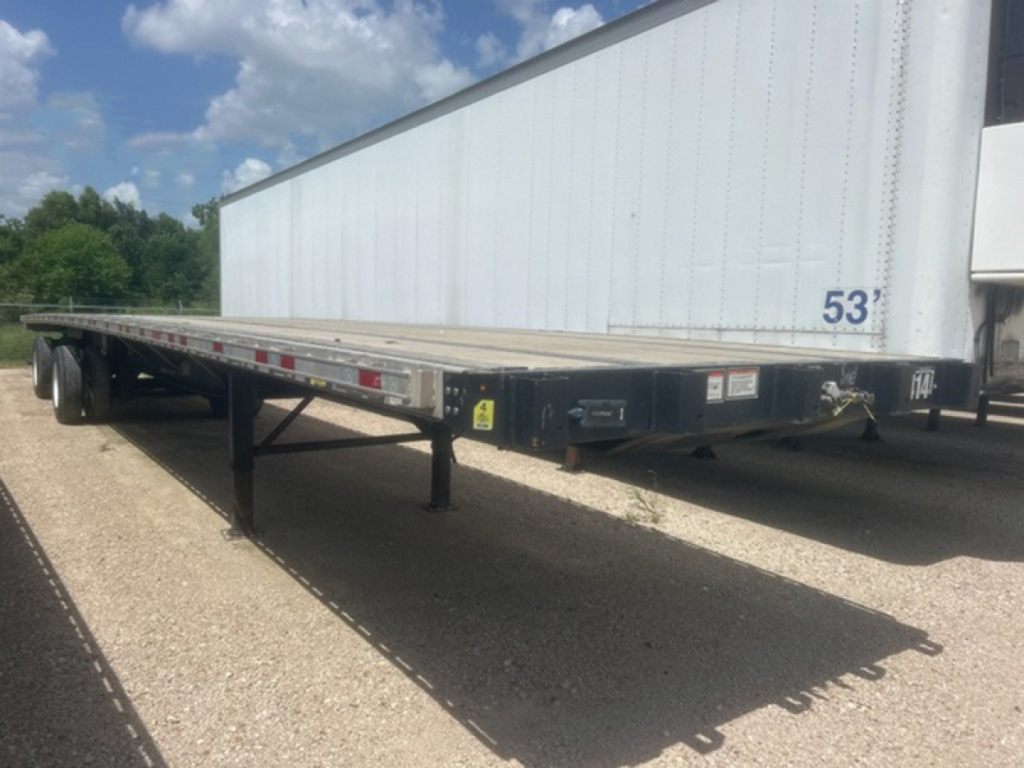
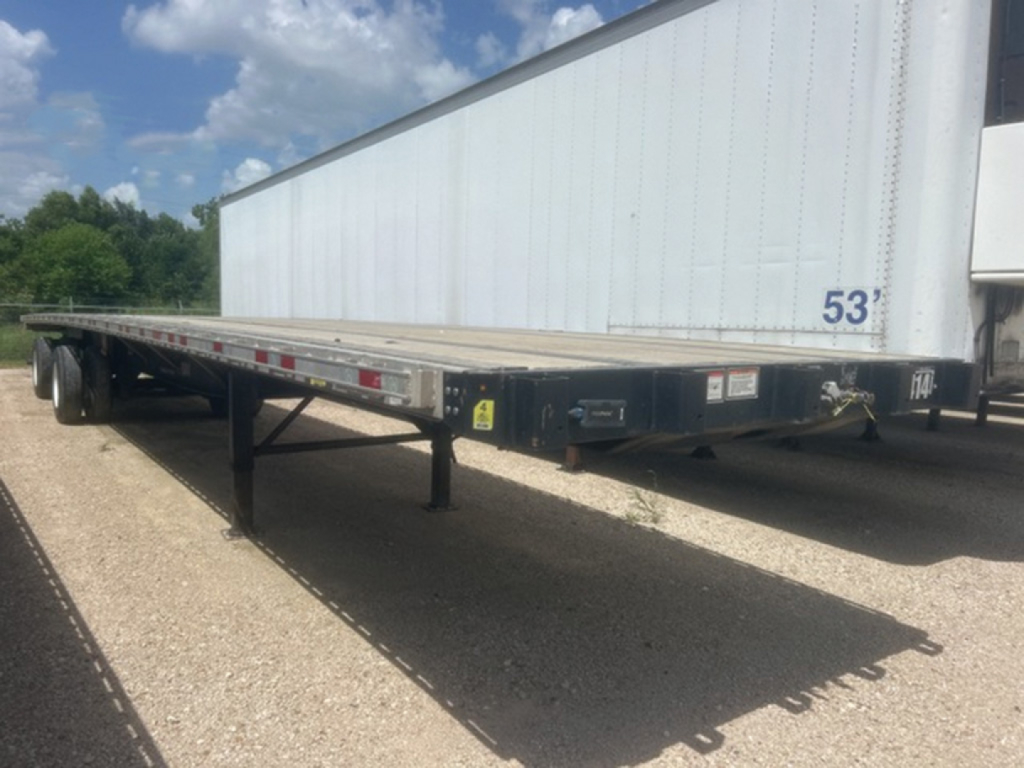
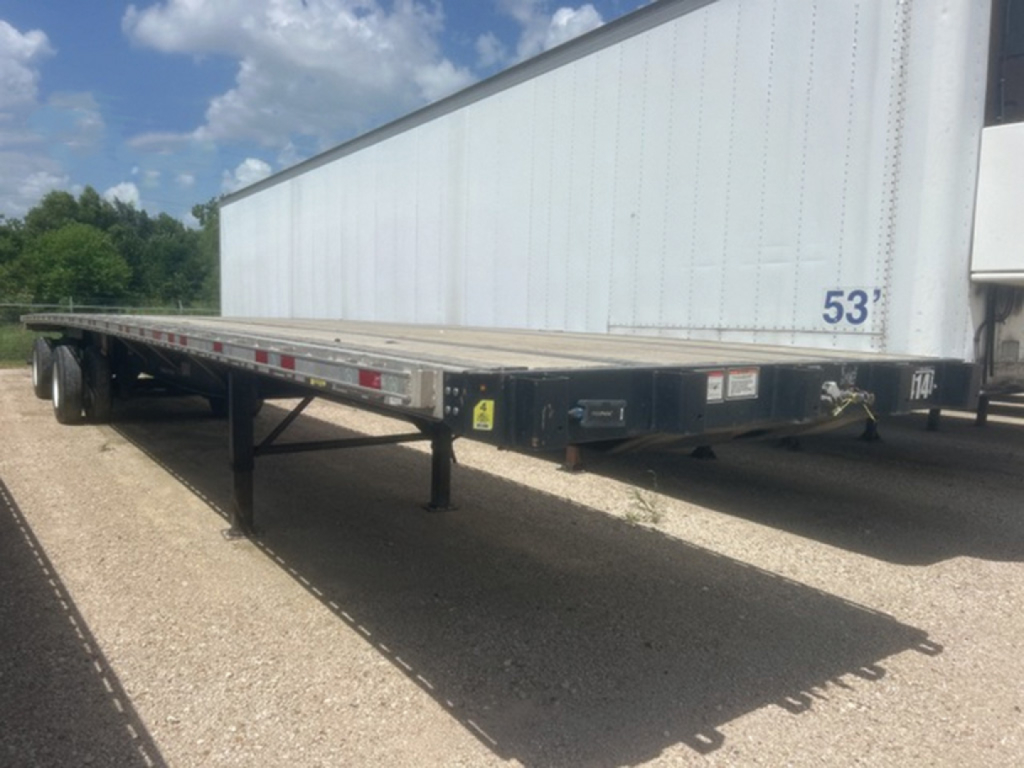
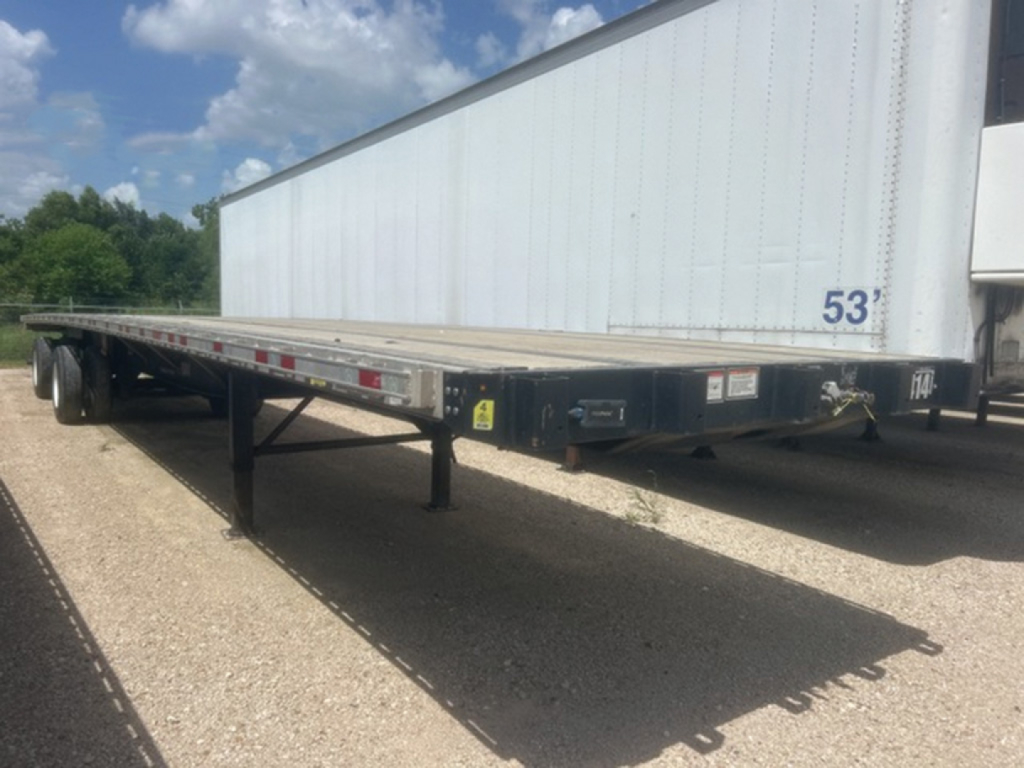
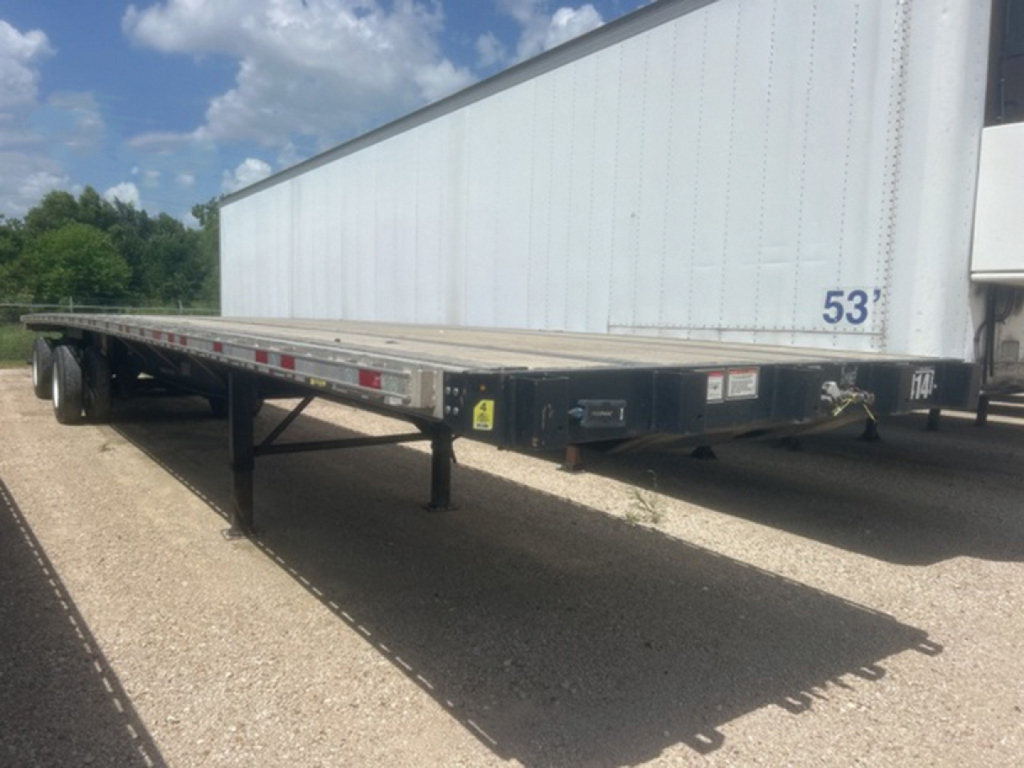
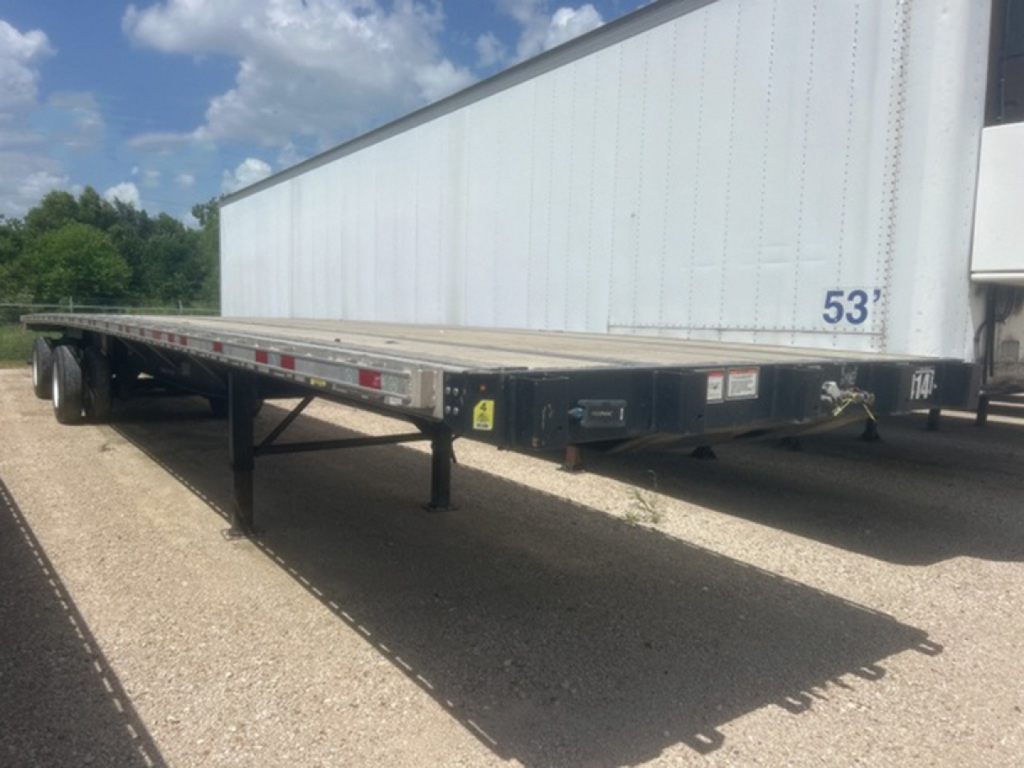
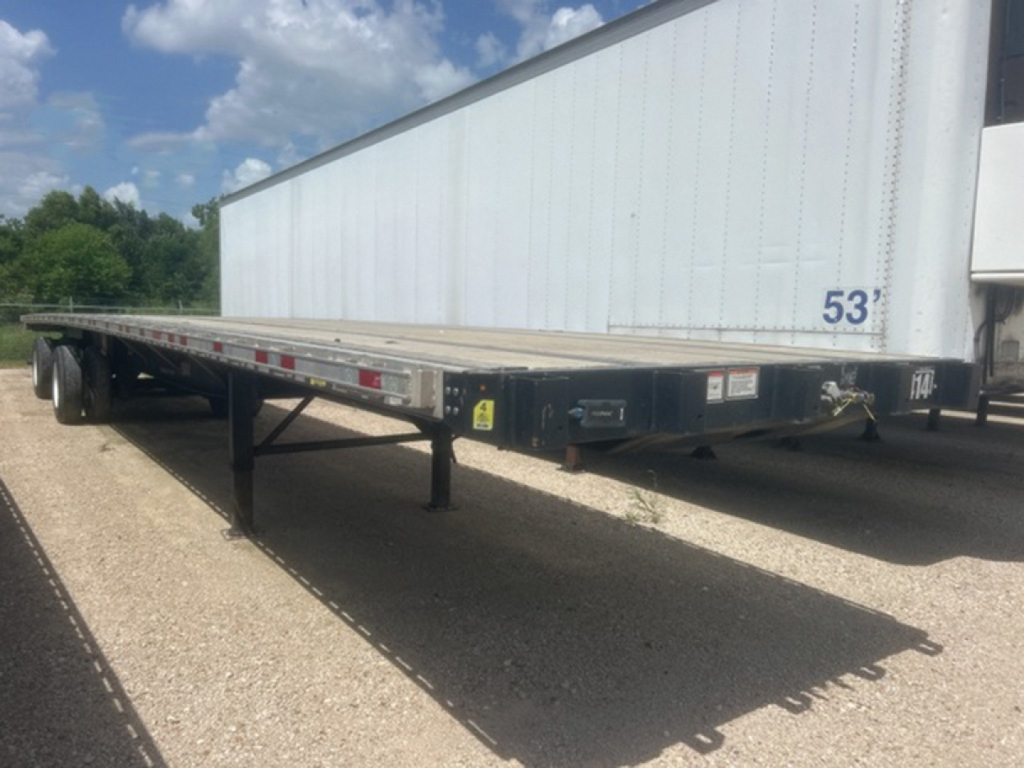
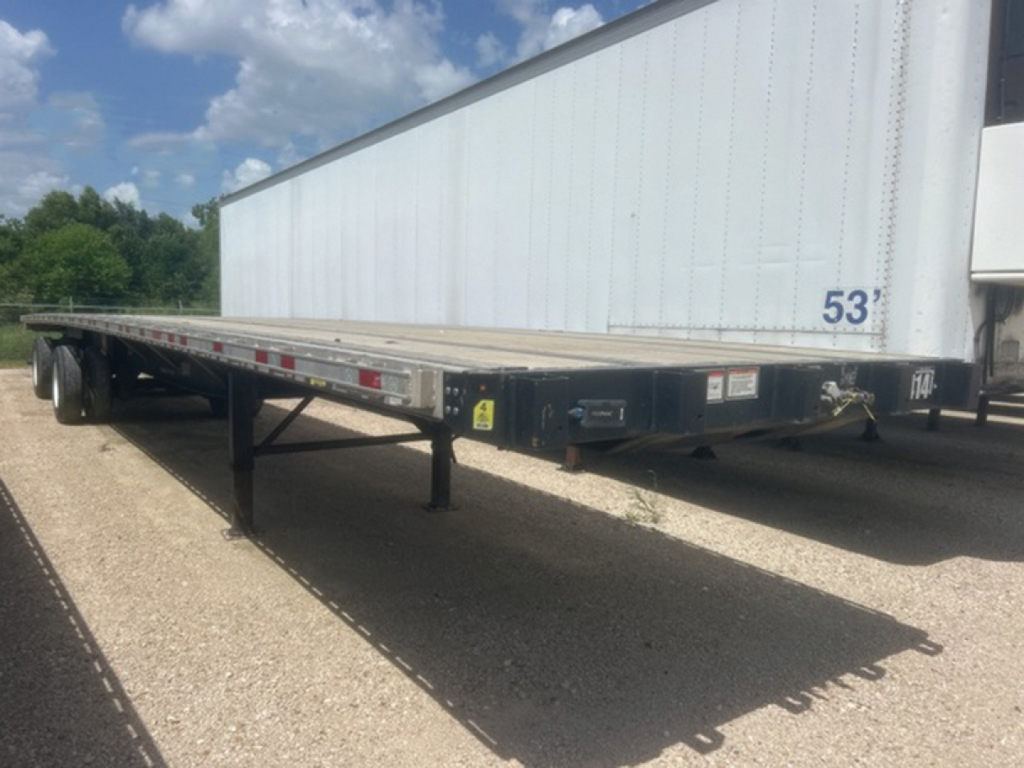
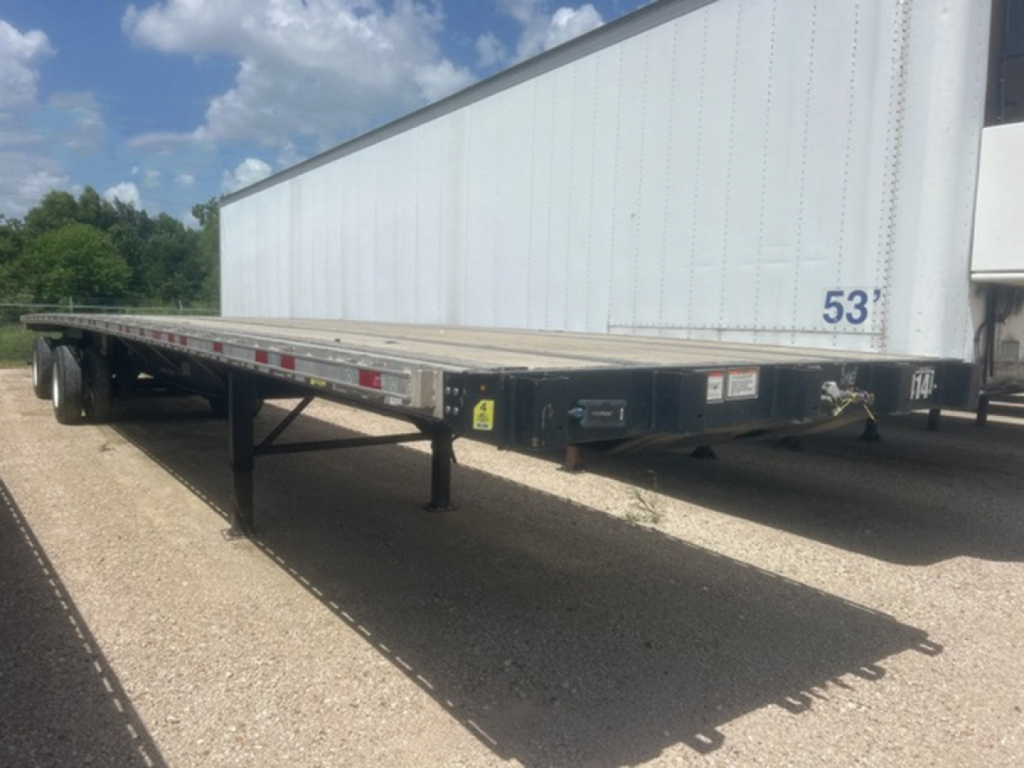
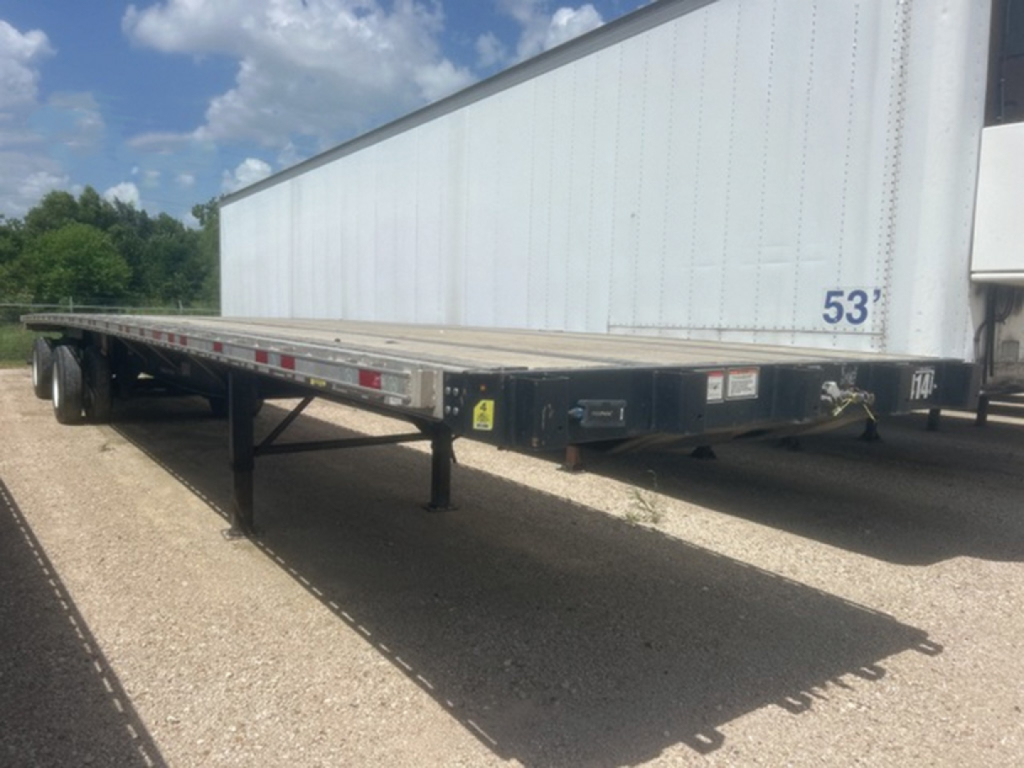
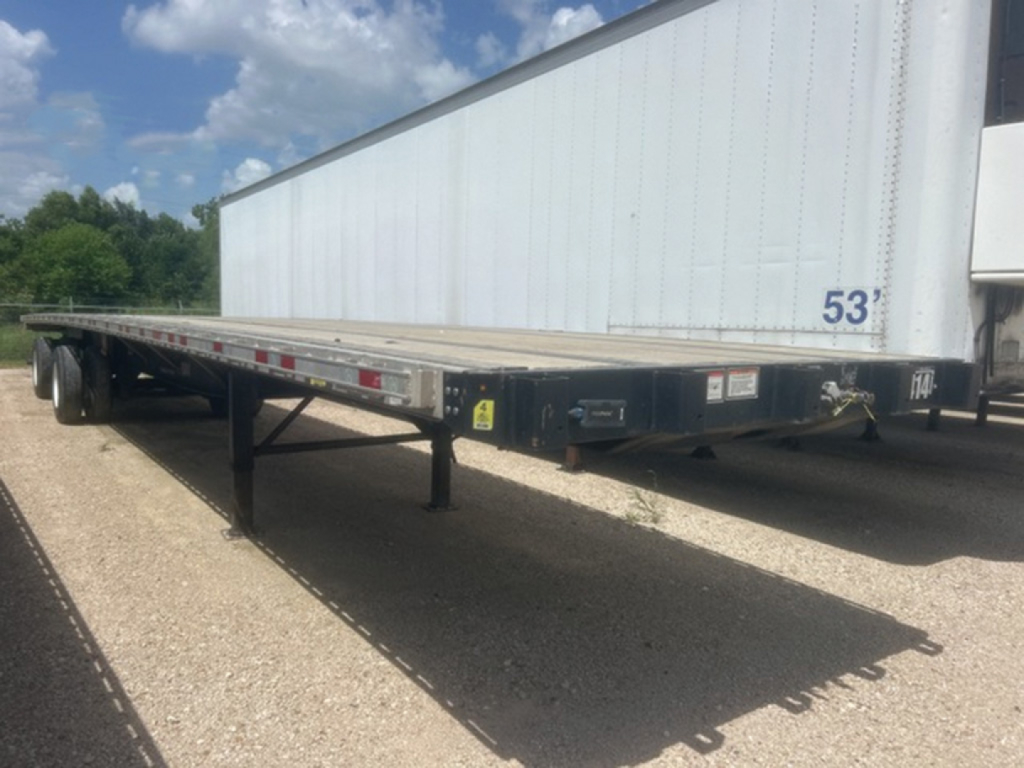
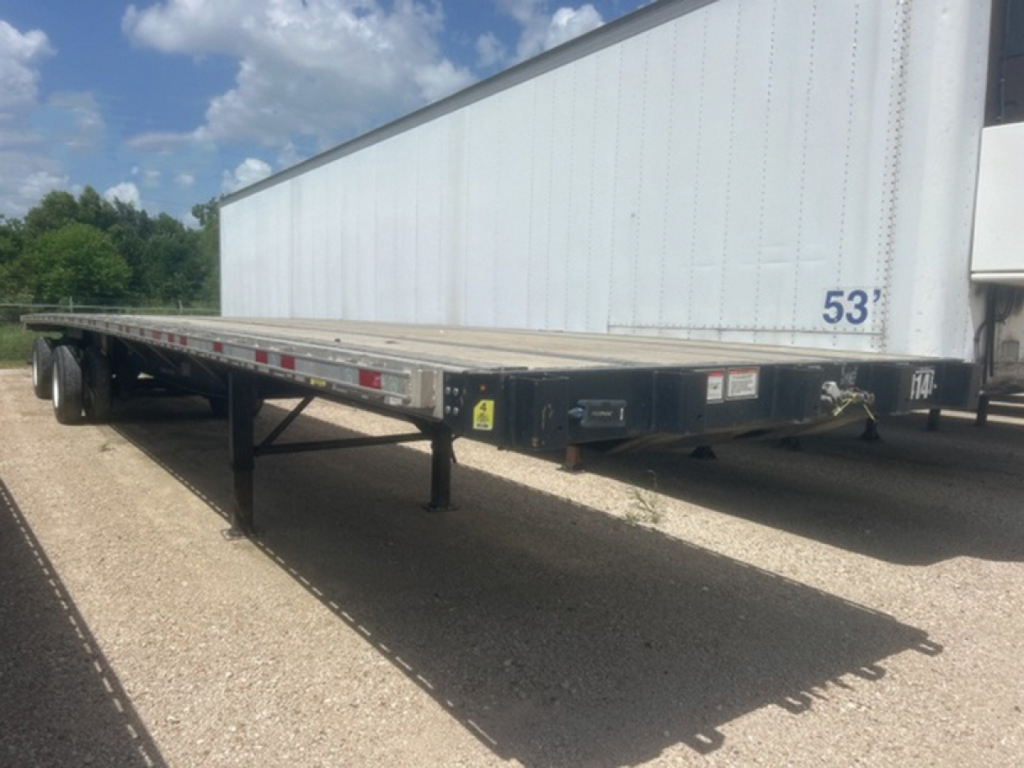
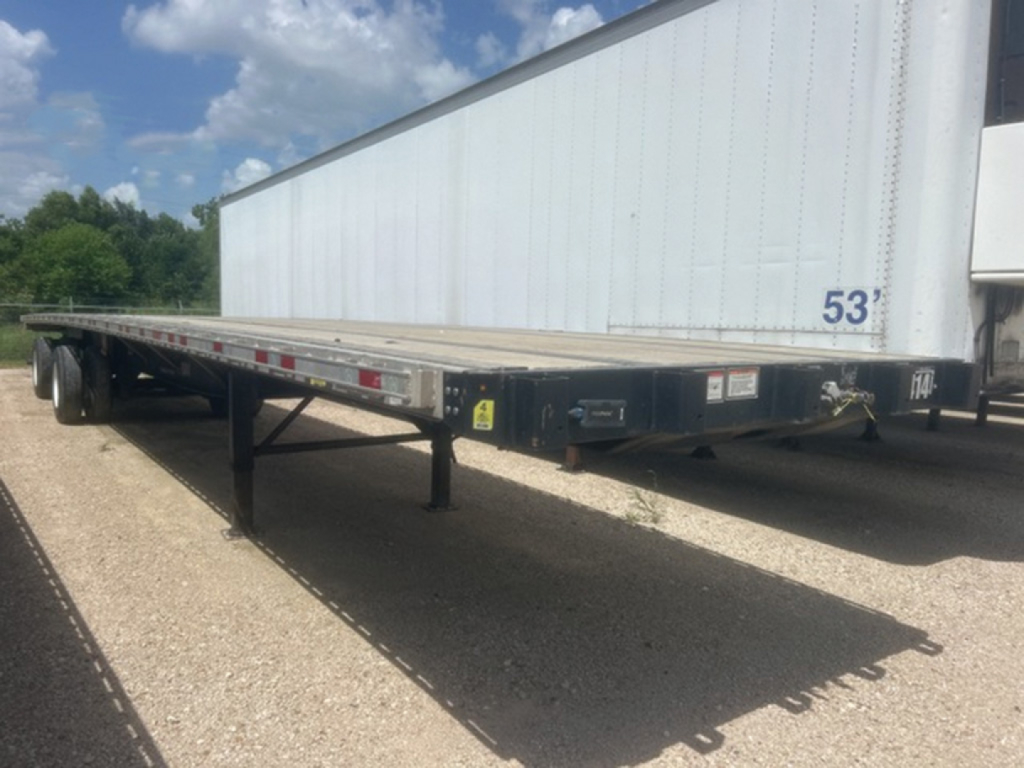
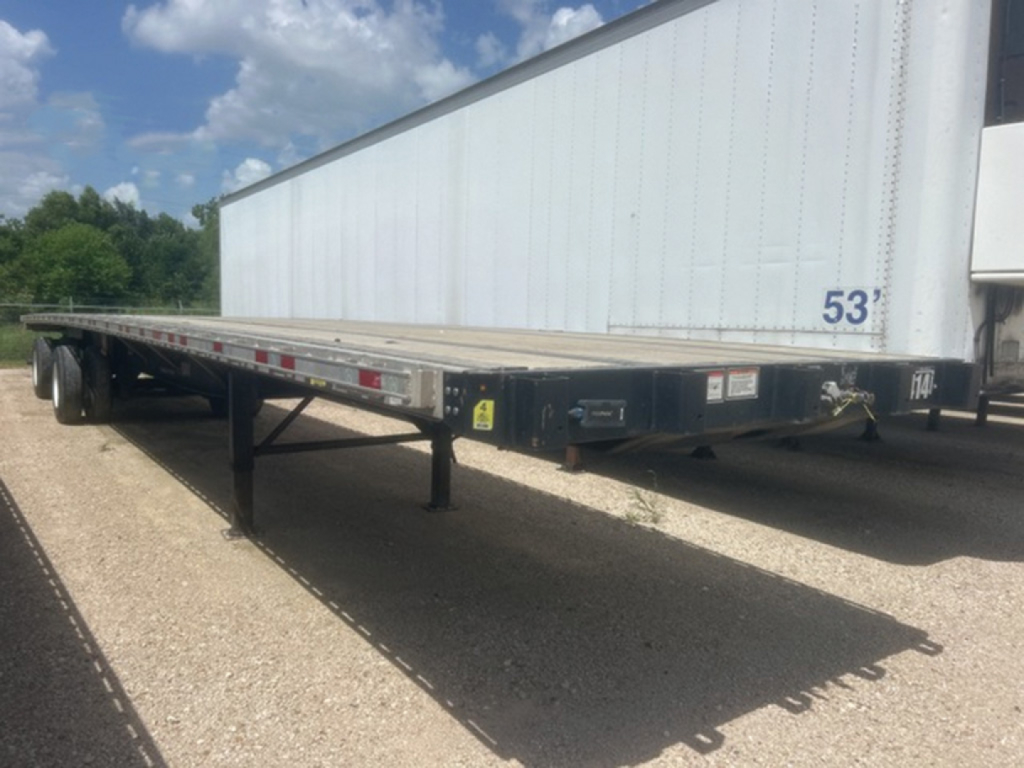
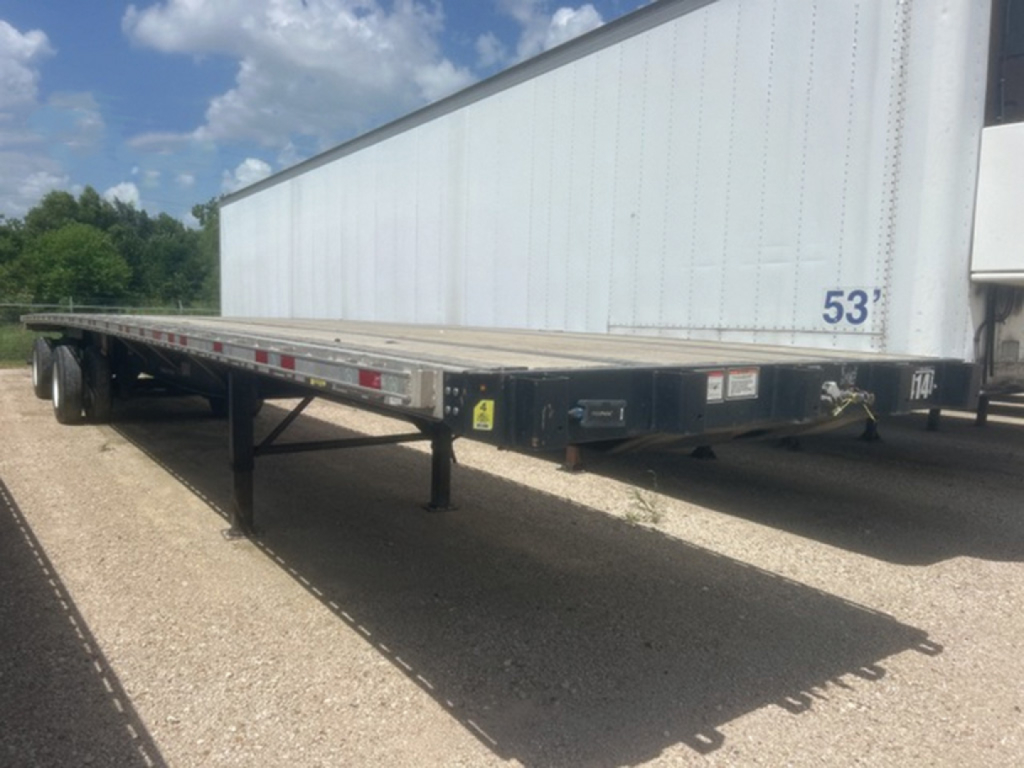
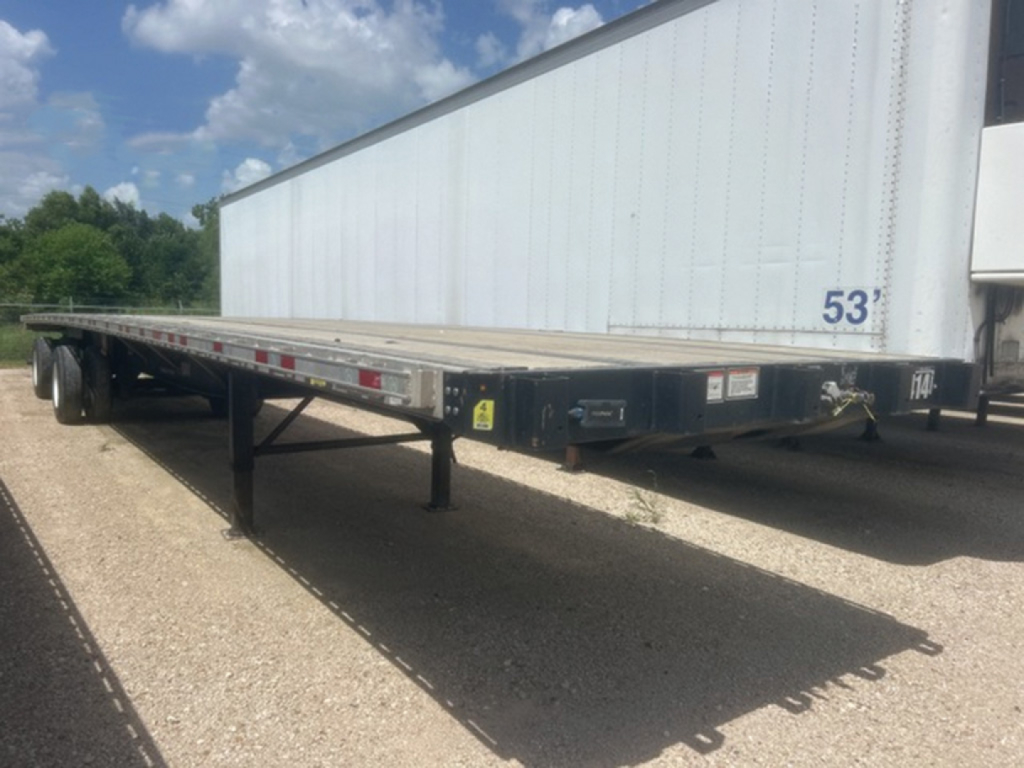
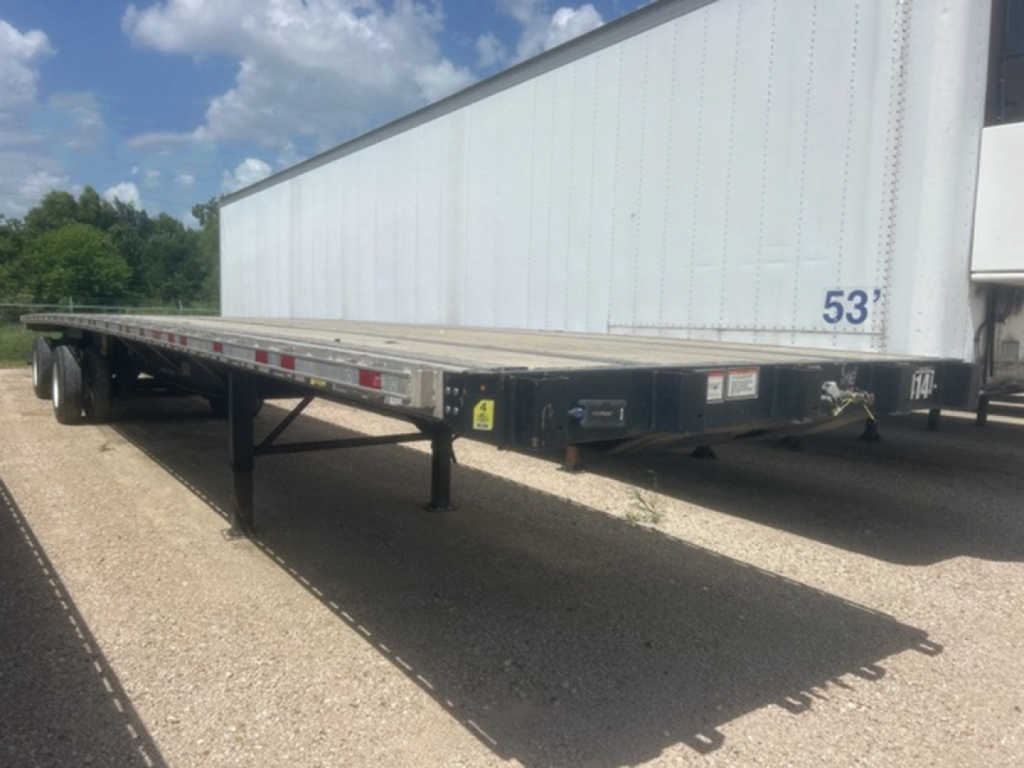
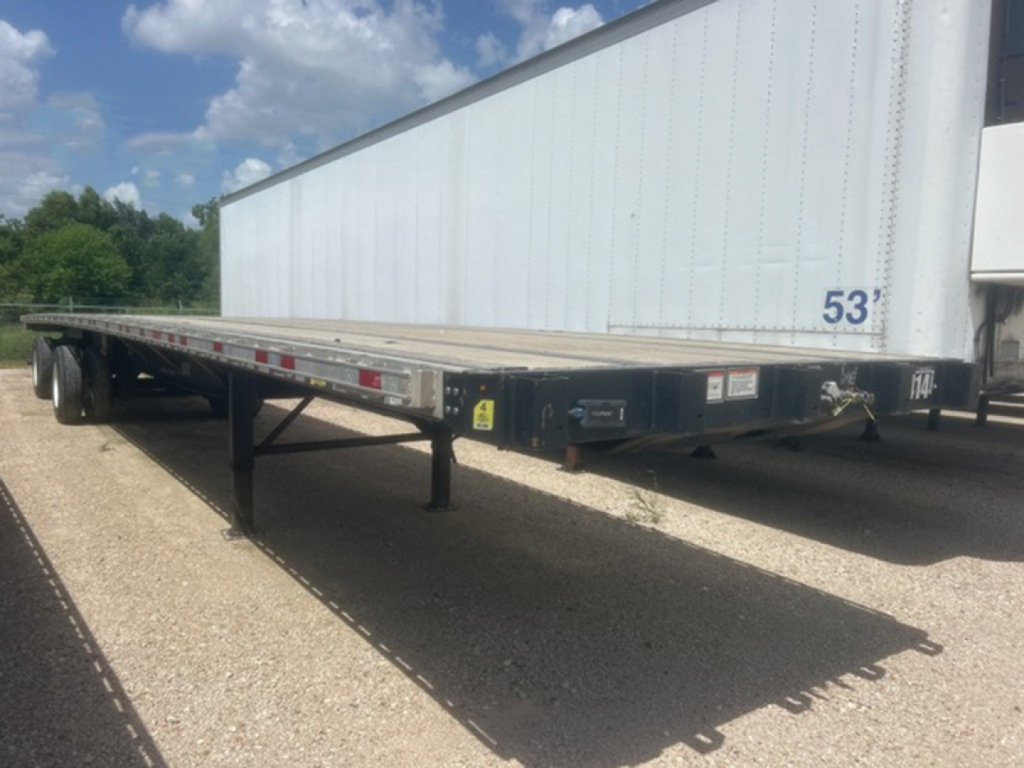
For a buyer comparing 2024 flatbed trailers for sale, the deck and securement package matter as much as the brand. Common specs include aluminum flooring with wood nailer strips, integrated rub rails, stake pockets on 24-inch centers, chain tie-downs recessed into the side rail, and full-length sliding winch tracks with 6 or more sliding winches per side. Coil packages, bulkhead pockets, and forklift kits are important if the trailer will handle steel coils, dedicated building materials, or jobsite unloading. A spread axle flatbed can help with bridge compliance and load distribution, while a tandem with rear axle slide offers flexibility for state bridge laws, dock approach, and California-style axle settings. Kingpin setting, loaded fifth wheel height, and axle spread should be checked against the tractor spec and the lanes the trailer will actually run.
Suspension, tire package, and serviceability also deserve close attention on a late-model flatbed. Air ride suspension is common on newer units because it helps protect freight and trailer structure, especially on rough oilfield roads, secondary highways, and long regional lanes across Texas. Tire inflation systems, dump valves, ABS configuration, low-profile 22.5 tires, and wheel choice all affect uptime and operating cost. Buyers should also look at main beam rating, concentrated load rating, and floor design. A trailer advertised at 80,000 pounds distributed with a 52,000-pound concentrated rating in 4 feet is a very different tool than a lighter-duty flat. If the freight mix includes coils, forklifts, or high point-load machinery, beam flange capacity and deck reinforcement are not secondary details.
In the 2024 model year, many flatbed trailers are ordered with productivity options that directly affect revenue per load: aluminum toolboxes, dock bumpers, LED lighting, bulkheads, chain slots, and integrated securement layouts that reduce loading time. For Texas operations, it is smart to think beyond deck length and ask how the trailer scales, how it turns in tight yards, and how easily it transitions between legal highway freight and specialized work. The best 2024 flatbed trailer is the one whose weight, axle configuration, securement package, and concentrated-load capability match the freight you book every week, not just the heaviest load you haul twice a year.
Frequently Asked Questions about 2024 Flatbed Trailers in Texas
What length is most common for a 2024 flatbed trailer?
The most common lengths are 48 feet and 53 feet. A 48-foot flatbed remains popular for general freight, steel, machinery, and operations that value lighter tare weight and easier maneuverability. A 53-foot flatbed gives more deck space for longer building materials, palletized freight, and loads where every extra foot improves load planning. The right choice depends on the freight profile, state routing, and how often the trailer needs maximum deck length versus lower empty weight.
Should I buy an aluminum, steel, or combo flatbed trailer?
Aluminum flatbeds usually offer the best tare weight and payload advantage, which matters if the operation regularly hauls dense freight near legal limits. Steel trailers can be attractive for severe-duty use and fleets that prefer familiar repair methods, but they typically weigh more. Combo flatbed trailers use both aluminum and steel to balance weight savings with structural durability in high-stress areas. For many buyers, a combo design is the practical middle ground because it supports strong resale value while keeping the trailer versatile across different freight types.
What axle setup is best on a flatbed trailer in Texas?
That depends on where the trailer runs and how the freight is loaded. Spread axle flatbeds are common because they help distribute weight and can improve bridge compliance on certain loads. Tandem axle trailers with a rear axle slide provide flexibility for state regulations, loading dock approach, and specialized lane requirements. If the trailer will run multi-state freight, axle spread, slider range, and kingpin setting should be reviewed with the tractor spec and the routes being served, not chosen on price alone.
Which securement features are most important on a 2024 flatbed trailer?
Full-length winch tracks, sliding winches, stake pockets, rub rails, chain tie-downs, and wood nailer strips are the core features most buyers should expect. Beyond that, the useful options depend on cargo. Coil packages matter for steel service, forklift kits matter for jobsite deliveries, and bulkhead pockets can help on dedicated applications. A good securement layout reduces loading time, makes legal tie-down placement easier, and prevents the trailer from being locked into only one type of freight.
How important is concentrated load rating on a flatbed trailer?
It is critical if the trailer will haul steel coils, machinery, or other freight that places heavy weight in a short section of the deck. Distributed load rating tells you what the trailer can carry across the full deck, but concentrated load rating tells you how much weight the structure can support in a tight footprint, such as 4 feet. Buyers who ignore concentrated rating can end up with a trailer that looks correct on paper but is poorly matched to the actual freight being loaded.