
2014 Flatbed Trailers For Sale in Colorado
Shop 2014 flatbed trailers for sale in Colorado. Compare deck materials, axle setups, tie-down options, and specs for steel hauling.
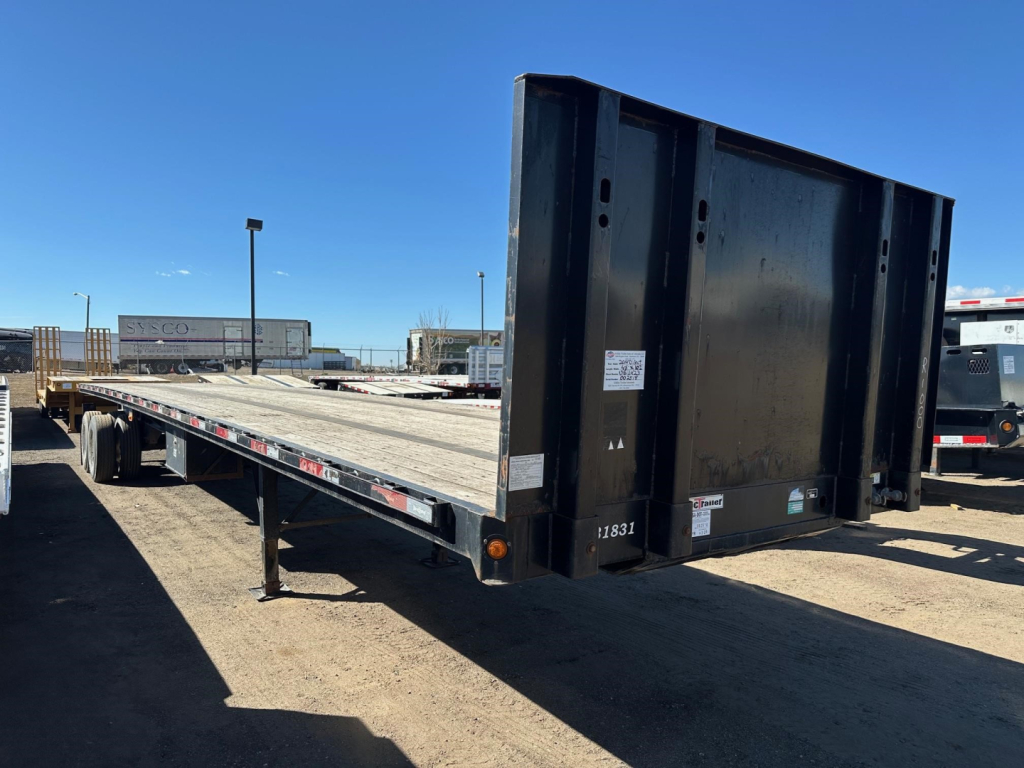
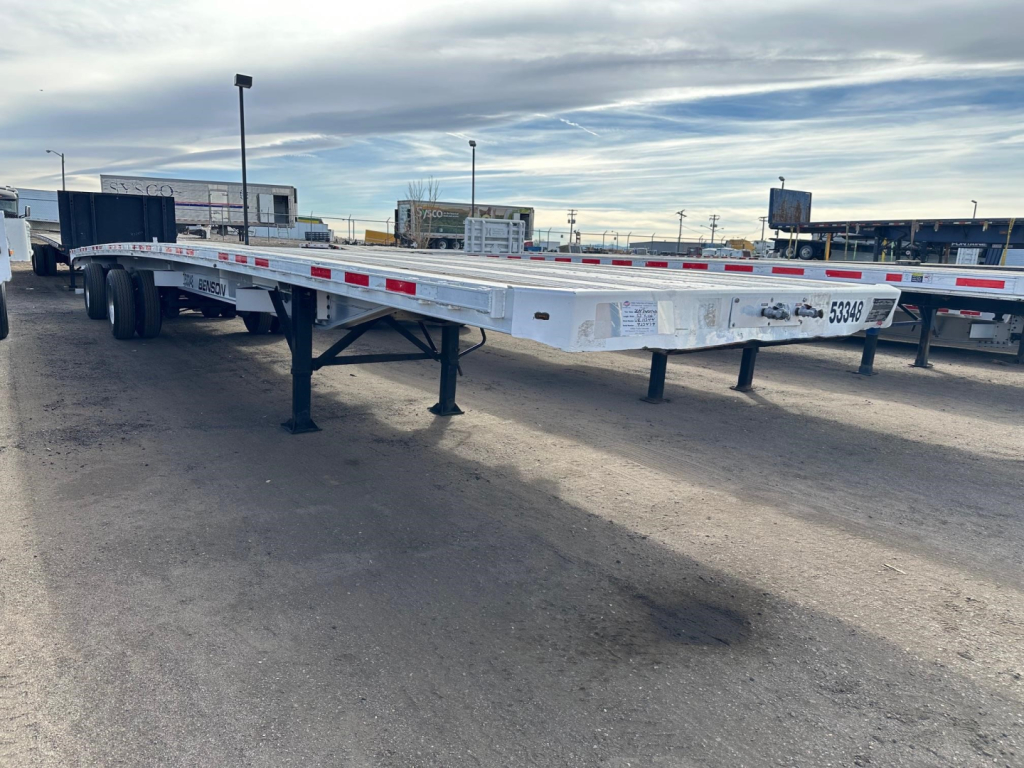
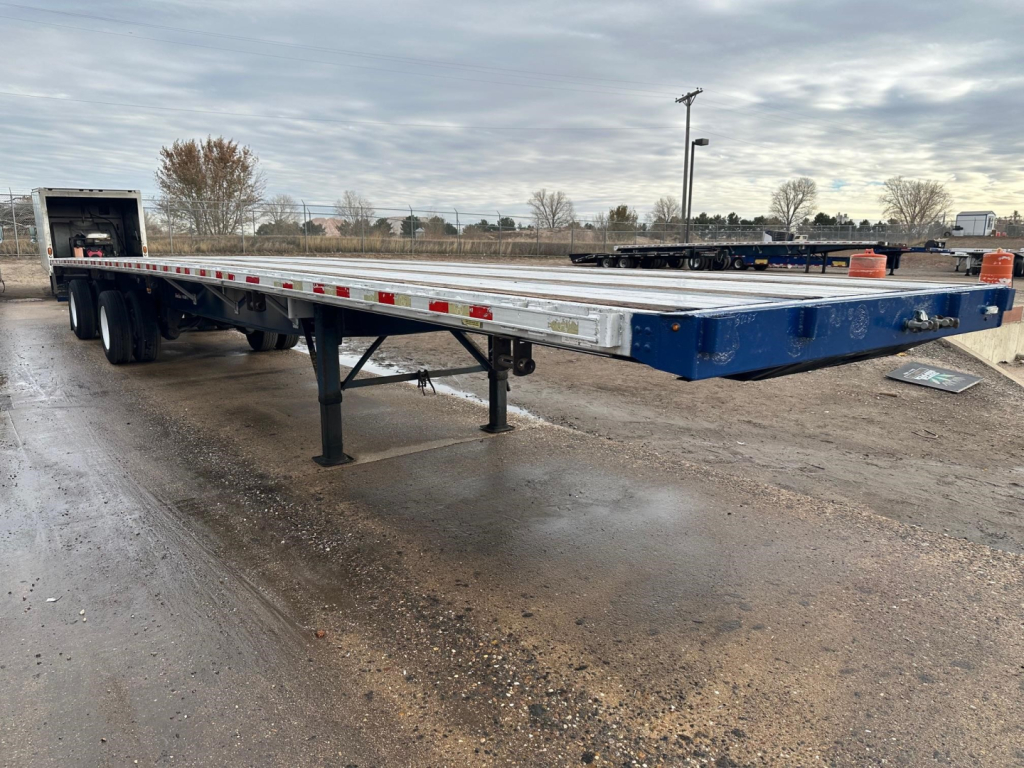
Selling a 2014 flatbed trailer? List your 2014 flatbed trailer for sale and reach thousands of commercial buyers.
2014 Flatbed Trailers in Colorado
Spec choices matter more than model year alone. Many 2014 flatbed trailers are 48-foot or 53-foot by 102-inch wide, with configurations ranging from all-steel construction to combo designs with steel main beams and aluminum crossmembers, rails, or decking. A combo flatbed usually helps reduce tare weight and improve payload flexibility, while a steel flatbed may appeal to fleets that prioritize durability in severe-duty hauling. Deck material is another major buying point. Aluminum decking is lighter and corrosion-resistant, while wood, including apitong, is often preferred for traction, repairability, and forklift-friendly loading. Features such as nail strips, stake pockets, pipe spools, sliding winches, winch tracks, and coil packages are especially important if the trailer will handle varied securement requirements.
Axle layout and suspension should match the freight lanes and state regulations. In Colorado, mountain grades, weather swings, and mixed highway conditions make brake condition, tire quality, and suspension performance especially important. Buyers will commonly find fixed spread axle, closed tandem, and sliding tandem configurations on 2014 flatbeds. Spread axles can improve weight distribution and deck stability, while sliding tandems offer better bridge-law flexibility and dock maneuverability. Air ride suspension is common and helps protect sensitive loads, while spring ride may be found on more basic or vocational setups. Tire inflation systems, aluminum wheels, dump valves, and sliding axle arrangements can add operating convenience and reduce downtime when spec'd correctly.
The best 2014 flatbed trailer is the one that fits the freight first. A trailer set up for coil hauling, pipe, or forklift work will not always be ideal for general commodity freight. Look closely at deck height, kingpin setting, overall weight, securement hardware, and signs of previous frame or rail repair. Buyers comparing used flatbed trailers should also inspect the ICC bumper, lights, air system, ABS function, landing gear, and any evidence of concentrated load damage near the coil well or axle group. A well-kept 2014 flatbed can still deliver solid service life, especially when the trailer’s materials, axle configuration, and securement package match the day-to-day work.
Frequently Asked Questions about 2014 Flatbed Trailers in Colorado
What should I inspect first on a 2014 flatbed trailer?
Start with the structure. Check the main beams, crossmembers, outriggers, and side rails for cracks, corrosion, bends, and signs of welded repair. Then inspect the deck for rot, gouging, loose fasteners, or crushed areas from forklift traffic and concentrated loads. After that, move to suspension, brakes, tires, wheel ends, air lines, lights, and landing gear. On a used flatbed, structural condition usually matters more than cosmetic appearance.
Is a combo flatbed better than an all-steel flatbed?
It depends on the application. A combo flatbed typically uses steel main beams with aluminum crossmembers, rails, or decking to reduce tare weight and improve payload capacity. An all-steel flatbed often weighs more but can be attractive in rugged service where impact resistance and repair familiarity matter. Buyers hauling dense freight should compare empty weight closely, while buyers in harsh-duty environments may put more value on long-term structural durability.
What flatbed features are most important for hauling steel, pipe, or coil?
Securement equipment is critical. Stake pockets, sliding winches, winch tracks, pipe spools, chain tie-down points, and a properly spec'd coil package all affect how safely and efficiently the trailer can handle steel products. Deck type also matters because steel freight places high point loads on the floor. Buyers hauling coil should verify the coil package is intact and inspect the surrounding frame area for fatigue or previous damage from concentrated weight.
Which axle setup is best on a flatbed trailer in Colorado?
There is no single best setup, but the terrain and freight pattern matter. Spread axles can improve load distribution and are common on open-deck trailers hauling longer freight. Sliding tandems provide more flexibility for bridge laws, turning radius, and dock access. In Colorado, where routes may include grades, weather changes, and mixed road conditions, buyers should also prioritize brake performance, suspension condition, and tire quality along with axle layout.
How long can a 2014 flatbed trailer stay productive?
A 2014 flatbed trailer can remain productive for many years if the frame, deck, and running gear have been maintained and the trailer has not been overstressed. Service life depends heavily on load type, climate exposure, maintenance intervals, and previous repairs. A trailer used in heavy steel service will age differently than one used in lighter general freight. Careful inspection and maintenance records are the best indicators of remaining value and usable life.