
2014 Flatbed Trailers For Sale
Shop 2014 flatbed trailers for sale. Compare 48' x 102" specs, steel vs combo construction, axle setups, deck types, and securement features.
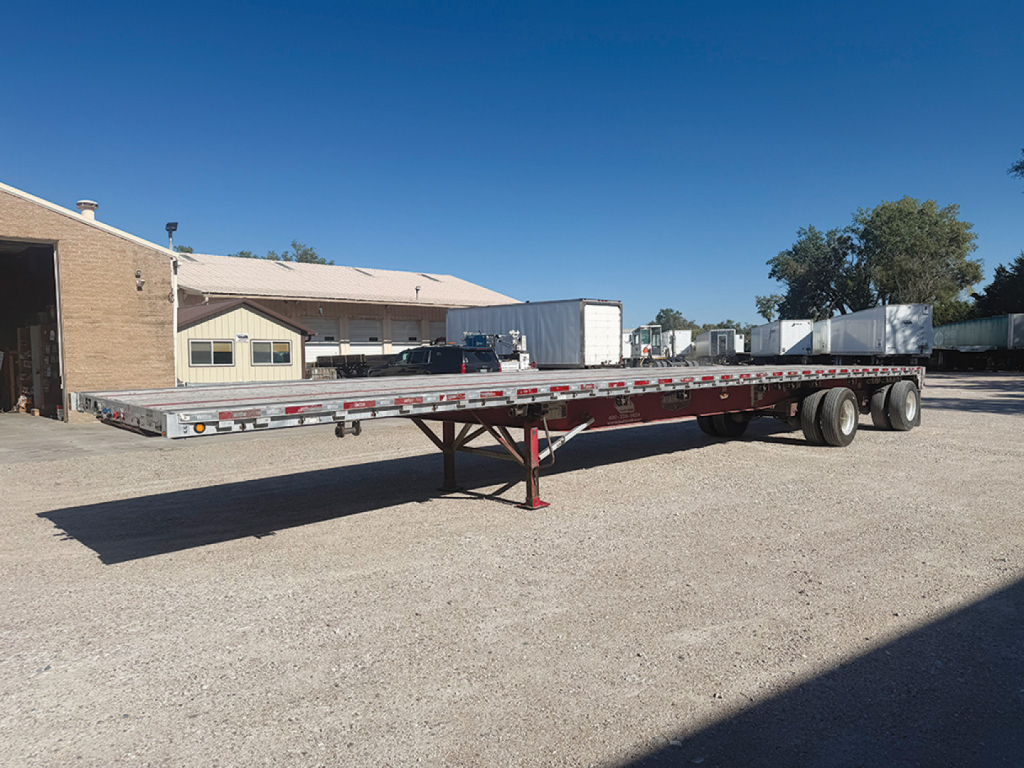
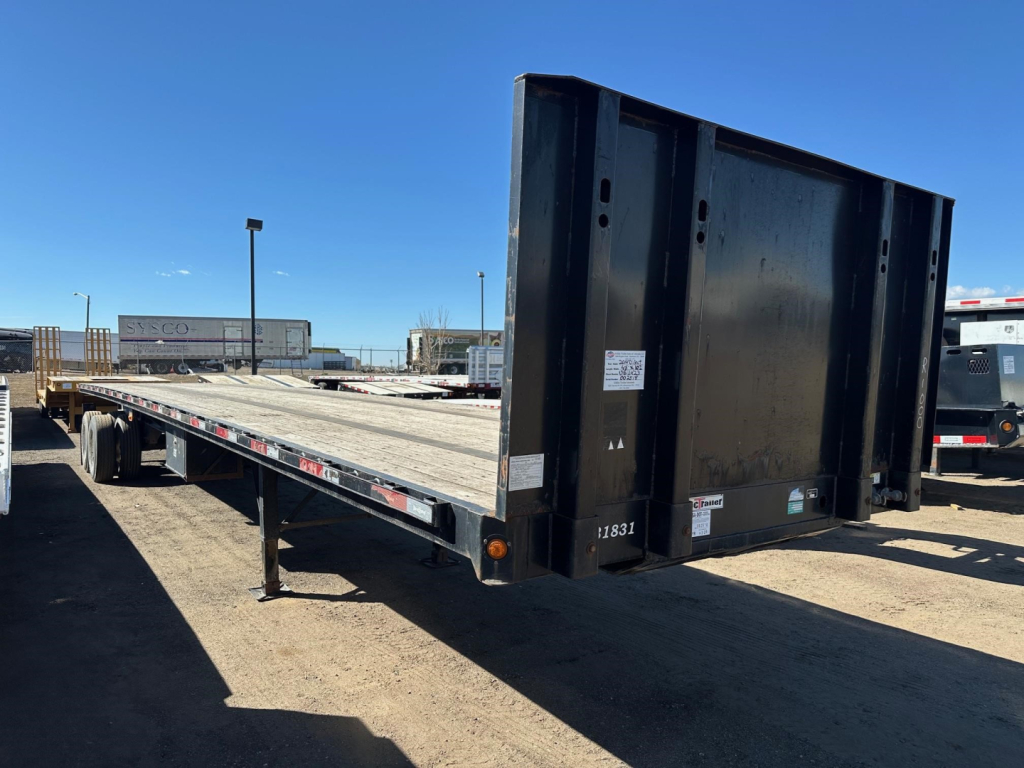
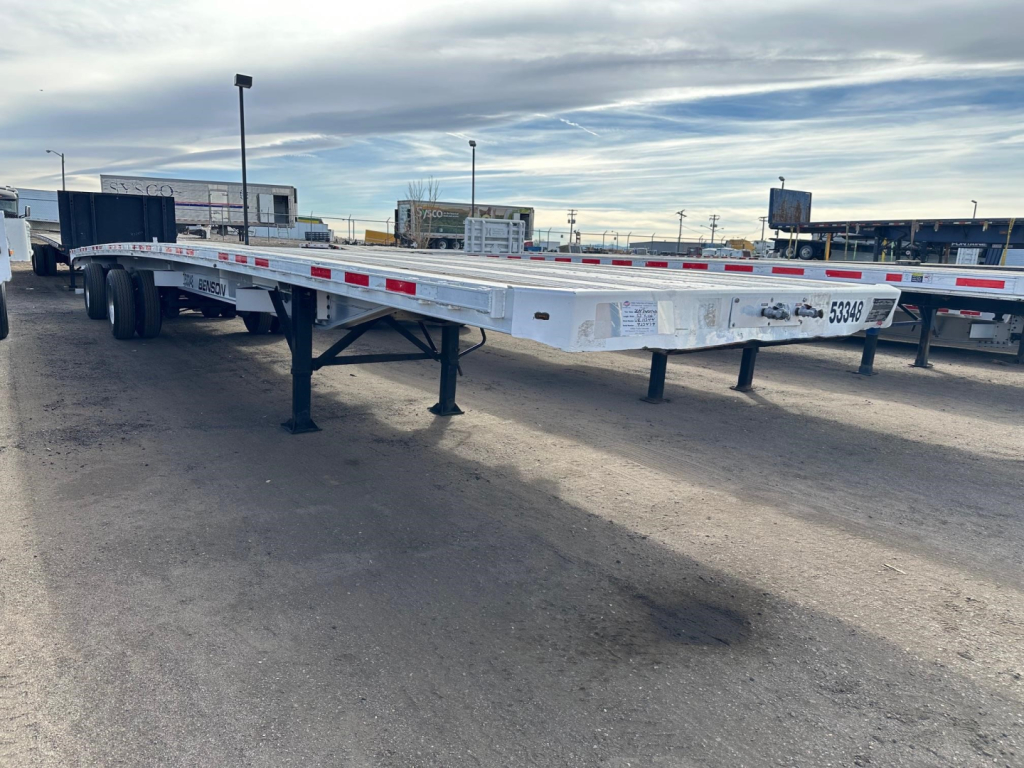
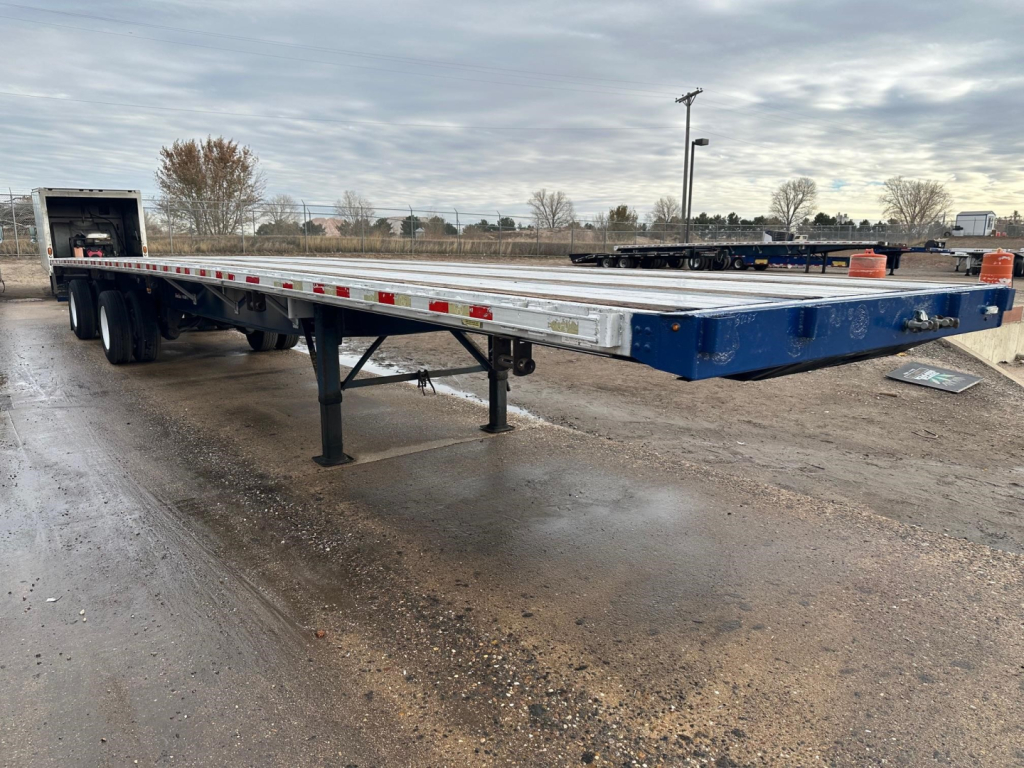
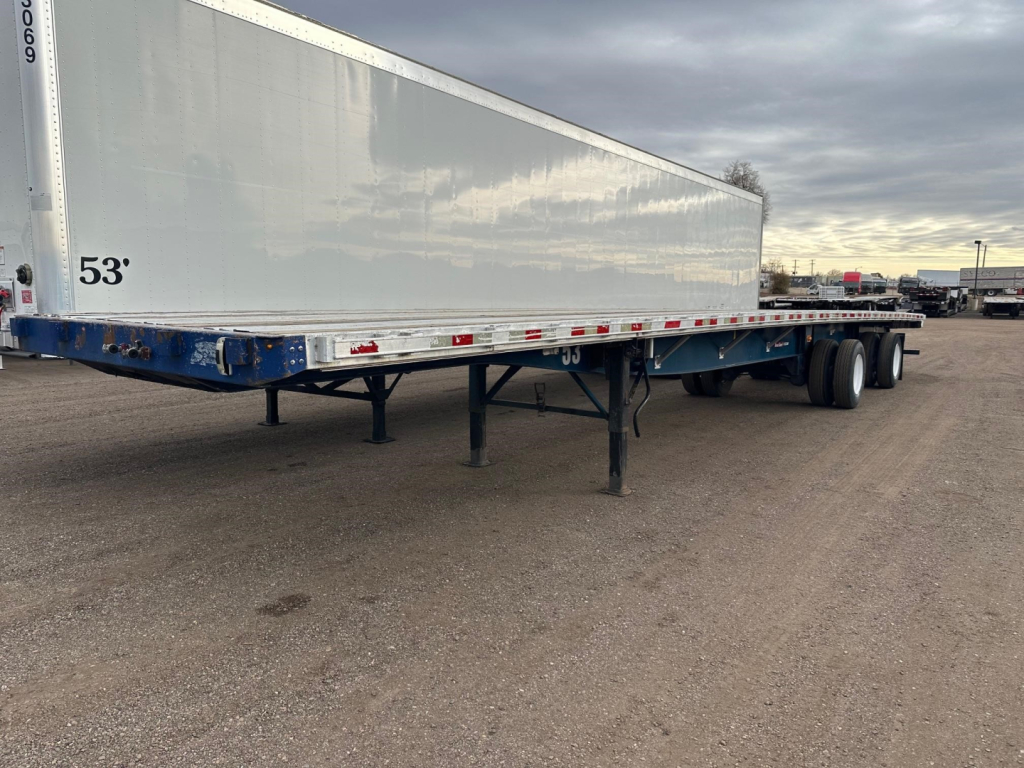
Selling a 2014 flatbed trailer? List your 2014 flatbed trailer for sale and reach thousands of commercial buyers.
2014 Flatbed Trailers
Securement and loading layout should be evaluated as closely as the frame itself. Many 2014 flatbed trailers are equipped with stake pockets, pipe spools, winch tracks, and sliding winches, but the quantity and placement vary a lot from one trailer to another. A coil package is important if steel coils are part of the freight mix, and recessed chain ties can make a difference for operators hauling machinery, building products, or dense industrial freight. Buyers should also look at kingpin setting, bulkhead configuration, landing gear condition, and crossmember spacing. A 30-inch kingpin setting is common, and 12-inch crossmember centers are often preferred for better deck support under concentrated loads such as forklifts, palletized freight, or steel products.
Suspension and axle layout affect both legal loading strategy and daily drivability. In the 2014 market, tandem slider flatbeds are still a common choice because they offer flexibility for bridge law compliance and dock positioning. Fixed spread axle and spread air ride trailers are also popular for operators focused on stability and weight distribution, especially in regional or dedicated lanes. Air ride is generally favored for ride quality and cargo protection, while spring ride can still appeal to buyers who want mechanical simplicity and lower maintenance cost. Tire size, wheel type, hub condition, brake setup, and any axle dump or tire inflation system should all be checked closely on an older trailer, since these components have a direct impact on operating cost after purchase.
For a used 2014 flatbed, condition is more important than brand decal alone. Pay attention to frame cracks, rail damage, corrosion at crossmember connections, deck wear, suspension bushing condition, brake life, and signs of hard forklift loading near the rear. Measure deck height if overhead clearance or loading angle matters in your operation. Review tare weight against the kind of freight you plan to haul, and make sure the trailer's securement layout matches your commodity mix. A well-kept 2014 flatbed can still be a productive trailer for lumber, steel, machinery, building materials, and general open-deck freight, provided the structure, suspension, and securement package fit the work.
Frequently Asked Questions about 2014 Flatbed Trailers
What should I inspect first on a 2014 flatbed trailer?
Start with the structure. Check the main beams, crossmembers, side rails, and suspension hangers for cracks, repairs, corrosion, or impact damage. Then inspect the deck for rot, gouging, broken boards, or evidence of repeated concentrated forklift loading. After that, look at brakes, tires, hubs, airbags or springs, bushings, lighting, and landing gear. On a trailer from this model year, overall maintenance history and structural condition usually matter more than cosmetic appearance.
Is a 2014 steel flatbed better than a 2014 combo flatbed?
It depends on the freight and operating priorities. A steel flatbed is typically heavier but often less expensive to buy and can be a good fit for tough applications where durability is the main concern. A combo flatbed uses steel where strength is needed and aluminum where weight savings help, which can improve payload and fuel efficiency. Buyers hauling weight-sensitive freight often prefer combo construction, while buyers focused on lower acquisition cost may lean toward steel.
What size is most common for a 2014 flatbed trailer?
The most common size is 48 feet long by 102 inches wide. That configuration remains the standard for general freight because it balances legal dimensions, cargo flexibility, and compatibility with common loading docks and securement practices. Shorter lengths and specialized setups can be found, but 48' x 102" is the benchmark most buyers compare against in the used flatbed market.
Are spread axle flatbeds better than tandem sliders?
Each has advantages. A spread axle flatbed can offer good stability and weight distribution, and many operators like the ride and handling for dedicated lanes. A tandem slider gives more flexibility for bridge law compliance, axle adjustment, and maneuvering in tighter facilities. Buyers running varied freight in multiple states often prefer slider tandems, while dedicated operations may find a fixed spread axle easier to live with.
What securement features are important on a used flatbed trailer?
Stake pockets, pipe spools, winch tracks, sliding winches, chain ties, and a coil package are the core items to review. The right setup depends on the freight. Lumber and building materials may rely heavily on winches and straps, while steel, machinery, and dense cargo often need strong chain tie options and coil securement capability. The number, spacing, and condition of these features matter because retrofitting securement hardware adds cost and may not match the factory layout.