
2011 Flatbed Trailers For Sale in Pennsylvania
Shop 2011 flatbed trailers in Pennsylvania. Compare 48' to 53' specs, aluminum or steel construction, axle setup, tie-down gear, and suspension.
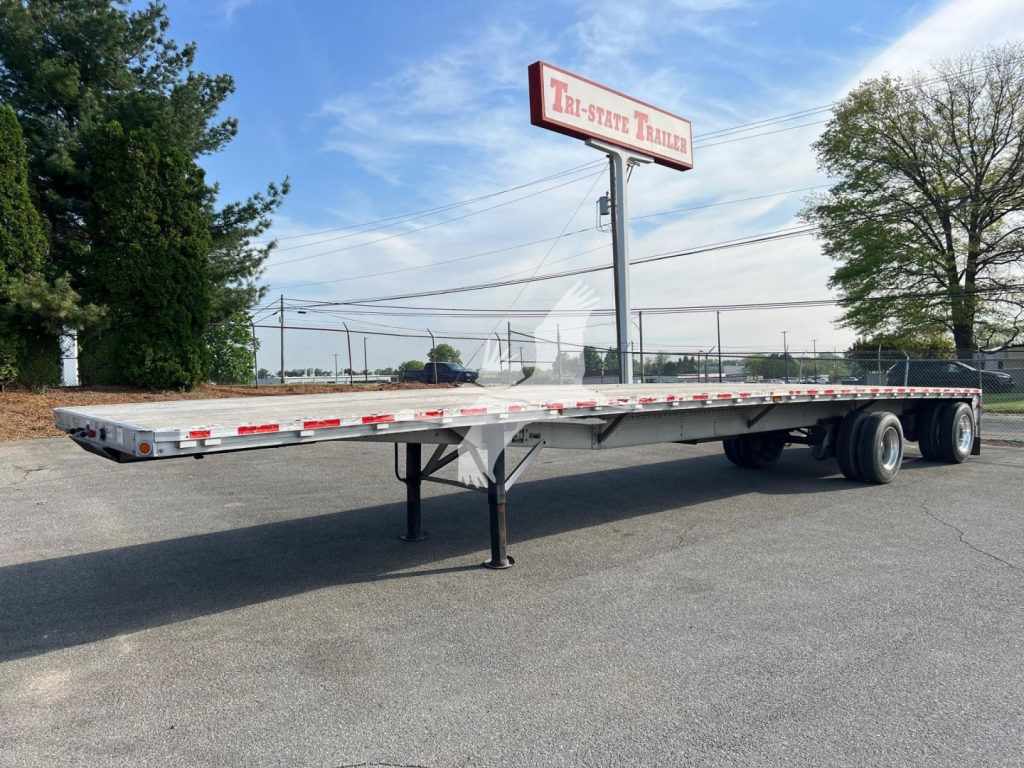
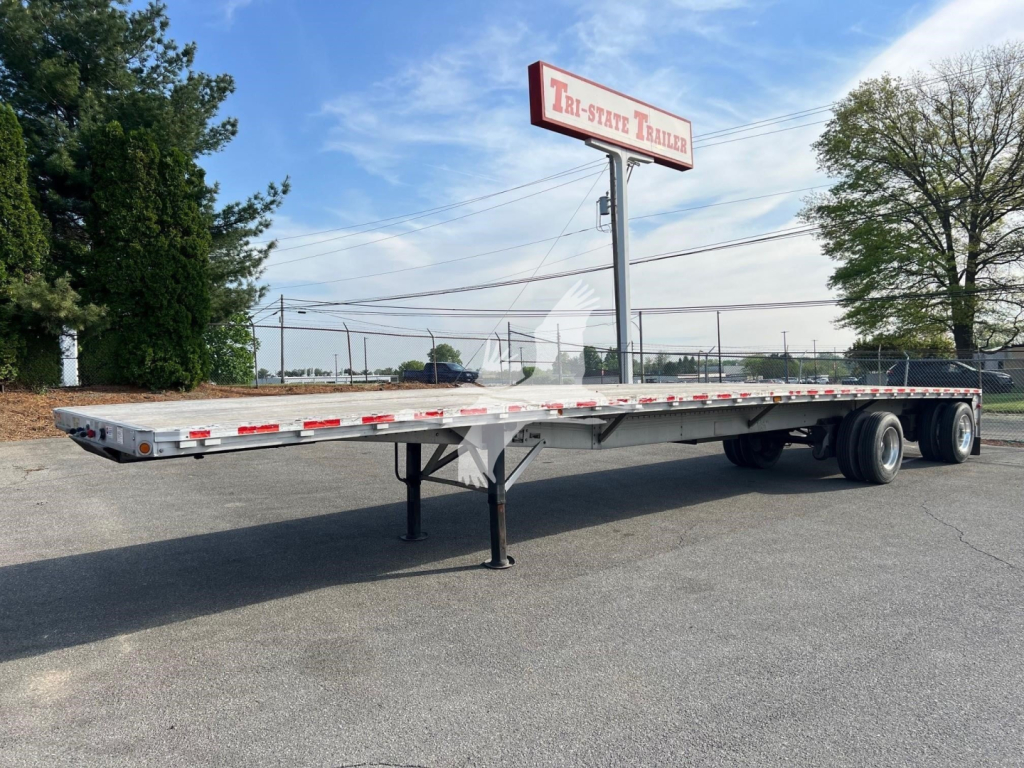
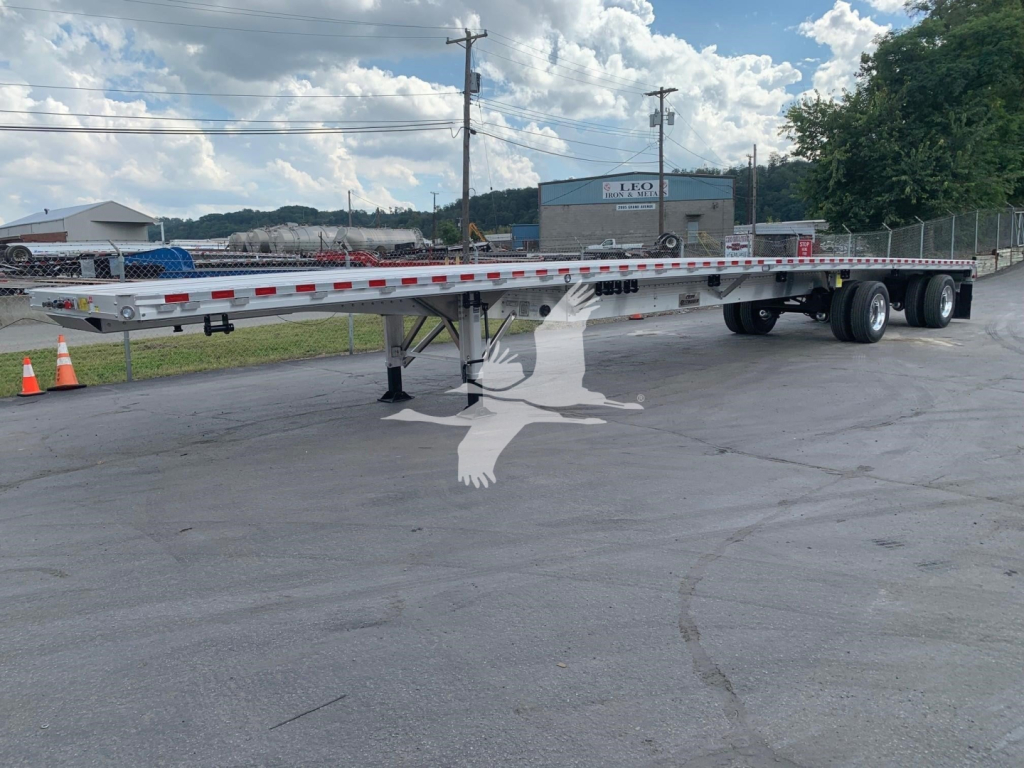
Selling a 2011 flatbed trailer? List your 2011 flatbed trailer for sale and reach thousands of commercial buyers.
2011 Flatbed Trailers in Pennsylvania
The deck and securement package deserve a close look on any used 2011 flatbed. Common floor types include aluminum and Apitong wood, and each has a different maintenance profile. Wood floors are familiar, easy to repair, and often preferred when forklifts are frequent. Aluminum floors save weight but should be checked carefully for gouging, cracked welds, and wear around crossmember lines. Buyers should also compare winch track layout, number of sliding winches, chain tie-down pairs, coil package, pipe spools, bulkhead configuration, and crossmember spacing. A 2011 trailer with 12-inch or 16-inch crossmember centers, good side rails, straight rear frame sections, and usable landing gear can still be a solid platform for steel, lumber, machinery, building products, and general commodity freight.
Suspension and axle spec affect both ride quality and operating cost. Many flatbeds from this model year were built with tandem axles, 295/75R22.5 tires, and either air ride or spring ride suspension. Air ride is common on highway freight because it helps protect cargo and can improve ride characteristics, while spring ride is simpler and often valued for rugged service. Kingpin setting, axle spread or slider setup, and overall bridge law compliance matter if the trailer will run mixed routes or heavier commodity loads. In Pennsylvania, buyers should pay extra attention to frame corrosion, brake condition, bushing wear, air system leaks, and the condition of wiring and LED lighting, especially on trailers that have seen winter service.
A good 2011 flatbed trailer is less about age than about maintenance history, structural condition, and how the original spec fits the lane. Check for neck and upper coupler wear, cracked crossmembers, bent rub rails, patched floors, suspension alignment issues, and uneven tire wear before making a decision. It also helps to verify rated capacity in concentrated load areas, especially if the trailer will handle coils, palletized steel, or dense building materials. For many buyers, a properly maintained 2011 flatbed remains a practical way to add open-deck capacity without stepping into late-model pricing.
Frequently Asked Questions about 2011 Flatbed Trailers in Pennsylvania
What should I inspect first on a 2011 flatbed trailer?
Start with the main structure. Inspect the frame rails, upper coupler, kingpin area, crossmembers, side rails, and rear impact area for cracks, repairs, corrosion, or signs of overloading. Then check the deck surface, landing gear, suspension components, brakes, tires, wheels, lighting, and air lines. On a 2011 model, condition matters far more than model year alone, so evidence of consistent maintenance is a major buying factor.
Is an aluminum or steel 2011 flatbed better for Pennsylvania use?
It depends on freight and operating style. Aluminum flatbeds are lighter and generally better for maximizing payload while also resisting corrosion from road salt and moisture. Steel flatbeds are often chosen for tougher jobsite service and can be easier for some shops to repair, but they usually carry more tare weight and require closer attention to rust. A combo trailer can split the difference if it has aluminum components with steel reinforcement where needed.
What length is most common for a used 2011 flatbed trailer?
The most common lengths are 48 feet and 53 feet, both typically at 102 inches wide. A 48-foot flatbed is still common in regional and specialized operations, while a 53-foot trailer is often preferred when deck space is the priority. The right choice depends on freight profile, route restrictions, and how often extra deck length translates into billable loads.
How important are winches, chain tie-downs, and coil package on a used flatbed?
These features directly affect how versatile the trailer will be. Sliding winches, winch tracks, chain tie-down pairs, pipe spools, and a coil package determine what commodities the trailer can legally and efficiently secure. Adding securement equipment later is possible, but buying a trailer already spec'd for the freight you haul is usually more cost-effective and reduces downtime.
Are air ride flatbeds from 2011 worth considering over spring ride?
Yes, if the suspension is in good condition and the freight benefits from a smoother ride. Air ride is common for open-deck highway service because it helps reduce cargo shock and is widely accepted for many general freight applications. Spring ride remains a valid option for operators who want mechanical simplicity and durability in rougher service. The decision should come down to lane, cargo sensitivity, maintenance history, and the condition of the suspension components on the specific trailer.