
2011 Flatbed Trailers For Sale
Shop 2011 flatbed trailers with the deck length, suspension, axle setup, and securement features needed for steel, lumber, machinery, and freight.
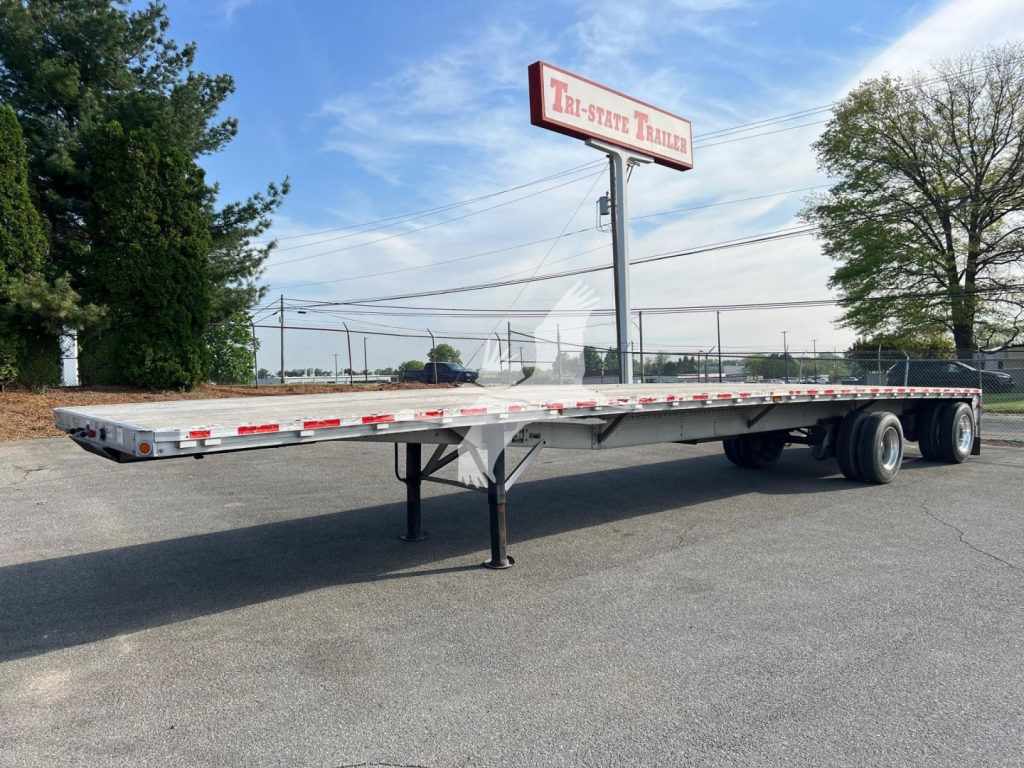
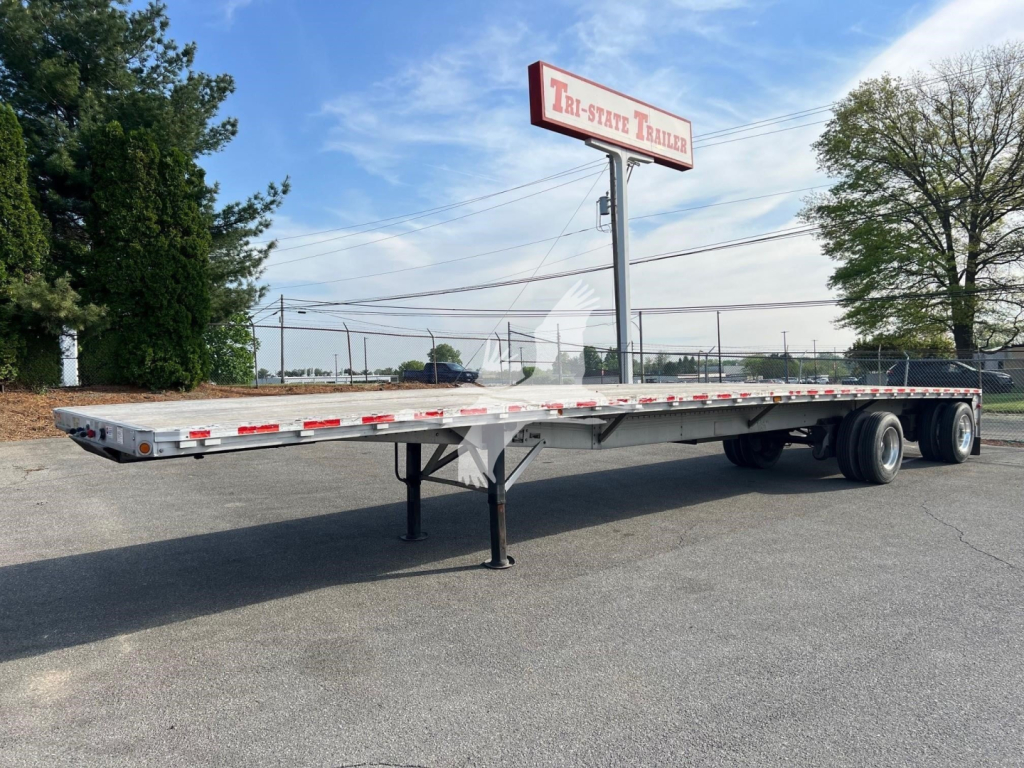
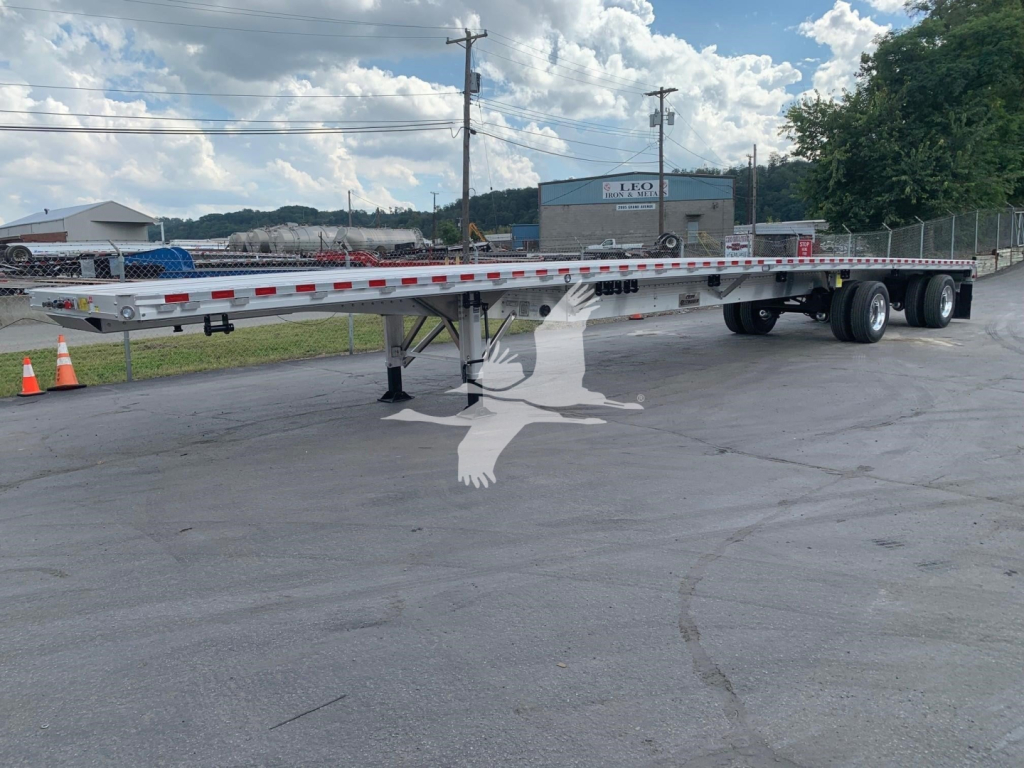
Selling a 2011 flatbed trailer? List your 2011 flatbed trailer for sale and reach thousands of commercial buyers.
2011 Flatbed Trailers
Buyers should pay close attention to deck construction and securement layout. Apitong wood floors remain common because they handle concentrated forklift traffic and give drivers flexible tie-down placement, while aluminum floors can lower weight but may show different wear patterns depending on the application. Crossmember spacing, side rail design, winch track configuration, pop-up chain ties, and the presence of a coil package all affect how well a trailer fits steel-hauling or general commodity work. A 2011 flatbed may also have sliding winches, pipe spools, bulkhead options, nail strips, and dual-function tie-down systems. If the freight mix includes coils, machinery, or dense building materials, frame ratings and concentrated load ratings deserve as much attention as overall GVWR.
Suspension and axle setup will influence both maintenance costs and route flexibility. Spring ride is still valued for simplicity and lower repair cost, while air ride is preferred for more delicate freight and improved ride quality. Tandem sliders offer flexibility for bridge law and axle adjustment, while widespread or spread-axle trailers can improve load distribution but may be less maneuverable in tight urban deliveries. On a 2011 trailer, inspect suspension hangers, bushings, torque arms, axle alignment, brake components, hubs, and wheel-end history closely. Tire size is commonly 22.5-inch rubber, and many units from this era are still running standard disc wheels with conventional drum brake systems, though individual specs vary by original application.
Condition matters more than model year in this category. On any 2011 flatbed trailer, buyers should inspect the main beams for cracks or repairs, check the floor and fasteners, evaluate side rail wear from chains and binders, and confirm the landing gear, lighting, ABS, and air system are working correctly. Also review kingpin wear, rear frame condition, and signs of corrosion around crossmembers, outriggers, and the rear impact guard. A well-maintained 2011 flatbed can still be a productive platform for regional or over-the-road open-deck work, especially when the spec matches the freight. The right decision usually comes down to tare weight, deck strength, axle layout, and how the trailer has been used and maintained over its service life.
Frequently Asked Questions about 2011 Flatbed Trailers
What are the most common specs on a 2011 flatbed trailer?
Most 2011 flatbed trailers are 48 feet or 53 feet long, 102 inches wide, and built with tandem or spread axles. Common construction types include all-steel, aluminum, or combo designs with wood or aluminum flooring. Many are equipped with winch tracks, sliding winches, chain tie-downs, 30-inch kingpin settings, 22.5-inch tires, and either spring ride or air ride suspension.
Is a 2011 flatbed trailer still a good choice for commercial hauling?
Yes, if the trailer has been maintained properly and its specifications match the intended freight. Flatbeds have long service lives when the frame, floor, suspension, brakes, and securement systems are kept in working order. A 2011 model can still be a cost-effective option for steel, lumber, machinery, and general open-deck freight, but condition and repair history should carry more weight than age alone.
What should I inspect first on a used 2011 flatbed trailer?
Start with the structural components. Inspect the main frame rails, crossmembers, side rails, outriggers, rear frame, and kingpin area for cracks, corrosion, bends, or welded repairs. Then check the floor condition, landing gear operation, brake system, suspension wear, axle alignment, tires, lights, ABS function, and all tie-down equipment such as winches, chain slots, and pop-up anchors.
Which is better on a 2011 flatbed trailer: steel, combo, or aluminum?
The better choice depends on payload goals and operating conditions. Steel flatbeds are generally heavier but durable and often less expensive to buy. Combo trailers use steel where strength is needed and aluminum where weight savings matter, giving a balanced spec for many fleets. All-aluminum flatbeds usually offer the best tare weight advantage, which can increase legal payload, but buyers should still evaluate frame design, repair quality, and prior use before deciding.
Do I need a tandem slider or a spread axle on a 2011 flatbed?
A tandem slider is usually the more versatile choice for fleets that run varied states, bridge law requirements, and tighter delivery locations. Spread axles can offer load distribution advantages and are common in certain open-deck applications, but they can reduce maneuverability and may create operational limits in some jurisdictions. The best setup depends on the lanes, freight density, and loading patterns the trailer will see.