
Used Flatbed Expandable Trailers For Sale
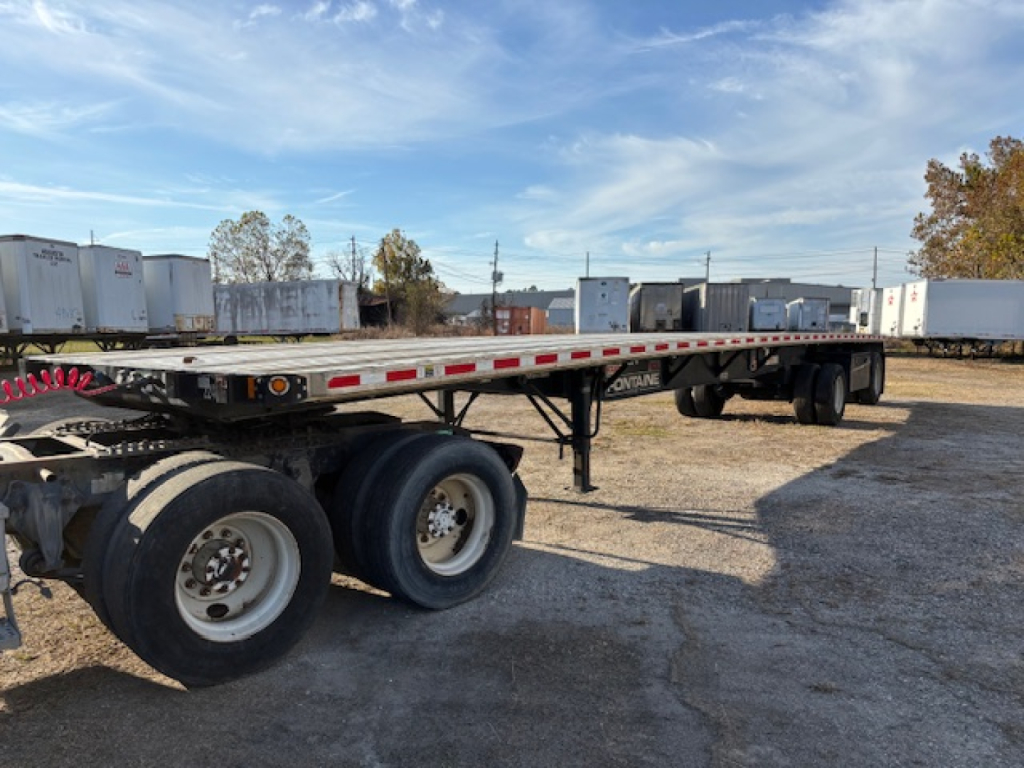
Have used flatbed expandable trailer to sell? List it here to reach thousands of buyers.
Used Flatbed Expandable Trailers
The first thing to evaluate is how the trailer extends and how it carries weight when open. Buyers should look closely at the main beam design, extension channel wear, lock positions, and any visible signs of fatigue around slider points and crossmember connections. Steel expandable flatbeds usually offer a rugged frame and may be preferred in severe-duty use, while aluminum or combination trailers can reduce tare weight and improve payload. Floor construction matters too. Aluminum floors with nailers can save weight and simplify securement placement, while wood floors remain common for durability and field repair. On used equipment, inspect for deck straightness, rub rail condition, winch track wear, bulkhead condition, and any distortion from overloading or off-center freight.
Suspension and running gear deserve as much attention as the deck itself. Tandem axle setups are standard, typically with air ride or spring ride depending on age, fleet preference, and application. Air ride is often favored for ride quality and cargo protection, while spring ride can appeal to buyers prioritizing simplicity. Check GAWR, frame rating, kingpin setting, axle slide configuration, brake percentage, drum condition, tire size, and whether the trailer has low-profile rubber for deck height management. Sliding winches, chain tie options, toolboxes, spare tire carriers, and lighting package upgrades can make a real difference in day-to-day use. For long freight, securement flexibility is a major value point, so the number and placement of winches, stake pockets, and anchor points should match the freight mix you actually haul.
A good used flatbed expandable trailer should balance structural condition, legal load planning, and securement practicality. Trailer length when closed affects maneuverability and backhaul options, while extended length affects bridge law planning, route restrictions, and axle loading strategy. Buyers hauling overlength freight should also consider permit routines, state-by-state length rules, and how often the trailer will run extended versus collapsed. A lighter trailer may improve payload, but only if the frame, suspension, and extension system are suited to the work. The best choice is usually the one with a proven extension mechanism, clean frame history, solid brakes and tires, and a securement setup that reduces rework at the load point.
Frequently Asked Questions about Used Flatbed Expandable Trailers
What is a flatbed expandable trailer used for?
A flatbed expandable trailer is used to haul freight that is longer than a standard flatbed can legally or practically carry. Common loads include pipe, steel beams, utility poles, structural components, lumber, and other overlength materials. The trailer can run compact when empty or on shorter freight, then extend when a load requires added deck length.
What should I inspect on a used expandable flatbed trailer?
The most important inspection points are the extension system, main frame rails, locking positions, crossmembers, floor condition, suspension, brakes, and tires. Pay close attention to wear in the sliding or telescoping sections, signs of frame twist, cracked welds, and damage around high-stress points. Securement hardware such as winches, rub rails, stake pockets, and chain tie locations should also be checked because these trailers often work in demanding load environments.
How long can an expandable flatbed trailer extend?
Extension range varies by manufacturer and model, but many expandable flatbeds begin around 48 feet closed and extend significantly beyond that. Some common used units stretch to 60, 70, or even 80 feet. Buyers should confirm the exact closed length, maximum extended length, and the trailer's load rating at different extension positions because capacity can be affected by how far the trailer is stretched.
Is an aluminum or steel expandable flatbed better?
Neither material is automatically better because the right choice depends on freight and operating priorities. Aluminum trailers generally weigh less, which can help maximize payload and improve fuel efficiency. Steel trailers often bring durability and may be preferred for heavy-duty or rough-service applications. On a used trailer, actual condition matters more than material alone, especially in the frame, extension rails, and deck structure.
Do expandable flatbed trailers require special load planning?
Yes. Load planning is more critical on an expandable flatbed because deck length, axle placement, and overlength exposure all affect legality and handling. Buyers should consider bridge law compliance, state permit requirements, kingpin setting, axle slide position, and how the freight will be secured across an extended deck. A trailer that is easy to stretch is only valuable if it can still be loaded, secured, and routed efficiently.