
Flatbed Expandable Trailers For Sale
Shop flatbed expandable trailers built for long, overlength freight with extendable decks, legal-width hauling options, and heavy-duty load securement.
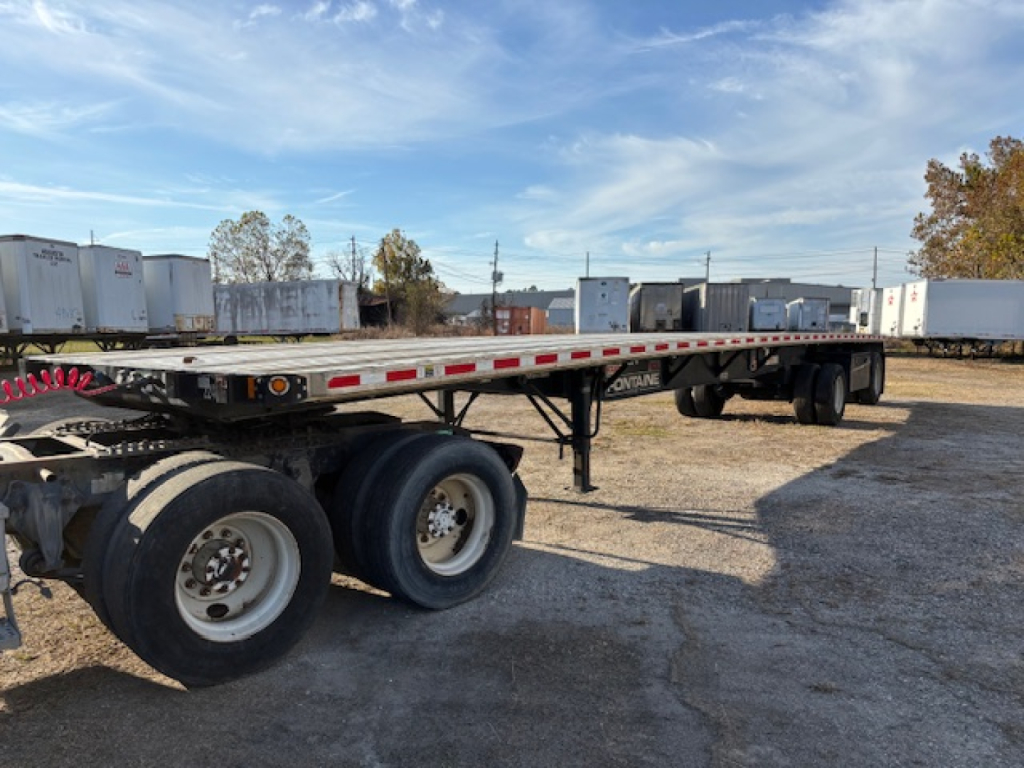
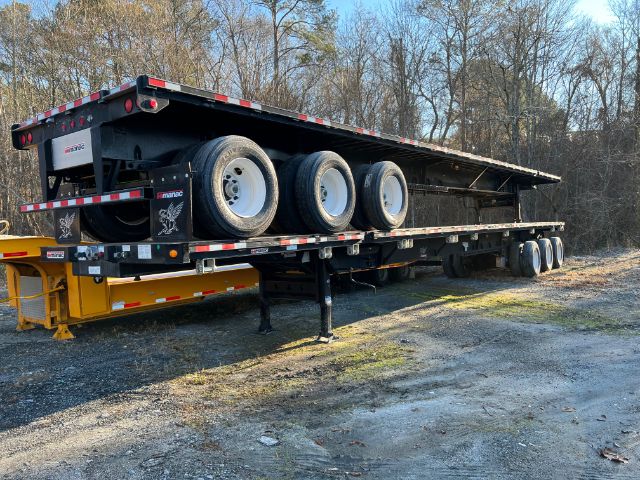
Selling a flatbed expandable trailer? List your flatbed expandable trailer for sale and reach thousands of commercial buyers.
Flatbed Expandable Trailers
Construction and weight are a major tradeoff in this category. Steel expandable trailers tend to be durable and straightforward for punishing vocational use, while aluminum designs reduce tare weight and can improve payload on legal loads. Buyers should compare frame design, crossmember spacing, deck type, and the extension mechanism itself. A trailer that spends time partially or fully extended needs a center section and locking system that stays tight under load and resists twist. Width is typically 102 inches, and axle setup is usually tandem, though suspension type can vary between spring ride and air ride depending on the freight, the roads, and how much ride protection matters.
Load securement layout deserves close attention because long freight rarely loads the same way twice. Winch count and placement, sliding winches, chain pullouts, stake pockets, bulkheads or headboards, nailer strips, and toolbox capacity all affect day-to-day usability. Floor material is another practical choice. Wood decks remain common for mixed freight and easy repair, while aluminum with nailers can cut weight. Buyers moving concentrated steel or construction components should also inspect kingpin setting, axle slide range, GAWR, GVWR, brake condition, tire size, and tire condition, since these trailers often work near the upper end of their design limits.
An expandable flatbed should be evaluated in both its retracted and extended configurations. Check how the trailer tracks, how the extension locks engage, how airlines and wiring are routed through the stretch section, and whether the frame shows signs of stress, cracking, or uneven deck alignment. For used trailers, wear in the slider system, suspension, brakes, and deck surface can tell you a lot about how it was operated. The right flatbed expandable trailer is not just about maximum length. It is about getting the deck range, tare weight, securement package, and structural condition that match the type of overlength freight you haul every week.
Also known as: Extendable Flatbed Trailer, Stretch Flatbed Trailer, Telescoping Flatbed Trailer
Frequently Asked Questions about Flatbed Expandable Trailers
What is a flatbed expandable trailer used for?
A flatbed expandable trailer is used for overlength freight that will not fit on a standard fixed-length flatbed. Typical loads include pipe, steel beams, fabricated structural pieces, poles, and long machinery components. The extendable deck gives a carrier flexibility to run compact when empty or on shorter freight, then stretch out for specialized loads that require additional deck length and open loading access from the side or overhead.
How long do expandable flatbed trailers usually extend?
Closed length commonly starts at 48 or 53 feet, with extended lengths often reaching 80 to 90 feet depending on the model. The best length range depends on the freight mix and how often the trailer will operate under permit. Buyers should look beyond maximum advertised length and confirm usable deck space, locking positions, weight distribution, and axle placement when the trailer is fully or partially extended.
Is aluminum or steel better for an expandable flatbed trailer?
Aluminum generally offers lower tare weight, which can improve payload and fuel efficiency on legal freight. Steel is often preferred for severe-duty use, repeated heavy loading, and applications where durability and repair simplicity matter more than weight savings. The better choice depends on the cargo, loading environment, and how frequently the trailer is stretched and worked on rough jobsites or secondary roads.
What should I inspect on a used flatbed expandable trailer?
The most important inspection points are the extension rails, locking mechanism, frame alignment, deck condition, suspension, axle slide components, brakes, tires, and electrical and air lines through the extendable section. Look for uneven wear, stress cracks, loose lock engagement, corrosion in critical structural areas, and evidence that the trailer does not sit square when extended. A used stretch flatbed can look serviceable when closed but still show alignment or structural issues under extension.
What specs matter most when comparing flatbed expandable trailers?
The key specs are closed length, extended length, tare weight, GAWR, GVWR, kingpin setting, axle configuration, suspension type, deck material, and securement equipment. Winch layout, chain storage, toolboxes, bulkhead design, and crossmember spacing also matter because they affect how quickly and safely the trailer can be loaded for different kinds of long freight. The most useful trailer is one that matches your common load profile, not just the one with the longest stretch.