
Used Fontaine Flatbed Expandable Trailers For Sale
Shop used Fontaine flatbed expandable trailers with details on deck length, extension range, axle setup, load securement, and application fit.
Learn more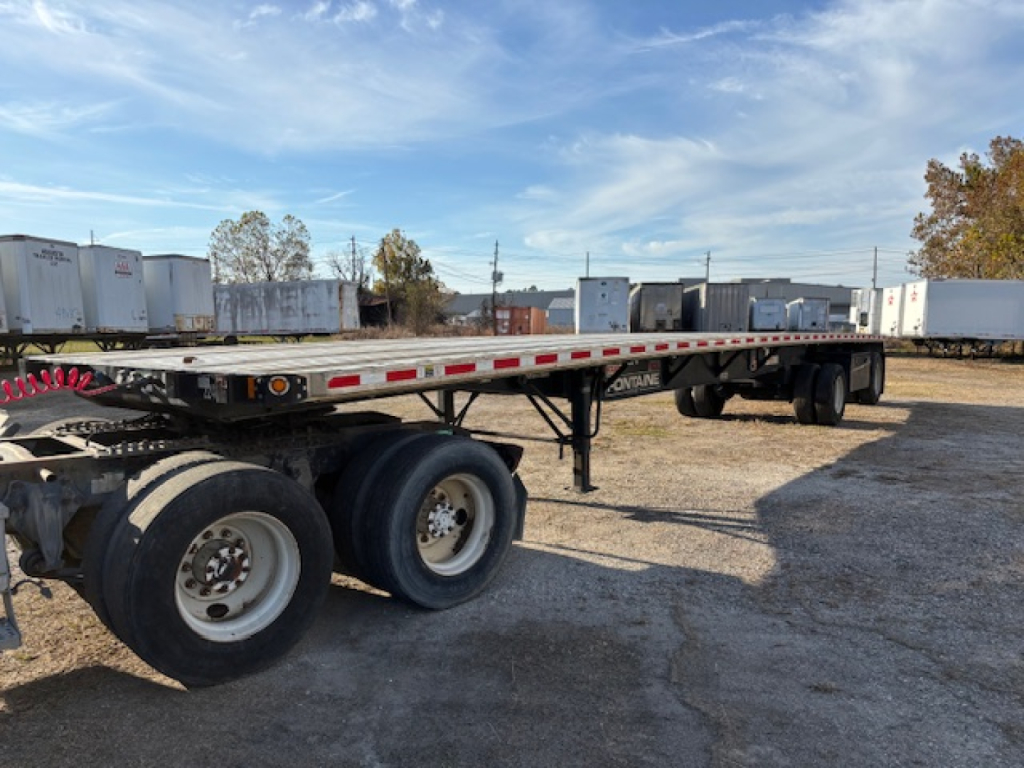
Have used fontaine flatbed expandable trailer to sell? List it here to reach thousands of buyers.
About Used Fontaine Flatbed Expandable Trailers
Fontaine has a strong reputation for durable trailer frames and practical spec choices, so buyers should pay close attention to structural condition on a used unit. On expandable trailers, the telescoping section, locking positions, slider surfaces, air and electrical line routing, and rear frame alignment matter as much as the deck itself. Check for deck wear, crossmember condition, concentrated stress around extension points, and signs of twist from uneven loading. Common specs include 102-inch width, tandem axle configurations, aluminum or steel wheel options, winch tracks, chain ties, rub rails, stake pockets, coil package setups, and headboards. Some trailers are equipped with tire inflation systems, storage boxes, spare tire carriers, or sliding winches, all of which can add day-to-day utility depending on the freight mix.
Expandable flatbeds earn their keep when load length changes week to week. A closed trailer can haul regular flatbed freight with simpler handling and better maneuverability, while the extended position opens up room for utility poles, beams, fabricated steel, and oversized components. Buyers should think carefully about kingpin setting, axle spread, bridge law implications, loaded wheelbase, and how extension affects turning radius and backing in tighter jobsites. If the trailer will see heavy overlength use, inspect brake condition, suspension wear, air system integrity, and tire match across positions, because stretched loads tend to expose weak points fast. In dry western service, many used units show less corrosion, but any trailer should still be checked for repaired damage, frame rust at hidden interfaces, and wear in the extension mechanism.
A used Fontaine flatbed expandable trailer can be a cost-effective way to add specialized capability without moving up to a step deck stretch or beam trailer. The best match depends on how often you run extended, the weight profile of your freight, and how much securement hardware is already in place. A trailer set up with enough chain capacity, winches, strap storage, and a sound deck can save real prep time at the shipper. Buyers comparing listings should focus less on model year alone and more on extension range, overall structural integrity, legal load configuration, and evidence of consistent maintenance on the sliding and locking systems.
Frequently Asked Questions
What is a Fontaine flatbed expandable trailer used for?
A Fontaine flatbed expandable trailer is used to haul freight that is too long for a standard fixed-length flatbed but does not require a more specialized lowboy or beam trailer. Common loads include steel beams, pipe, utility poles, construction materials, fabricated components, and long machinery. In the closed position, it can often handle standard flatbed work, which makes it more versatile than a dedicated overlength trailer.
What should I inspect first on a used expandable flatbed trailer?
Start with the telescoping frame and locking system. Inspect the extension rails, locking pin engagement points, frame alignment, deck support structure, crossmembers, and wear surfaces where the trailer slides under extension. After that, check brake condition, suspension components, tire condition, air lines, electrical lines, and the condition of the deck, rub rail, stake pockets, and winch track. Structural condition matters more than cosmetic appearance on this trailer type.
How important is extension range on a used stretch flatbed?
Extension range is one of the most important specs because it determines the maximum load length the trailer can legally and practically carry. A 48-foot trailer that extends to 80 feet serves a very different freight profile than one that only stretches modestly. More extension can increase flexibility, but it also affects tare weight, handling, bridge calculations, and maintenance demands. The right range depends on the actual freight lengths you haul most often.
Are Fontaine expandable flatbeds good for regular flatbed freight too?
Yes, many are used for both standard flatbed freight and overlength loads. In the retracted position, an expandable flatbed can function much like a conventional flatbed for many commodities. The tradeoff is that an expandable trailer usually weighs more and has more moving parts than a fixed deck trailer, so buyers should balance versatility against payload and maintenance considerations.
What trailer specs matter most when comparing used Fontaine expandable trailers?
The most important specs are closed deck length, maximum extended length, axle configuration, kingpin setting, overall trailer weight, deck condition, and load securement setup. Buyers should also compare suspension type, brake condition, tire size and remaining tread, winch and chain equipment, headboard configuration, and any added features like storage boxes or spare tire carriers. These details have a direct impact on legal compliance, operating cost, and how quickly the trailer can be loaded and secured.