
New Extreme Trailers For Sale
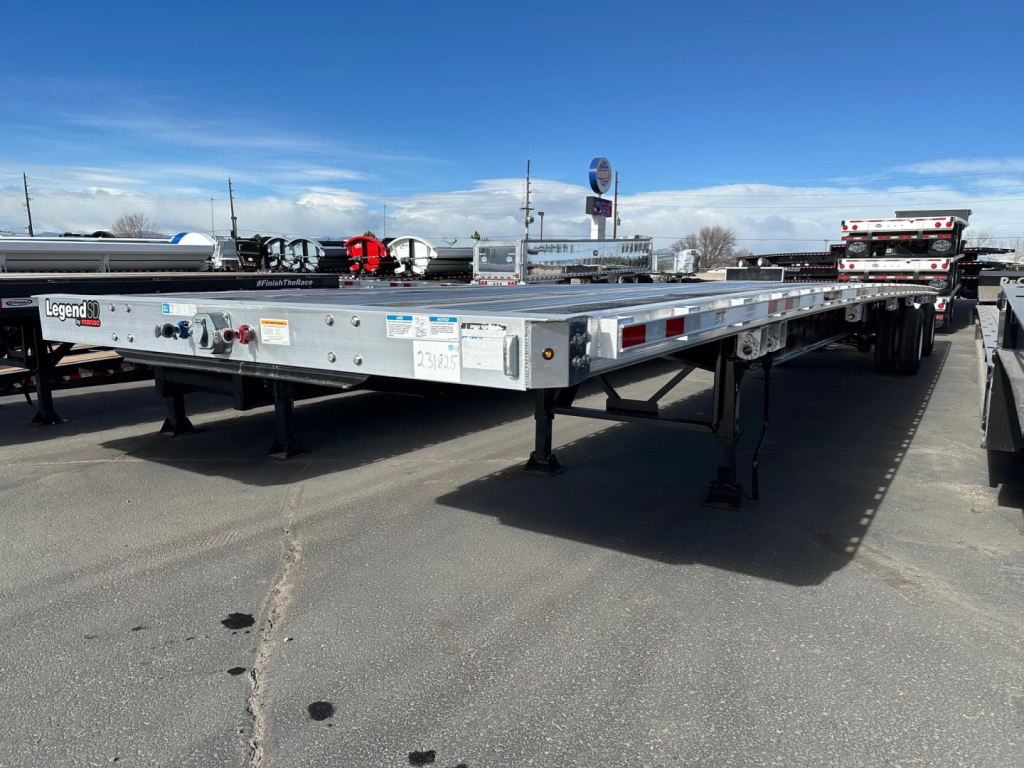
Shop new Extreme trailers including flatbed and drop deck models with 53-foot lengths, air ride suspension, aluminum wheels, and sliding axles.
No exact matches found for your search
Showing New Trailers instead.
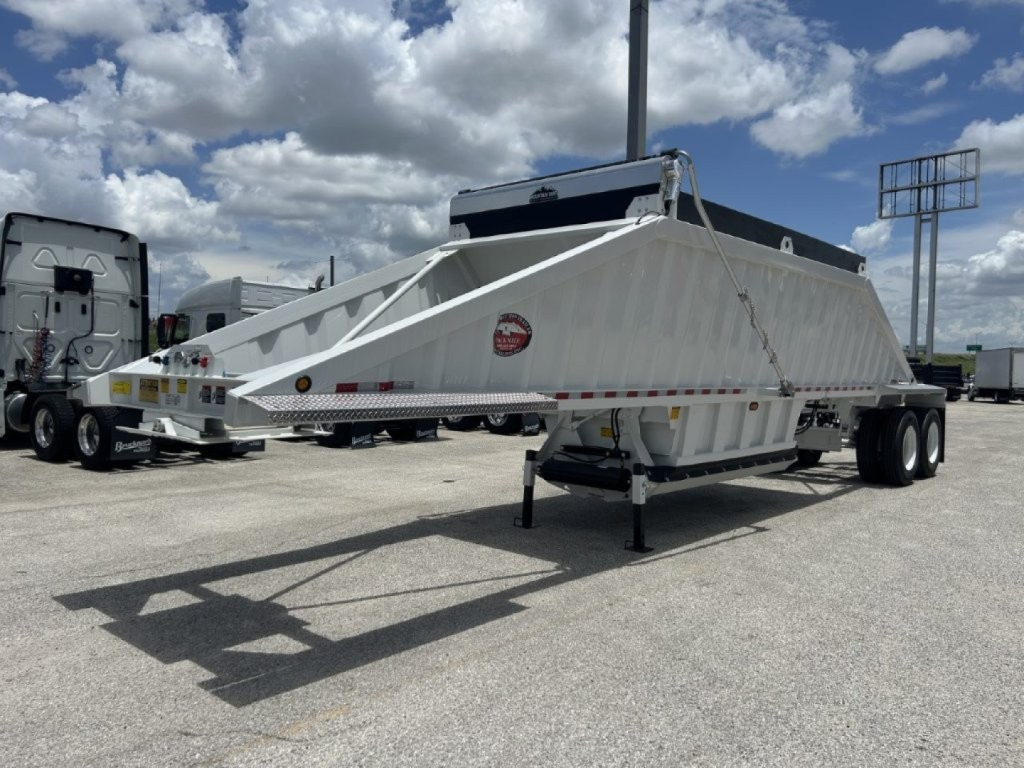
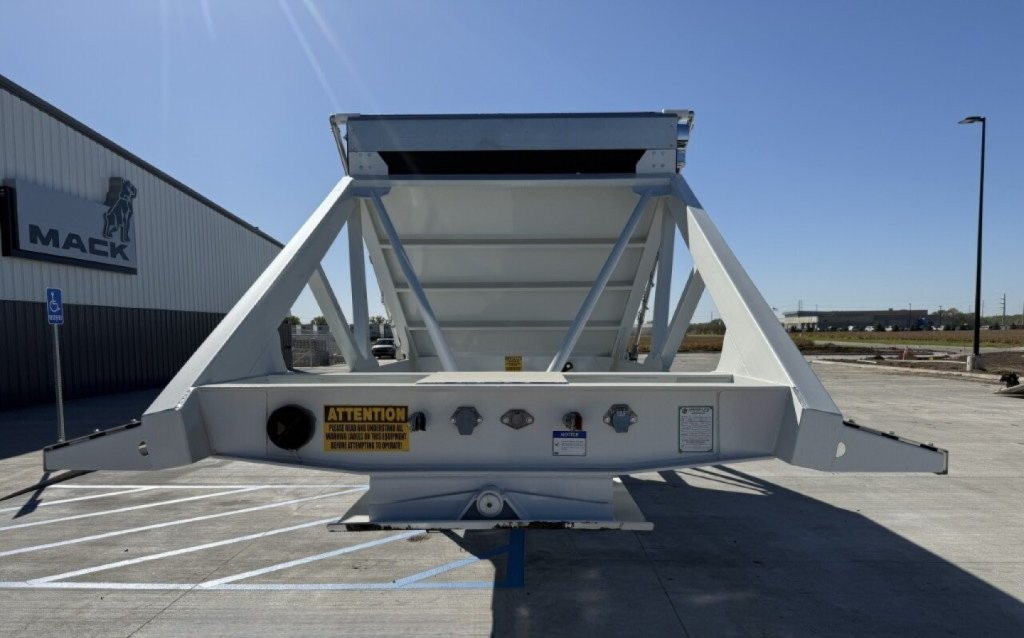
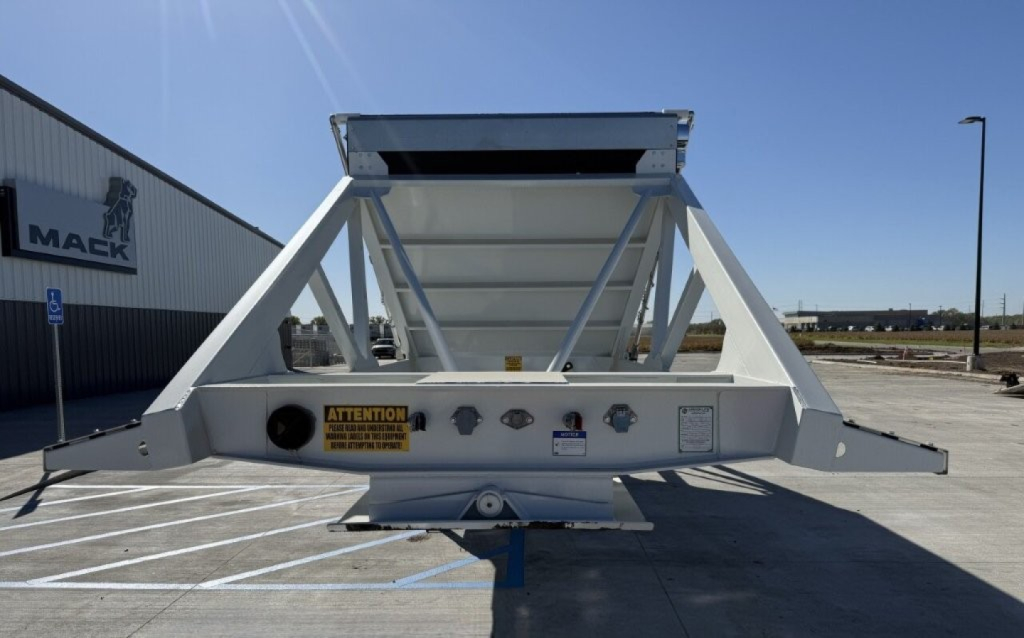
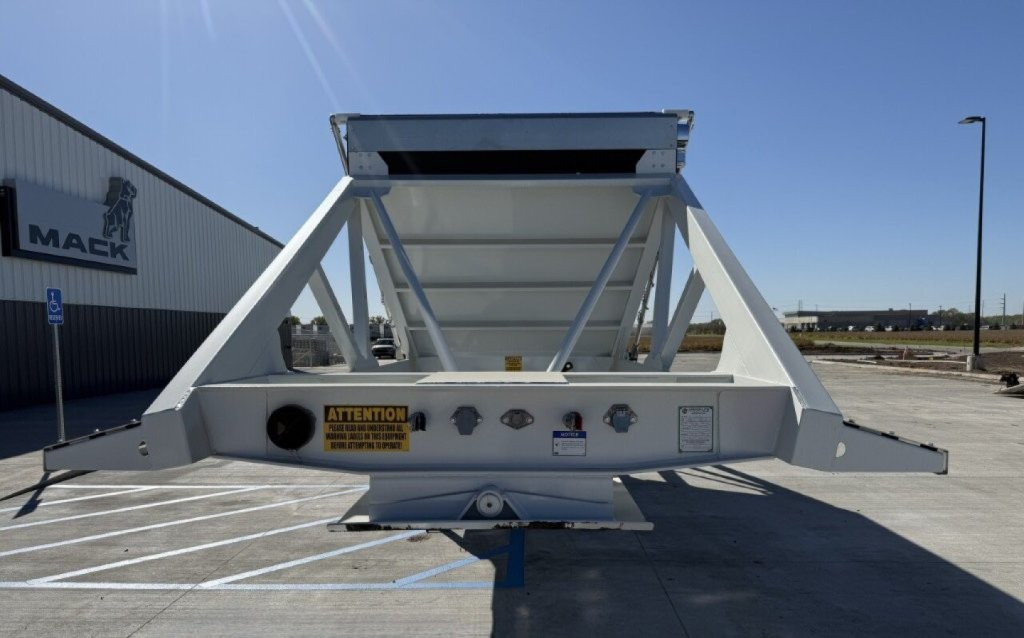
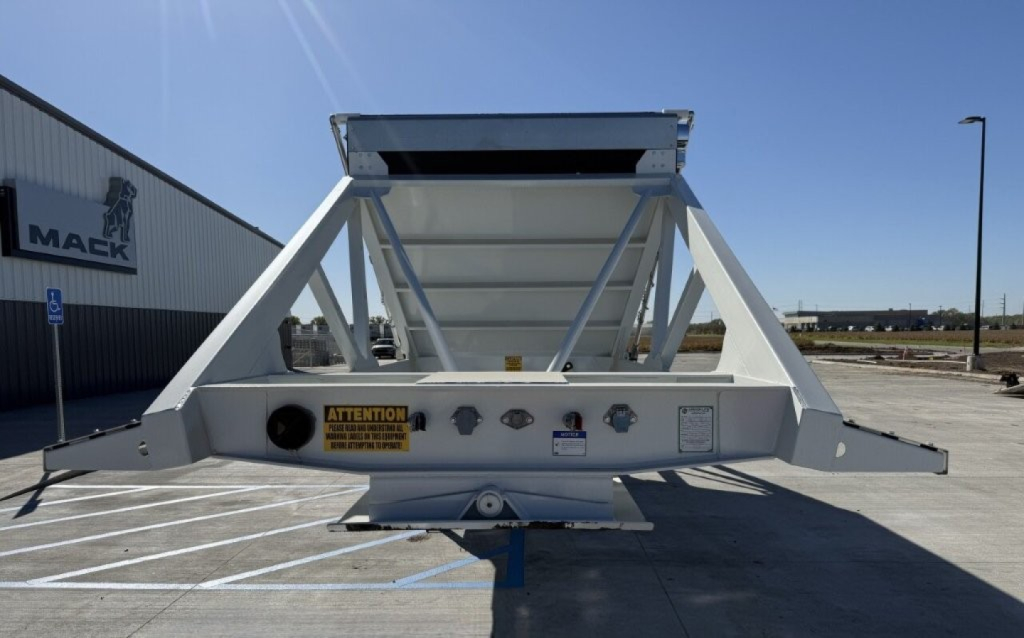
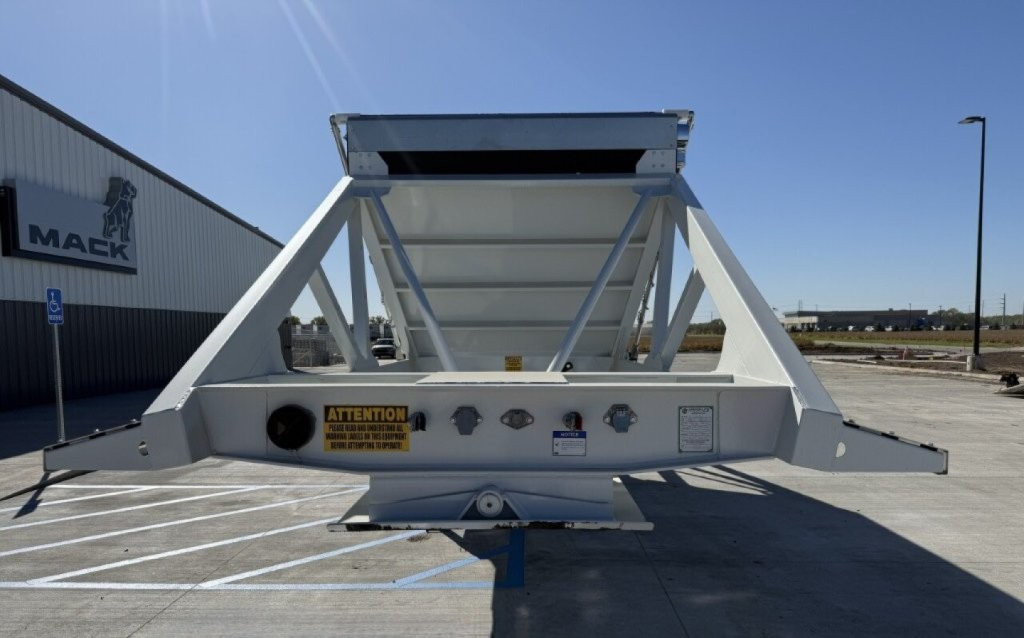
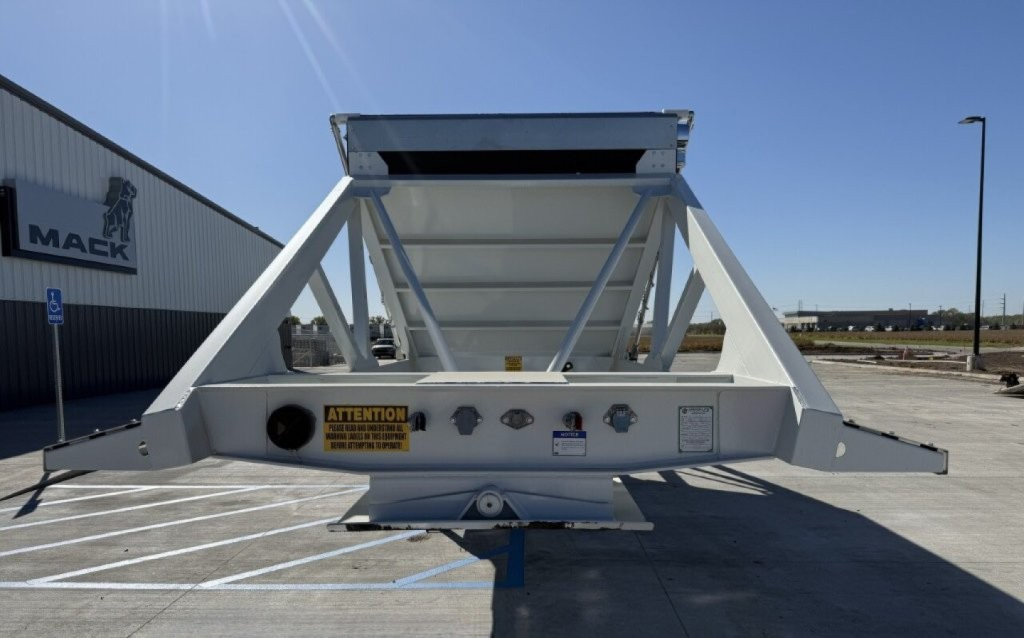
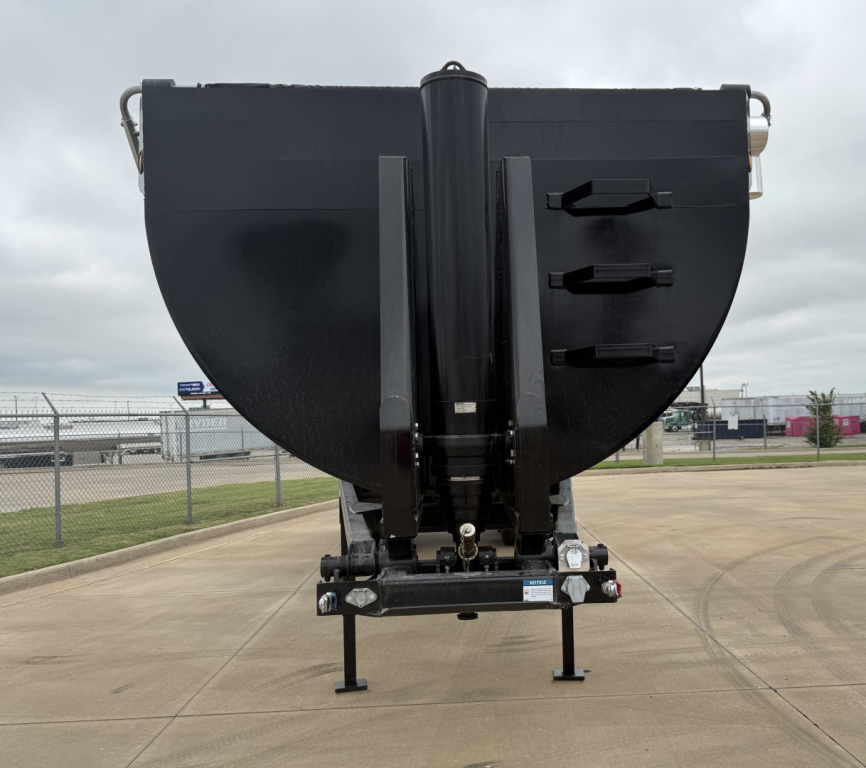
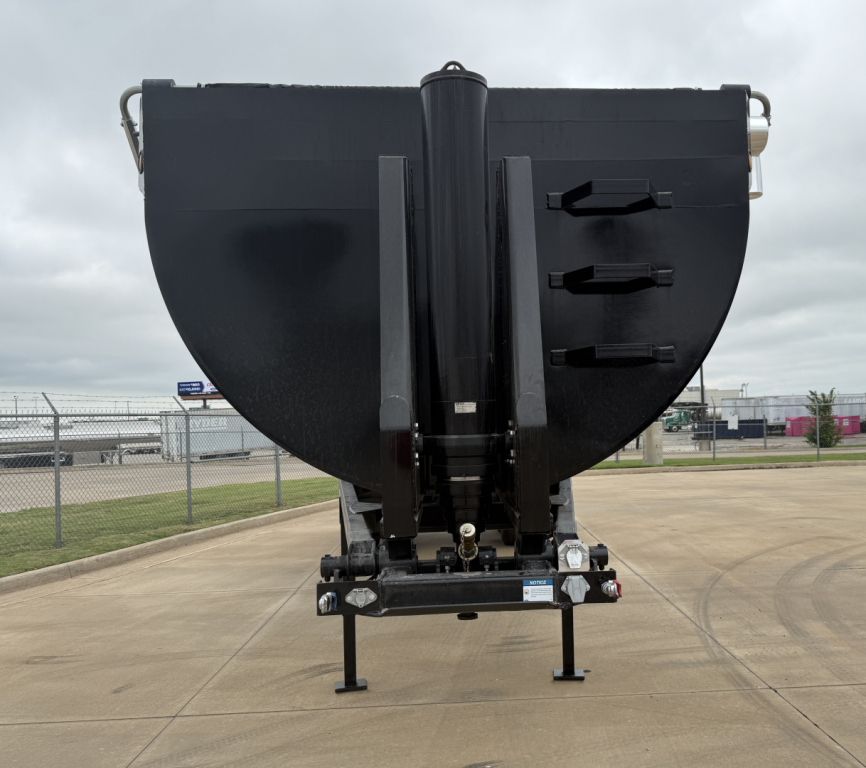
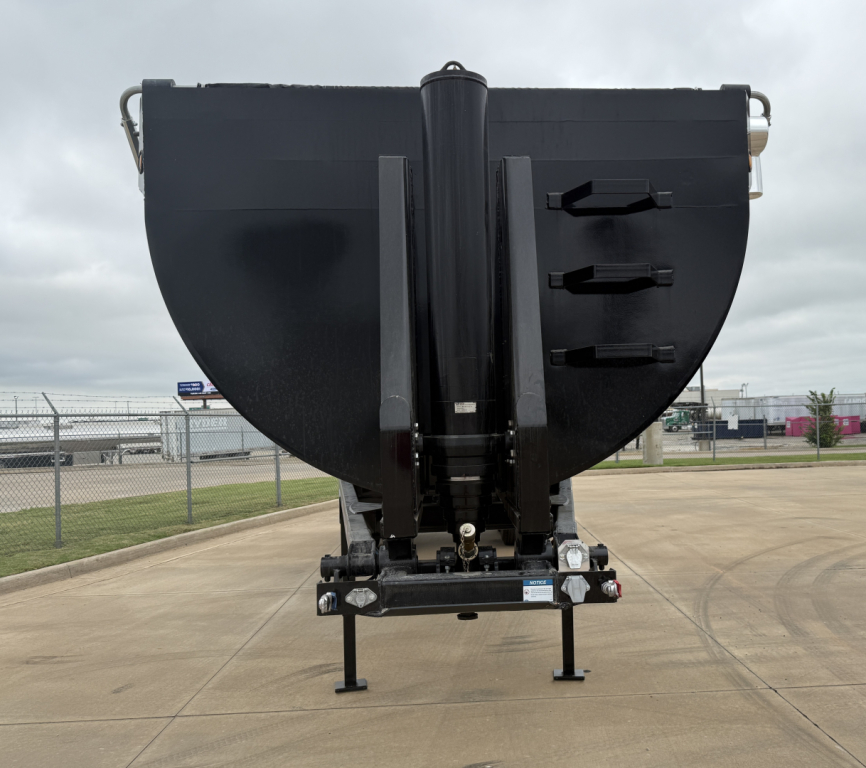
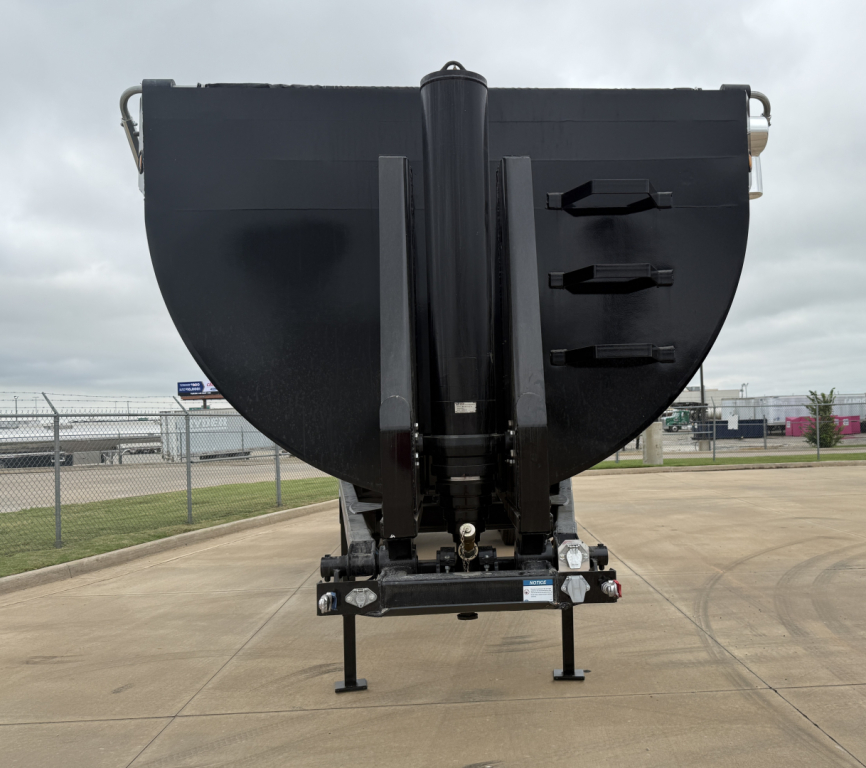
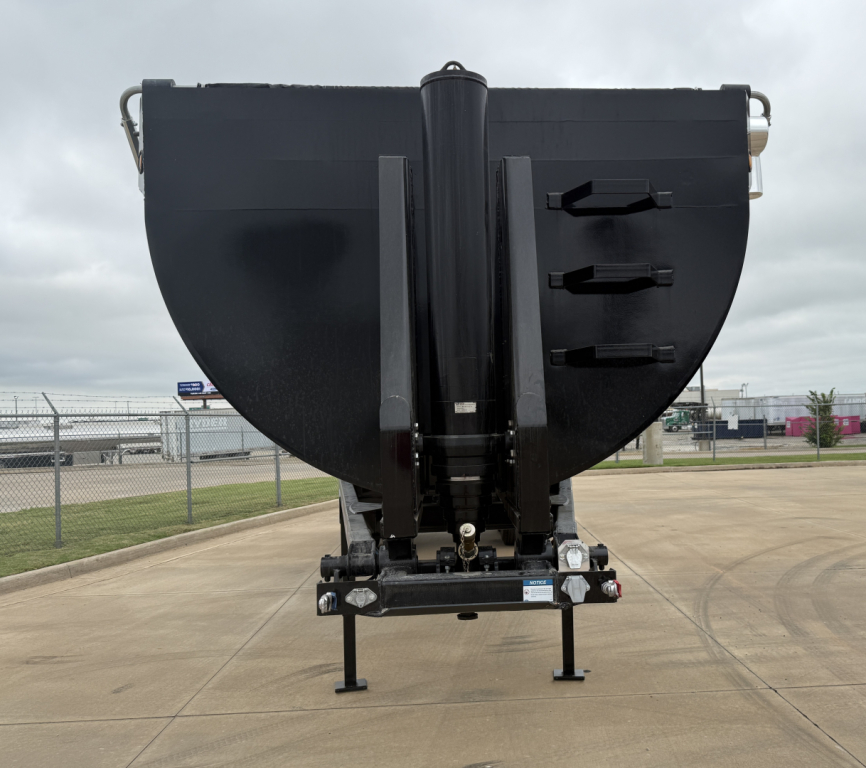
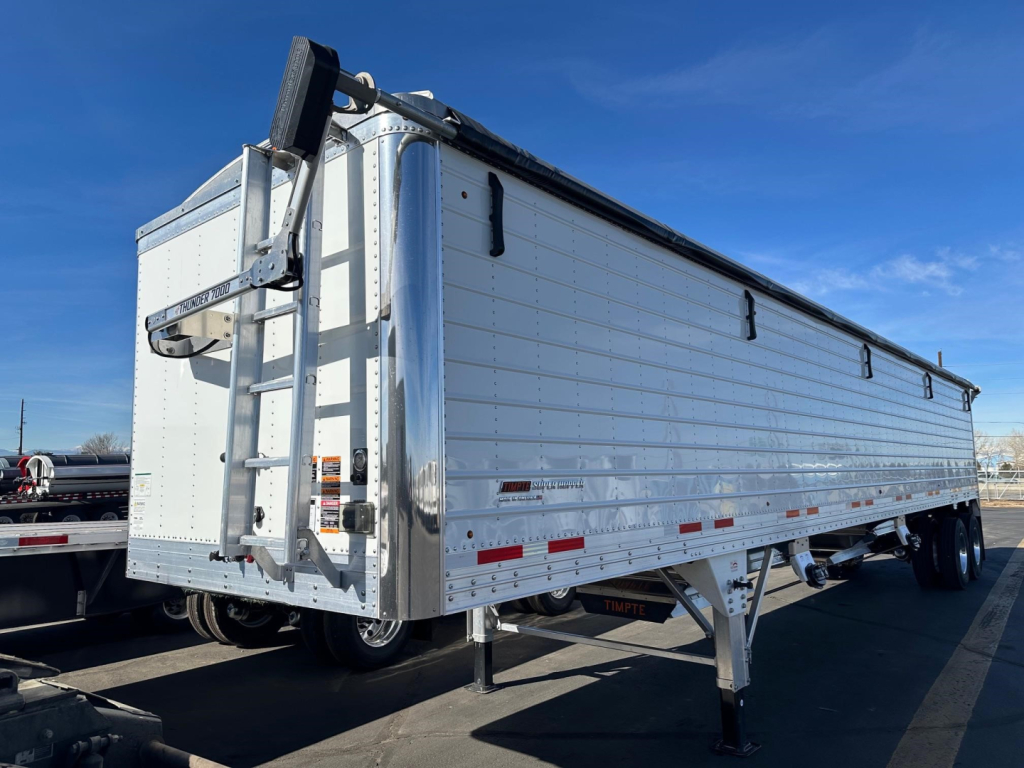
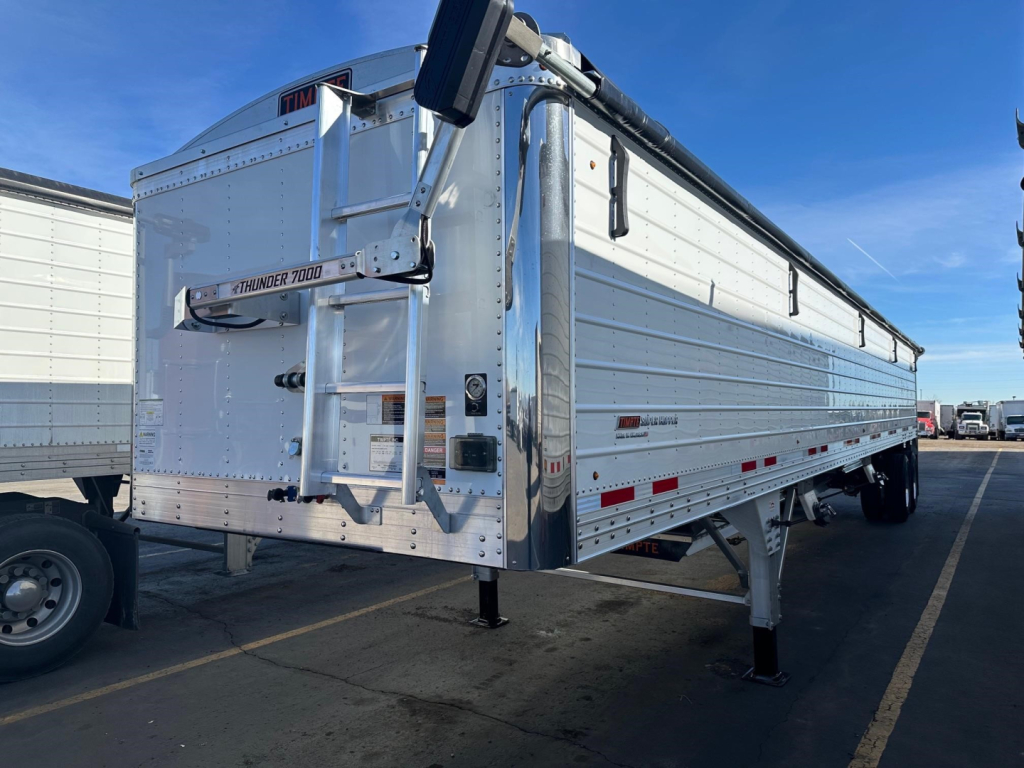
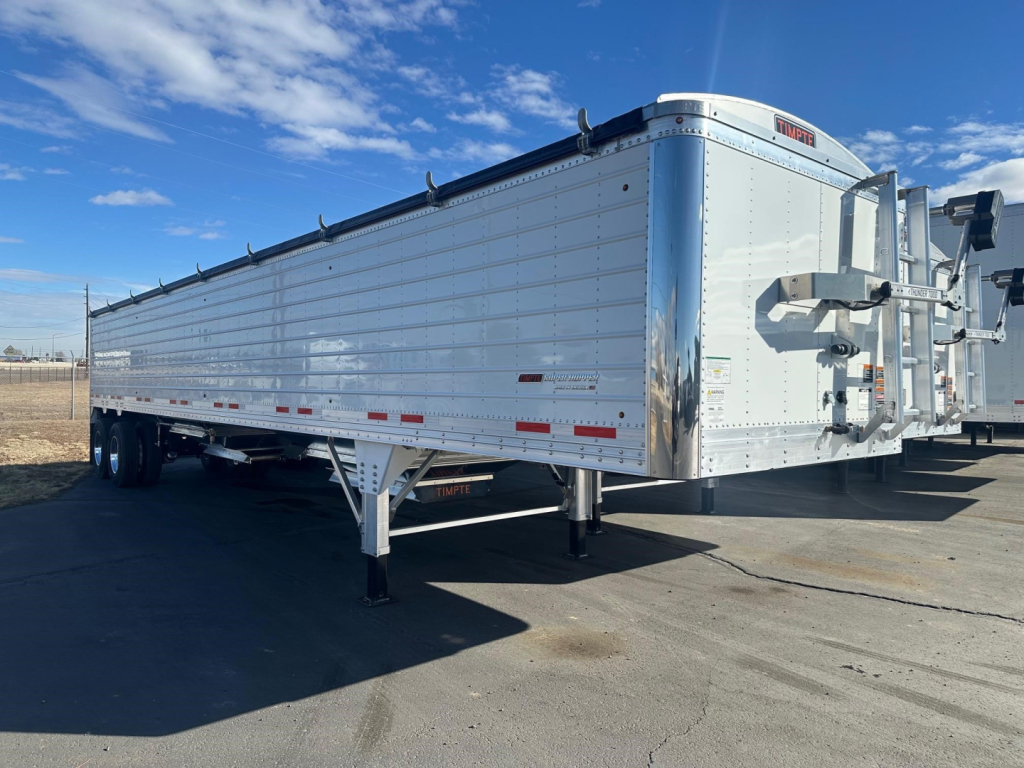
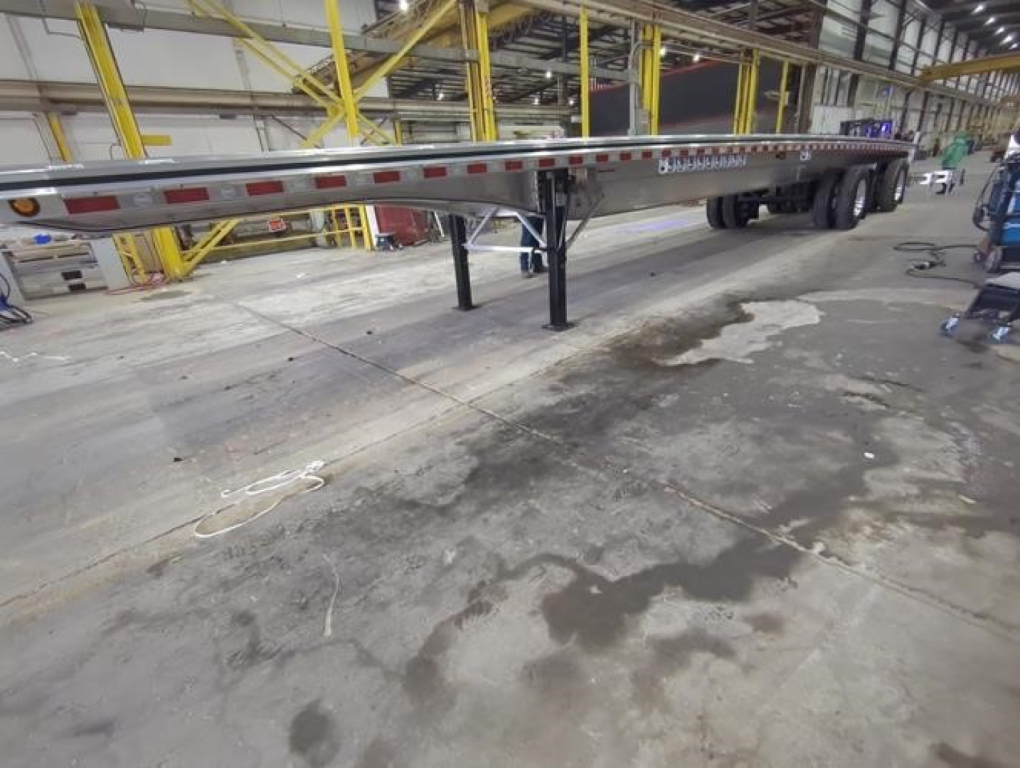
Showing 281 to 308 of 747 results
Selling a new extreme trailer? List your new extreme trailer for sale and reach thousands of commercial buyers.
New Extreme Trailers
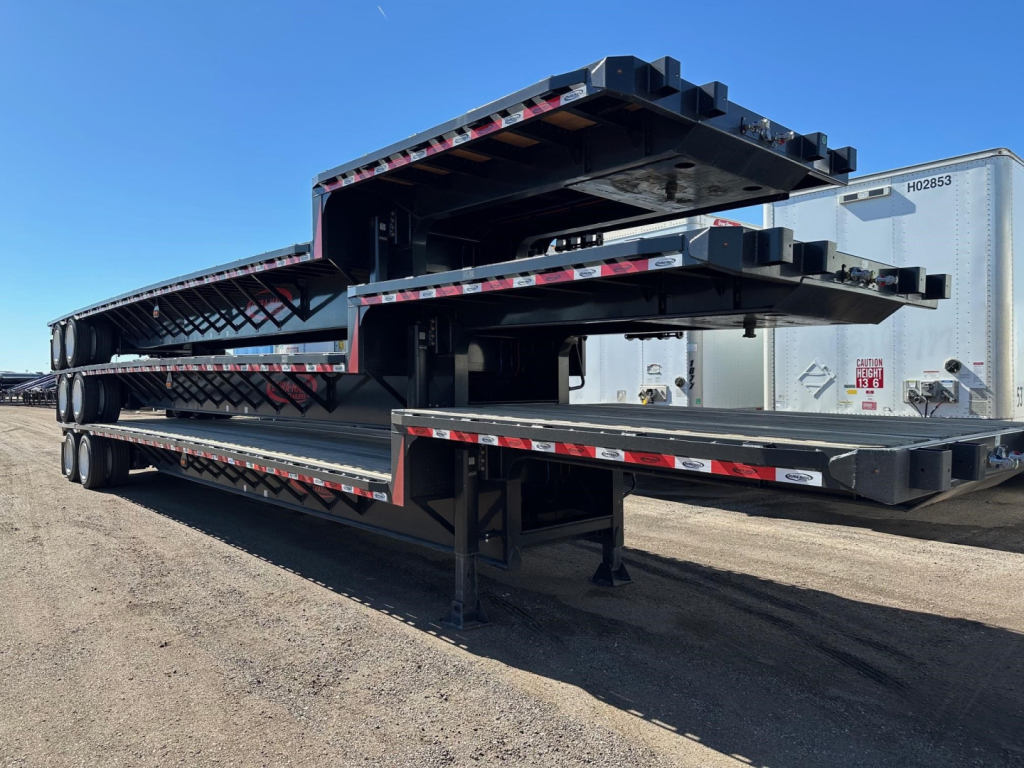
A buyer comparing new Extreme trailers should start with deck style, axle setup, and suspension. Flatbeds are typically the better fit for standard-height freight and faster dock or crane loading, while drop decks make more sense for equipment, crated freight, and taller loads that would be difficult to move legally on a standard deck. Sliding tandem axles are a practical spec on 53-foot trailers because they help with bridge law compliance and load distribution. Air ride suspension is another important feature on this type of trailer, especially for freight that benefits from reduced vibration and better ride quality over long hauls.
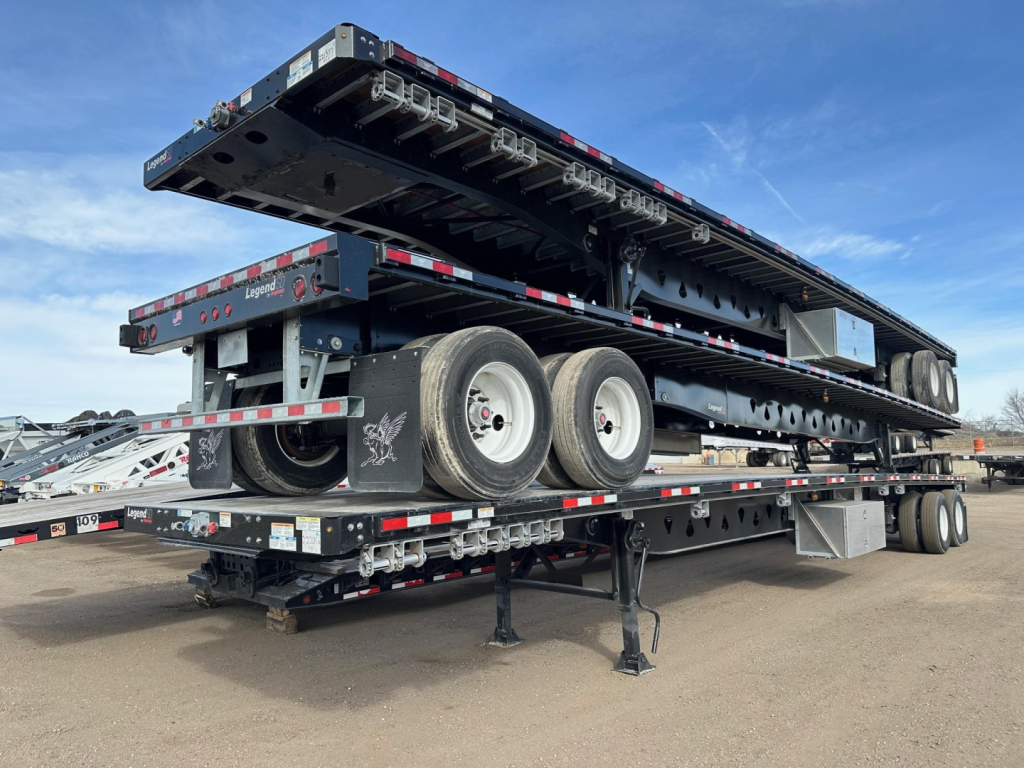
The sample specs in this category point to common road-ready configurations such as aluminum wheels, 22.5-inch rubber, and air ride suspension. Those details matter more than they first appear to. Aluminum wheels help cut tare weight and resist corrosion, which can improve payload flexibility and long-term appearance. Tire size and axle position affect serviceability, ride height, and replacement cost. Buyers should also pay attention to deck construction, crossmember spacing, flooring type, winch track layout, rub rail strength, tie-down options, and overall empty weight. On drop decks, upper deck length, lower deck height, and ramp compatibility are key if the trailer will regularly haul equipment or oversized freight.
New-condition trailers appeal to fleets and owner-operators that want current specifications, a clean maintenance baseline, and less near-term reconditioning. The real value comes from matching the trailer to the freight lane. A 53-foot Extreme flatbed is a strong general-purpose choice for commodity freight, while an Extreme drop deck is better suited to customers dealing with height-sensitive loads. When comparing listings, focus on legal payload needs, securement requirements, axle slide range, suspension type, and how the trailer's tare weight fits your typical freight mix.
Frequently Asked Questions about New Extreme Trailers
What is the difference between an Extreme flatbed trailer and an Extreme drop deck trailer?
An Extreme flatbed trailer has a single deck height and is designed for standard open-deck freight such as lumber, steel, pipe, and palletized materials. An Extreme drop deck trailer, also called a step deck, has an upper deck and a lower deck that reduces loaded height. That lower deck makes it easier to haul taller equipment, crated machinery, and freight that might exceed legal height on a standard flatbed.
Why do sliding tandem axles matter on a 53-foot trailer?
Sliding tandems give the operator flexibility to shift axle position for bridge law compliance and better weight distribution. That matters on 53-foot trailers because load placement can vary significantly depending on freight type, securement points, and state regulations. A sliding axle setup can also help balance tractor and trailer axle weights more effectively before heading to the scale.
Is air ride suspension worth it on a new open-deck trailer?
Air ride suspension is a strong choice for many flatbed and drop deck applications because it reduces shock and vibration compared with harsher suspension types. That can help protect sensitive freight, improve ride quality, and reduce some stress on the trailer structure over time. It is especially useful for machinery, finished materials, and other loads where cargo stability matters.
What should buyers look at besides trailer length and price?
Length and price are only part of the buying decision. Buyers should review tare weight, deck height, flooring material, crossmember spacing, rub rails, stake pockets, winch track configuration, tire size, wheel type, and suspension. On drop decks, lower deck height and upper deck length are critical because they directly affect what equipment or over-height freight can be moved legally and efficiently.
Are new Extreme trailers a good fit for general freight hauling?
Yes, if the trailer configuration matches the freight profile. A new Extreme flatbed is well suited for general commodity freight that loads from the side or top, while a new Extreme drop deck is better for taller or irregular loads. The key is choosing the deck style and running gear that fit the lane, securement method, and legal weight and height requirements you deal with most often.