
New 2027 Dura Haul Trailers For Sale in Texas
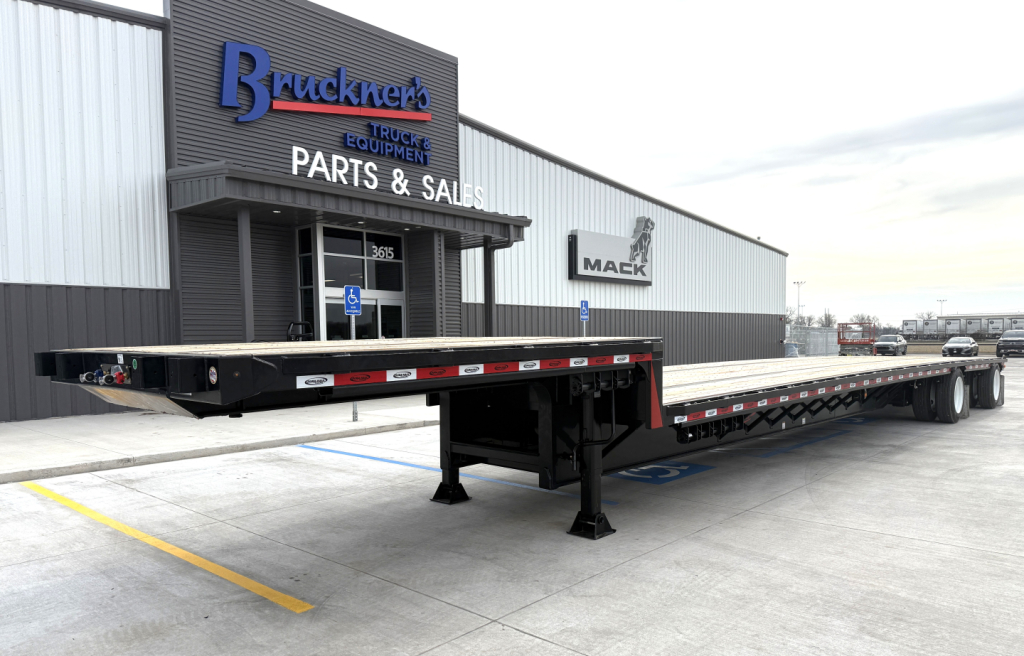
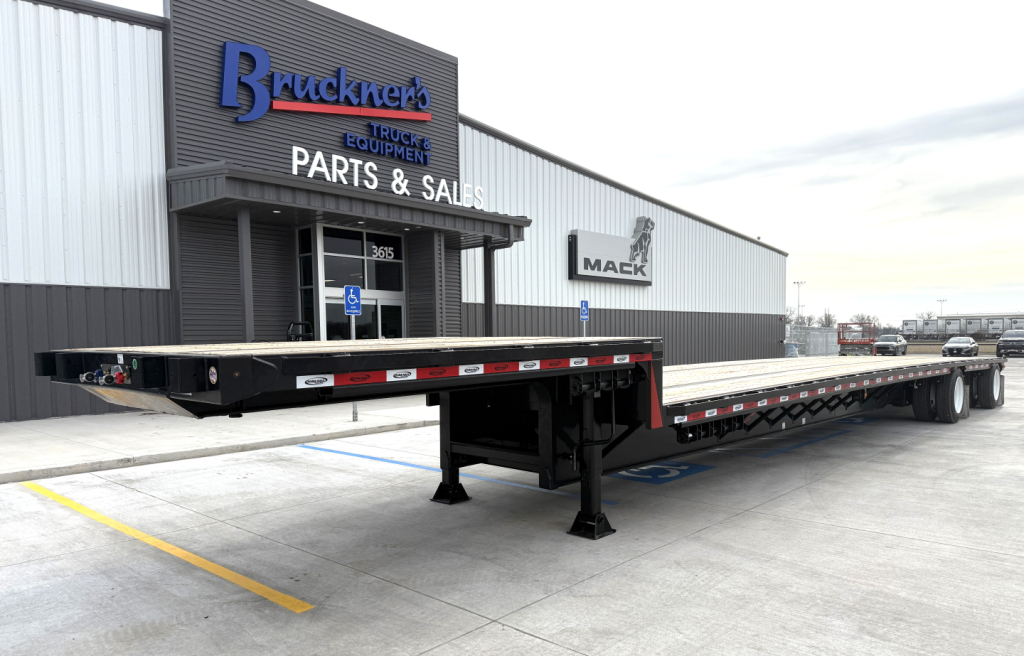
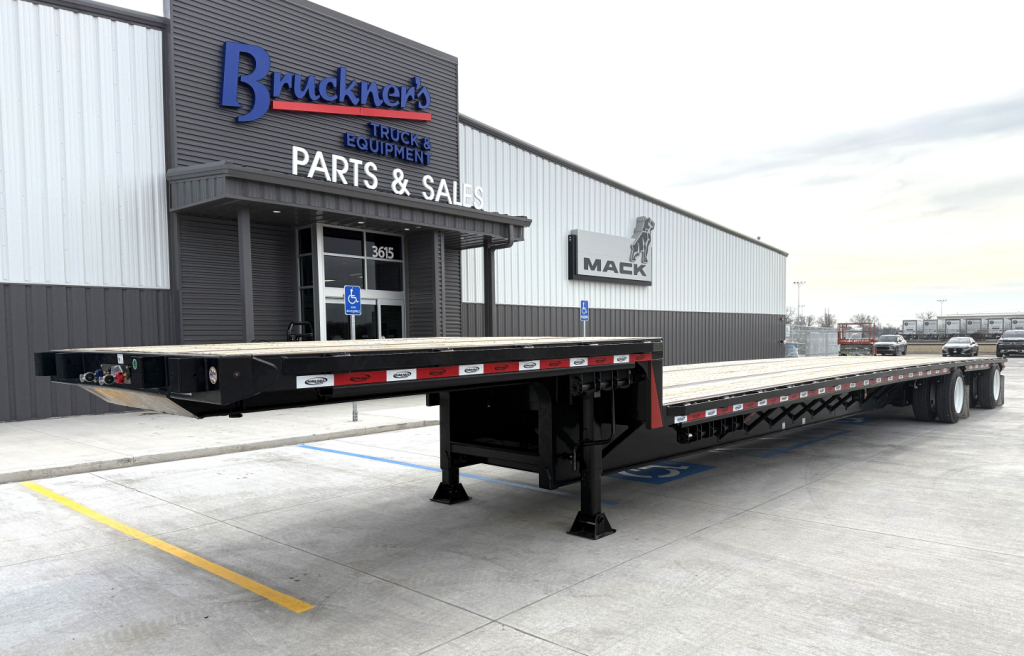
Shop new 2027 Dura Haul drop deck trailers in Texas. Compare 48' and 53' spread axle specs, ramps, decking, suspension, and tie-down setups.
Learn more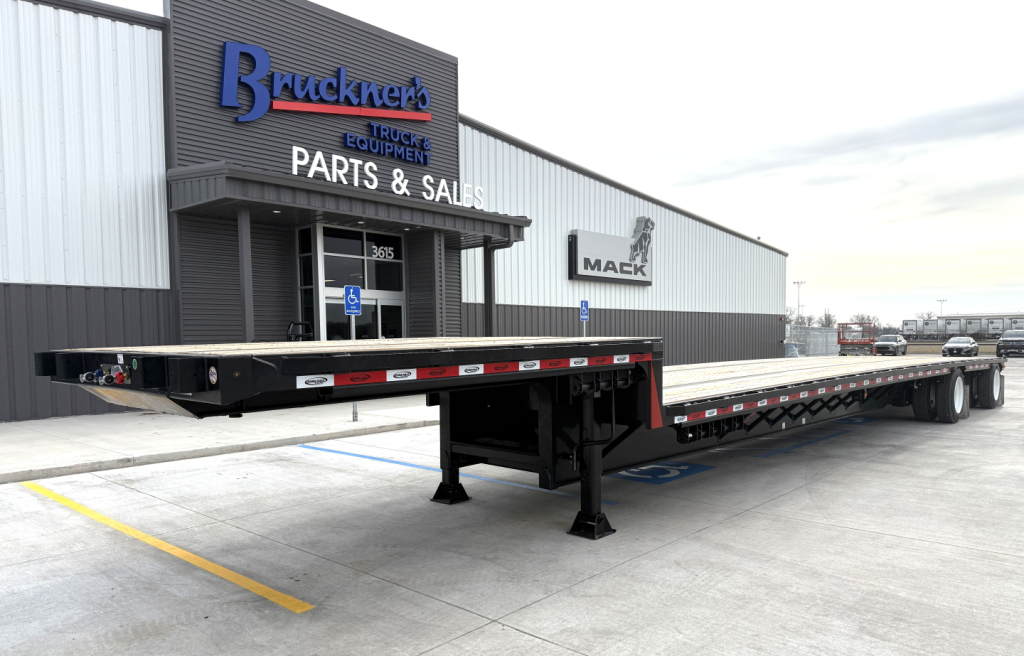
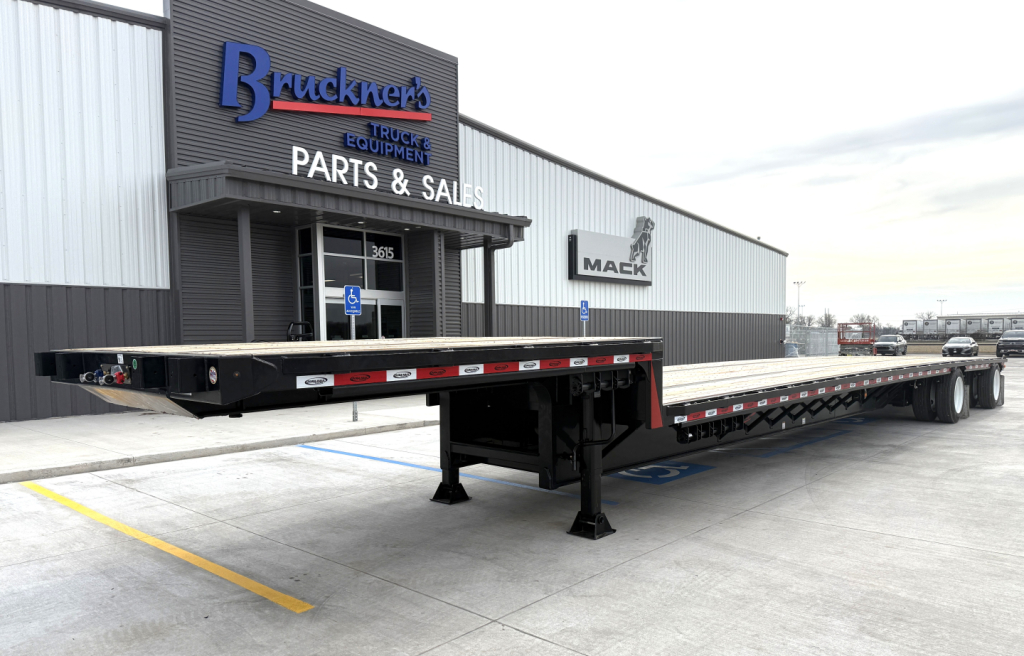
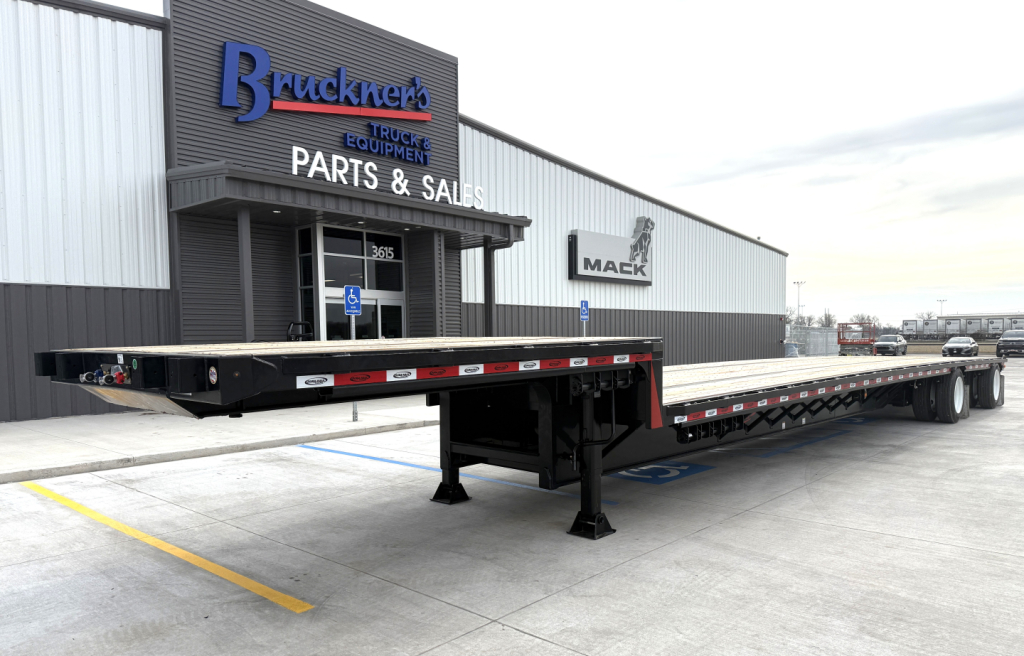
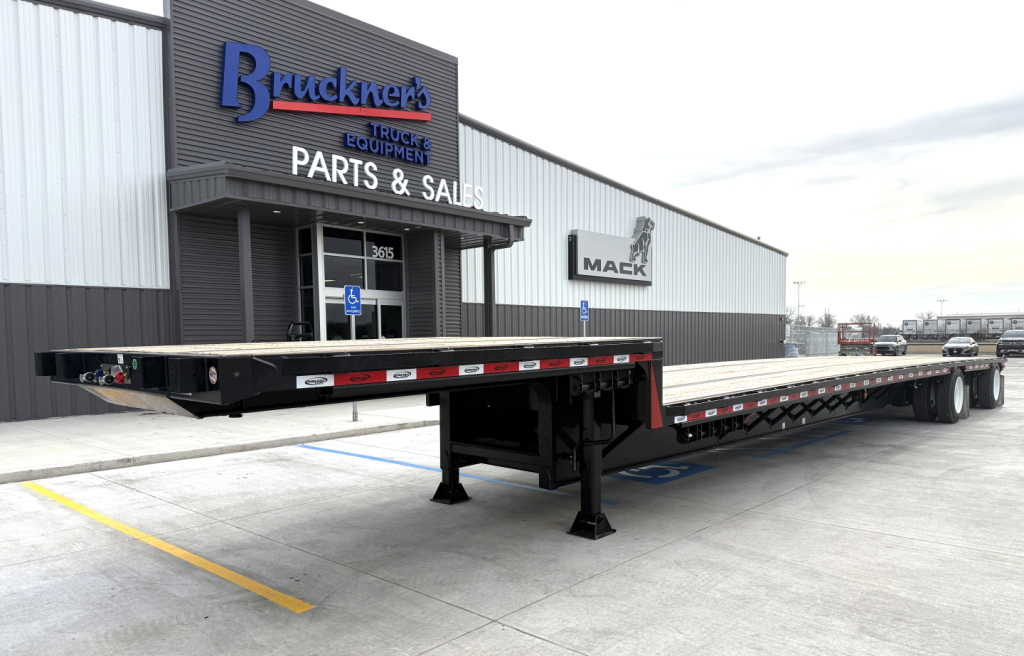
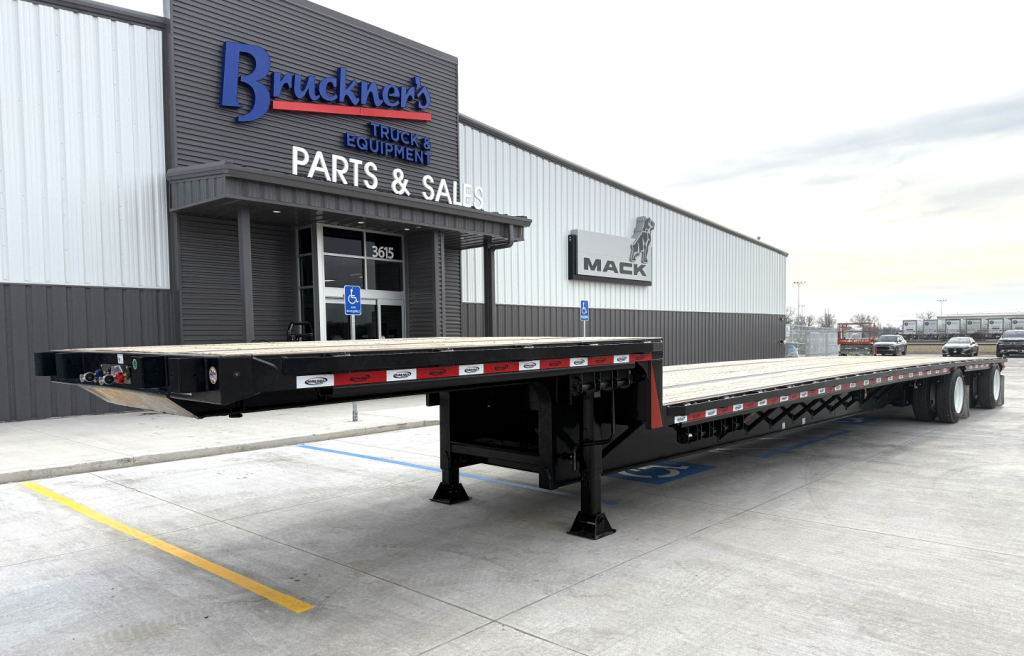

Showing 1 to 12 of 21 results
Have new 2027 dura haul trailer to sell? List it here to reach thousands of buyers.
About New 2027 Dura Haul Trailers in Texas
The spec choices shown matter because they directly affect daily usability. A 122-inch spread axle setup can help with bridge law and weight distribution, but it also changes turning characteristics and tire scrub compared with a closed tandem. Air ride suspension is a strong fit for shippers hauling machinery or freight that needs a smoother ride than spring suspension typically provides. Apitong decking remains a preferred floor material in this class because it holds up well under concentrated loads and repeated forklift traffic. On many step decks, 12-inch crossmember spacing is a selling point because closer centers improve floor support for denser cargo and hard-use loading patterns.
If your freight mix includes self-propelled equipment, skid steers, small tractors, or compact construction machines, a beavertail with flush-mount spring-assisted ramps is worth serious attention. That setup improves load angle and speeds up loading without requiring separate dock support or detachable ramps. For more general open-deck freight, buyers should look closely at tie-down equipment such as sliding winches, rub rail condition, stake pockets, and overall deck layout. A 24-inch kingpin setting, heavy duty two-speed landing gear, dump valve placement, and tire size like 255/70R22.5 are all details that affect compatibility with your tractors, ease of spotting, and serviceability over the life of the trailer.
For buyers comparing new Dura Haul drop deck trailers for sale in Texas, the key is matching deck length, axle spread, and loading style to the lanes you run most. A 48-foot spread axle can be a clean fit for regional machinery and building products, while a 53-foot spread axle gives more deck space for mixed freight and longer pieces. If loading is frequent and varied, ramp-equipped models can reduce handling time. If your work is mostly legal-height freight with forklifts and pallet jacks, a straight drop deck without ramps may leave more usable lower deck space. The best value in this category usually comes from choosing the trailer that fits your freight profile first, then confirming the structural and securement details that will hold up under real operating conditions.
Frequently Asked Questions
What is the main advantage of a drop deck trailer compared with a flatbed?
A drop deck trailer gives you a lower main deck height than a standard flatbed, which allows taller freight to move while staying within legal height limits more easily. That makes it a common choice for machinery, construction materials, industrial components, and other loads that would be too tall on a flat deck. It also improves loading flexibility for certain equipment because the lower deck can reduce ramp angle and make ground-level access easier.
Why do buyers choose a spread axle drop deck?
A spread axle drop deck is often chosen for weight distribution and bridge law advantages, especially on longer trailers like 48-foot and 53-foot models. The wider axle spacing can help support heavier legal payloads in many applications, but it also comes with tradeoffs such as increased tire scrub in tight turns and different maneuvering behavior in yards and urban deliveries. Buyers should weigh payload needs against route conditions and operating style.
Is a beavertail with ramps worth it on a step deck trailer?
A beavertail with ramps is worth considering if the trailer will regularly haul wheeled or tracked equipment such as skid steers, small excavators, compact tractors, or other self-loading machines. The beavertail improves the approach angle, and spring-assisted flush-mount ramps make loading faster and more controlled. If the trailer will mostly haul palletized freight, steel, or crated cargo loaded by forklift, a non-ramp configuration may provide more uninterrupted deck space.
What specs matter most when comparing new Dura Haul drop deck trailers?
The most important specs usually include overall length, lower deck length, axle configuration, deck material, crossmember spacing, suspension type, kingpin setting, landing gear, and tie-down equipment. Buyers should also confirm tire size, wheel type, winch count, dump valve location, and whether the trailer includes features like a liquid-filled air gauge or ramp package. These details affect payload support, tractor compatibility, loading efficiency, and long-term maintenance.
Why is Apitong decking common on drop deck trailers?
Apitong decking is widely used because it is durable, dense, and proven in open-deck service where trailers see concentrated point loads and repeated loading cycles. It tends to perform well under machinery, forklifts, and general freight traffic, and it is a familiar material for shops that repair or replace deck boards. For buyers planning hard use, deck material is not a minor detail because it affects longevity, cargo stability, and upkeep costs.