
Used Vantage Dump Trailers For Sale
Shop used Vantage dump trailers, including aluminum frameless models built for aggregate, paving, demolition, and high-volume hauling.
Learn more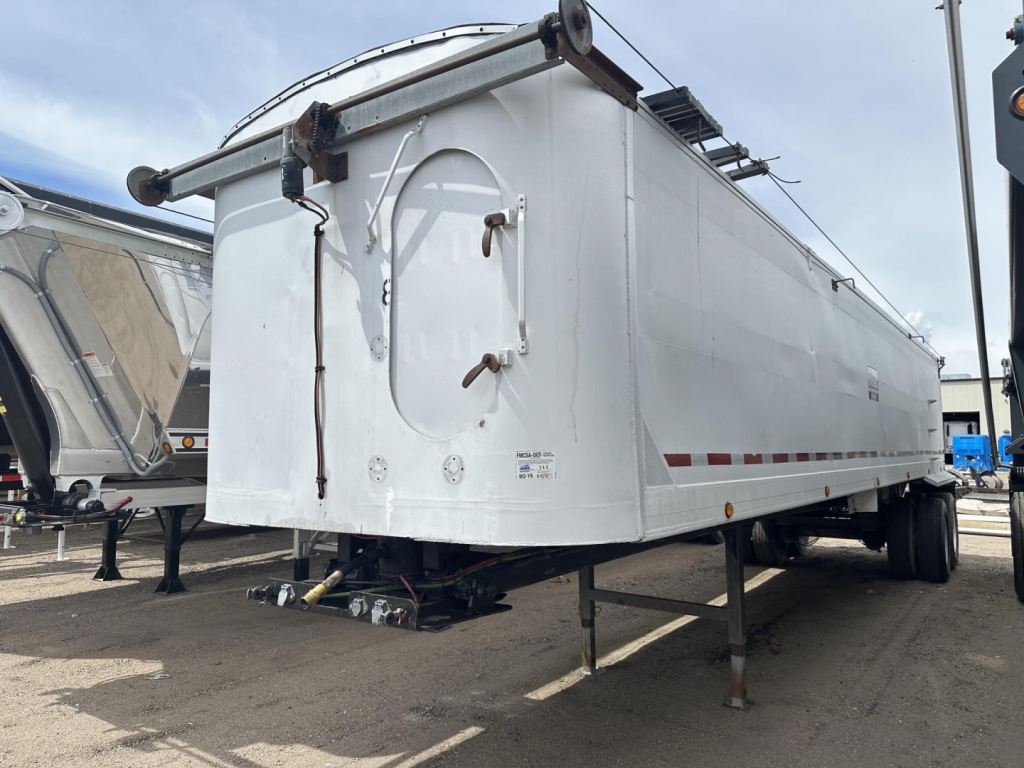
Have used vantage dump trailer to sell? List it here to reach thousands of buyers.
About Used Vantage Dump Trailers
One of the first things to evaluate on a used Vantage dump trailer is axle arrangement and suspension. Spread axle trailers are common because they help distribute weight and improve stability, while lift axles can add flexibility when running empty or trying to manage tire wear in tighter applications. Buyers should also look closely at wheel-end condition, brake life, tire percentage, and whether the trailer has a current inspection history. On dump trailers, the understructure, hinge points, crossmember area, and suspension hangers tell you a lot about how the trailer has been used. If the trailer is aluminum, check for cracking, prior repairs, and wear around high-stress points, especially near the hoist mount and rear frame area.
Body specs drive day-to-day usability. Common items on used Vantage dump trailers include top-hinge gates, manual or electric tarp systems, and interior liners for abrasive loads. A liner can make a major difference if the trailer has spent time hauling riprap, broken concrete, or other material that accelerates floor wear. Gate style affects unloading control, especially if the trailer is used across paving crews, quarry work, or site development. Tarp condition is also worth attention because it directly impacts compliance and turnaround time. For operators moving between highway work and off-road jobsites, tire size, ride height, and overall trailer balance should line up with the tractor and the terrain the trailer will see.
A used Vantage dump trailer is usually best judged by structural condition and maintenance history rather than model-year alone. Buyers comparing listings should pay attention to body length, side height, frameless versus frame-type construction, axle spacing, gate design, liner thickness, and remaining brake and tire life. If payload is the priority, an aluminum frameless trailer can be a strong fit. If duty cycle is severe and impact loading is routine, inspect carefully for floor, sidewall, and rear frame fatigue before making a decision.
Frequently Asked Questions
What are the main advantages of a used Vantage aluminum frameless dump trailer?
A used Vantage aluminum frameless dump trailer usually appeals to buyers who want lower empty weight and better payload potential. Aluminum construction also helps with corrosion resistance, which is important in wet aggregate, paving, and seasonal environments. The frameless design can be very efficient for bulk material hauling, but it should be inspected carefully because the body itself carries more of the structural load than a frame-type trailer.
What should I inspect first on a used dump trailer?
Start with the structure and running gear. Look at the body floor, sidewalls, rear frame, hinge area, hoist mounts, suspension hangers, axle alignment, brakes, and tire condition. On an aluminum dump trailer, inspect for cracks, patch repairs, weld quality, and distortion around stress points. A dump trailer can look decent from a distance and still have expensive structural wear, so the underbody inspection matters as much as the body itself.
Is a spread axle setup a good choice on a used Vantage dump trailer?
A spread axle setup is a common choice because it can improve stability and help distribute load weight more effectively. It may also support better legal loading in some applications, depending on local and state bridge laws. The tradeoff is that spread axle trailers can be harder on tires in tight turns and certain jobsites, so buyers should check tire wear patterns, suspension condition, and how the trailer will be routed in normal service.
Why does liner thickness matter on a used dump trailer?
Liner thickness matters because it affects floor protection, unload performance, and long-term body life. A trailer hauling abrasive or impact-heavy material such as broken concrete, shot rock, or demolition debris will usually benefit from a liner. A 1/4-inch liner, for example, can help reduce direct wear to the trailer body, but buyers should still inspect underneath for trapped moisture, corrosion, or hidden floor damage.
What gate and tarp features are most useful on a dump trailer?
Top-hinge gates are popular because they work well for bulk unloading and can handle a wide range of aggregate and site materials. Some operations may prefer other gate styles depending on load control needs and how material is discharged. Tarp systems are equally important because they affect legal compliance, weather protection, and loading speed. On a used trailer, check tarp fabric condition, roller operation, arms, crank or motor function, and how well the system seals the load.