
Vantage Dump Trailers For Sale
Browse Vantage dump trailers, including frameless aluminum end dumps with air ride, tarp systems, liners, and tandem or spread axle setups.
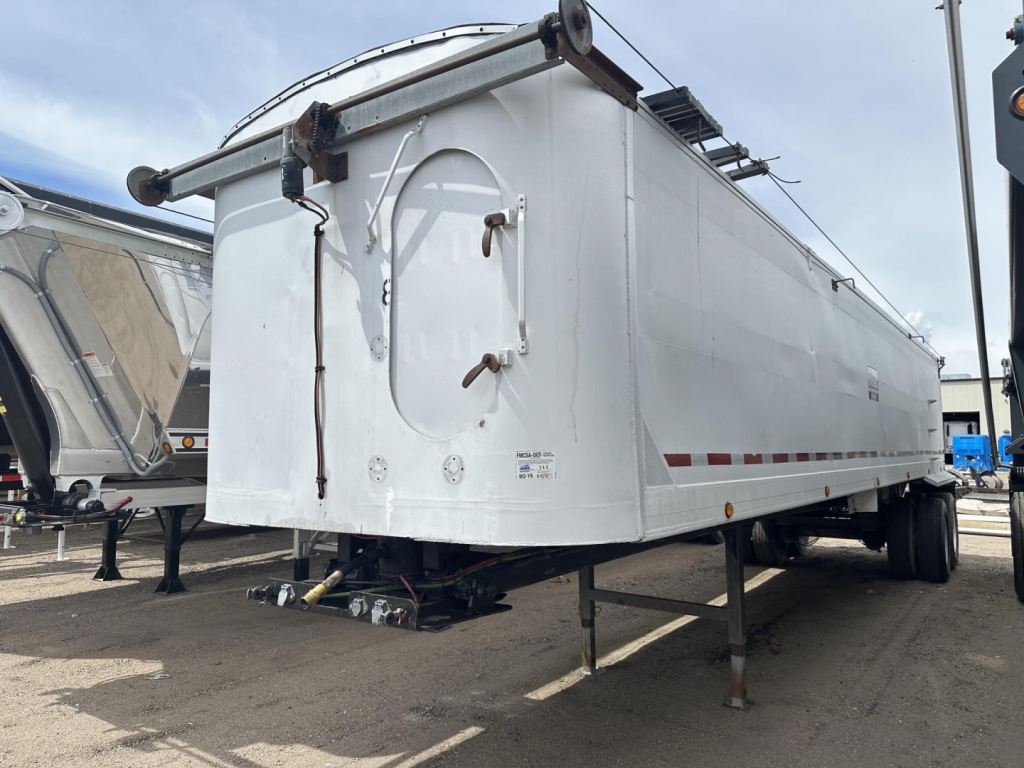
Selling a vantage dump trailer? List your vantage dump trailer for sale and reach thousands of commercial buyers.
Vantage Dump Trailers
The biggest buying decision is usually body design and gate setup. A frameless aluminum dump trailer can deliver strong payload numbers, but it also puts more importance on maintenance history, prior loading practices, and body condition. Check the tub, crossmember areas, hinge points, hoist mounts, draft arms, and kingpin area for signs of cracking, distortion, or hard use. Top-hinge gates are popular because they handle many aggregate and demolition applications well, and a liner can be a major advantage when hauling abrasive material or loads that tend to stick. Tarp systems also matter more than many buyers expect. Electric slide tarps speed up loading and unloading cycles, while manual roll tarps keep the spec simpler.
Suspension, axle spacing, and tire package should match the route, not just the commodity. Air ride is a common spec on Vantage dump trailers because it helps with ride quality and can reduce shock to the trailer on rough roads. Spread axle setups can help with load distribution and legal payload in some states, while closed tandem trailers are often easier to back and turn in tighter jobsite conditions. Buyers should also pay attention to axle lift configurations, brake type, wheel material, tire size such as 11R22.5 or 11R24.5, and the condition of fenders, mudflaps, and suspension components.
On used Vantage dump trailers, overall structural condition is more important than cosmetic appearance. A clean inspection, consistent tire wear, solid brake life, working tarp, good liner condition, and a straight body usually tell you more than polished wheels. If the trailer will stay in quarry work or heavy demolition service, look closely at liner thickness, gate seals, tailgate hardware, and any signs of frame twist from uneven dumping. If the goal is a lighter-duty aggregate or paving application, payload, body volume, and unload stability may take priority. The right Vantage dump trailer is the one whose body length, axle configuration, and structural condition fit the work without forcing compromises on legal weight or jobsite reliability.
Frequently Asked Questions about Vantage Dump Trailers
What is the advantage of a frameless aluminum Vantage dump trailer?
A frameless aluminum dump trailer is typically chosen for lower empty weight and higher potential payload compared with heavier steel configurations. That makes it a strong fit for aggregate, asphalt, and other bulk commodities where every ton matters. The tradeoff is that body condition, hinge integrity, hoist area condition, and loading history become especially important, because frameless trailers depend on the body structure to carry working stresses.
Should I choose a spread axle or closed tandem Vantage dump trailer?
A spread axle trailer can improve weight distribution and may help with legal payload depending on state bridge laws, but it usually takes more room to maneuver and back into tight spaces. A closed tandem setup is often easier in urban jobsites, plant yards, and tighter dump locations. The best choice depends on your operating state, haul distance, and how often the trailer works in confined areas versus open pits or highway runs.
Why does a liner matter in a dump trailer?
A liner helps protect the trailer body from abrasion and can improve material release when hauling sticky or sharp commodities. This is especially useful in sand, gravel, millings, demolition debris, and similar applications that wear the body quickly or tend to hang up during unloading. When shopping used units, inspect the liner for excessive wear, separation, patchwork, and signs that the body underneath may have been stressed.
What should I inspect first on a used Vantage dump trailer?
Start with the structure before looking at cosmetic items. Focus on the kingpin area, suspension hangers, axle alignment, tub condition, hinge assembly, hoist mounts, gate hardware, and any visible cracking or weld repairs. Then check the brakes, tires, wheel ends, tarp operation, airline condition, and signs of uneven wear that could point to alignment or suspension issues. A trailer that is straight and structurally sound is usually a better buy than one that only looks clean.
Are top-hinge gates a good choice for dump trailer work?
Top-hinge gates are a common and practical choice for many end dump applications because they allow controlled discharge while keeping the rear opening clear for aggregate and similar materials. They are well suited to general construction and quarry work, but the exact gate style should still match the commodity. Buyers should inspect the hinges, seals, latch system, and air gate operation if equipped, because worn gate hardware can affect both unloading performance and road cleanliness.