
Troxell Dump Trailers For Sale
Shop Troxell dump trailers for aggregate, asphalt, and site work. Compare body sizes, axle setups, liner options, and hoist configurations.
No exact matches found for your search
Showing Dump Trailers instead.
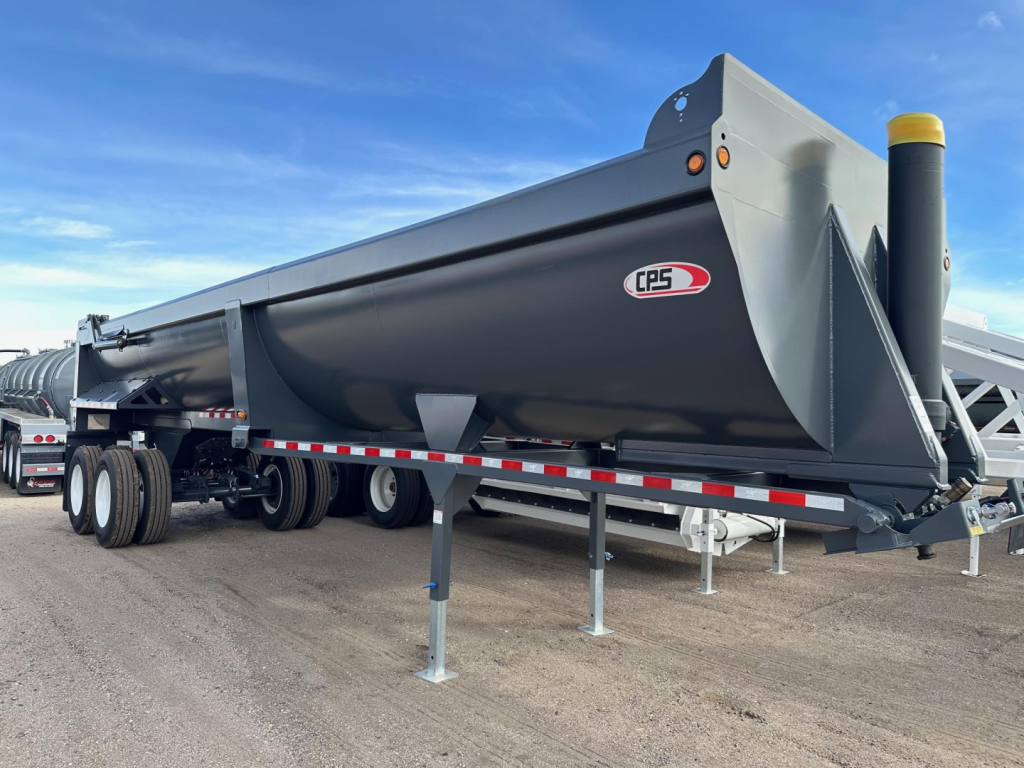
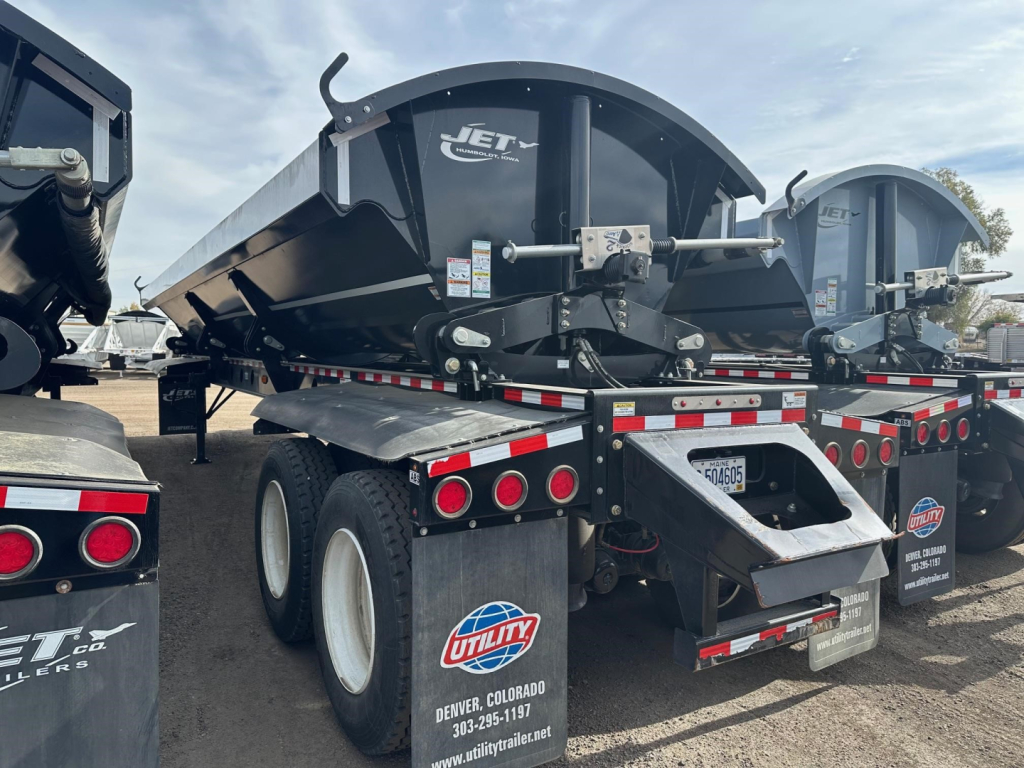
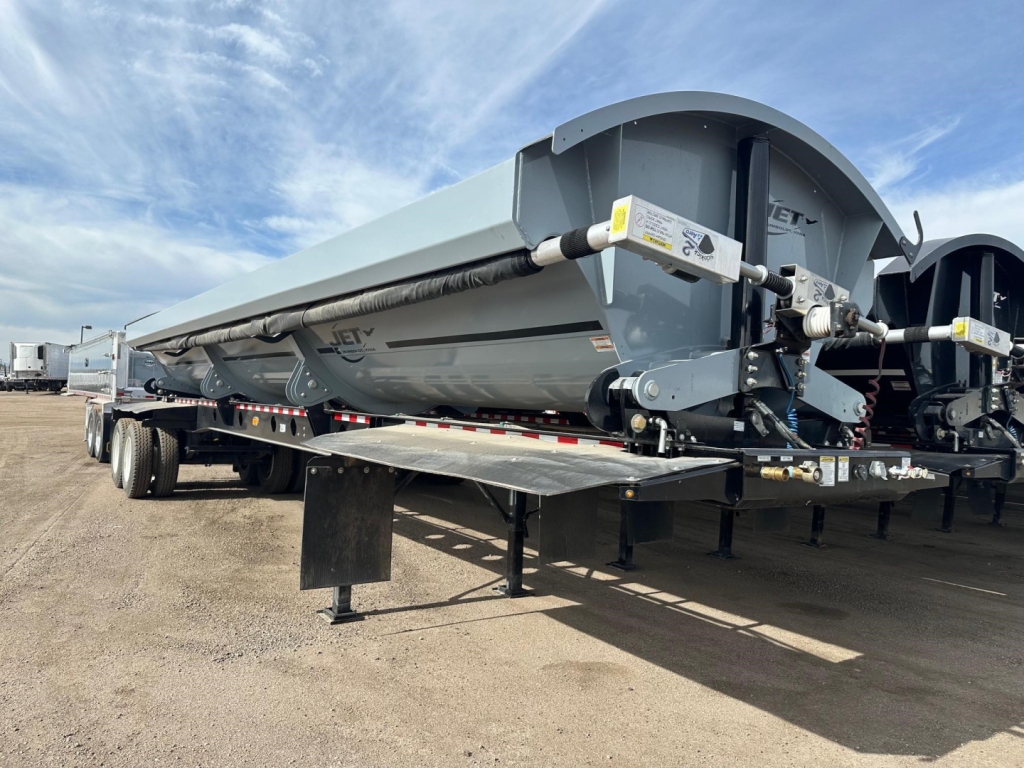
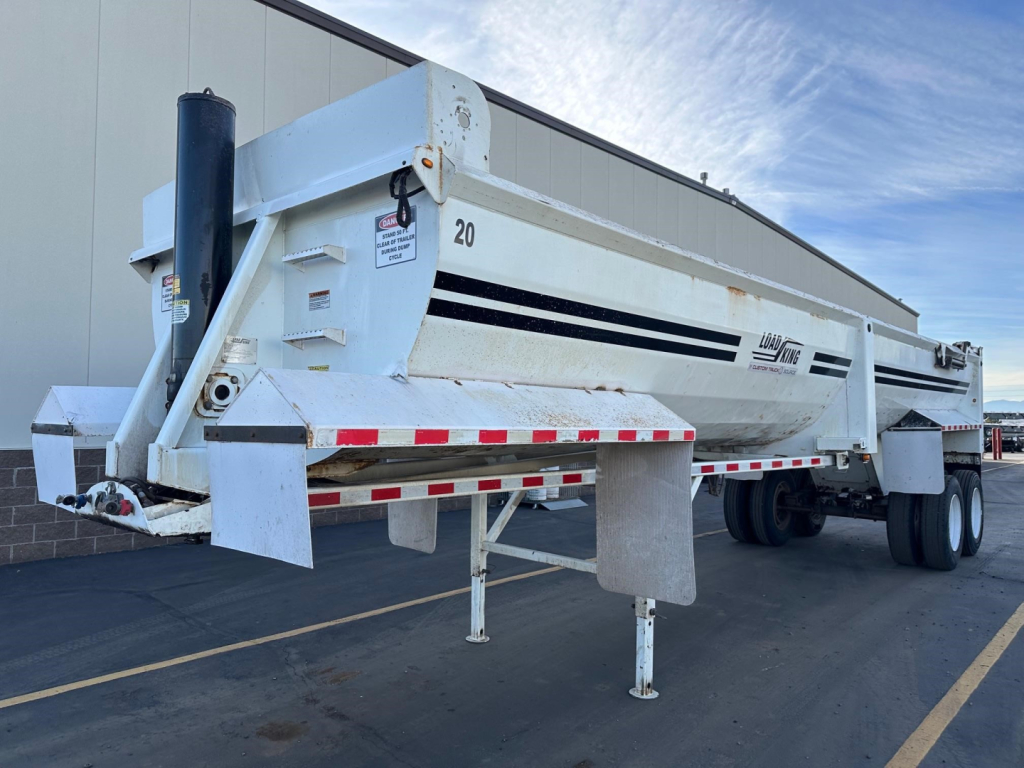
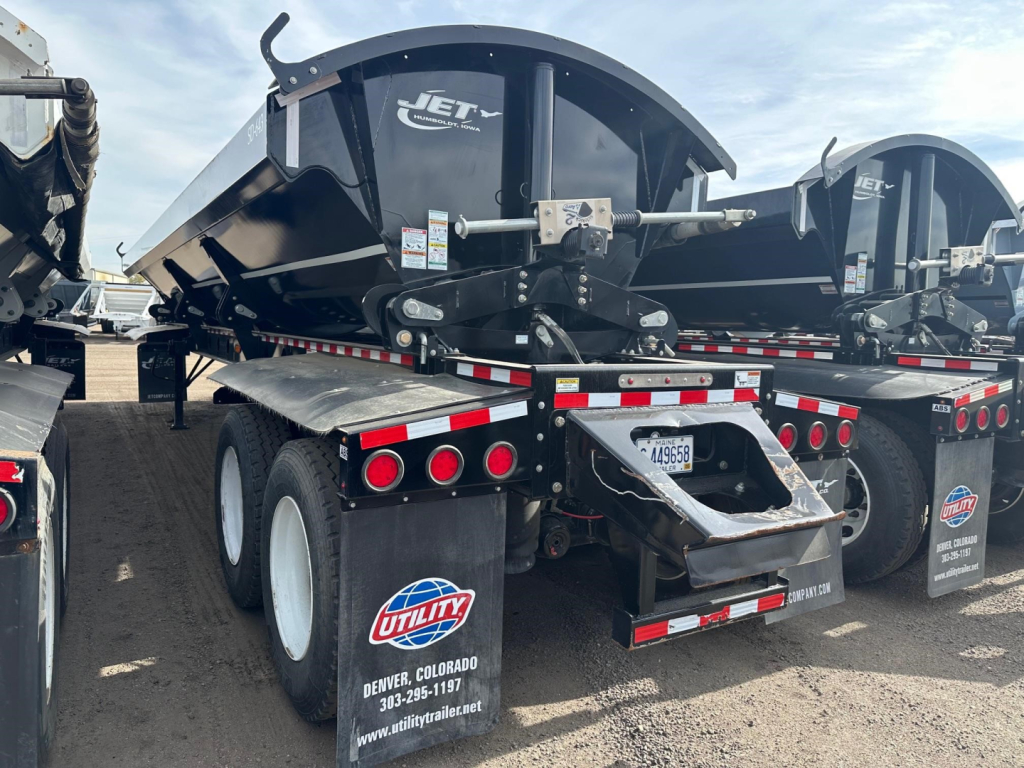
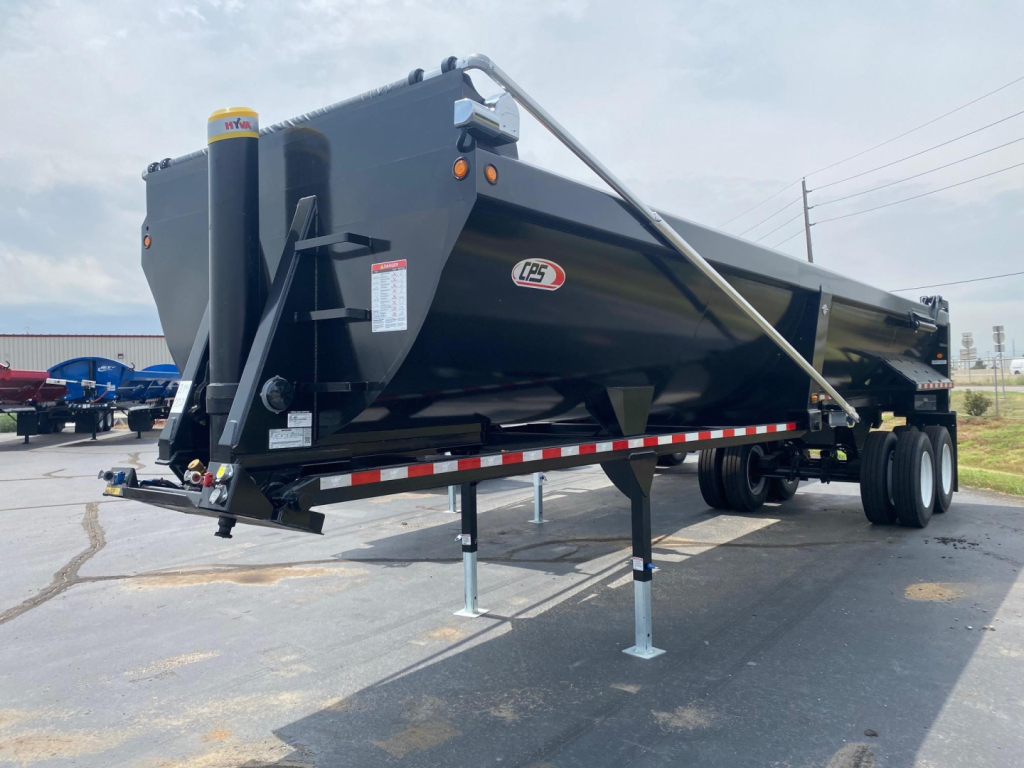
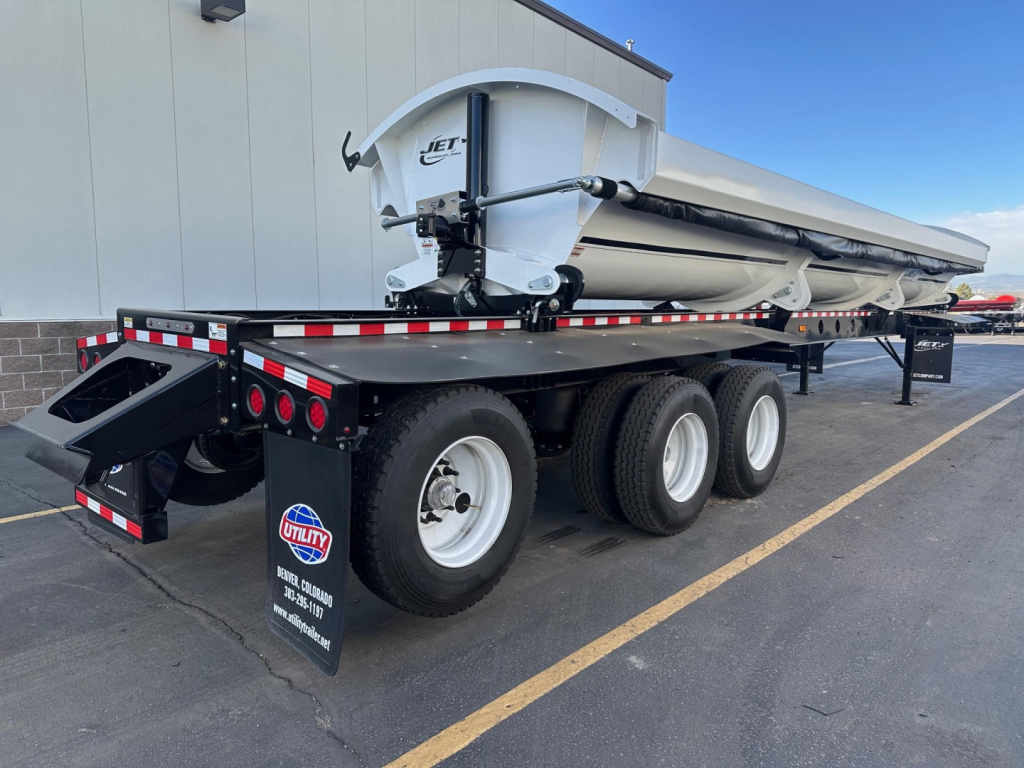
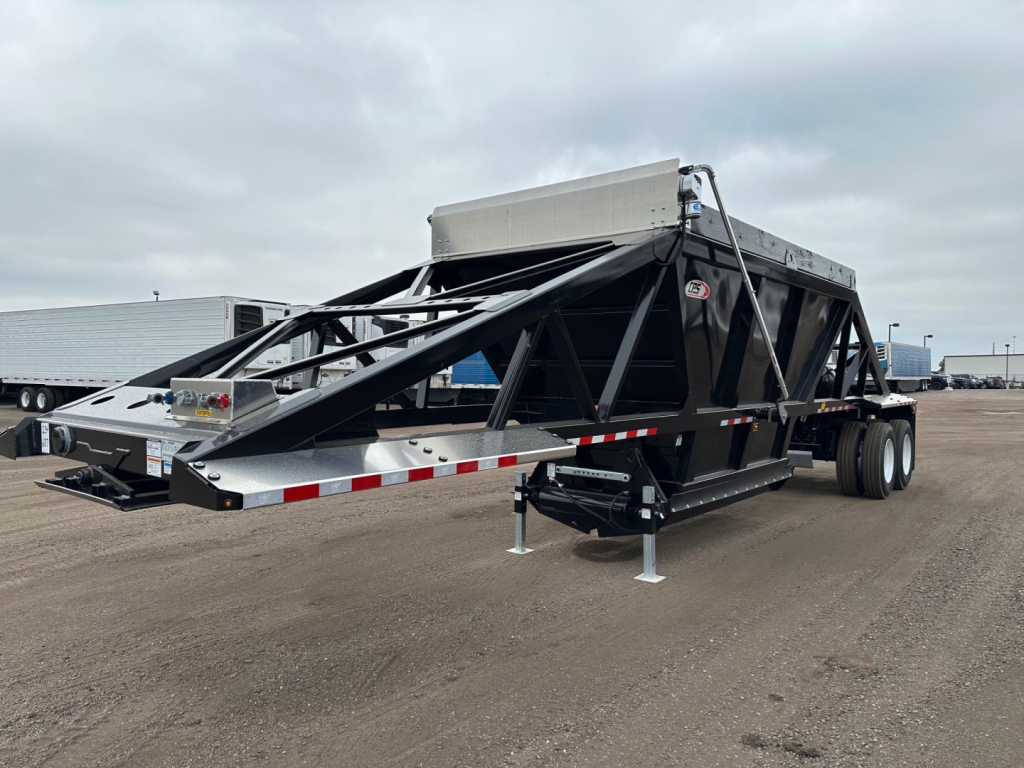
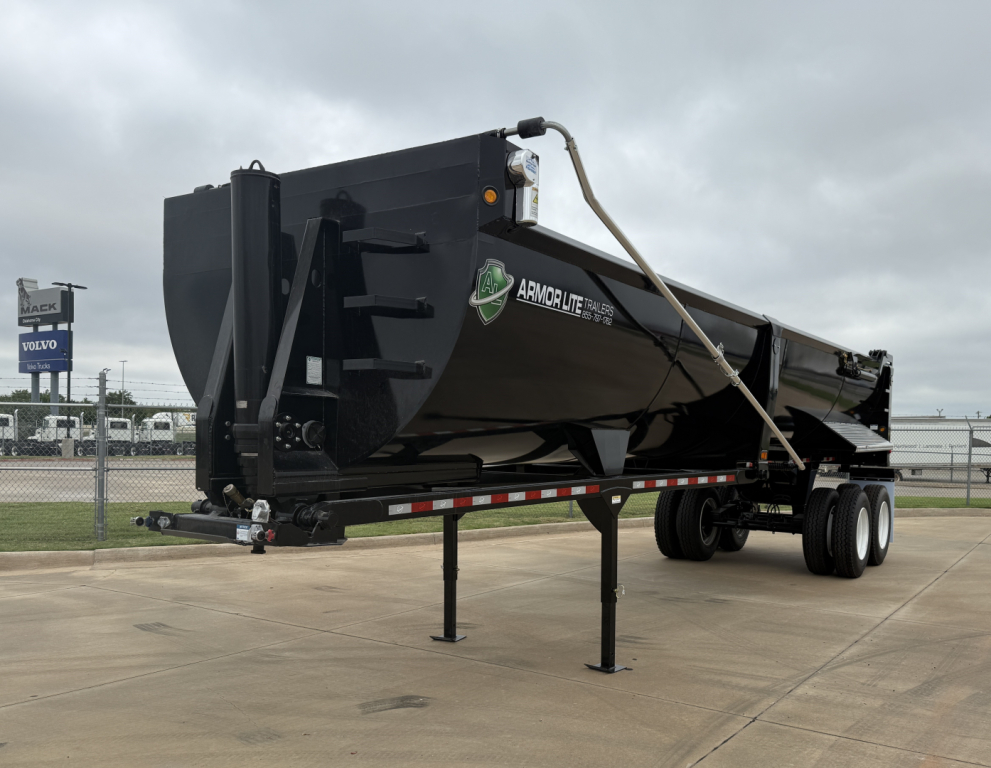
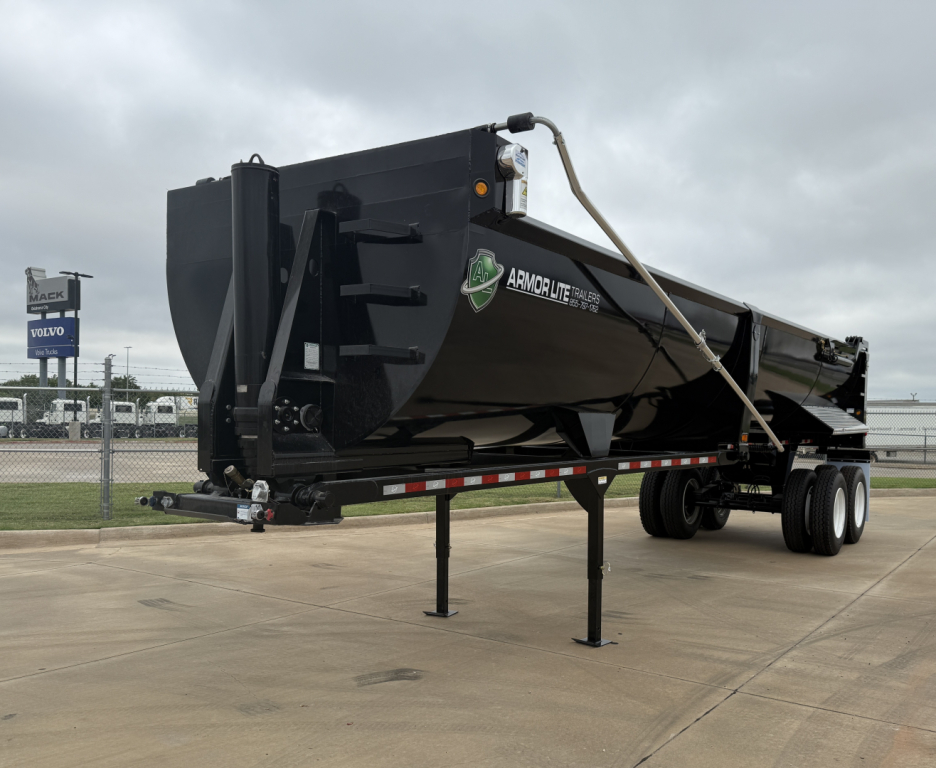
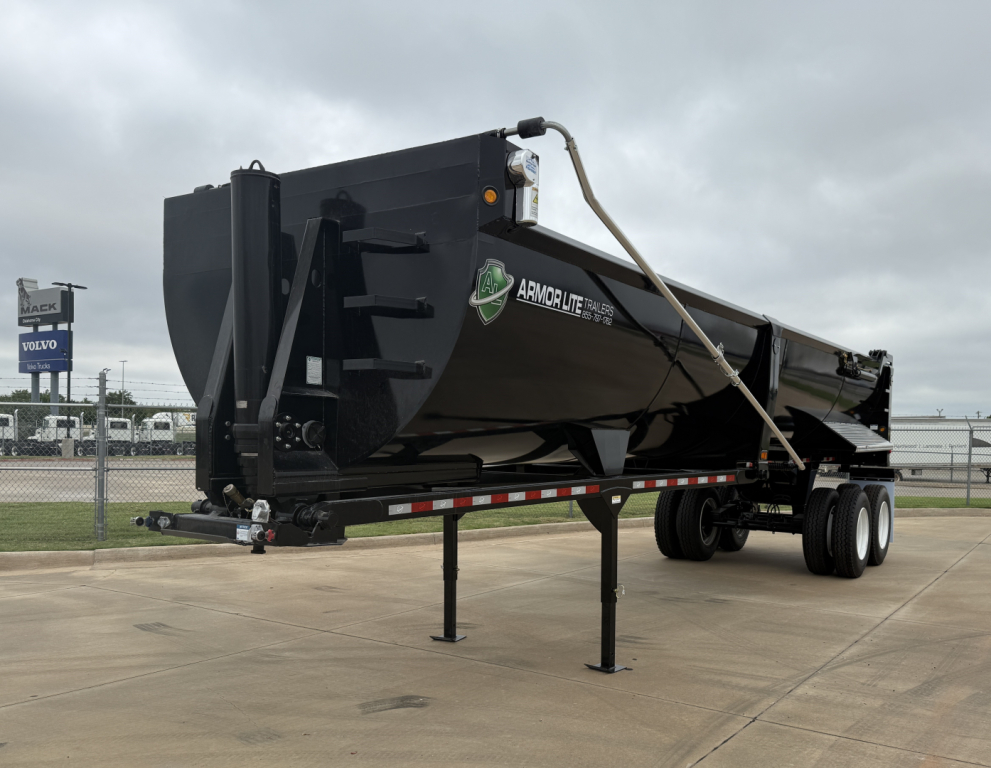
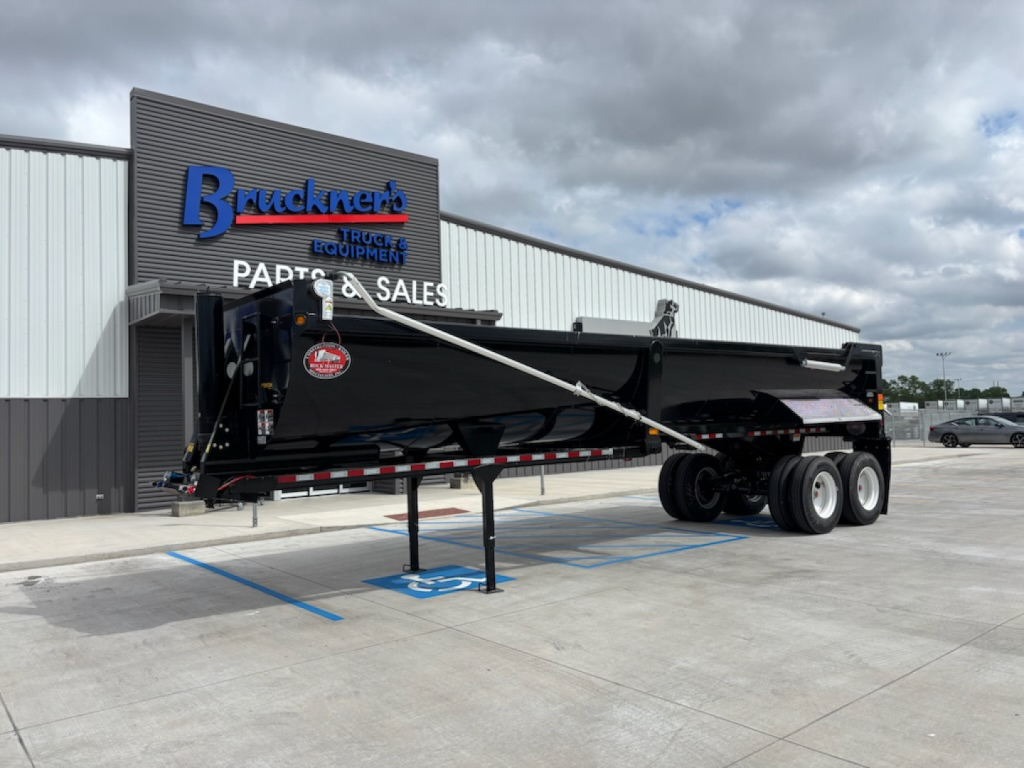
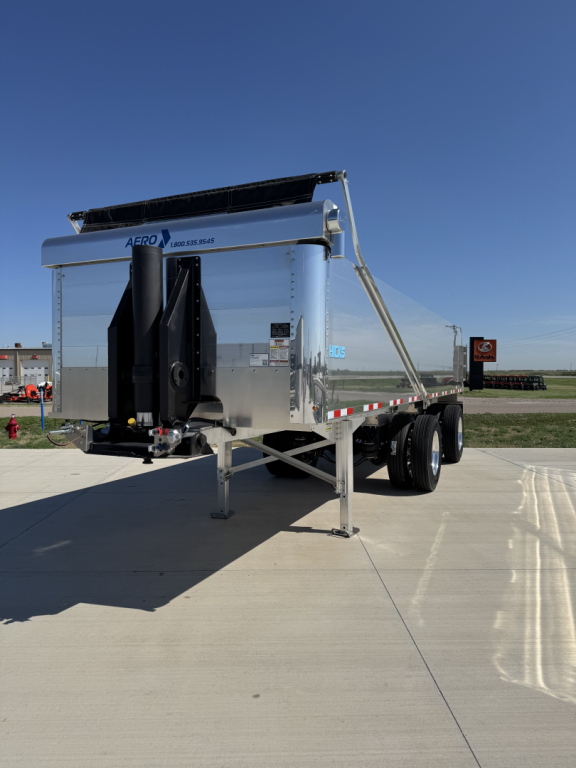
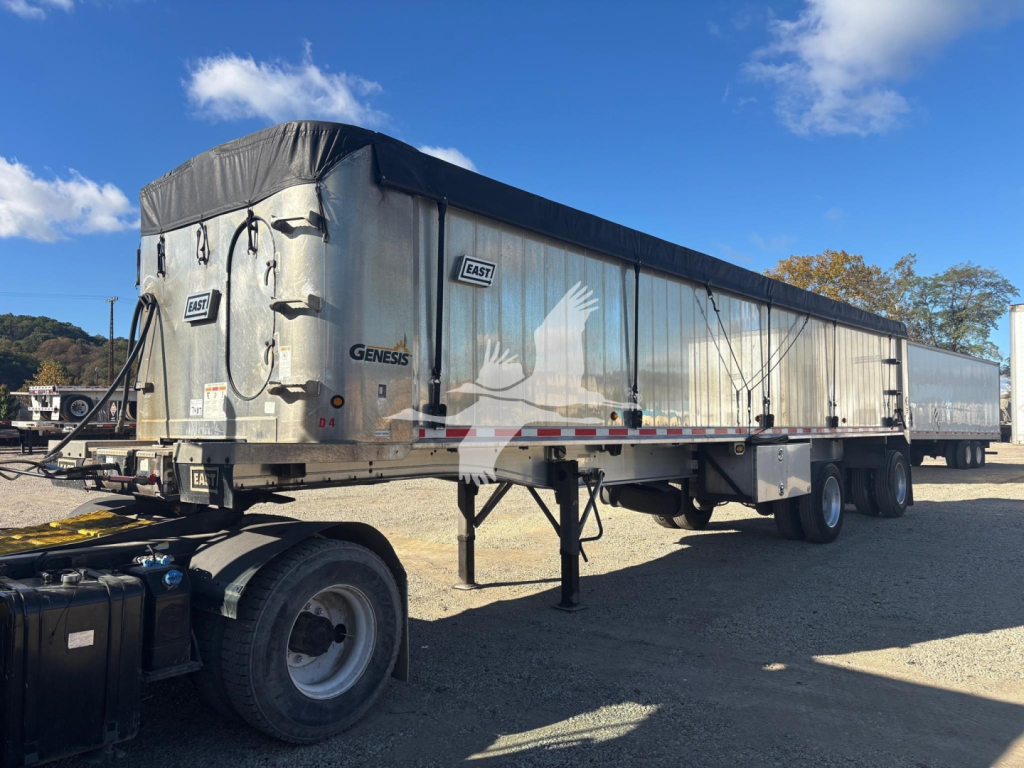
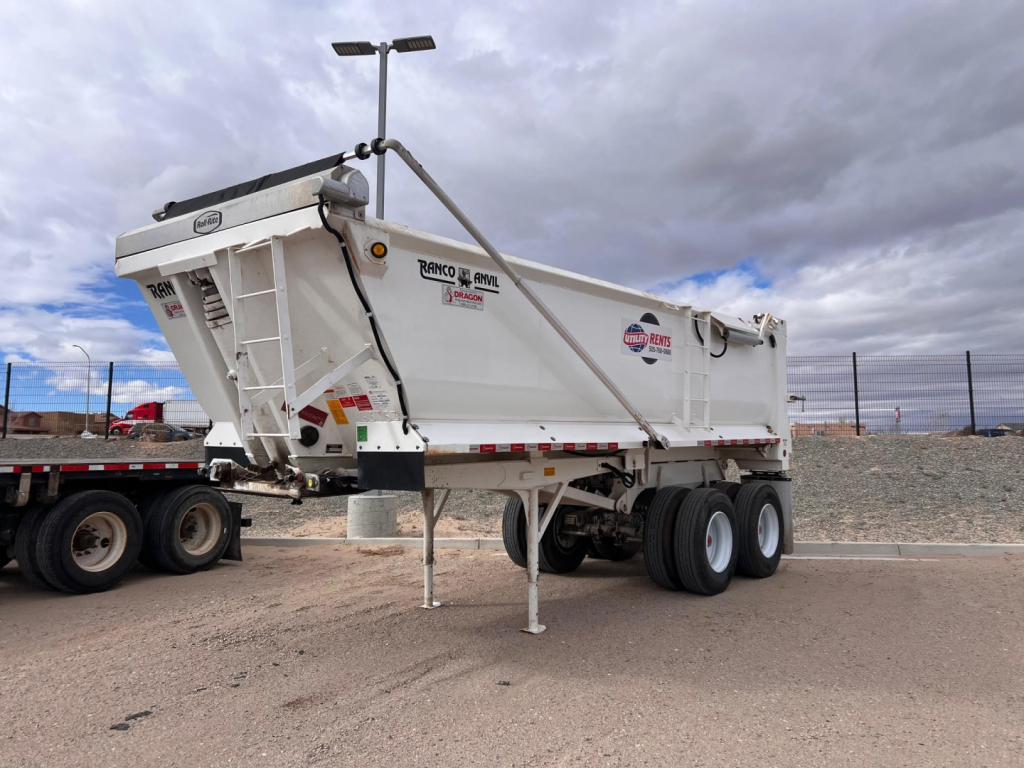
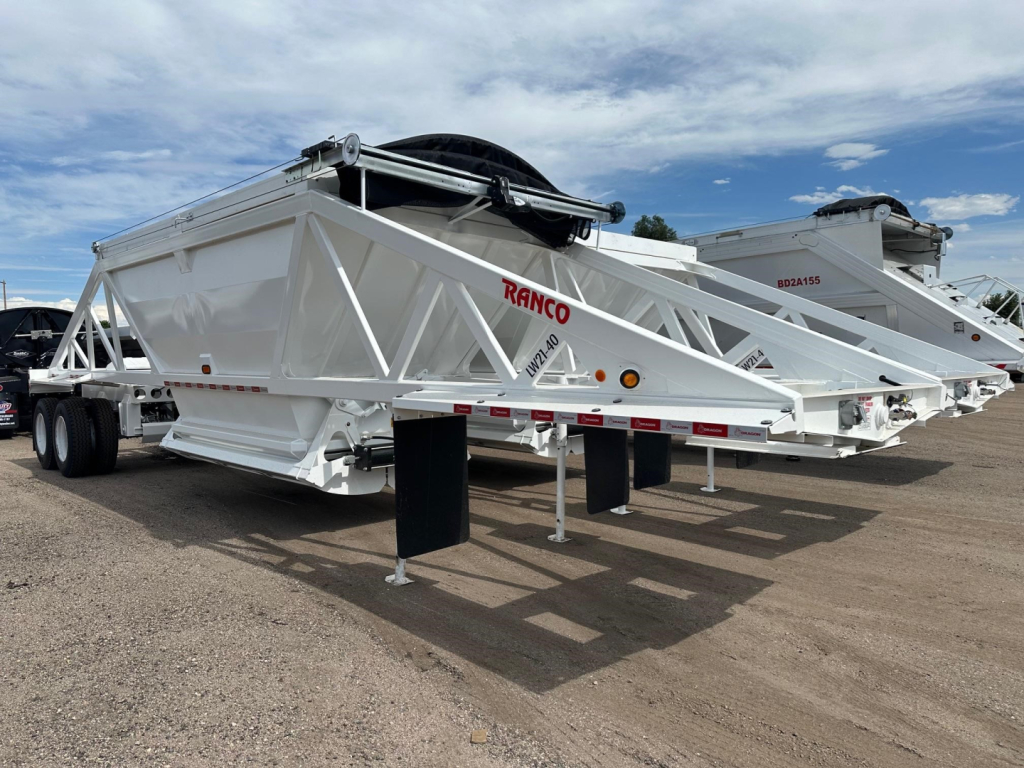
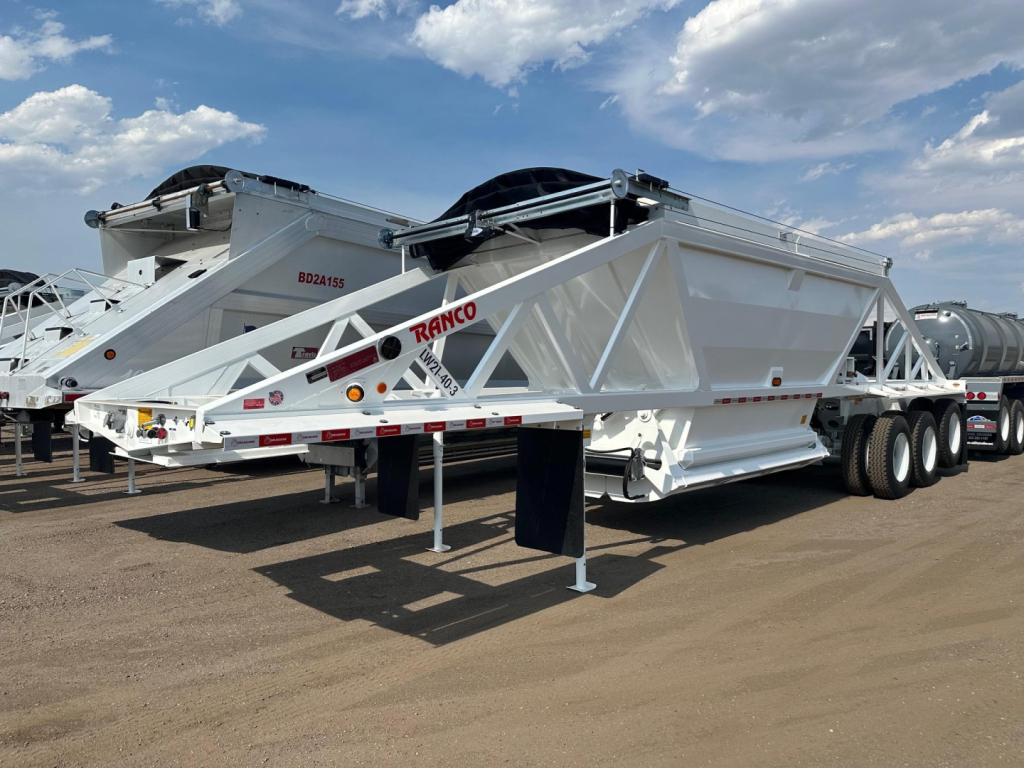
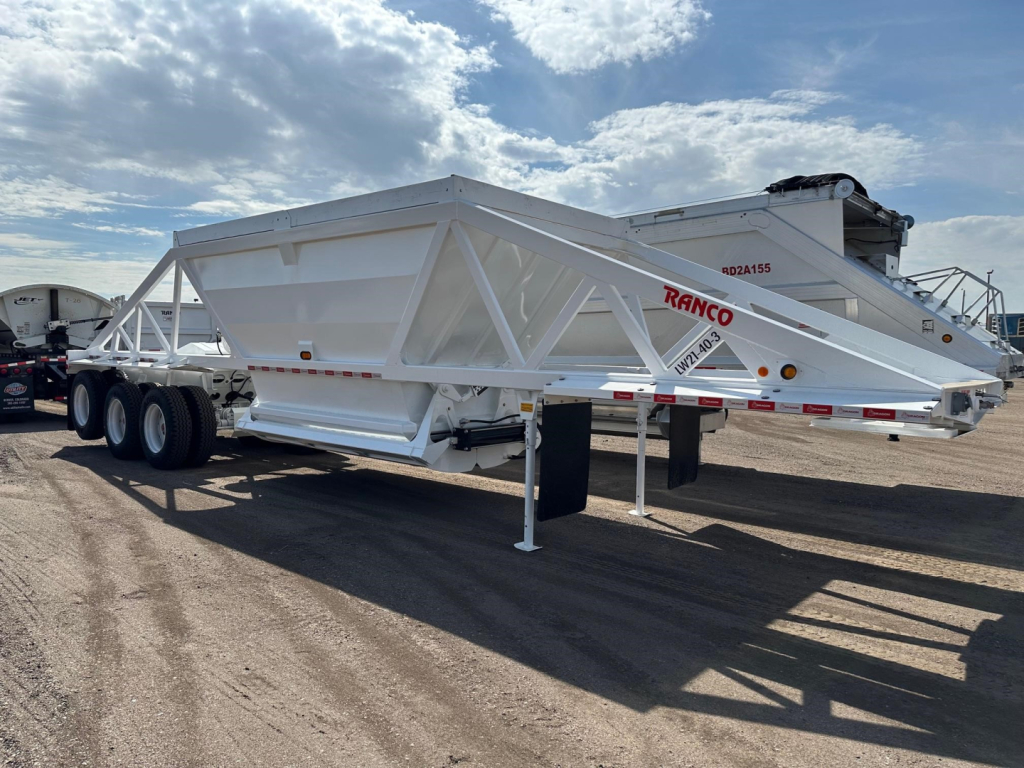
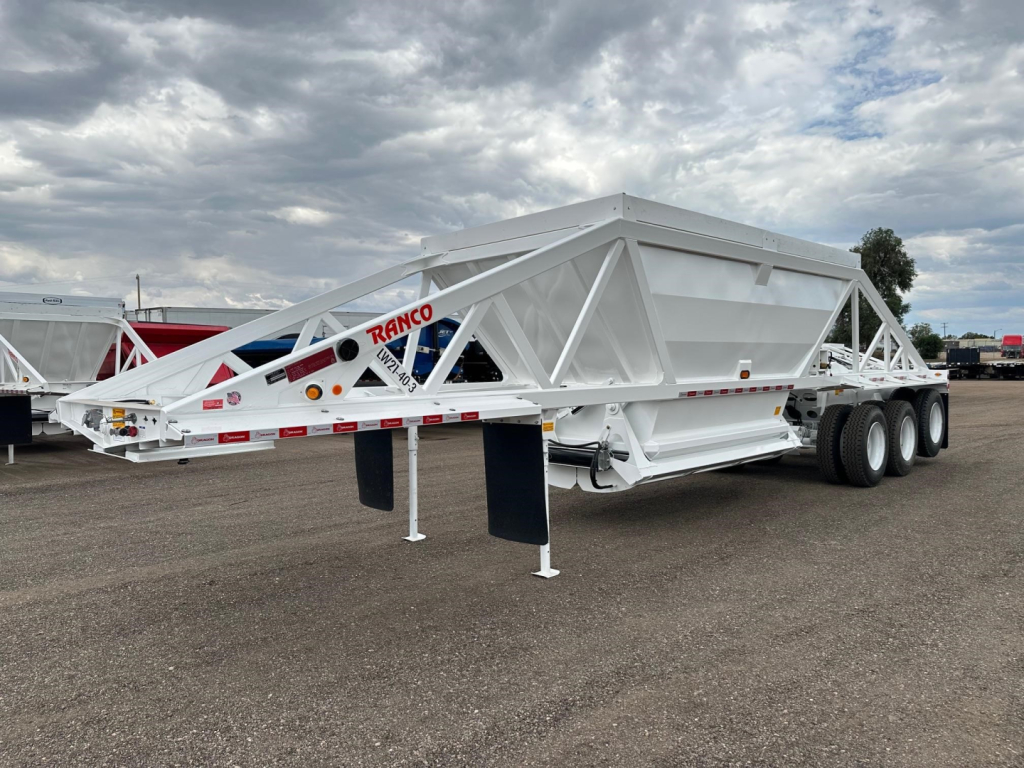
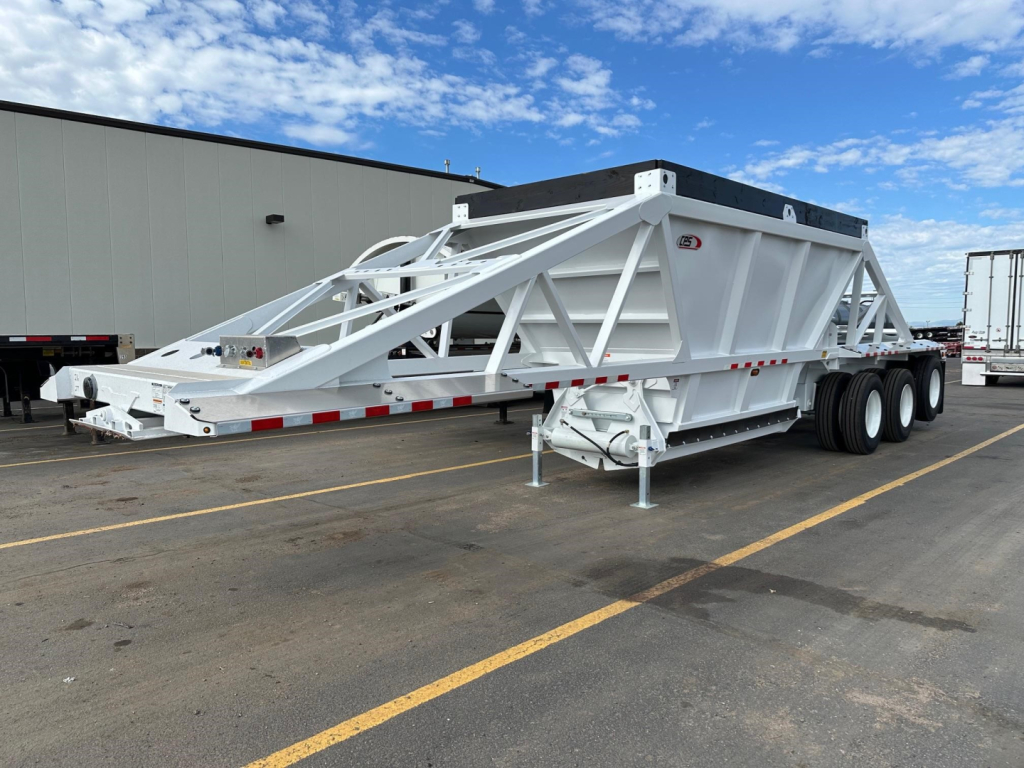
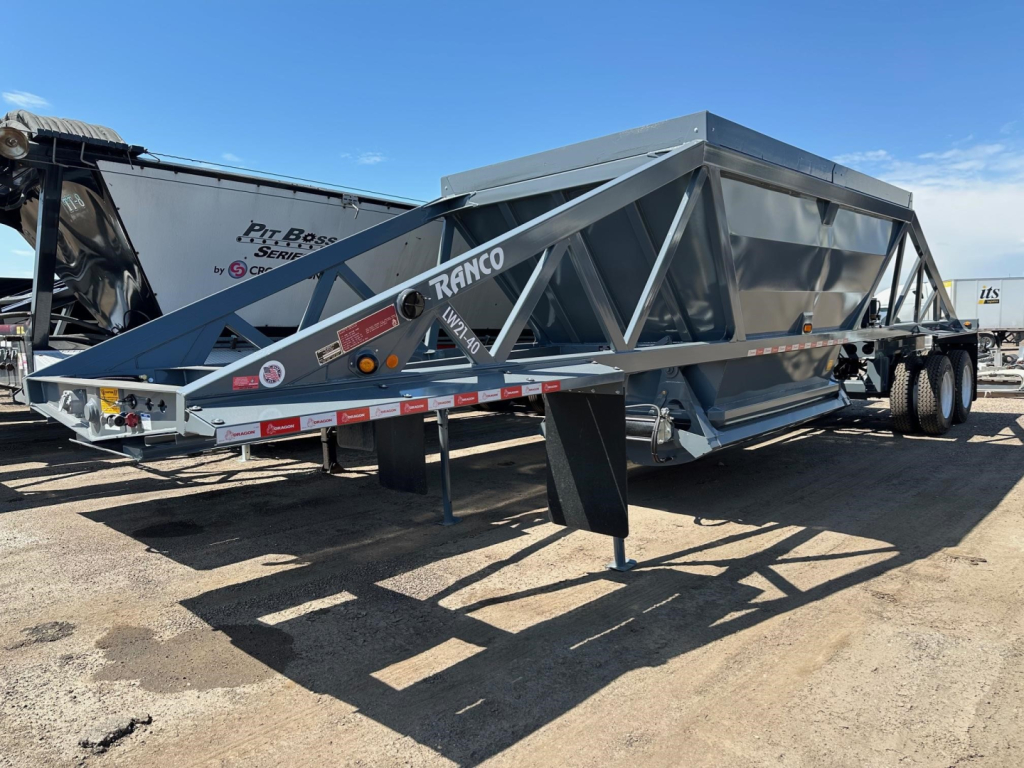
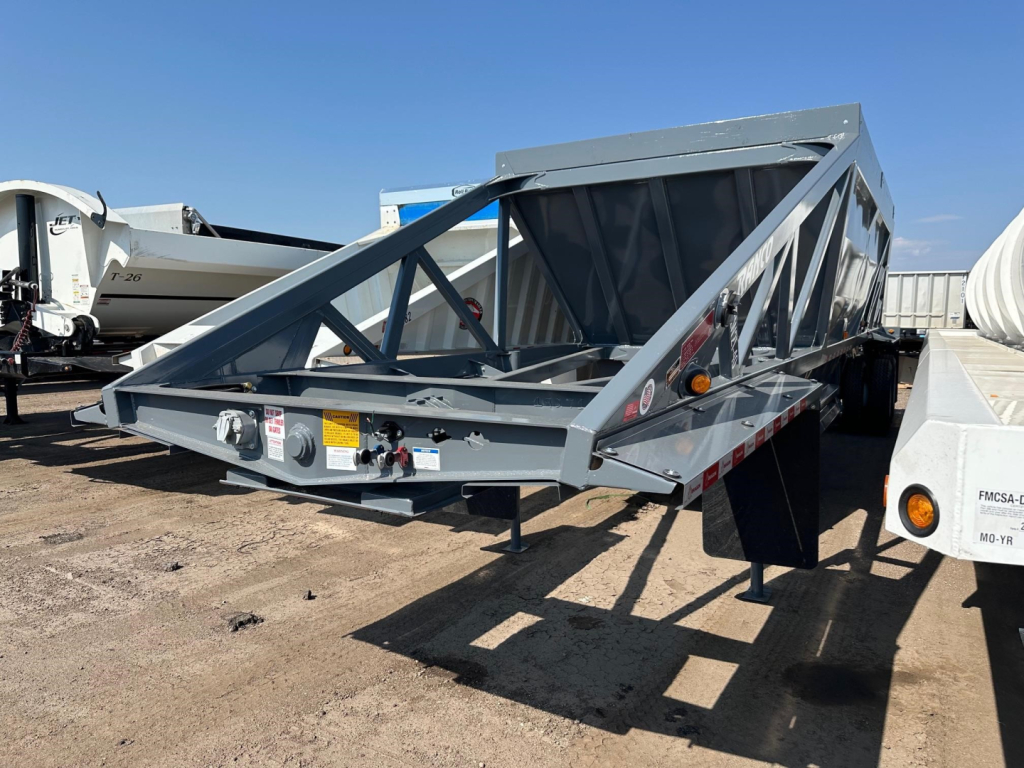
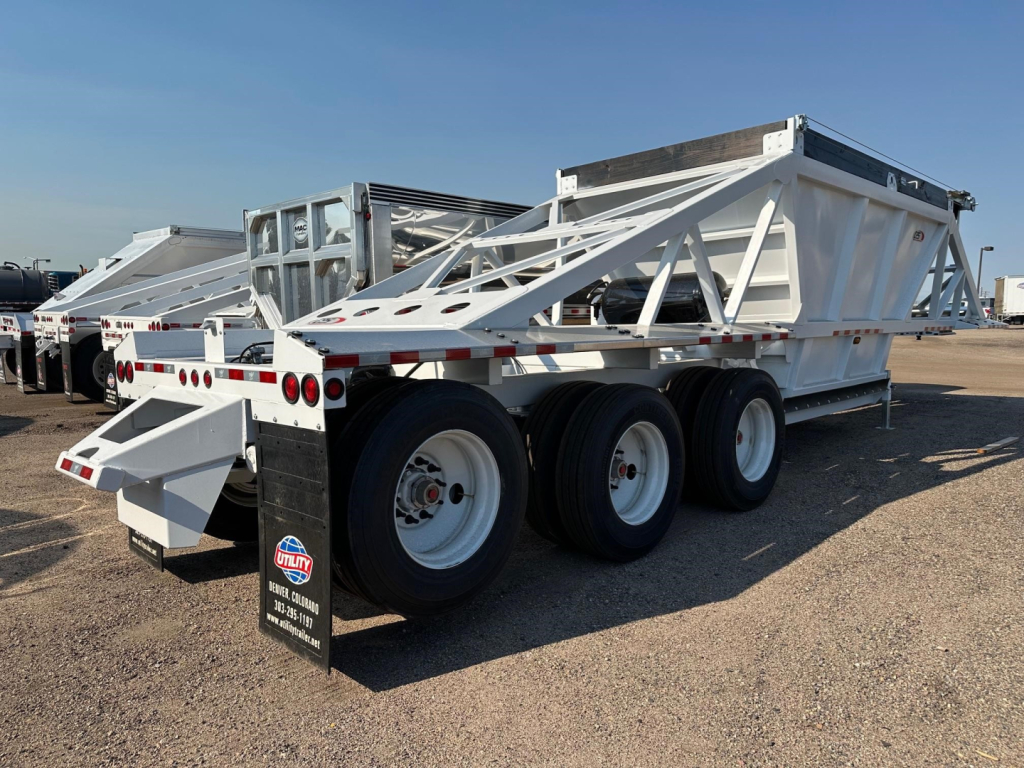
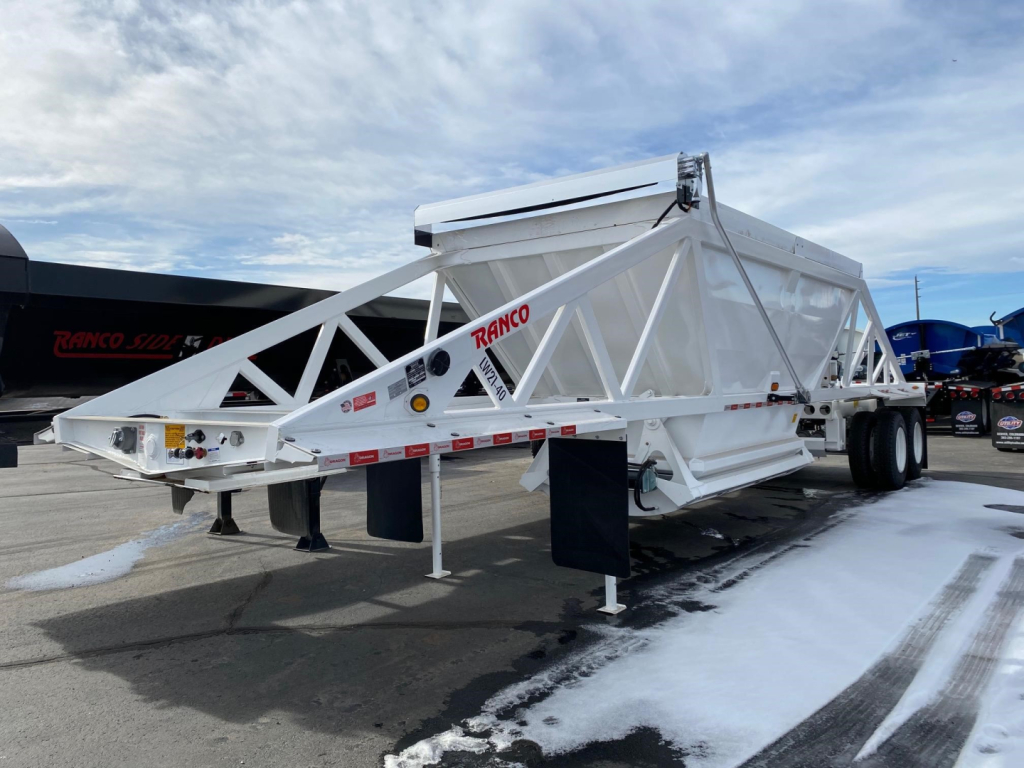
Showing 85 to 112 of 187 results
Selling a troxell dump trailer? List your troxell dump trailer for sale and reach thousands of commercial buyers.
Troxell Dump Trailers
The first question is usually body construction. Troxell dump trailers are commonly considered for hard-use applications where abrasion resistance and floor life are important, especially in aggregate and paving work. Buyers should pay close attention to sidewall gauge, floor thickness, crossmember design, and whether the trailer uses a smooth-sided or half-round style body. Half-round dump trailers generally shed material better and reduce carryback on wet loads, while other body styles may offer advantages depending on the material and loading method. Liner choices, gate style, tarp systems, and suspension specification also matter, particularly if the trailer will alternate between quarry work, road construction, and plant runs.
Axle spacing, suspension, tire size, and overall trailer length should be matched to the states and routes where the trailer will run. A dump trailer that works well on short regional aggregate hauls may need a different axle package or gate arrangement for asphalt service or municipal work. Look closely at hoist capacity, frame reinforcement, rear hinge design, and the quality of the electrical and air routing, because these details often separate a trailer that holds up in daily jobsite use from one that spends too much time in the shop. If the trailer will see off-road loading, uneven dumps, or frequent transfer between different materials, stability and structural reinforcement should rank high on the checklist.
Troxell dump trailers appeal to buyers who want a purpose-built end dump for demanding work rather than a light-spec general haul trailer. The best fit comes down to material type, target payload, local bridge laws, and how aggressively the trailer will be used. A buyer comparing listings in this category should evaluate capacity, body dimensions, empty weight, suspension type, tire and wheel package, hoist specification, gate configuration, and liner setup as a complete system. That approach gives a more accurate picture of production capability, service life, and operating cost than looking at model year alone.
Frequently Asked Questions about Troxell Dump Trailers
What should I look for first when comparing Troxell dump trailers?
Start with capacity, body construction, and axle configuration. Those three factors determine how the trailer will perform with your material, what kind of payload you can legally carry, and how well it will hold up over time. After that, review floor and side thickness, hoist design, suspension, gate style, and liner options. A dump trailer used in aggregate or demolition service usually needs a different spec than one dedicated to asphalt or lighter bulk materials.
Are Troxell dump trailers better suited for aggregate or asphalt work?
They can be configured for either, but the ideal setup changes by application. Aggregate and rock service typically call for strong abrasion-resistant body construction, durable floors, and robust suspension components. Asphalt work may place more emphasis on body shape for clean discharge, tarp systems, liner or coating choices, and gate control. The trailer should be spec'd around the material you haul most often, not just the heaviest load you occasionally move.
Why does body shape matter on a dump trailer?
Body shape affects how material flows during unloading, how much carryback remains in the box, and how the trailer handles different products. Half-round bodies are popular because they promote cleaner discharge and can reduce material buildup, especially with wet or sticky loads. Other body styles may offer packaging or application advantages, but buyers should always consider the tradeoff between clean dump performance, structural design, and tare weight.
How important is hoist specification on a Troxell dump trailer?
Hoist specification is critical because it directly affects lifting performance, dump speed, and reliability under load. An under-spec hoist can create slow cycles and added strain when the trailer is loaded heavily or parked on uneven ground. Buyers should match hoist capacity to the trailer body, target material, and normal operating conditions. Hinge design, frame reinforcement, and overall trailer balance matter just as much as the cylinder itself when evaluating dump performance and safety.
What operating conditions should influence the spec of a dump trailer?
Route type, state weight laws, loading equipment, road surface, and dump-site conditions all matter. Trailers running short quarry cycles on rough ground often need different suspension, tire, and frame considerations than trailers making highway runs between plants and paved jobsites. If the trailer will regularly dump on uneven surfaces or in soft conditions, stability and structural reinforcement become especially important. Matching the trailer to the real job is the best way to control maintenance cost and improve uptime.