
Dump Trailers For Sale in Illinois
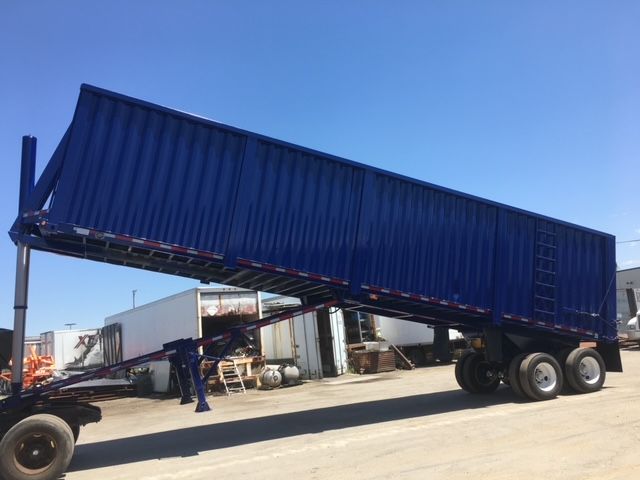
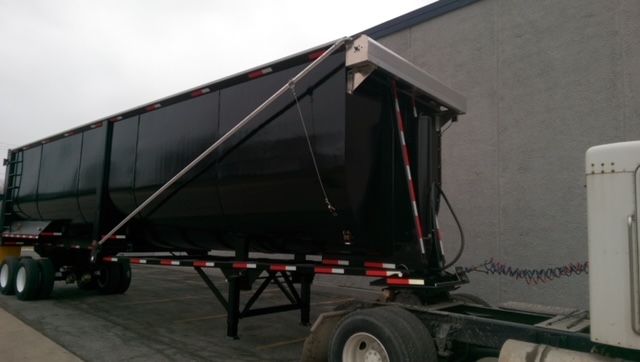
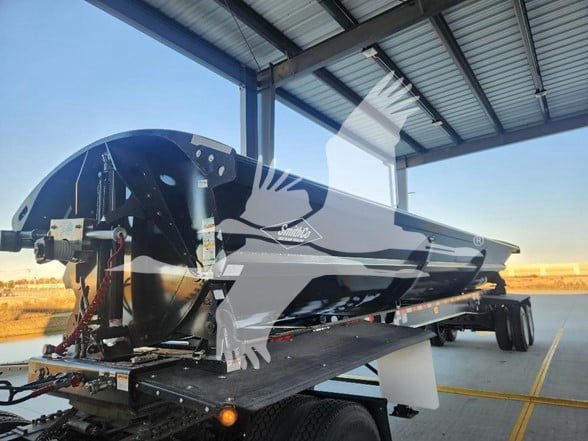
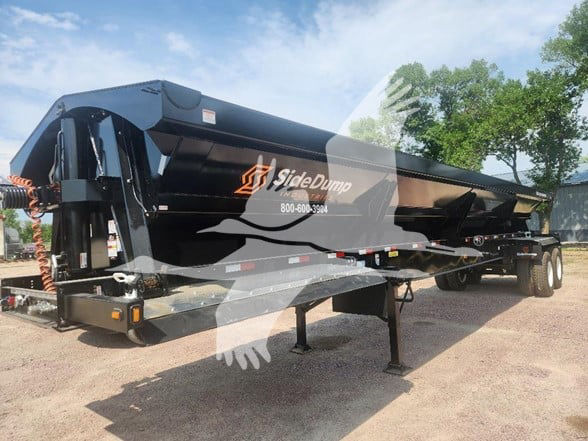
Shop dump trailers for sale in Illinois. Compare steel and aluminum end dumps by length, body style, suspension, axle setup, and liner options.
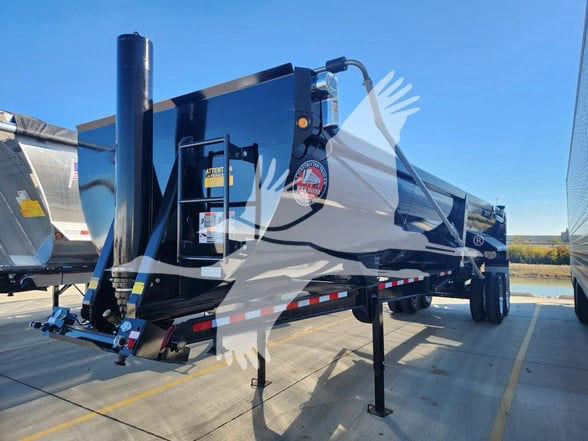
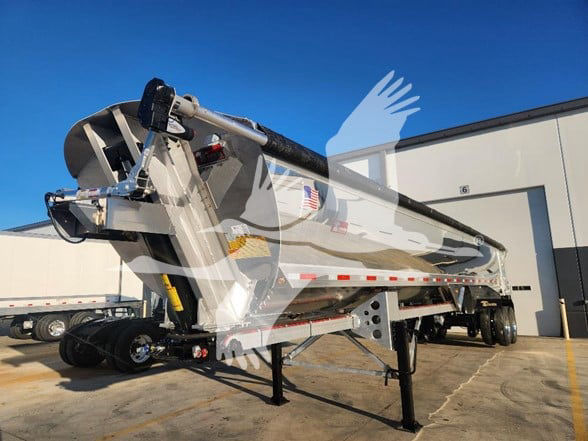
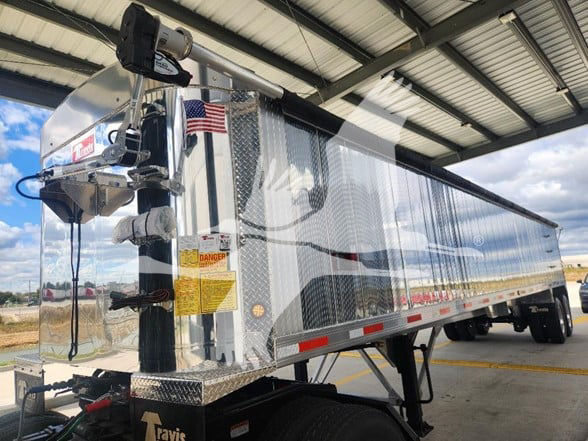

Selling a dump trailer? List your dump trailer for sale and reach thousands of commercial buyers.
Dump Trailers in Illinois
Length, side height, and body composition have a direct effect on payload, center of gravity, and stability. Many dump trailers in this class run in the 34-foot to 40-foot range with tandem axles, 102-inch width, and 11R22.5 or 11R24.5 rubber. Aluminum end dumps help maximize legal payload on longer commodity runs, especially for grain, fertilizer, or coal. Steel end dumps are typically the better fit for rock, riprap, demolition, and jobsites where the body takes repeated impact. Liners are worth close attention. AR plate and heavy steel liners improve wear life and material release, particularly when hauling sharp aggregate or abrasive loads. In Illinois, where a trailer may see quarry work one day and agricultural bulk hauling the next, the right body and liner combination can make a major difference in long-term operating cost.
Suspension and axle configuration matter just as much as the box. Air ride is common on higher-spec trailers and can help protect the trailer and improve ride quality on mixed road conditions, while spring ride remains a durable and straightforward choice for severe-duty work. Features like lift axles, tire inflation systems, electric tarp systems, and grain or coal doors are not small add-ons in this category. They affect turnaround time, compliance, and versatility. A front axle lift can reduce tire wear when running light. A good tarp system is essential for legal road travel and keeping fines down. Rear gate style should match the commodity, with barn door, high-lift, and combination grain doors each serving a different unloading pattern.
Used dump trailers should be evaluated closely around the hoist, hinge area, crossmembers, kingpin plate, subframe, and tailgate hardware. On steel units, inspect for floor thin spots, liner wear, cracking around stress points, and prior weld repairs. On aluminum bodies, look for fatigue around suspension mounts and body seams. Tire condition, brake wear, bushing play, and signs of frame twist are especially important on trailers that have spent time off-road or in quarry service. For Illinois buyers running a mix of highway and rough-site miles, the best dump trailer is usually the one with the right body material, stable geometry, and gate and tarp package for the exact commodity lane, not simply the largest box on the lot.
Frequently Asked Questions about Dump Trailers in Illinois
What is the difference between a half-round dump trailer and a square-bottom dump trailer?
A half-round dump trailer, also called a round-bottom dump, is designed to shed material more easily because the curved body leaves fewer corners for material to hang up in. That makes it a strong choice for sticky, wet, or free-flowing bulk commodities such as asphalt, grain, sand, or certain aggregate products. A square-bottom dump trailer has straighter walls and floor transitions, which can make it more versatile for mixed loads, demolition debris, and operations that value body shape flexibility over clean-out performance.
Is a steel dump trailer or an aluminum dump trailer better?
Steel is generally better for severe-duty hauling where impact resistance and body durability matter most, including rock, scrap, and demolition material. Aluminum is usually the better option when payload is the priority and the material is less abusive, such as grain, fertilizer, or coal. The right answer depends on commodity, route length, legal weight targets, and how much off-road or quarry work the trailer will see.
What suspension is best on a dump trailer?
Air ride suspension is popular for operators who want a smoother ride, better load protection, and a higher-spec road trailer for mixed highway use. Spring ride remains a dependable choice in hard-use applications because it is simple, durable, and familiar to many fleets and owner-operators. The best suspension depends on where the trailer works most often, how rough the jobsite conditions are, and how much importance is placed on ride quality versus simplicity.
What should I inspect first on a used dump trailer?
Start with the structural areas that carry the most stress: the hoist, hinge assembly, kingpin plate, subframe, crossmembers, suspension mounts, and tailgate structure. Then inspect the floor and liner for thin spots, cracking, distortion, and signs of patchwork repair. Brake condition, tire wear patterns, wheel-end condition, tarp operation, and signs of frame twist or body misalignment should also be checked before purchase, especially on trailers used in aggregate or demolition service.
What dump trailer features matter most for Illinois hauling?
For Illinois operations, useful features often include an electric tarp for road compliance, a gate style matched to the commodity, and a body material suited to either agricultural bulk hauling or construction material service. Lift axles can help reduce tire wear on lighter return trips, and tire inflation systems can cut maintenance downtime on high-mileage regional work. Buyers moving between farm, quarry, and paving environments should focus on a trailer that balances payload, durability, and unloading stability across changing conditions.