
HICKS Dump Trailers For Sale in Texas
Browse HICKS dump trailers for sale in Texas, including frameless aluminum end dumps built for aggregate, demolition, and hauling efficiency.
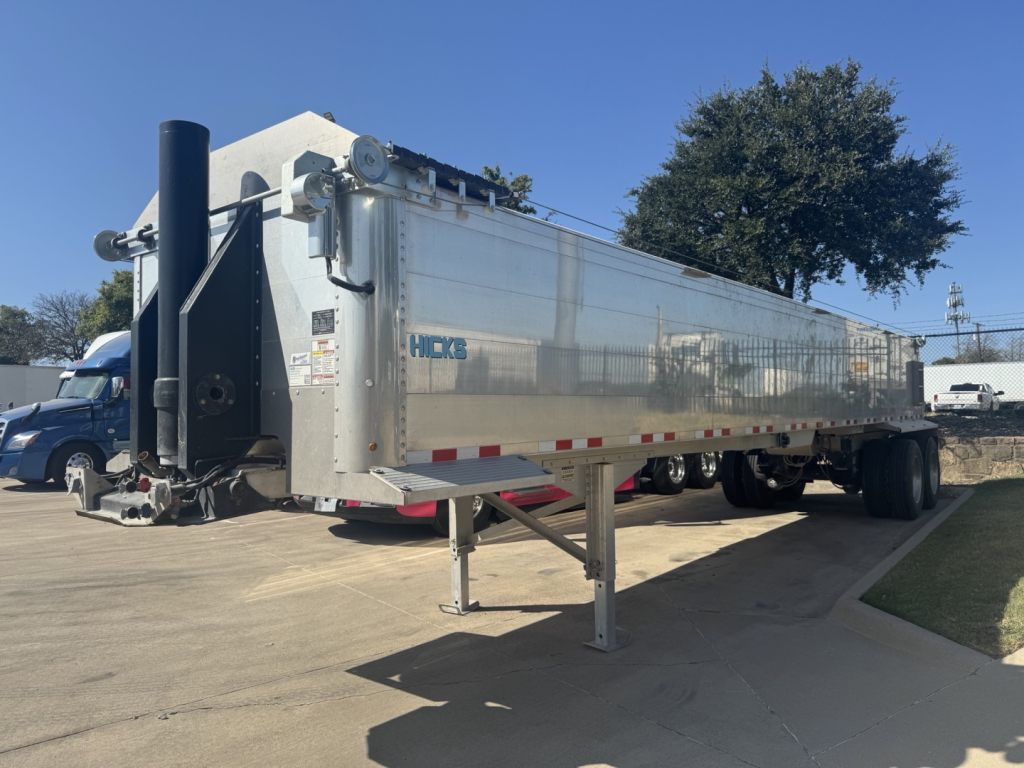
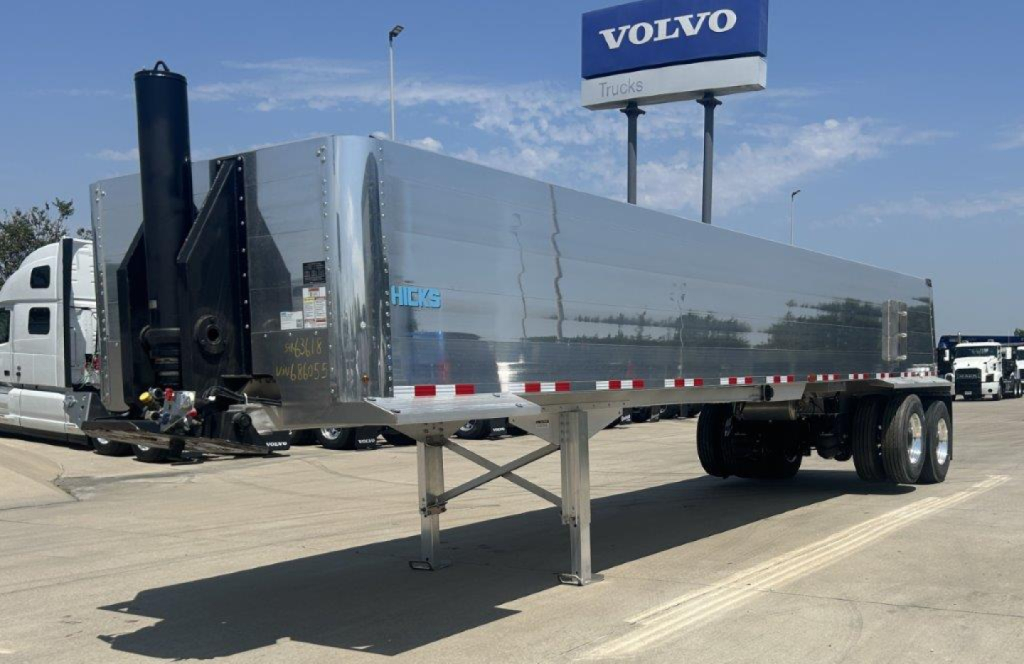

Selling a hicks dump trailer? List your hicks dump trailer for sale and reach thousands of commercial buyers.
HICKS Dump Trailers in Texas
The key buying decision is usually frame style, liner package, and axle configuration. Frameless dump trailers reduce empty weight and are popular for payload-sensitive operations, but body design and floor reinforcement still need to match the material being hauled. Buyers moving abrasive or impact-heavy loads should pay close attention to full or partial floor liners, liner thickness, and the front section where wear is highest. Lift axles are another common spec because they help manage bridge laws, tire wear, and maneuverability when running empty or lightly loaded. Tire inflation systems are also worth noting on dump trailers that spend long hours on mixed pavement and job site surfaces, since they can help reduce heat-related tire issues and improve uptime.
Texas operators also tend to look closely at unloading stability, gate control setup, and overall trailer weight. End dumps need proper load placement, level dumping conditions, and a tractor-trailer combination suited to the body length and center of gravity. Features like electric tailgate controls plumbed to the front of the trailer can improve safety and speed at the dump point, while aluminum fenders, ladders, and tarp system provisions affect day-to-day usability. Some trailers are sold without tarps, so it is important to confirm whether a manual or electric tarp system is already installed or needs to be added for compliance and load protection.
When comparing HICKS dump trailers, useful checkpoints include body length, side height, cubic yard capacity, empty weight, liner spec, suspension, axle spacing, lift axle controls, tire system brand, hoist compatibility, and gate style. A lighter trailer can increase revenue payload, but durability still has to match the commodity. For buyers hauling rock one day and asphalt millings the next, the best value is usually a dump trailer with a practical liner package, stable dump geometry, and components that are easy to service in regional fleets. HICKS end dumps are generally evaluated on that same standard: payload efficiency, clean unloading, and a spec that fits the material instead of forcing the material to fit the trailer.
Frequently Asked Questions about HICKS Dump Trailers in Texas
What are HICKS dump trailers typically used for?
HICKS dump trailers are typically used for bulk material hauling such as sand, gravel, crushed stone, demolition debris, asphalt millings, and similar commodities. Many are set up as aluminum end dumps, which makes them especially attractive for payload-sensitive work where operators want to carry more legal weight while keeping unload times short. The right use case depends on body design, liner package, and axle setup, but this category is generally aimed at construction, aggregate, paving, and site development work.
What is the advantage of a frameless aluminum end dump trailer?
A frameless aluminum end dump trailer is designed to reduce tare weight, which can allow for higher payload compared with heavier trailer designs. Aluminum construction is widely chosen for weight savings and corrosion resistance, while the frameless design can simplify the body structure for bulk hauling applications. The tradeoff is that buyers need to match the trailer carefully to the material and operating conditions, especially if hauling high-impact or highly abrasive commodities that may require heavier liners or reinforcement.
Why does floor liner thickness matter on a dump trailer?
Floor liner thickness matters because it directly affects how well the trailer stands up to abrasion, impact, and concentrated wear from heavy materials. Rock, recycled concrete, and demolition debris can damage an unprotected floor much faster than lighter aggregates or millings. A properly spec'd liner can extend trailer life, reduce repair frequency, and improve resale value. Buyers should pay attention not just to liner thickness, but also to liner length and where the protection is placed, since front-floor impact zones often take the most abuse.
Is a lift axle useful on a dump trailer in Texas?
A lift axle can be very useful on a dump trailer in Texas because it helps operators manage legal weight distribution, reduce tire scrub, and improve maneuverability when conditions allow the axle to be raised. On mixed highway and job site routes, an auto-sensing or controlled lift axle can support better tire life and more efficient operation. The value depends on the hauling pattern, bridge considerations, and the trailer's overall axle spacing and suspension setup.
Should a buyer care if a dump trailer includes a tarp system?
Yes, a buyer should confirm tarp equipment before purchase because dump trailers are often expected to meet load covering requirements and protect material in transit. Some trailers are sold without a tarp system, even when they are otherwise work-ready. Adding a manual or electric tarp after purchase changes total cost and may affect how quickly the trailer can be put into service. It is also smart to verify whether the trailer has the mounting provisions and electrical setup needed for the tarp configuration you want.