
2026 HICKS Dump Trailers For Sale
Shop 2026 HICKS dump trailers, including aluminum frameless end dumps built for payload, durability, aggregate, demolition, and road work.
Selling a 2026 hicks dump trailer? List your 2026 hicks dump trailer for sale and reach thousands of commercial buyers.
2026 HICKS Dump Trailers
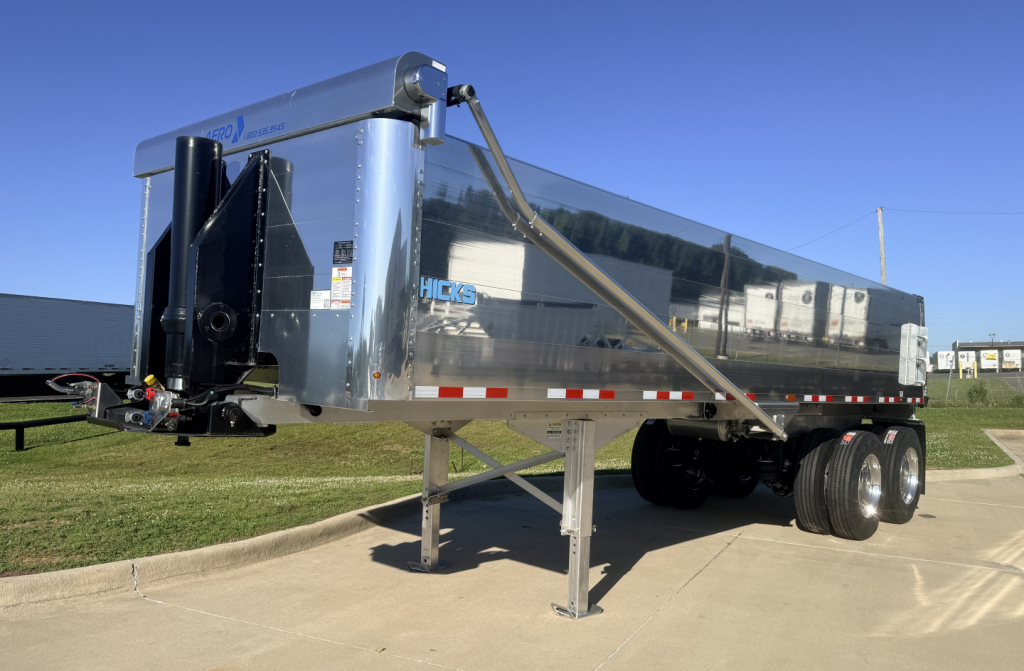
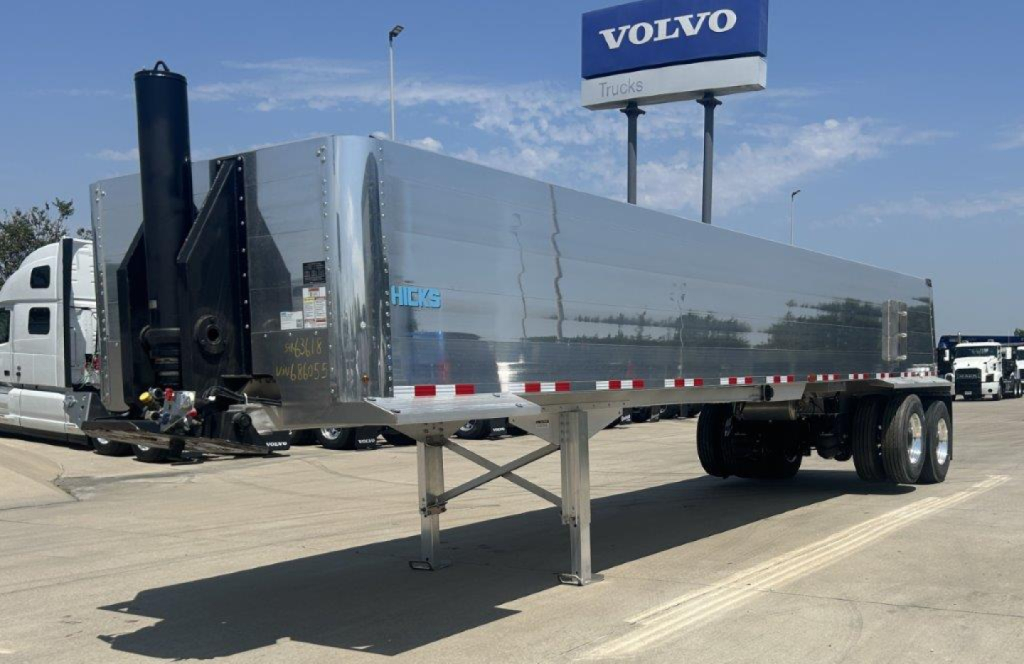
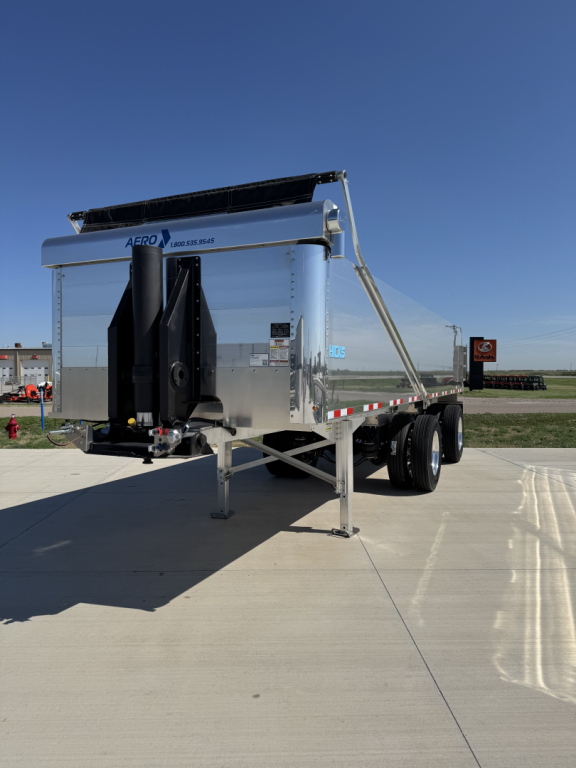
Common 2026 HICKS configurations in this category include 28-foot and 37-foot aluminum end dumps with capacities around the high-20-yard range and spec choices such as spread axles, air ride suspension, and auto-sensing lift axles. A lighter 28-foot frameless trailer can be a strong fit for dense materials and tighter jobsites, while a longer 37-foot trailer makes more sense when the operation needs additional volume without moving into a different trailer style. Many buyers also look for heavy-duty liner packages, often using UHMW material with thicker wear protection at the rear where impact and abrasion are highest. If the trailer will spend its life in rock, demo, riprap, or recycled material, liner coverage and floor thickness should be treated as core specs, not add-ons.
HICKS aluminum dump trailers are also commonly spec'd with details that improve daily uptime, including electric flip tarps, electric or air tailgate controls, weather-tight valve boxes, aluminum wheels, aluminum fenders, and tire inflation systems. Air ride remains popular for fleets that want a smoother ride and better chassis control, while lift axles help manage tire wear and adapt to changing load conditions. Hub and drum choices, tire size such as 11R24.5, landing gear material, and tailgate style all deserve a close look because they affect maintenance cost and how the trailer behaves under repeated loading cycles. Buyers running mixed routes should also confirm kingpin setting, overall axle spacing, and state bridge law compatibility before choosing between closed tandem and spread axle layouts.
The biggest buying decision usually comes down to matching trailer length and liner spec to the material hauled most often. Dense aggregate favors shorter, lighter trailers with robust wear protection. Higher-volume but lighter material can justify more body length. For fleets that keep equipment a long time, HICKS' aluminum construction and no-weld box design are often part of the appeal because corrosion resistance and reduced structural heat-affected areas can support long service life. A careful review of suspension, tarp, lift axle logic, tailgate controls, and liner coverage will tell you far more than the badge alone when comparing 2026 HICKS dump trailers for sale.
Frequently Asked Questions about 2026 HICKS Dump Trailers
What type of dump trailer is a HICKS trailer most commonly known for?
HICKS is most commonly associated with aluminum frameless end dump trailers. This style is popular in aggregate, paving, demolition, and general construction because it keeps empty weight down and leaves more room for payload. Frameless end dumps also offer a simple, proven design for operators who regularly haul sand, gravel, dirt, asphalt, and similar bulk materials.
What is the advantage of an aluminum frameless end dump trailer?
The main advantage is lower tare weight compared with many steel-bodied alternatives, which can increase legal payload. Aluminum also offers strong corrosion resistance, an important factor for fleets exposed to moisture, road chemicals, and abrasive material. A frameless design can be a good fit for operators focused on weight savings, but buyers still need to evaluate liner protection, body reinforcement, and suspension spec based on the severity of the work.
How do I choose between a 28-foot and a 37-foot HICKS dump trailer?
A 28-foot dump trailer is often the better choice for dense commodities because it helps control loaded weight while remaining maneuverable on restricted jobsites. A 37-foot trailer is better suited to operations that need more cubic capacity for lighter material or want to maximize volume per trip. The right choice depends on material density, route length, local bridge laws, loader size, and how often the trailer must work in confined areas.
Why does the liner package matter so much on a dump trailer?
The liner package has a direct effect on body life, cleanout performance, and resistance to impact and abrasion. Heavy-duty UHMW liners are commonly used to protect the floor and lower sidewalls, with thicker material often placed at the rear where material hits hardest during loading and unloading. If the trailer will haul shot rock, demolition debris, recycled concrete, or other abrasive loads, the liner spec should be treated as a primary buying factor.
What should I look for in axle and suspension specs on a HICKS dump trailer?
Focus on axle spacing, spread versus closed tandem layout, lift axle function, and suspension type. Spread axles can help with bridge compliance in some applications, while a lift axle can reduce tire scrub and improve efficiency when the trailer is empty or lightly loaded. Air ride suspension is common on premium dump trailer specs because it can improve ride quality and trailer control, but the best setup depends on legal requirements, duty cycle, and the surfaces the trailer sees every day.