
CTS Dump Trailers For Sale in Louisiana
Browse CTS dump trailers for aggregate, asphalt, and site work. Compare body length, cubic yard capacity, suspension, tarp, and liner options.
Learn more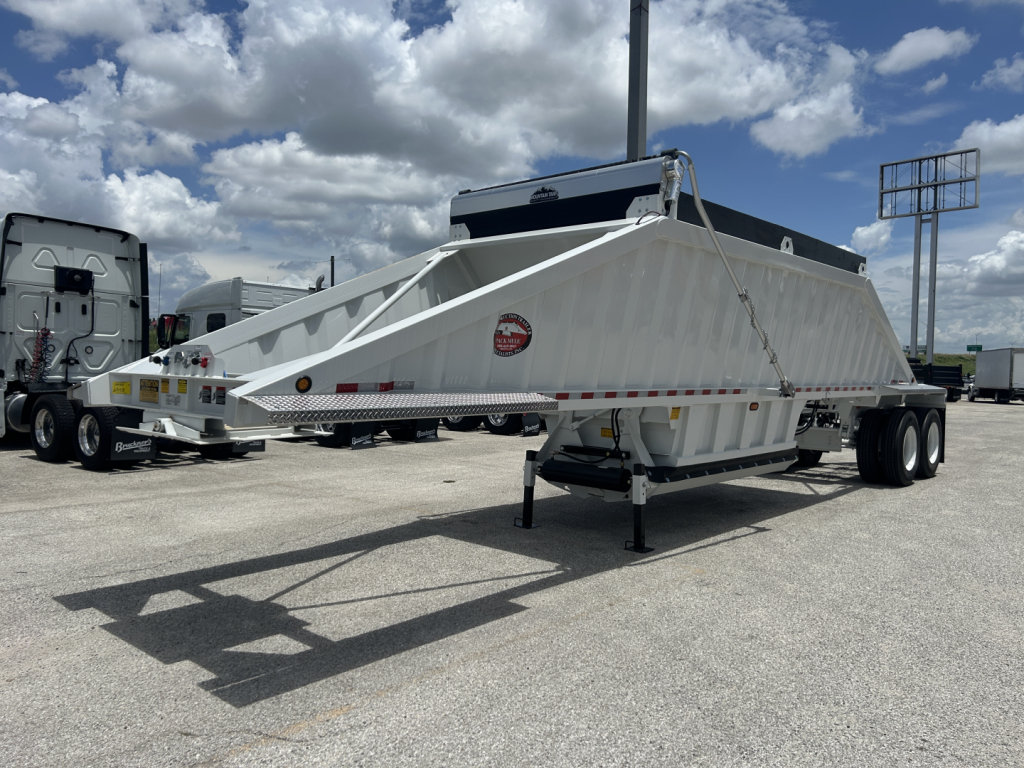
Have cts dump trailer to sell? List it here to reach thousands of buyers.
About CTS Dump Trailers in Louisiana
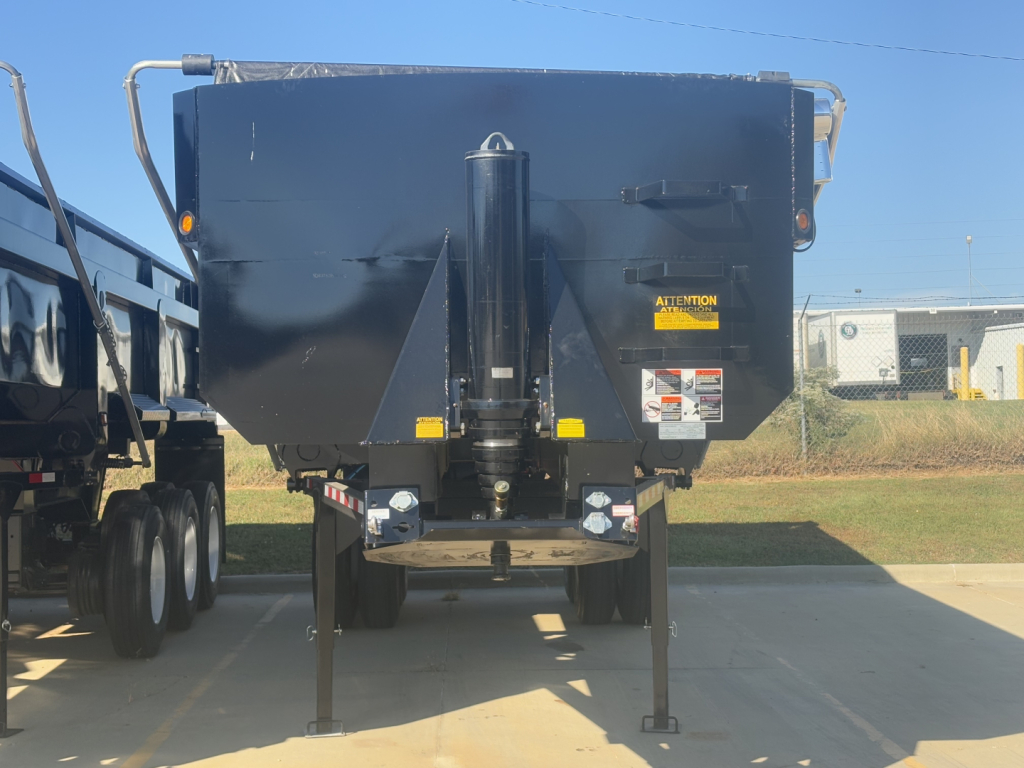
A buyer comparing CTS dump trailers should look closely at the body construction and dump geometry. Sidewall height, floor thickness, crossmember design, hoist arrangement, and push block details all affect loading, unloading, and long-term structural life. Features such as windrow deflectors, quick-release air valves, larger air tanks, and heavy-duty fenders are practical options on trailers that see paving crews, aggregate pits, and transfer points every day. If the work involves sticky material, many operators pay attention to whether the trailer has slope sheets, liners, or a body design that promotes cleaner discharge. For road building and asphalt service, tarp reliability and seal coverage are also important because they help control temperature retention and reduce material loss in transit.
Suspension choice is another key decision. Spring ride dump trailers are common in severe service because they are simple, durable, and familiar to many fleets and owner-operators. Air ride can improve empty ride quality and may be preferred for certain routes or mixed-use operations, but maintenance priorities and jobsite conditions should guide that choice. Wheel and tire specification, kingpin setting, axle rating, brake package, and overall empty weight also deserve attention because they influence legal payload, maneuverability, and maintenance cost. Aluminum components can help manage tare weight, while steel-heavy builds may be preferred where impact resistance and severe-duty longevity are the priority.
CTS end dump trailers are generally a fit for contractors, paving operations, aggregate haulers, and owner-operators who need a straightforward bulk material trailer with working-spec options instead of unnecessary complexity. The right trailer depends on load type, haul distance, jobsite surface conditions, and how often the body cycles in a day. Buyers who compare capacity against actual material density, confirm suspension and hoist specs, and check practical options like tarp systems, fenders, air system components, and discharge-related body features will make a better long-term choice than buyers who shop by price alone.
Frequently Asked Questions
What are CTS dump trailers commonly used for?
CTS dump trailers are commonly used for hauling aggregate, sand, gravel, asphalt, millings, dirt, and demolition material. Most are configured as end dump trailers for construction, road work, paving, and site development. The best application depends on body capacity, suspension type, and how the trailer is spec'd for material density and unloading conditions.
Is spring ride or air ride better on a CTS dump trailer?
Spring ride is often chosen for severe-duty dump work because it is rugged, simple, and widely accepted in aggregate and construction service. Air ride can offer a smoother empty ride and may suit some mixed-use operations, but it adds different maintenance considerations. The better choice depends on route quality, jobsite terrain, fleet maintenance practices, and driver preference.
How do I choose the right cubic yard capacity for a dump trailer?
Cubic yard capacity should be matched to the material you haul most often, not just the biggest body available. Heavy materials like wet sand, stone, and asphalt can payload out before the body is full, while lighter materials may require more cubic capacity. Buyers should compare local bridge laws, axle ratings, empty weight, and average material density before selecting side height and body volume.
What dump trailer features matter most for asphalt and paving work?
For asphalt and paving work, buyers usually prioritize clean discharge, tarp reliability, stable dump geometry, and body features that handle high-cycle loading. Windrow deflectors, electric tarp systems, quick air system response, and body designs that reduce material hang-up are all useful. If hot mix retention and minimal material loss are important, tarp coverage and body sealing details deserve close attention.
Are CTS dump trailers a good fit for owner-operators?
CTS dump trailers can be a strong fit for owner-operators who want a work-focused trailer for regional construction and material hauling. The main advantage is the ability to spec the trailer around actual freight and route conditions instead of buying a generic setup. Owner-operators should pay close attention to tare weight, brake and suspension specs, hoist design, and practical durability features that affect uptime and repair cost.