
2027 CTS Dump Trailers For Sale in Louisiana
Shop 2027 CTS dump trailers in Louisiana. Compare frameless end dumps and tandem dump trailers built for dirt, aggregate, and paving work.
Learn more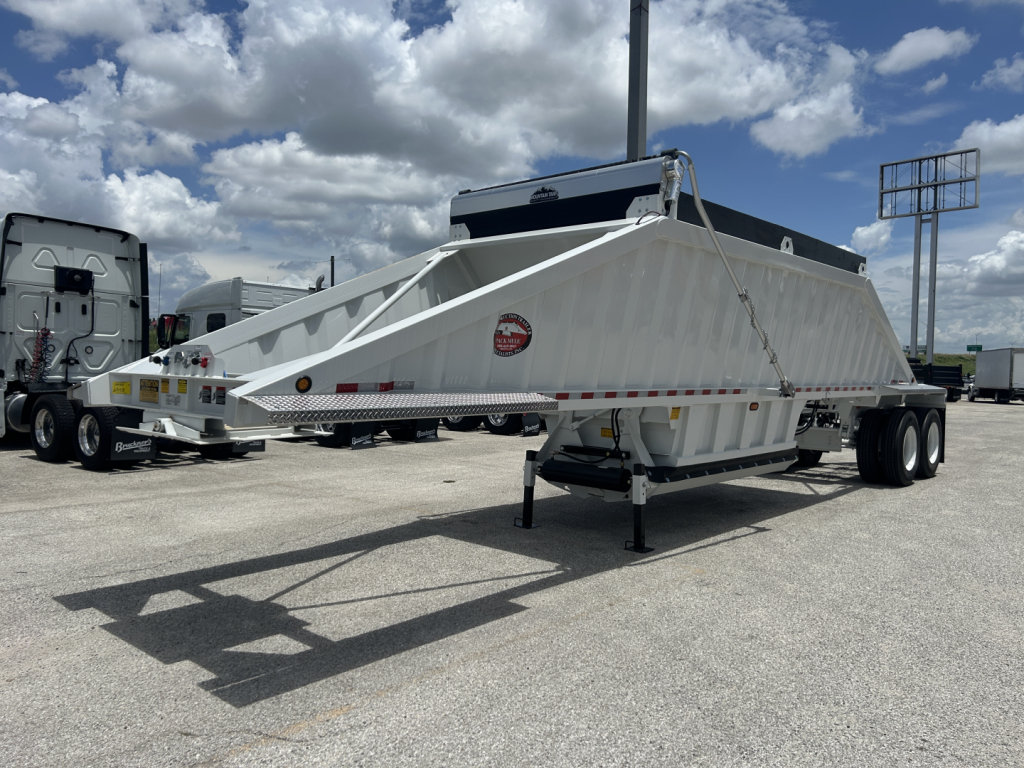
Have 2027 cts dump trailer to sell? List it here to reach thousands of buyers.
About 2027 CTS Dump Trailers in Louisiana
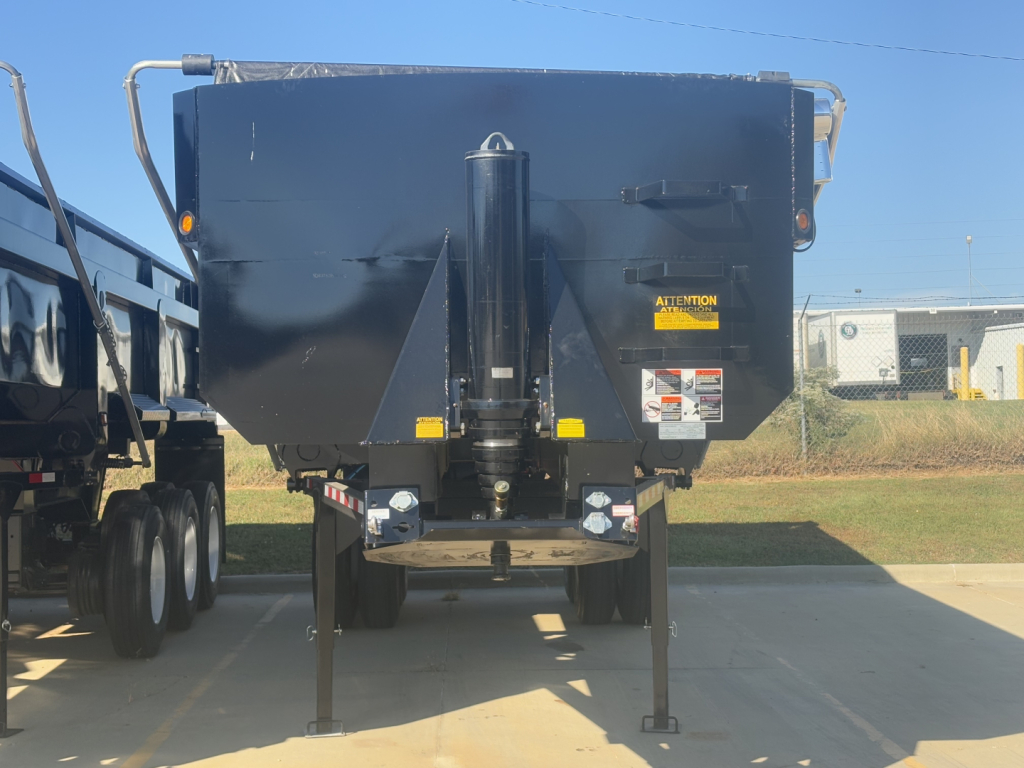
A frameless end dump is often the better choice when low trailer weight and higher payload matter most. These trailers are common in dirt, aggregate, and excavation work because the frameless design reduces tare weight and can improve cubic capacity efficiency for legal gross targets. Buyers should pay close attention to body construction, floor thickness, sidewall reinforcement, hoist geometry, and tailgate style. Single-point suspension, as seen on some CTS units, can be attractive for operators looking to reduce weight and simplify the running gear. For more general construction hauling, a tandem dump trailer with spring ride may be preferred for durability, lower upfront complexity, and predictable service requirements.
Body shape and interior design matter as much as suspension. Slope sheets, board height, and body width affect how cleanly material unloads and how much carryback you deal with at the end of the day. A trailer without slope sheets may suit certain bulk materials and loading preferences, while a windrow deflector can help control spillage during loading and transport. Features like extended push blocks, quick-release valves, larger air tanks, steel wheels, and aluminum tread plate fenders are practical details that can influence uptime and ease of operation. Electric flip tarps are especially important in regions where changing weather and road enforcement make load securement a daily issue rather than an occasional concern.
For Louisiana buyers, corrosion exposure, soft shoulders, and jobsite conditions should be part of the spec review. Check tire size, suspension type, kingpin setting, frame and crossmember design, and the condition or design of gate hardware if the trailer will see repeated dump cycles in mud or high-moisture environments. Match cubic yard capacity to material density, not just body size, because a trailer built for light aggregate may not be the right fit for wet dirt or demolition loads. A well-matched CTS dump trailer can improve payload consistency, shorten unload times, and hold up better under the stop-start demands of construction, site prep, paving, and regional bulk hauling.
Frequently Asked Questions
What is the difference between a frameless end dump and a tandem dump trailer?
A frameless end dump uses the body itself as a structural component, which usually reduces tare weight and helps maximize payload for bulk materials like dirt, sand, and aggregate. A tandem dump trailer typically refers to a body and axle configuration that may be more conventional in layout and easier to match to general construction work. Frameless designs are popular when payload is the priority, while tandem spring ride setups are often chosen for durability, simplicity, and predictable maintenance costs.
Are CTS dump trailers a good fit for Louisiana hauling conditions?
CTS dump trailers can fit Louisiana applications well when the trailer is spec'd for moisture, soft jobsite surfaces, and frequent construction-cycle use. Buyers in this region should focus on corrosion resistance, suspension design, tarp systems, tailgate hardware, and body construction that can handle wet material and uneven ground. The best fit depends on whether the trailer will spend more time on paved roads, quarry runs, site work, or off-road construction access points.
How do I choose the right dump trailer capacity for my operation?
Capacity should be matched to material density first, then to route, axle configuration, and legal gross weight limits. A 23.5 cubic yard body may be suitable for some aggregates or lighter bulk loads, but wet dirt, clay, or demolition material can reach weight limits before the body is full. Buyers should calculate typical pounds per cubic yard for their freight, then compare that to trailer tare weight and the tractor-trailer combination's legal operating range.
What features matter most on a construction-spec dump trailer?
The most important features usually include body material and thickness, suspension type, hoist design, tarp system, tailgate operation, and unloading geometry. Electric flip tarps, air-operated tailgate locks, quick-release valves, and adequate air tank capacity improve day-to-day usability and cycle time. Details like slope sheets, push blocks, fenders, and deflectors also matter because they affect cleanout, loading efficiency, and jobsite durability.
Is spring ride or air suspension better on a dump trailer?
Spring ride is often favored for rugged construction use because it is straightforward, durable, and familiar to many maintenance shops. Air suspension can improve ride quality and may be preferred for certain operations, but it adds components and can be more sensitive in harsh off-road environments. The better choice depends on how much time the trailer spends on rough jobsites versus highway miles, and how the operation values simplicity versus ride control.