
Aldura Dump Trailers For Sale
Have aldura dump trailer to sell? List it here to reach thousands of buyers.
Aldura Dump Trailers
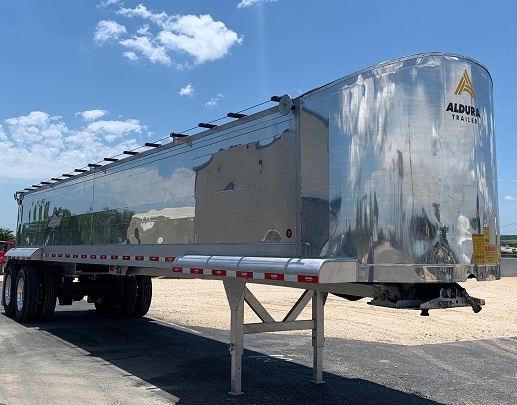
The first buying decision is usually body construction and dimensions. Common Aldura configurations in this class use 5454 H34 aluminum with a body around 39 feet long, legal 102-inch width, and side heights that support roughly mid-40-yard capacity. Floor thickness, sidewall thickness, subframe design, and crossmember spacing all matter because they affect durability under abrasive loads and off-pavement use. A 3/16-inch floor and wall package is a common benchmark for general aggregate service, while a UHMW liner is a valuable upgrade for sticky material and cold-weather unloading. Buyers should also look closely at tailgate design, watertight sealing, and air-operated latches if they haul wet material, screenings, or anything that needs clean release at the dump site.
Running gear and dump geometry deserve just as much attention as the body. Tandem axle setups with a lift axle are common when operators need flexibility on bridge laws and payload distribution. Suspension brand and rating, axle spread, brake package, ABS, wheel material, and tire type all affect service life and operating cost. On the hoist side, many end dumps use a multi-stage front-mount cylinder such as a HYVA telescopic cylinder. That setup gives strong lift performance, but stability during the dump cycle still depends on level ground, proper load placement, and body design. Buyers hauling asphalt, shot rock, or mixed demolition material should pay attention to center of gravity, frame stiffness, and how well the trailer tracks when raised.
Practical details often separate one dump trailer from another after the major specs look similar. Look for adjustable kingpin settings if your fleet runs different tractors, sealed LED harnesses for reduced electrical issues, drop-leg or drop-pin landing gear suited to your terrain, and tarp options that fit your loading pattern and commodity. Aluminum wheels, formed fenders, anti-sail mud flaps, and ladder placement also affect day-to-day usability. A well-matched Aldura dump trailer should fit the material, route, and scale environment first, then deliver the payload and unload speed that make the trailer profitable over time.
Frequently Asked Questions about Aldura Dump Trailers
What are Aldura dump trailers typically used for?
Aldura dump trailers are commonly used for hauling aggregate, sand, gravel, asphalt millings, dirt, and other bulk materials that unload best by gravity. Most buyers in this category are shopping aluminum end dump trailers for construction, paving, quarry, and site work where low empty weight and high payload are important.
What is the advantage of an aluminum Aldura end dump trailer?
The main advantage is lower tare weight compared with many steel dump trailers, which can increase legal payload and improve revenue per trip. Aluminum also offers strong corrosion resistance, which is valuable in wet environments, winter road chemical exposure, and operations that want to reduce long-term body rust and repainting issues.
How do I choose the right dump trailer body size and capacity?
Body length, side height, and cubic yard capacity should match the commodity first, not just the biggest available body. Lightweight bulk materials may need more cubic capacity, while dense materials like gravel or sand can hit legal weight limits before the body is full. Buyers should compare body dimensions, floor and wall thickness, trailer weight, and axle configuration to find the best balance between durability and legal payload.
What specs matter most on an Aldura end dump trailer?
The most important specs usually include body material and thickness, cubic yard capacity, GVWR, trailer weight, suspension rating, axle setup, lift axle presence, brake system, cylinder type, tailgate design, and liner or tarp options. These details determine how the trailer carries weight, how reliably it unloads, and how well it holds up in abrasive or high-cycle service.
Is a liner important in a dump trailer?
A liner can be a strong value add, especially for sticky materials, wet loads, or winter operations. A UHMW liner helps material release more cleanly, reduces carryback, and can protect the aluminum floor from abrasion. For operators hauling sand and gravel every day, that can improve unloading performance and reduce floor wear over time.