
Used 2018 Drop Deck Trailers For Sale
Shop used 2018 drop deck trailers. Compare 48' and 53' specs, axle setups, deck materials, tie-down options, and legal load flexibility.
Learn more
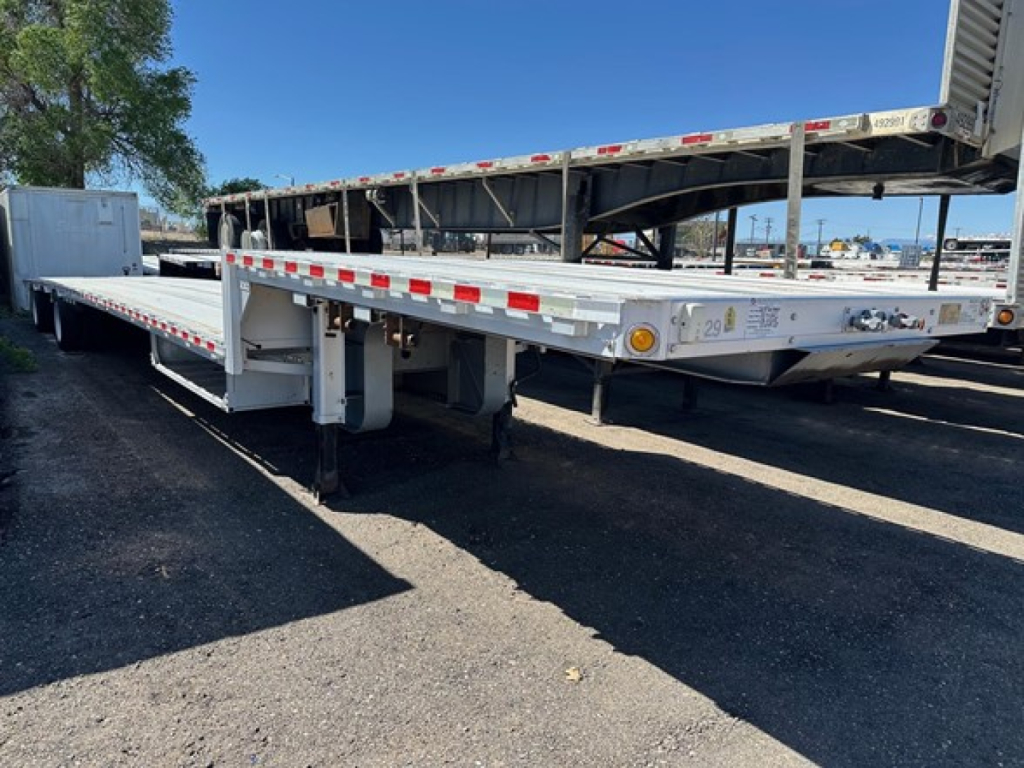
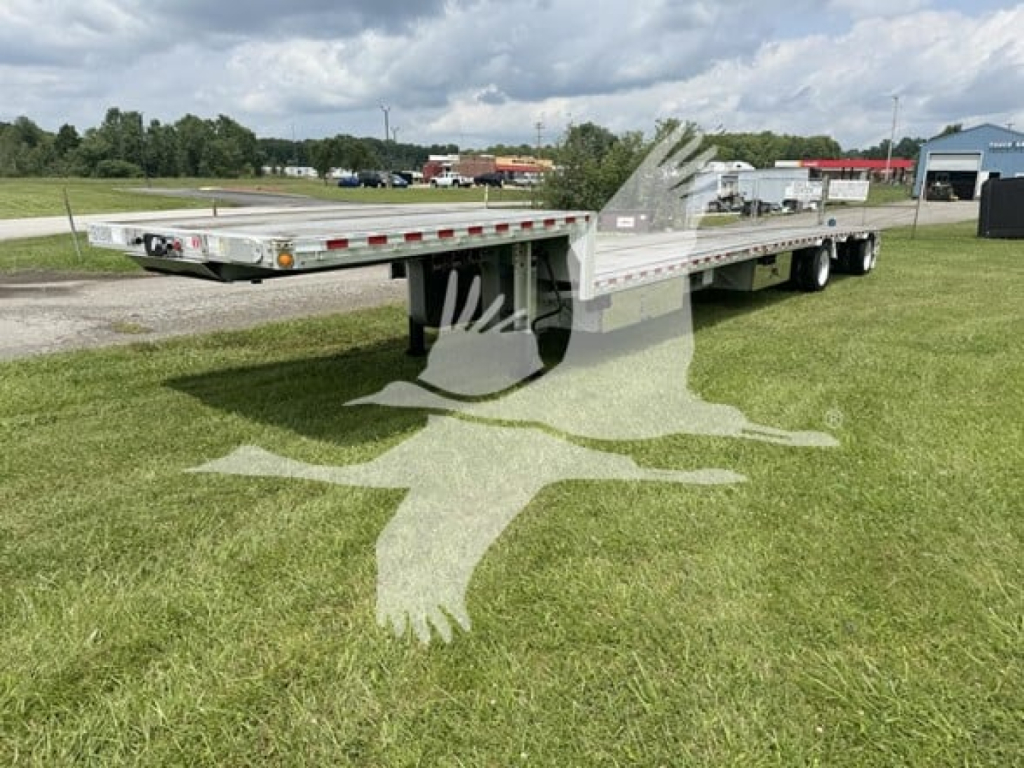
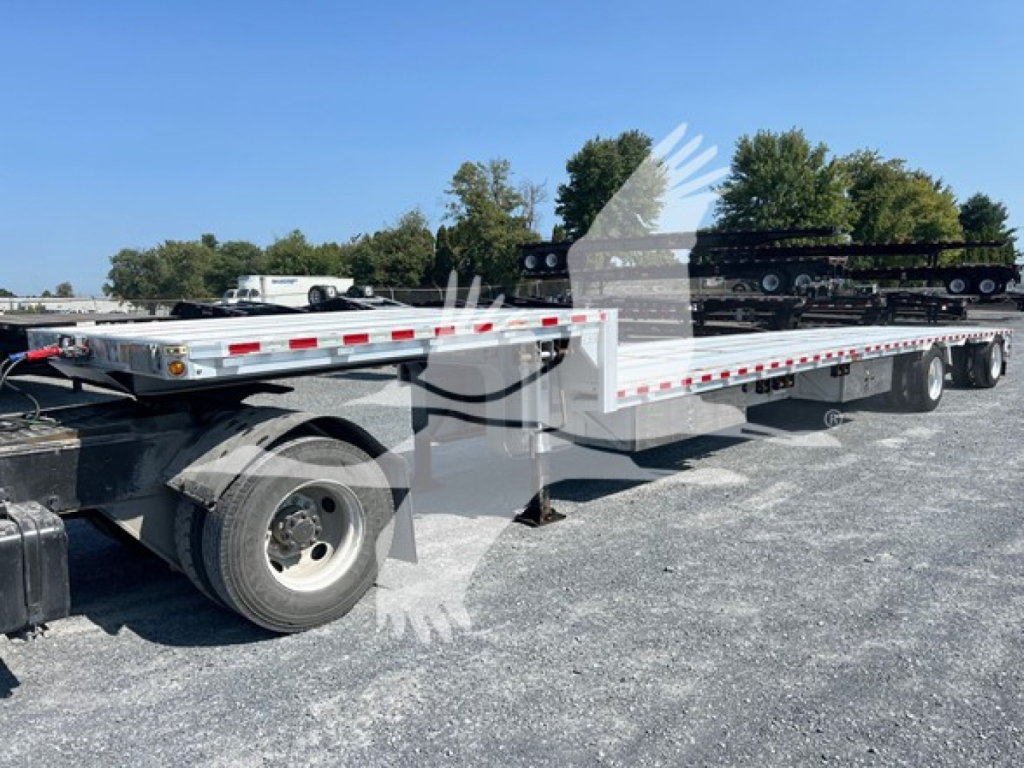
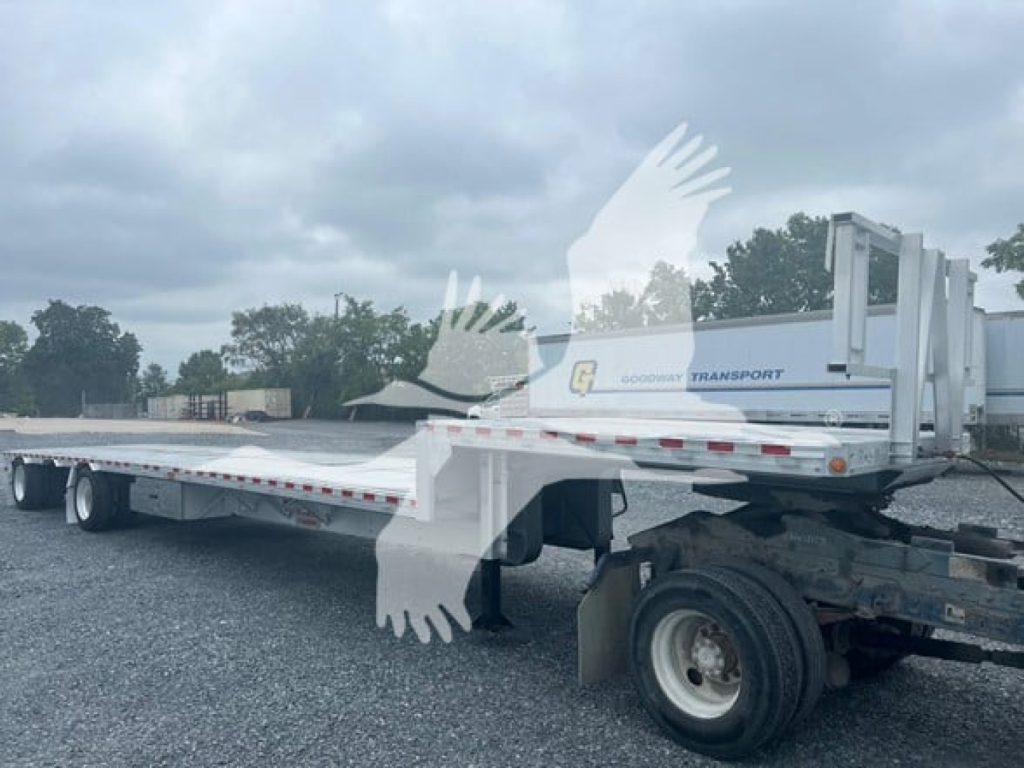
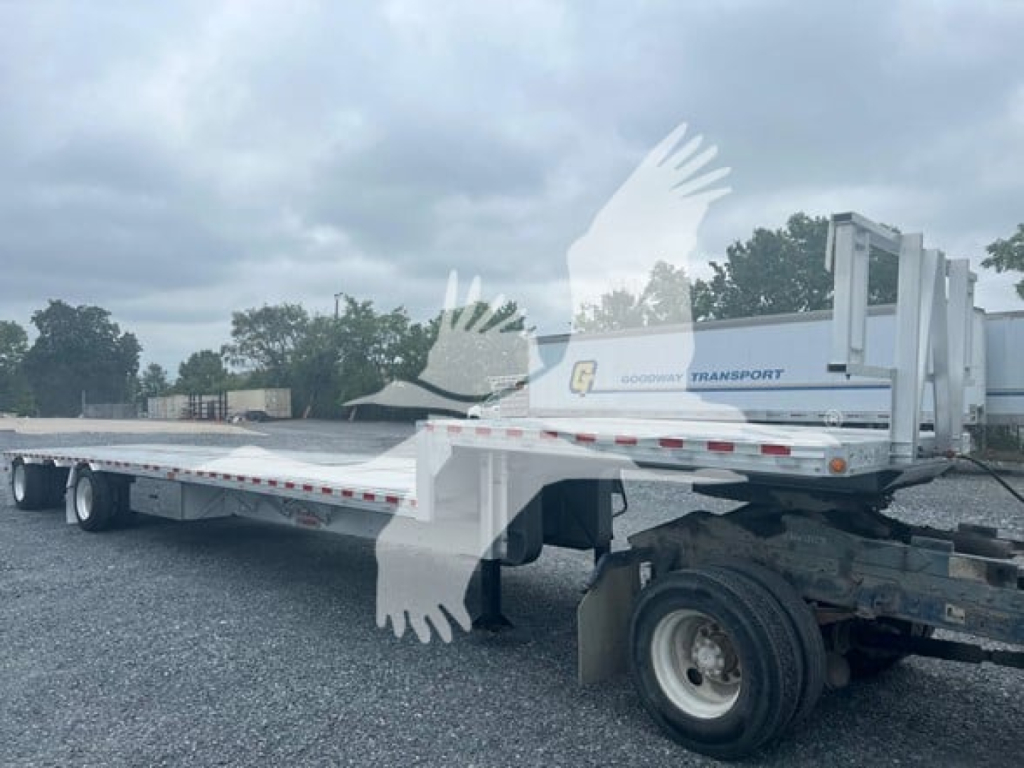
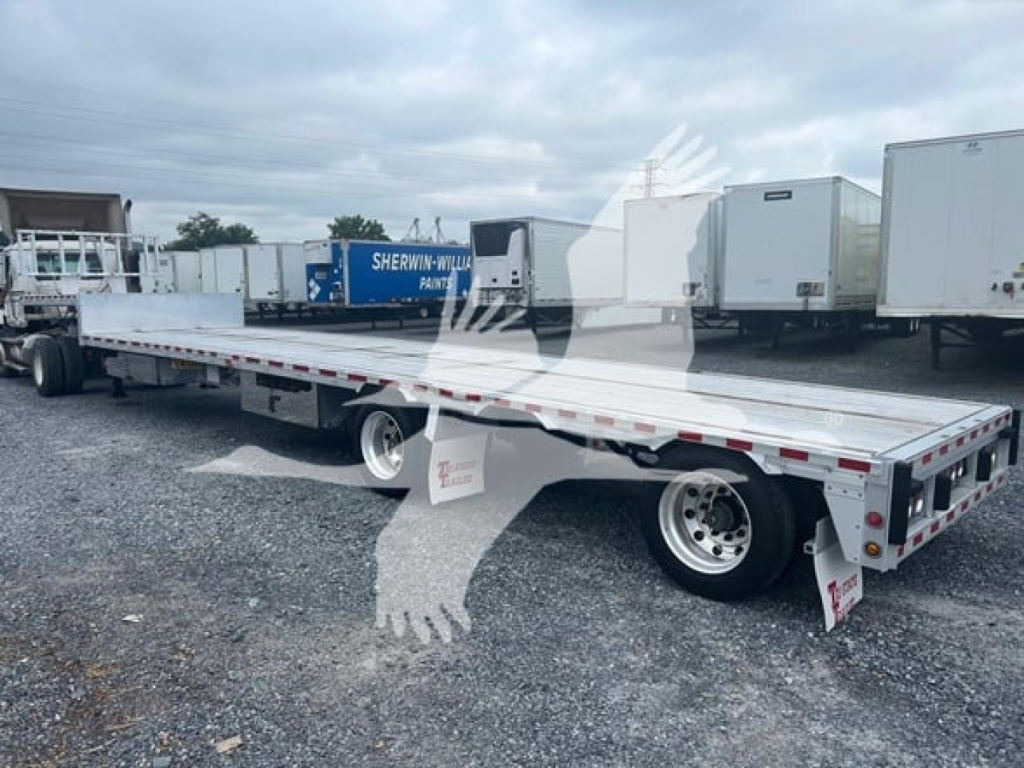
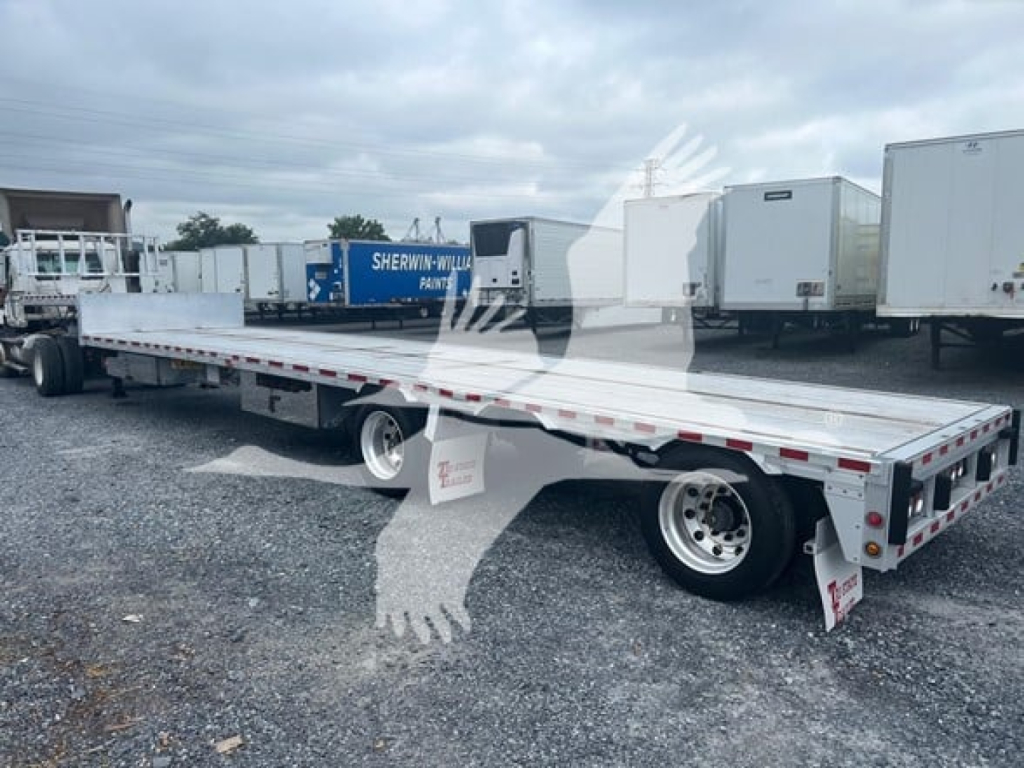
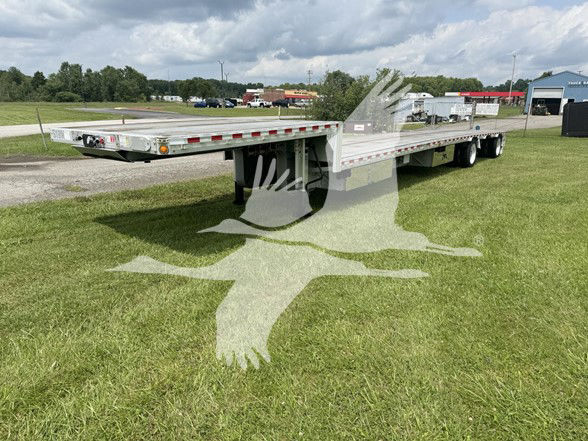
Showing 1 to 12 of 19 results
Have used 2018 drop deck trailer to sell? List it here to reach thousands of buyers.
About Used 2018 Drop Deck Trailers
Typical specs on a 2018 drop deck include 102-inch overall width, an upper deck around 10 to 11 feet, a lower deck around 37 to 43 feet, and loaded deck height often near 40 inches depending on suspension, tire size, and floor condition. Tandem and spread axle layouts are both common. Air ride suspension is the standard choice for ride quality and cargo protection, with Hendrickson and similar setups frequently seen. Buyers moving into California or other bridge-sensitive operations often focus on rear slide axles or California-legal combinations, while regional open-deck carriers may prefer fixed spread or tandem units for simpler maintenance. Kingpin setting, axle spread, landing gear brand, and tire size all matter because they affect scale performance, turning radius, and tractor compatibility.
Tie-down equipment is where one 2018 drop deck can be much more productive than another. Look closely at winch track location, number of sliding winches, stake pockets, pipe spools, chain tie-downs, and whether both sides are equipped for securement flexibility. Deck material also deserves attention. Apitong flooring remains popular for durability and traction, while aluminum decks cut weight but need closer inspection for wear, damage, and previous repairs. Crossmember spacing, side rail condition, scuffing around the deck edge, and any signs of concentrated forklift loading can tell you a lot about how the trailer was used. On used units, buyers should also inspect the rear frame, ICC bumper, tail roller if equipped, suspension hangers, air system, and wheel-end service history.
A 2018 model year often appeals to buyers who want modern specs without paying newer-trailer pricing. Many units from this period already have LED lighting, air ride, low-profile 22.5 tires, and securement packages that fit current freight demands. The best choice depends on the freight mix. Machinery, crated industrial freight, building products, and oversized but legal-height loads all fit well on a drop deck. If your freight changes week to week, a 2018 used drop deck with a strong securement package, sound frame condition, and the right axle layout can be one of the most versatile trailers in an open-deck fleet.
Frequently Asked Questions
What is the difference between a drop deck trailer and a flatbed trailer?
A drop deck trailer, also called a step deck trailer, has two deck levels instead of one continuous deck. The lower main deck sits below the upper deck, which gives extra cargo height clearance compared with a standard flatbed. That lower deck is the main reason buyers choose a drop deck for taller freight that still needs open-deck access without moving into more specialized trailer types.
What should I inspect first on a used 2018 drop deck trailer?
Start with the frame, main beams, crossmembers, and suspension because structural condition drives long-term value. Then inspect deck wear, side rails, winch tracks, stake pockets, pipe spools, air ride components, brakes, tires, wheel ends, and lighting. On a used 2018 trailer, signs of hard forklift loading, deck-edge damage, cracked welds, corrosion around suspension mounts, and poorly repaired rear impact areas are all worth close attention.
Is a 48-foot or 53-foot 2018 drop deck better?
It depends on the freight lane and load profile. A 53-foot drop deck offers more deck space and is common for general open-deck freight, but it may carry more tare weight and can be less flexible in certain tight routing situations. A 48-foot unit can be lighter and simpler to position, which appeals to operators focused on regional work, specific commodities, or weight-sensitive loads. Buyers should compare usable lower deck length, axle placement, and legal bridge performance before deciding.
Why do axle configuration and kingpin setting matter on a drop deck trailer?
Axle layout and kingpin setting affect weight distribution, bridge compliance, turning characteristics, and how the trailer matches to the tractor. Tandem, spread axle, and rear slide configurations each serve different operating needs. A rear sliding axle can help with state-specific legal requirements and load placement flexibility, while a fixed spread may be preferred for simplicity. Kingpin setting matters because it changes trailer swing, tractor clearance, and how the load scales across the drives and trailer axles.
What deck and tie-down features are most important on a used drop deck?
The most important features depend on the cargo, but buyers usually focus on deck material, crossmember spacing, and securement hardware. Apitong wood remains a strong choice for traction and field repairability, while aluminum can reduce tare weight. A productive trailer often includes sliding winches, full or partial winch track, stake pockets, pipe spools, and chain tie-down points. The more versatile the securement package, the easier it is to handle mixed freight without adding aftermarket equipment.