
2015 Transcraft Drop Deck Trailers For Sale
Shop 2015 Transcraft drop deck trailers. Compare 48-foot and 53-foot specs, deck layouts, axle setups, weight, and securement features.
Have 2015 transcraft drop deck trailer to sell? List it here to reach thousands of buyers.
2015 Transcraft Drop Deck Trailers
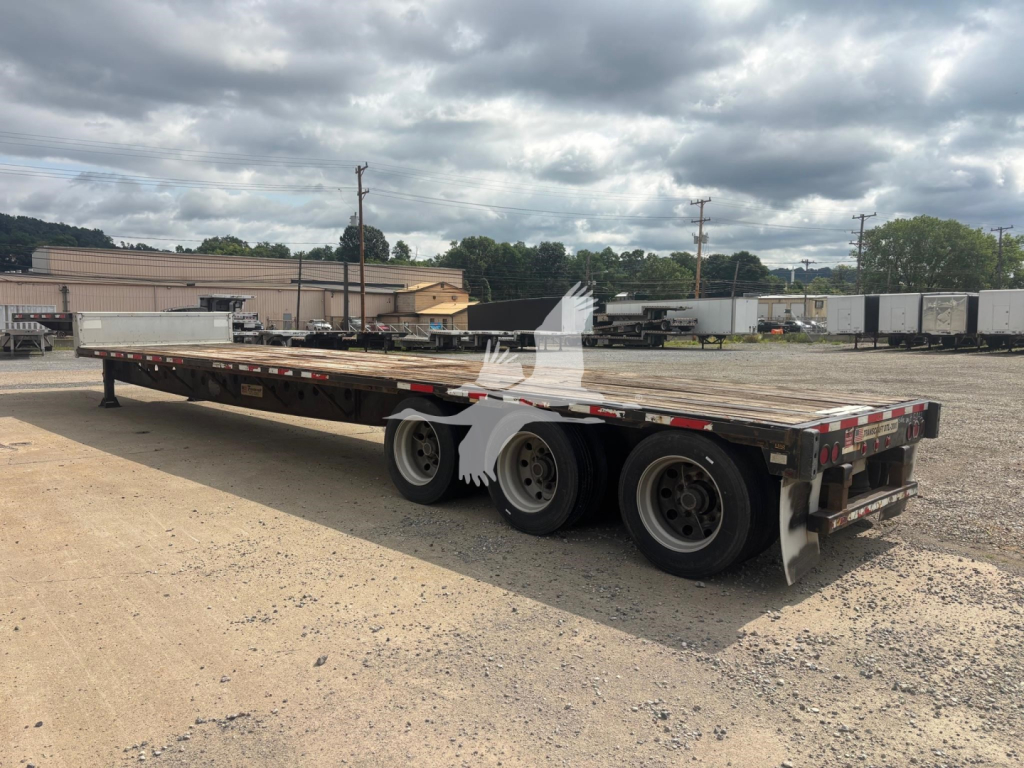
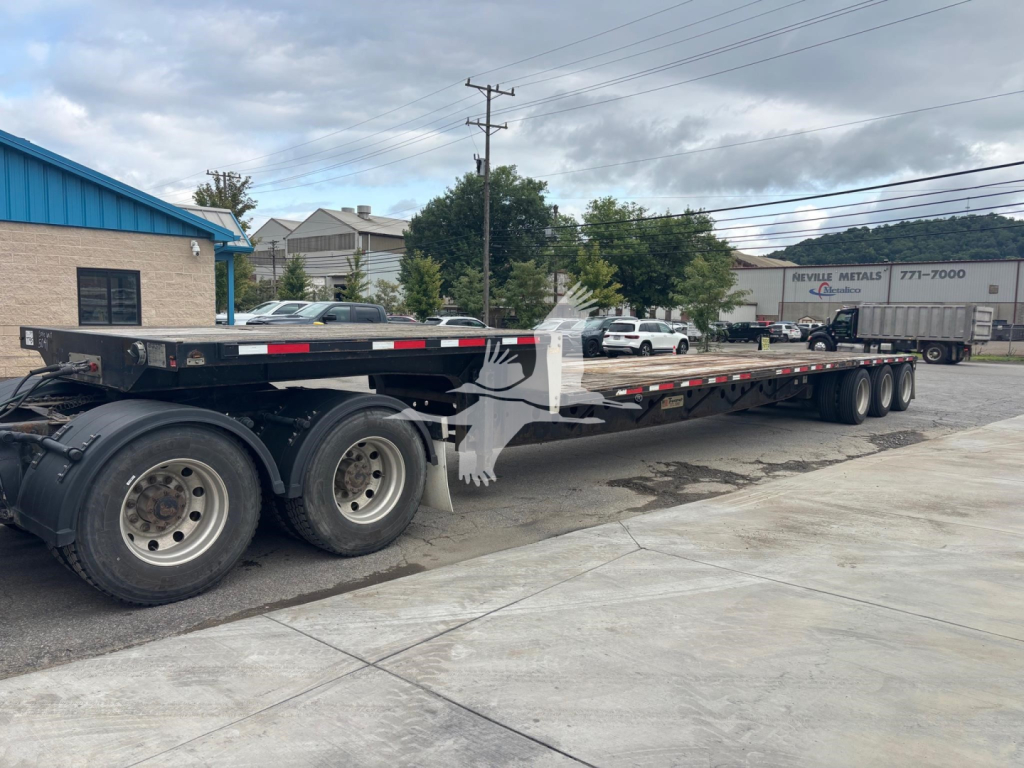
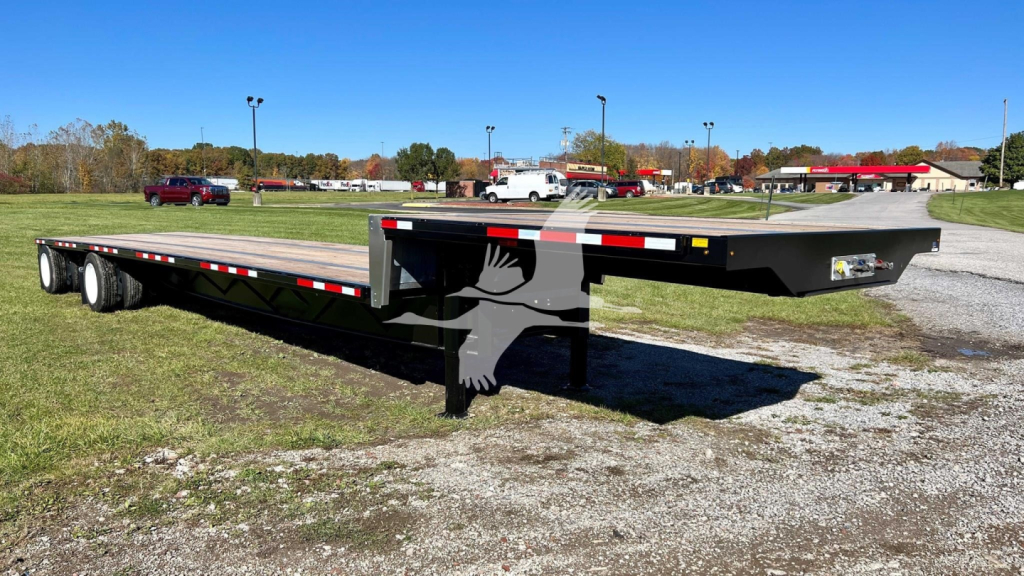
Common Transcraft drop deck specs in this class include 48-foot and 53-foot overall lengths, 102-inch width, top decks around 10 to 11 feet, and main decks in the upper-30-foot to low-40-foot range. Main deck height is often around 40 inches, which is one of the main reasons fleets choose a drop deck over a flatbed. Buyers should look closely at flooring and frame construction. Apitong floors remain popular for durability and traction under concentrated loads, while aluminum deck and rail packages can cut tare weight for operators focused on payload. Crossmember spacing, side rail design, front and rear member material, and kingpin setting all affect how the trailer handles concentrated freight and how well it fits the tractor and lane requirements.
Securement setup matters as much as raw dimensions. Many Transcraft drop decks are spec'd with winch tracks, sliding winches, pipe spools, coil packages, and nailing strips, all of which change how versatile the trailer is from one load type to the next. A coil package with stub crossmembers is valuable for steel-hauling applications, while dual-side winch track and integrated side rail systems can make the trailer more flexible for general freight. Suspension is another major checkpoint on a 2015 model. Air ride tandems, spread axle layouts, or sliding rear axle configurations each serve different operating needs, including bridge compliance, ride quality, and state-specific legal requirements. Tire size, wheel material, dump valve configuration, and landing gear condition also deserve attention because they affect daily use and maintenance cost.
For a buyer evaluating a 2015 Transcraft drop deck, condition and specification match matter more than model year alone. Check for deck wear, rail damage, crossmember repairs, suspension bushing condition, tire wear patterns, and signs of overloading around the neck transition and rear frame. If the trailer will haul machinery or dense freight, verify deck rating and inspect the securement points closely. If the priority is maximizing payload on general commodity freight, lighter construction and a clean maintenance history may be more important than extra accessories. A properly spec'd Transcraft step deck from this era can still be a productive open-deck trailer if its structure, axle arrangement, and securement package fit the work.
Frequently Asked Questions about 2015 Transcraft Drop Deck Trailers
What is the advantage of a 2015 Transcraft drop deck trailer compared to a standard flatbed?
The main advantage is lower deck height. A drop deck trailer lets you haul taller freight while staying within legal overall height limits that would be harder to meet on a standard flatbed. That makes it a practical choice for equipment, crated machinery, building materials, steel products, and other open-deck loads that need more vertical clearance.
What lengths and deck dimensions are common on Transcraft drop deck trailers?
Common configurations include 48-foot and 53-foot overall lengths with a 102-inch width. Top decks are often around 10 to 11 feet long, while the lower main deck is usually in the 37-foot to 43-foot range. Main deck height is frequently around 40 inches, though exact measurements vary by suspension, tire size, and trailer spec.
What should I inspect first on a used 2015 Transcraft step deck?
Start with the structure. Inspect the neck area, main deck, rear frame, crossmembers, side rails, and floor for cracks, bends, corrosion, or welded repairs. After that, review suspension components, axle alignment, tire wear, brakes, landing gear, lights, and the condition of securement equipment such as winch tracks, sliding winches, pipe spools, and chain tie-down points.
Are aluminum or steel components better on a drop deck trailer?
It depends on the freight mix. Aluminum components typically reduce trailer weight and help increase legal payload, which benefits general freight operations. Steel components are often favored for durability in severe-duty applications or where concentrated loads are common. Many buyers look for a balance between tare weight savings and long-term structural toughness based on their lanes and cargo.
Why do axle and suspension specs matter on a drop deck trailer?
Axle placement and suspension type affect legal weight distribution, ride quality, bridge compliance, and maneuverability. Air ride suspensions are common because they protect cargo and improve ride quality. Spread axles can help with weight distribution, while sliding axle setups may be useful for meeting state regulations or adjusting trailer balance for different load profiles.