
New Drop Deck Trailers For Sale in Kansas
Shop new drop deck trailers for sale in Kansas. Compare 53-foot step deck specs, axle spreads, ramps, suspension, and securement options.
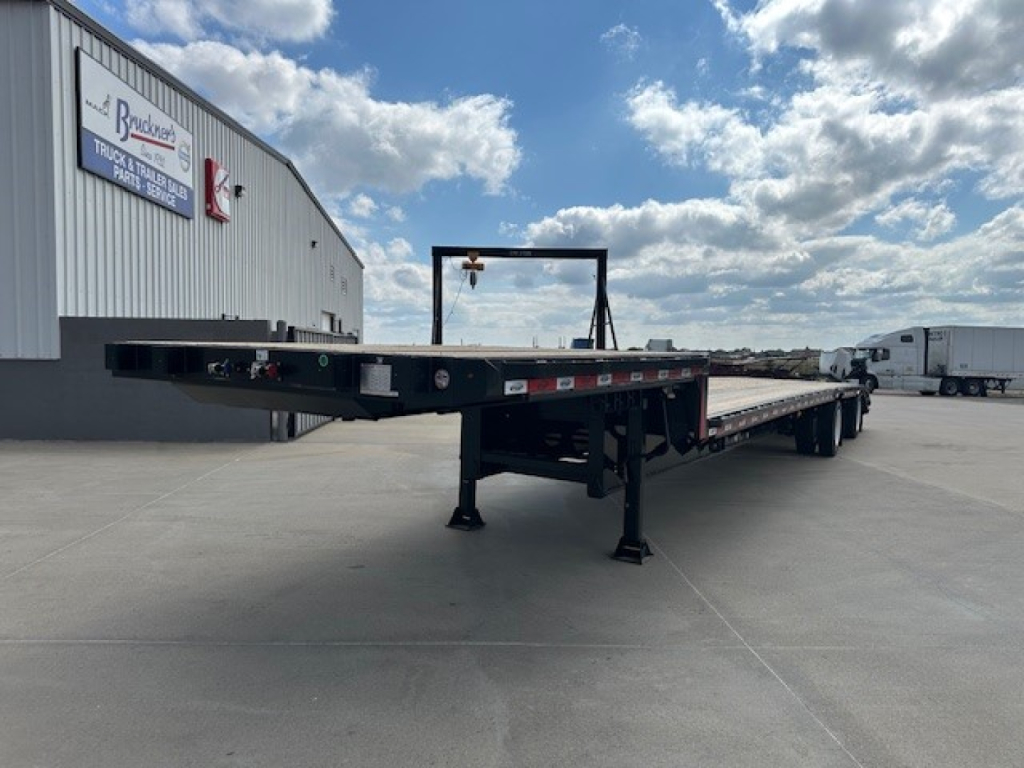
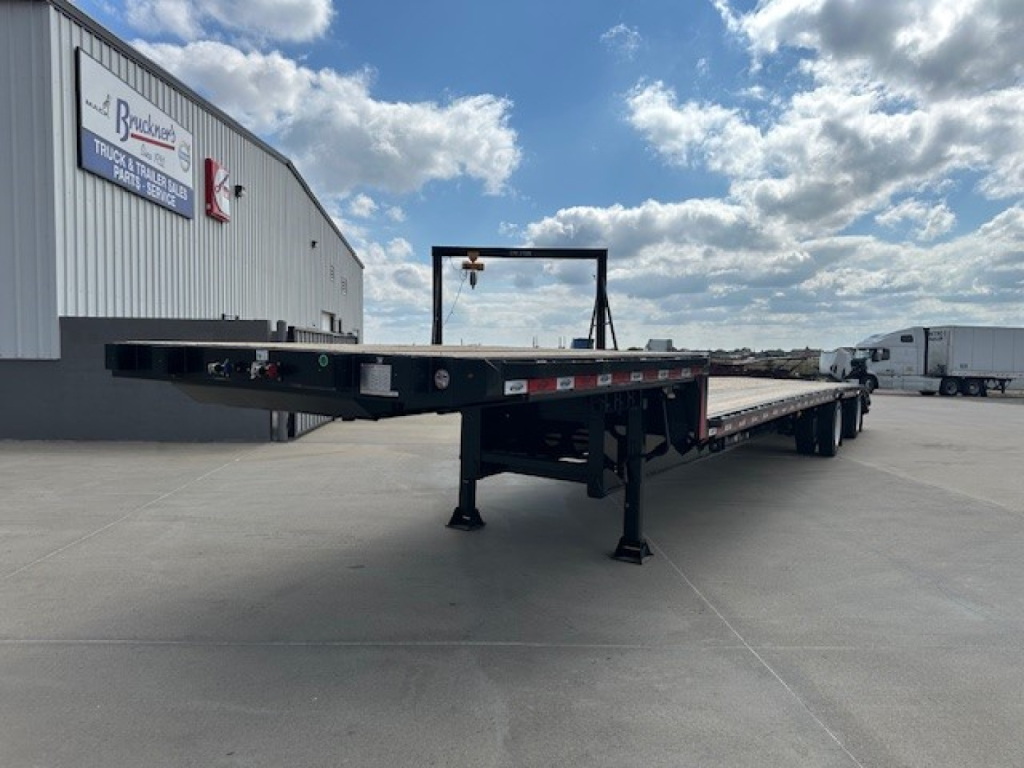
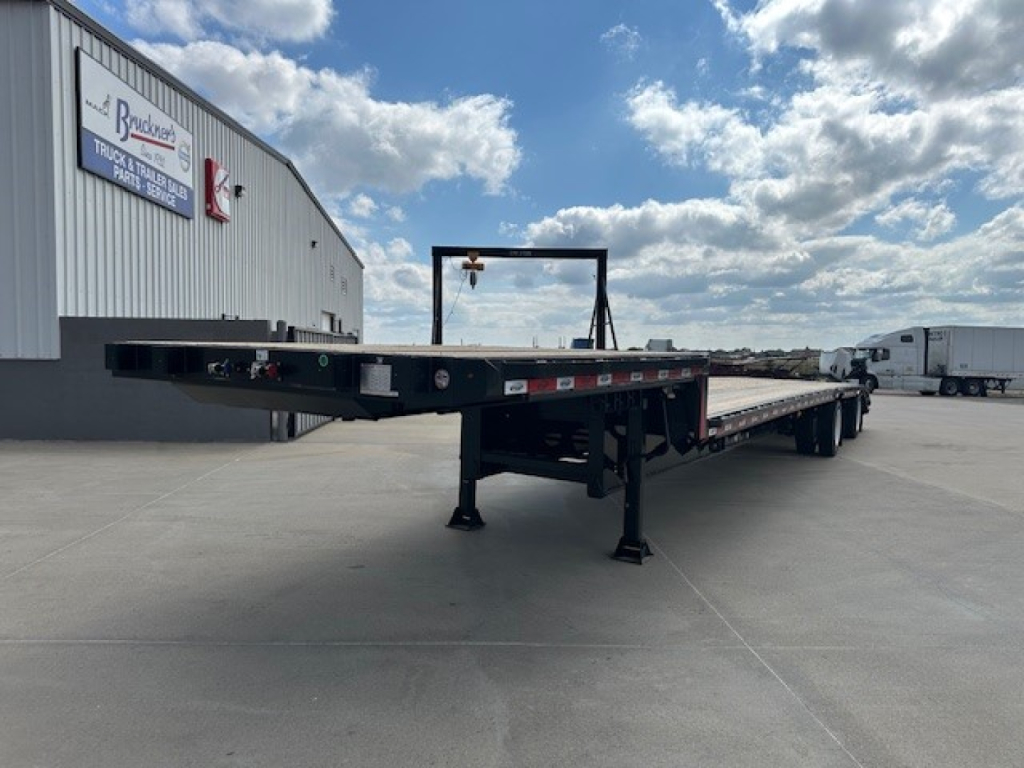
Selling a new drop deck trailer? List your new drop deck trailer for sale and reach thousands of commercial buyers.
New Drop Deck Trailers in Kansas
For many buyers, the first decision is deck layout. A common new configuration is a 53-foot by 102-inch trailer with roughly a 10-foot 6-inch upper deck and a 42-foot 6-inch lower deck. If you load self-propelled equipment, a beavertail with spring-assisted ramps can save time and reduce the need for separate loading support. Crossmember spacing is another key spec. Tighter spacing, such as 12 inches, helps support concentrated loads and repeated forklift traffic. Buyers should also compare axle setup and suspension. A spread axle drop deck can improve stability and weight distribution, while air ride suspension is often preferred for sensitive freight and better ride quality.
Securement and daily usability deserve close attention on a new drop deck trailer. Sliding winches, rub rails, stake pockets, and chain spools affect how quickly drivers can build a legal, efficient securement plan. Tire size, wheel type, landing gear, dump valves, and an easy-to-read air gauge all matter in real operation, especially when trailers are dropped frequently or moved between varied job sites. Kansas buyers should also think about bridge law, turning space, and the routes they run most often. A trailer that looks similar on paper can behave very differently depending on axle spread, deck height, ramp design, and suspension package.
A new drop deck makes the most sense when you want a clean maintenance baseline, current spec choices, and a trailer tailored to the freight you actually haul. Pay close attention to loaded deck height, lower deck length, ramp capacity, kingpin setting, and tare weight, because those numbers affect legal payload and load planning every day. The best drop deck trailer is not just the lowest-priced one. It is the one with the right deck construction, securement package, and running gear for your freight mix, your lanes, and your loading methods.
Frequently Asked Questions about New Drop Deck Trailers in Kansas
What is the difference between a drop deck trailer and a flatbed trailer?
A drop deck trailer has two deck levels, an upper deck over the tractor frame area and a lower main deck behind it. That lower deck gives you more legal loading height than a standard flatbed, which is why drop decks are commonly used for taller freight such as equipment, building materials, and machinery. A flatbed is still a better fit for some uniform loads, but a step deck adds flexibility when height is the limiting factor.
What size drop deck trailer is most common?
A 53-foot by 102-inch drop deck is one of the most common configurations in the market. Many are built with an upper deck around 10 feet 6 inches and a lower deck around 42 feet 6 inches, though exact dimensions vary by manufacturer and spec. That layout works well for general freight, equipment, and mixed loads because it balances deck space, legal width, and broad compatibility with standard shipping needs.
Should I choose a spread axle drop deck trailer?
A spread axle drop deck can improve weight distribution and stability, and it is often a strong choice for heavier or more variable loads. It can also affect bridge compliance and load placement, which matters on longer hauls and certain routes. The tradeoff is that spread axle trailers can be less maneuverable in tight yards or urban delivery points, so the right choice depends on where you load, where you unload, and the freight you carry most often.
Are ramps and a beavertail worth it on a new drop deck trailer?
Ramps and a beavertail are worth serious consideration if you haul forklifts, skid steers, compact construction equipment, or other wheeled and tracked machines. They simplify loading and unloading and can reduce dependence on docks or external ramps. Buyers should still verify ramp rating, angle, deck transition, and how much lower deck space is consumed by the beavertail design, because those details affect both usability and payload planning.
What specs matter most when buying a new drop deck trailer in Kansas?
The most important specs are lower deck length, loaded deck height, axle configuration, suspension type, crossmember spacing, securement layout, and tare weight. In Kansas, buyers should also think about the trailer's fit for agricultural equipment, construction freight, and regional highway operation. A well-matched spec package improves legal loading options, reduces securement time, and helps the trailer stay productive across a wider mix of freight.