
Drop Deck Trailers For Sale in Mississippi
No exact matches found for your search
Showing Drop Deck Trailers instead.
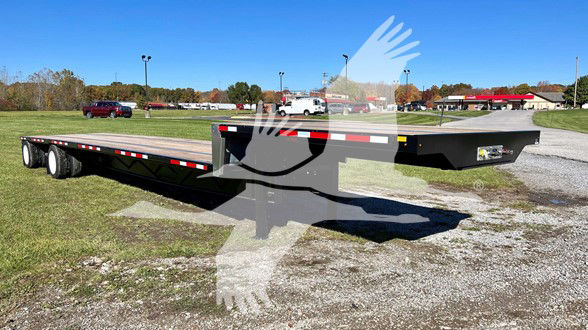
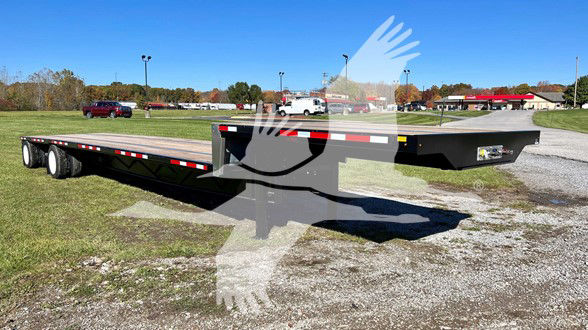
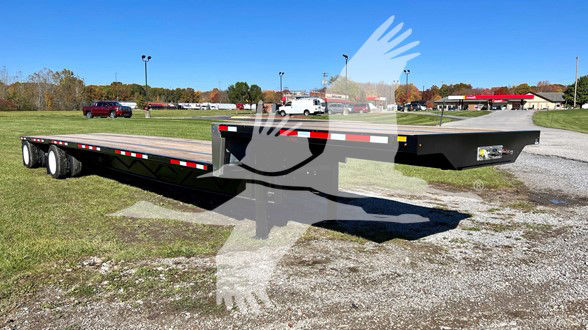
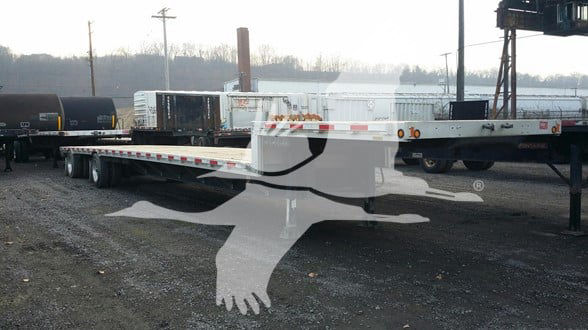
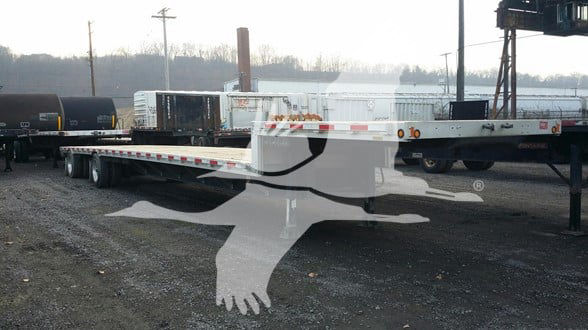
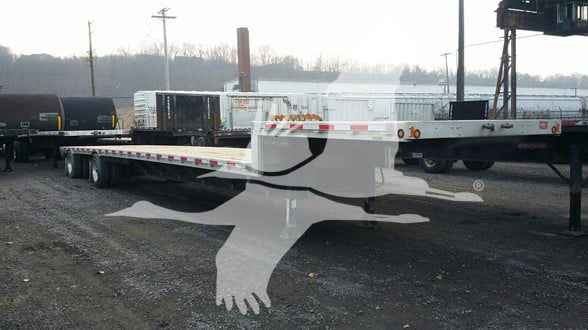
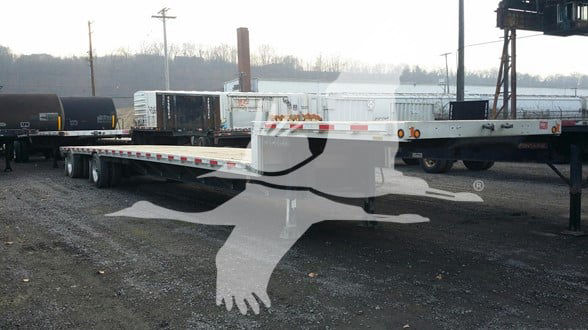
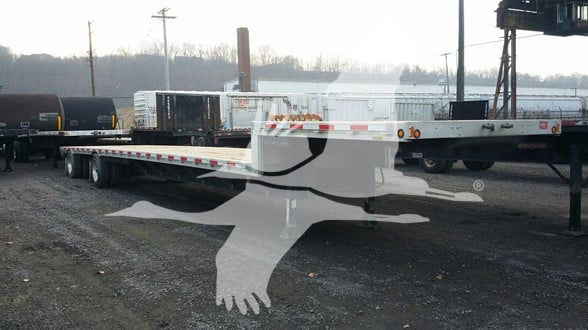
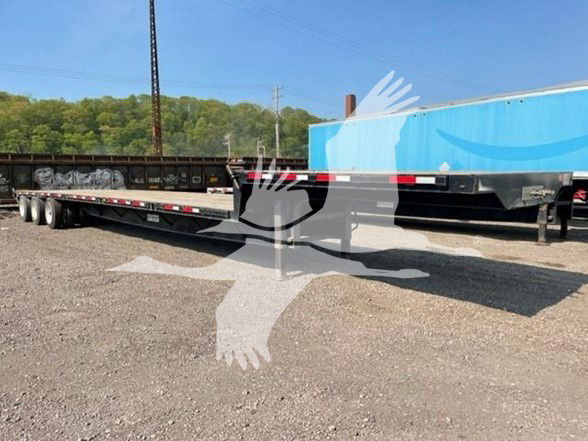
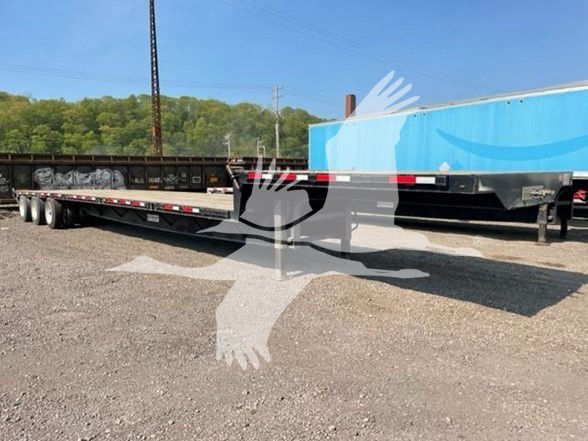
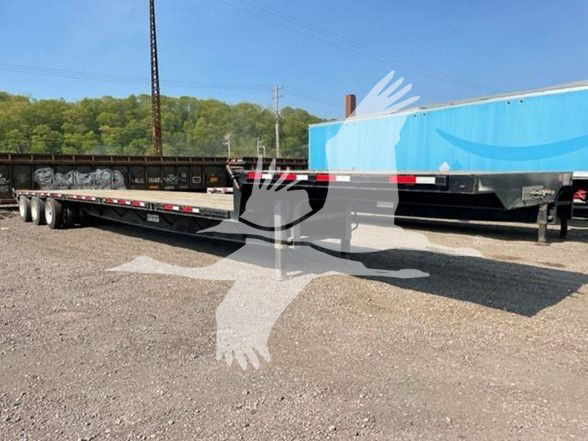
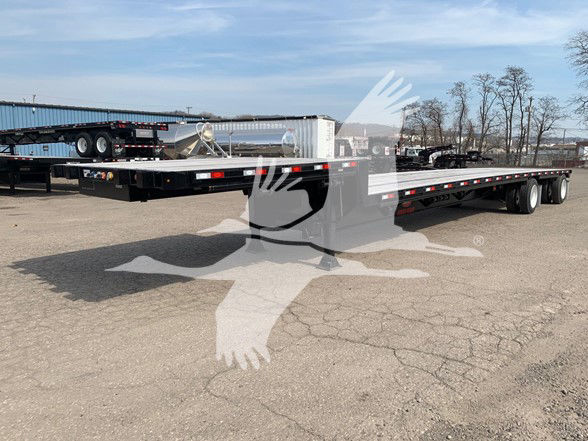
Showing 145 to 156 of 199 results
Have drop deck trailer to sell? List it here to reach thousands of buyers.
Drop Deck Trailers in Mississippi
The first buying decision is usually deck configuration. Common lengths are 48 and 53 feet, with a top deck around 10 to 11 feet and a main deck often running roughly 37 to 43 feet depending on axle placement and design. A 102-inch wide trailer is standard, and loaded deck height is one of the key numbers to verify because it directly affects legal freight height. Buyers should also compare the drop measurement, floor type, and axle setup. Wood floors remain common for versatility and repair cost, while aluminum and combo designs can help reduce tare weight. Tandem axle and spread axle configurations each have advantages, with spread axles often helping with bridge compliance and weight distribution, while air ride can be a better match for more sensitive freight.
Capacity and securement details matter as much as length. Many drop deck trailers are spec'd for general freight, but heavier applications may call for 40-ton class designs, concentrated load ratings, reinforced crossmembers, and specific kingpin settings. Look closely at tie-down equipment such as chain pullouts, winches, double spool winches, stake pockets, rub rails, and sliding winch tracks. Ramps can be a major value point if the trailer will handle forklifts, compact equipment, or self-propelled machinery. Tire size, wheel type, toolbox storage, and brake spec are also worth comparing because they affect serviceability and daily operating cost over time.
A good drop deck trailer balances legal height, payload, and ease of loading. Buyers in Mississippi often focus on corrosion exposure, suspension condition, floor wear, tire match, and signs of concentrated load damage on the main deck. It also pays to confirm axle spread, rear frame condition, brake type, and any repairs around the neck and transition area. For operations that need open-deck versatility without moving up to specialized heavy haul equipment, a well-matched drop deck remains one of the most practical trailer categories on the market.
Frequently Asked Questions about Drop Deck Trailers in Mississippi
What is the difference between a drop deck trailer and a flatbed trailer?
A drop deck trailer has two deck levels, with an upper deck over the tractor connection and a lower main deck behind it. That lower deck gives additional legal load height compared with a standard flatbed, which is the main reason buyers choose a step deck. If the freight is too tall for a flatbed but can still be loaded from the side or rear without a detachable neck, a drop deck is often the right fit.
What lengths are most common for drop deck trailers?
The most common drop deck trailer lengths are 48 feet and 53 feet. On many 53-foot units, the upper deck is around 10 to 12 feet and the lower main deck is roughly 40 to 43 feet, though exact dimensions vary by manufacturer and axle layout. Buyers should confirm usable deck length rather than relying only on overall trailer length, especially if they haul equipment with a fixed footprint.
How do I choose between tandem axle and spread axle drop deck trailers?
Tandem axle trailers are often easier to maneuver in tighter job sites and can be simpler for certain applications. Spread axle trailers can improve weight distribution and may help with bridge formula compliance, which is valuable on heavier or longer freight. The tradeoff is that spread axles can add tire scrub in tight turns and may be less forgiving in confined spaces, so the right choice depends on route type, freight profile, and operating environment.
What should I inspect on a used drop deck trailer?
Key inspection points include the main deck and upper deck structure, crossmembers, neck area, transition section, suspension, brakes, tires, wheels, and floor condition. Buyers should also check for cracked welds, bent rub rails, damaged winch tracks, uneven tire wear, and signs of overloading or concentrated load stress. On air ride units, it is smart to inspect bags, valves, and ride height components because suspension repairs can add up quickly.
When does a drop deck make more sense than an RGN trailer?
A drop deck makes more sense when the freight needs extra height clearance but does not require drive-on loading through a detachable neck. It is typically lighter, less complex, and less expensive to own and maintain than an RGN. For many machines, crated equipment, and palletized industrial loads, a step deck provides the needed deck height advantage while keeping the trailer simpler for everyday open-deck work.