
Used Fontaine Drop Deck Trailers For Sale in Colorado
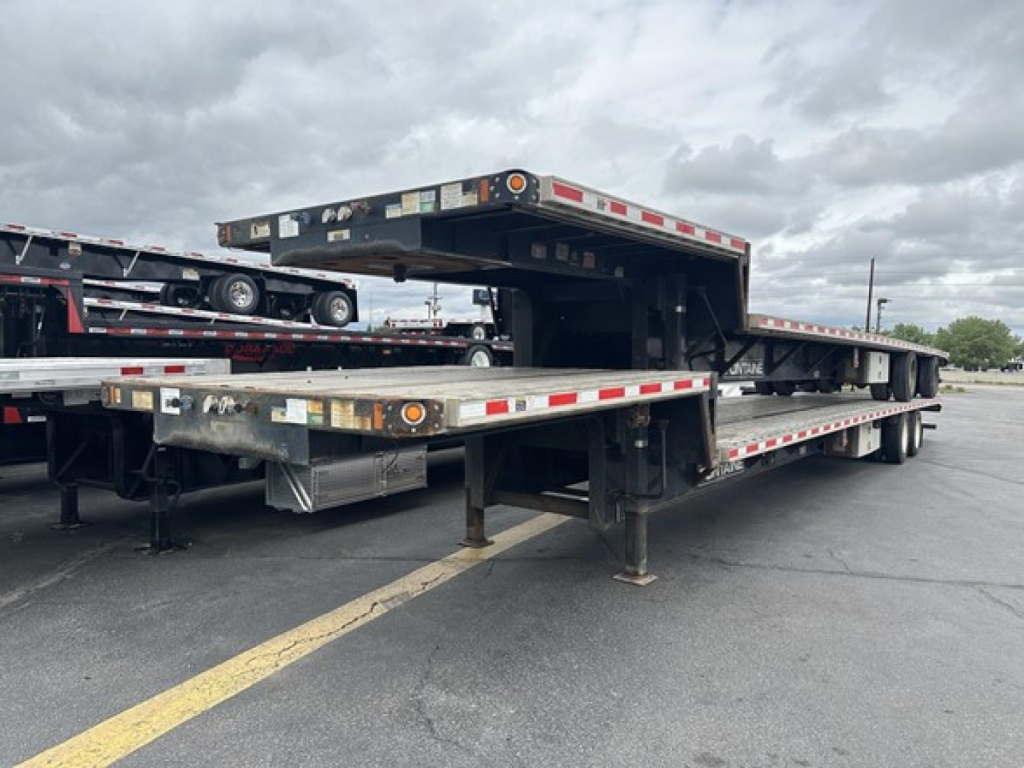
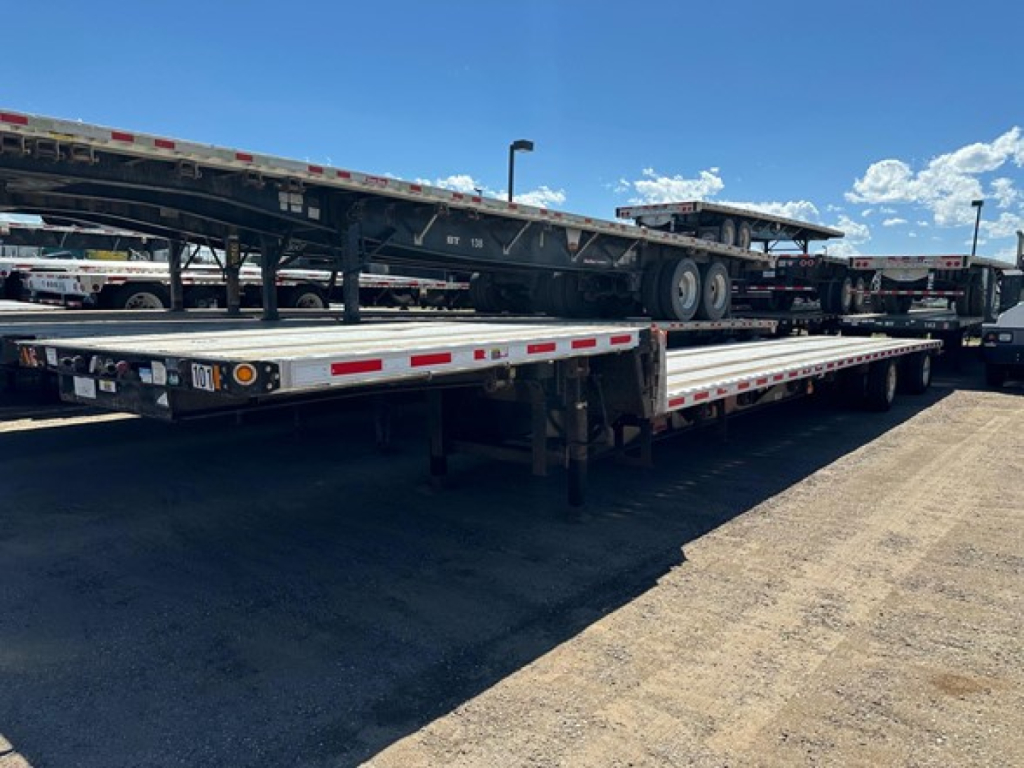
Used Fontaine drop deck trailers for sale in Colorado. Compare combo construction, axle setups, deck specs, and California-legal options.
Learn more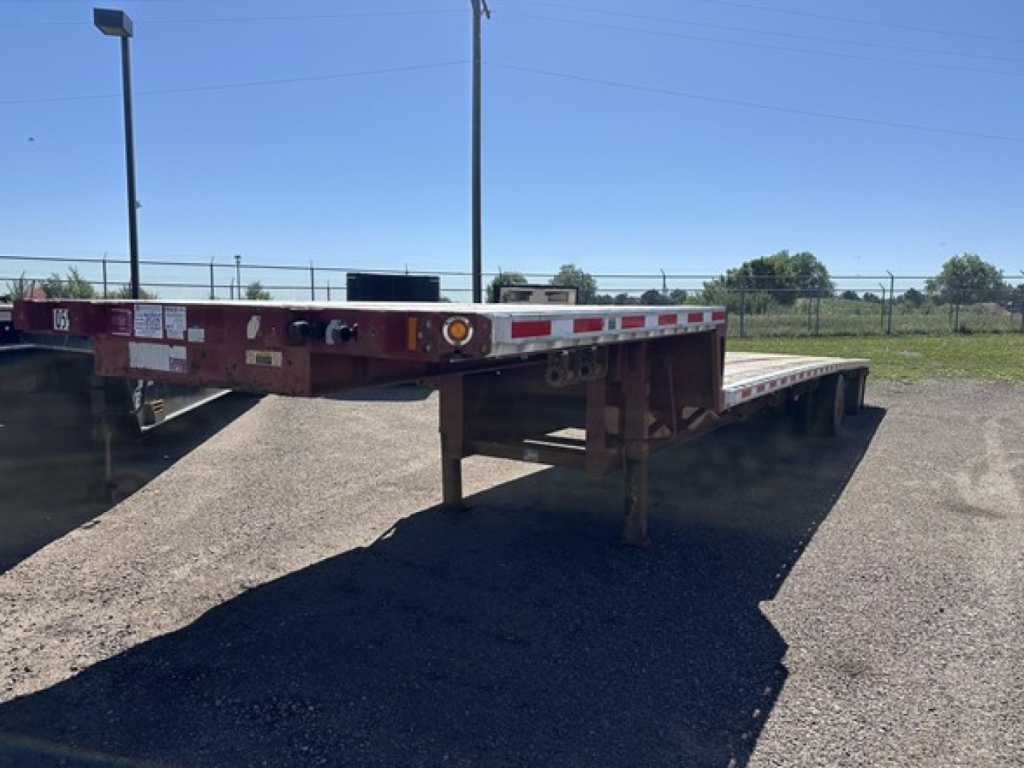
Have used fontaine drop deck trailer to sell? List it here to reach thousands of buyers.
About Used Fontaine Drop Deck Trailers in Colorado
A buyer comparing used Fontaine drop deck trailers should pay close attention to deck configuration, axle layout, and legal length requirements. Common specs in this category include 48-foot and 53-foot lengths, 102-inch width, steel main beams, aluminum deck and rails, nail strips, sliding winches, and RASR rail systems. Combo trailers with steel beams and aluminum components are popular because they hold up well in demanding freight work while keeping tare weight lower than an all-steel build. On used units, inspect the upper deck and lower deck for crossmember fatigue, rail damage, deck wear around forklift traffic zones, and any repairs near the transition area where step decks often see concentrated stress.
Axle setup matters because it affects bridge compliance, tire wear, and how flexible the trailer will be across different freight lanes. Spread axle and fixed spread air ride configurations can help with weight distribution, while tandem air ride with a rear slide axle is often preferred by carriers that need California-legal positioning or more adjustment for state bridge laws. Tire size, low-profile rubber, wheel material, and suspension condition all deserve a close look on a used trailer, especially in Colorado where mountain grades, weather exposure, and mixed road conditions can accelerate wear on brakes, bushings, and air system components. Securement equipment such as coil packages, winch tracks, tool boxes, and ICC bumpers should also be checked for condition and completeness.
For buyers running regional western freight, a used Fontaine step deck can be a practical fit when the trailer needs to handle a mix of general commodity freight and more specialized loads. The best unit is usually the one matched to your freight profile first, then to your route demands and permit environment. If most of your work involves lighter but taller cargo, a combo drop deck with air ride and a strong securement package can make sense. If you regularly cross California or need more axle flexibility, a rear slide axle or California-legal setup can be the deciding factor. A careful review of frame integrity, suspension history, deck condition, and securement hardware will tell you more about long-term value than model year alone.
Frequently Asked Questions
What is the advantage of a Fontaine drop deck trailer over a standard flatbed?
A Fontaine drop deck trailer gives you more deck-to-ground clearance on the lower deck than a standard flatbed, which allows you to haul taller freight while staying within legal overall height in many applications. That makes it a strong choice for equipment, crated machinery, industrial materials, and other loads that would exceed height limits on a conventional flatbed. It also keeps loading and securement familiar for operators already working in open-deck freight.
What should I inspect first on a used Fontaine combo drop deck?
Start with the main beams, crossmembers, and the transition area between the upper and lower deck, because those are key structural points on any step deck. Then inspect the aluminum deck and rails for heavy wear, cracking, gouging, and prior repairs. After that, review suspension condition, axle alignment, brake wear, tire condition, and the operation of sliding winches or rear slide axle components. On a used trailer, securement hardware and structural condition usually matter more than cosmetic appearance.
Why does a rear slide axle matter on a used drop deck trailer?
A rear slide axle gives the trailer more flexibility for bridge law compliance, axle weight distribution, and route-specific legal requirements. It is especially useful for carriers that run in multiple states or need California-legal trailer positioning. It can also help balance certain loads more effectively than a fixed tandem setup. Buyers should verify that the slide mechanism moves correctly, locks securely, and does not show excessive wear in the rails, pins, or air components.
Are Fontaine drop deck trailers good for coil and machinery hauling?
Yes, many Fontaine drop deck trailers are configured to handle both general freight and more specialized open-deck work. Features such as coil packages, nail strips, RASR rails, and sliding winches support a wide range of securement needs. The trailer still needs to match the actual freight you haul, including axle capacity, deck length, and securement points, but this category is widely used for machinery, steel products, palletized cargo, and building materials.
What lengths and configurations are common in used Fontaine drop deck trailers?
Common used Fontaine drop deck trailers in this category include 48-foot and 53-foot models with a 102-inch width. Many are combo construction with steel main beams and aluminum deck and rails. Buyers will commonly see spread axle, fixed spread air ride, tandem air ride, and rear slide axle configurations. The right combination depends on payload goals, state compliance needs, and whether the trailer will be used primarily for regional general freight or more specialized heavy-duty hauling.