
Fontaine Drop Deck Trailers For Sale in Texas
Browse Fontaine drop deck trailers for sale in Texas. Compare 48x102 step deck specs, capacities, ride options, and hauling applications.

Selling a fontaine drop deck trailer? List your fontaine drop deck trailer for sale and reach thousands of commercial buyers.
Fontaine Drop Deck Trailers in Texas
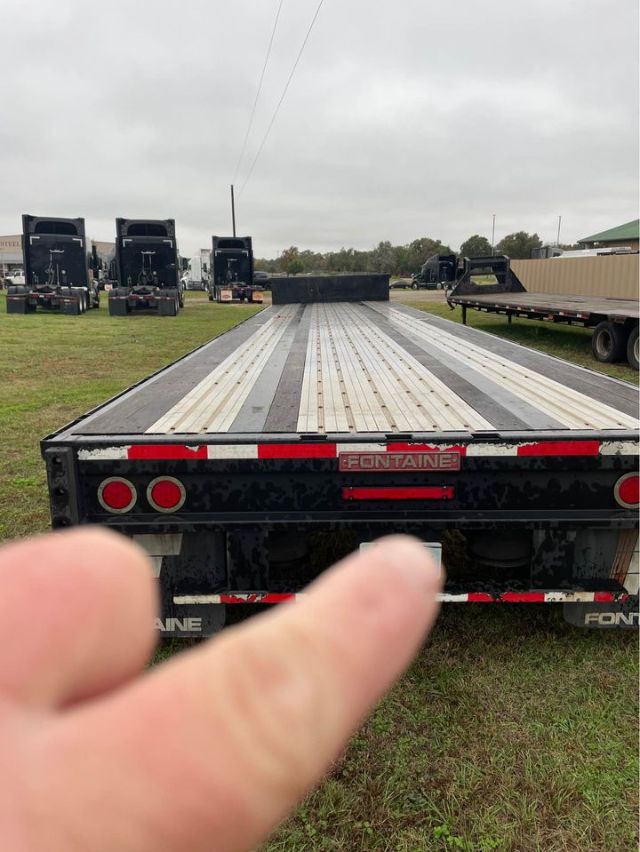
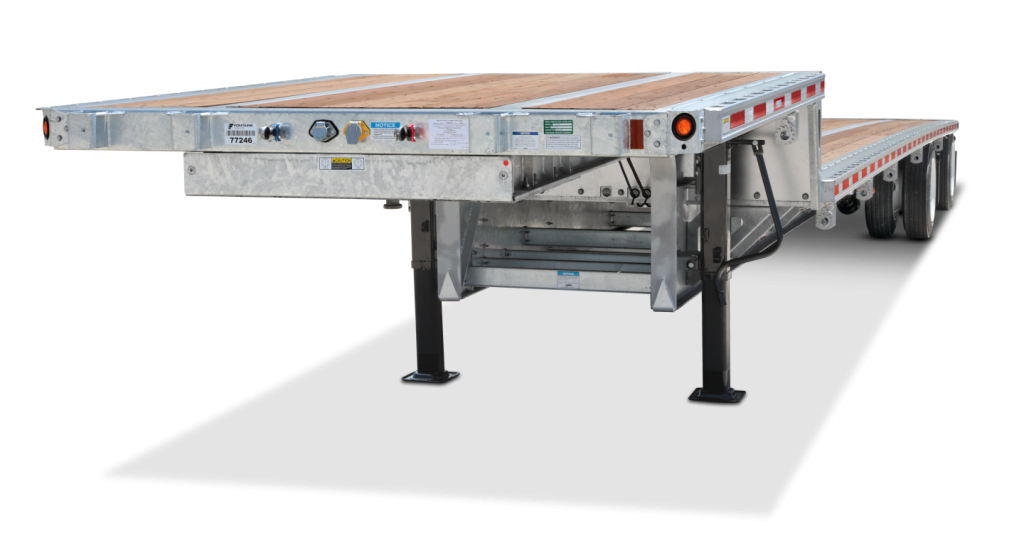
For most buyers, the key decisions start with capacity, deck dimensions, and suspension. Listings in this category often center on 40-ton class trailers and 48-foot overall length, but actual usable deck space, loaded deck height, axle spacing, and concentrated load rating matter more than headline numbers. Air ride is a common choice because it handles delicate freight better and can improve ride quality for taller or more irregular loads. It is also worth checking the main beam construction, crossmember spacing, apitong or hardwood flooring condition, winch track setup, chain slots, and whether the trailer has the tie-down layout needed for equipment or steel hauling.
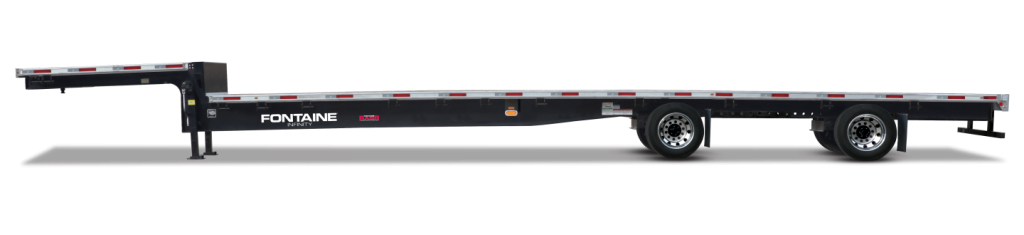
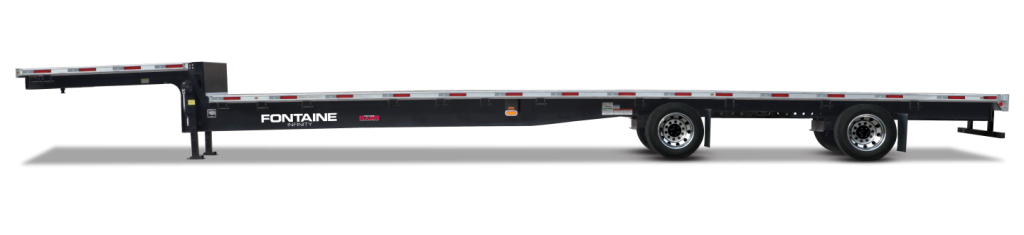
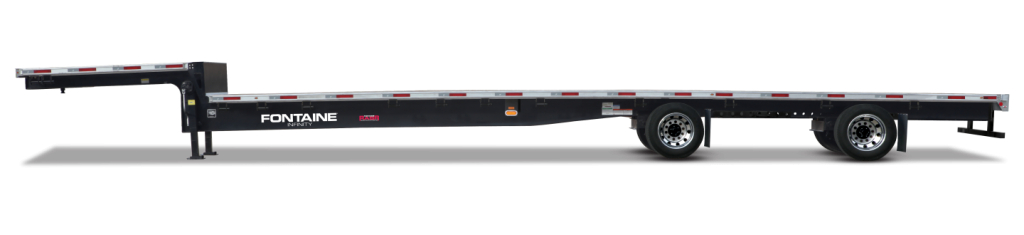
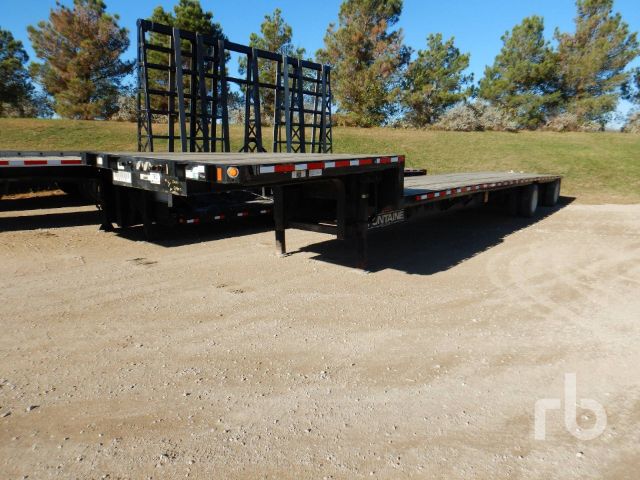
A Fontaine step deck is often chosen by fleets and owner-operators who want a durable general-purpose platform with strong resale appeal. Buyers should look closely at neck height, upper deck length, lower deck length, rear deck transition, and overall tare weight because those details affect what can be hauled legally and profitably. Tire size, wheel condition, brake type, and suspension wear are standard inspection points, along with frame condition, flooring repairs, landing gear operation, and signs of heavy concentrated loading around the deck and axle area. In Texas service, sun exposure, road grime, and prior oilfield or construction use can tell you a lot about how a trailer has been worked.
If the trailer will spend most of its time on regional freight, coil, lumber, or machinery, the right spec usually comes down to balancing empty weight against strength and securement flexibility. A lighter trailer can preserve payload, but a heavier-duty build may pay off if the work regularly involves forklifts, skid steers, tractors, or dense freight. Buyers comparing Fontaine drop deck trailers should focus on how the trailer is spec'd for the load, not just the year or price, because deck layout, suspension, and real-world condition will determine day-to-day value.
Frequently Asked Questions about Fontaine Drop Deck Trailers in Texas
What is the main advantage of a Fontaine drop deck trailer compared with a flatbed?
A Fontaine drop deck trailer gives you more legal load height than a standard flatbed because the main cargo deck sits lower to the ground. That makes it a practical choice for hauling taller equipment, crated machinery, and palletized freight that might exceed legal height on a flatbed. You still keep much of the loading flexibility of an open trailer, which is why step decks are widely used for mixed freight and general commercial hauling.
What specs matter most when buying a used Fontaine step deck trailer?
The most important specs are overall length, width, lower deck length, upper deck length, loaded deck height, suspension type, axle rating, and concentrated load capacity. Buyers should also verify flooring condition, tie-down equipment, brake and tire condition, frame integrity, and tare weight. A 48x102 configuration is common, but the right trailer depends on the freight you plan to move and how much deck space and payload you need.
Is air ride a good option on a Fontaine drop deck trailer?
Air ride is a strong option for many step deck applications because it helps protect sensitive freight and generally delivers a smoother ride than mechanical suspension. It is commonly preferred for machinery, finished materials, and taller loads that benefit from better ride control. The tradeoff is that air ride systems add components that should be inspected for leaks, wear, and maintenance history before purchase.
What freight is a Fontaine drop deck trailer commonly used for in Texas?
In Texas, Fontaine drop deck trailers are commonly used for hauling construction equipment, agricultural machinery, pipe, steel products, lumber, building materials, and palletized freight. They are popular because they handle a wide range of loads without the height limitations of a flatbed. That makes them useful for regional routes, oilfield support, farm supply movement, and general freight operations across the state.