
2019 Drop Deck Trailers For Sale in Ohio
Shop 2019 drop deck trailers for sale in Ohio. Compare 48' to 53' specs, deck height, axle setup, flooring, tie-downs, and suspension options.
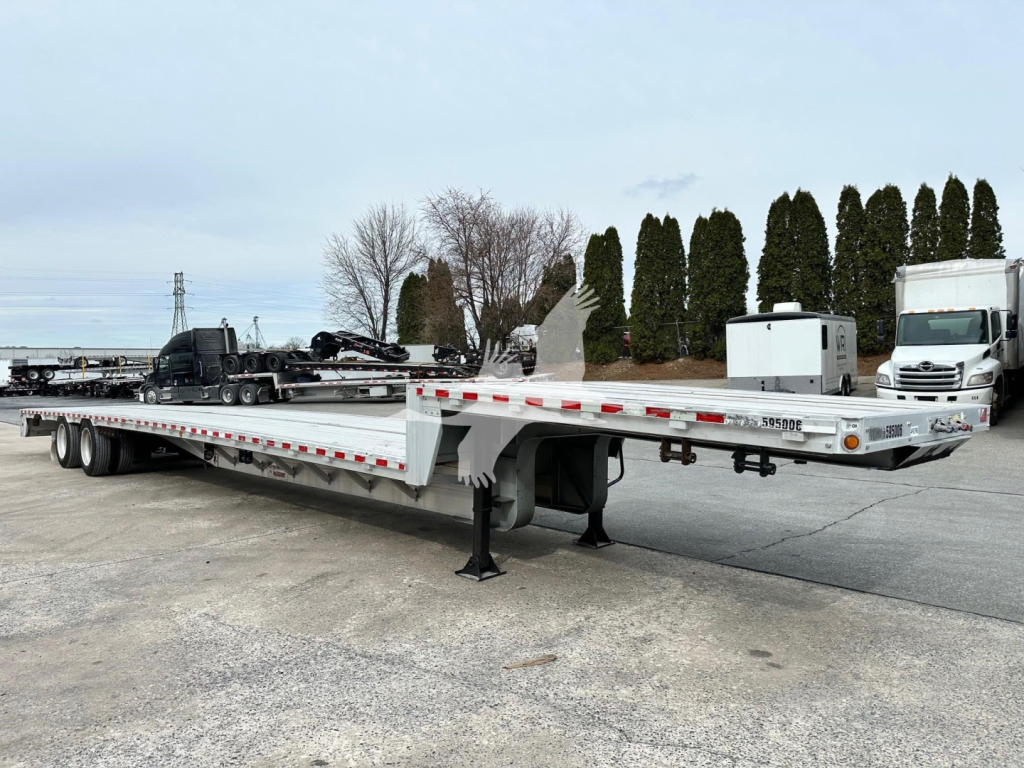
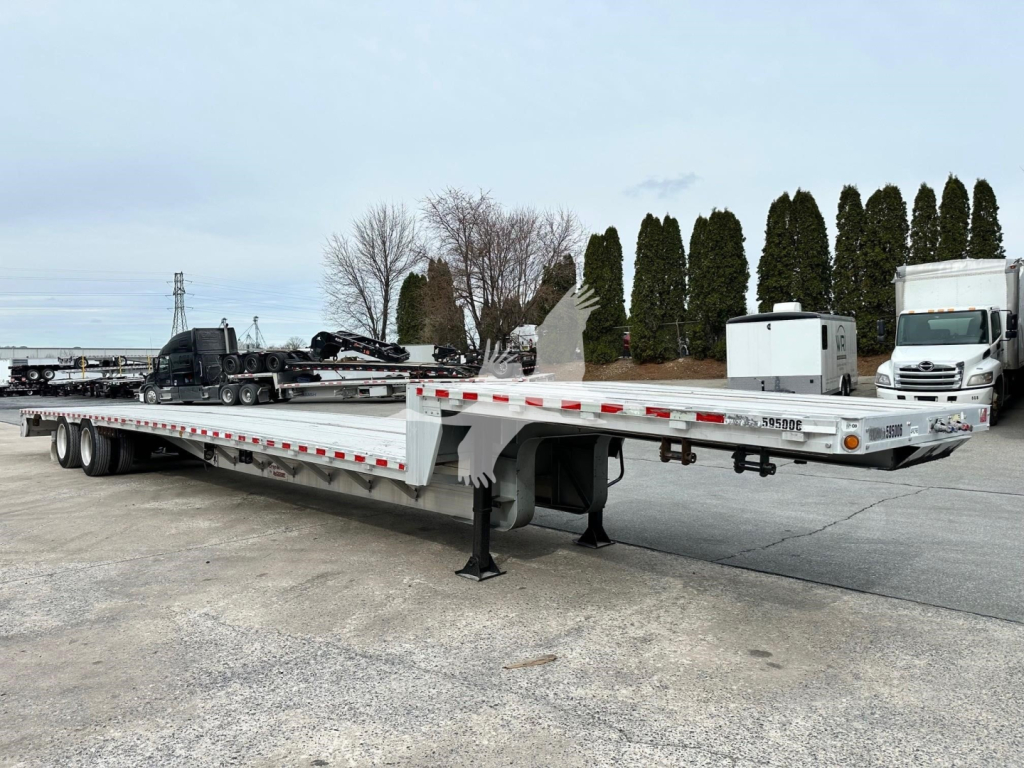
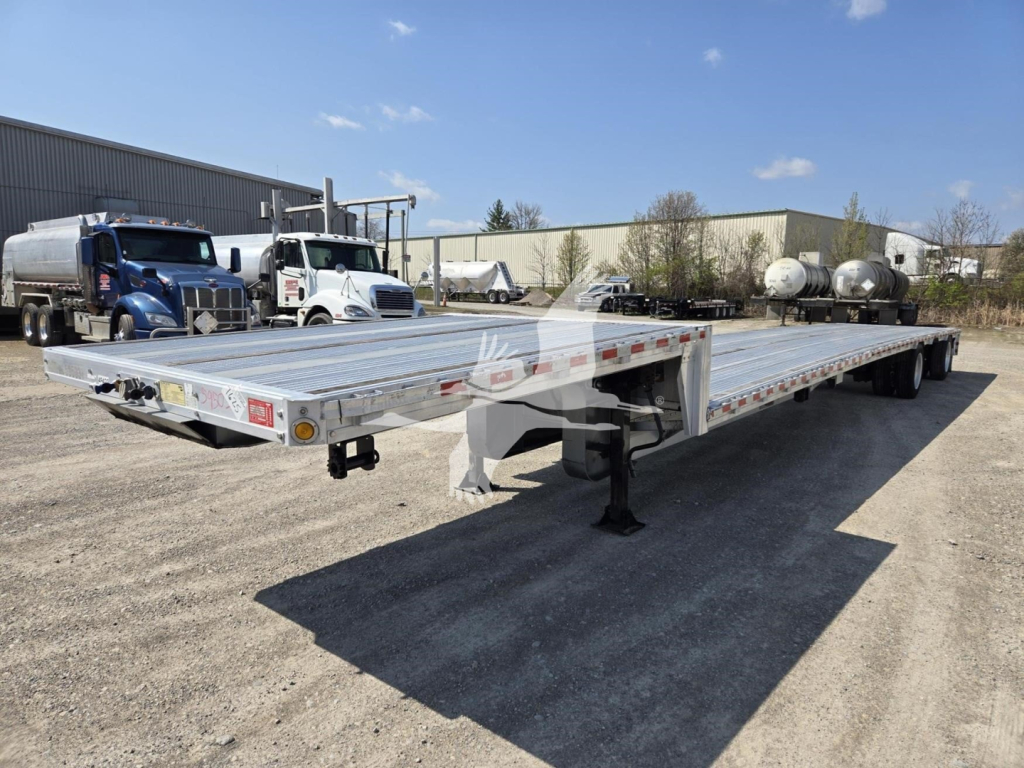
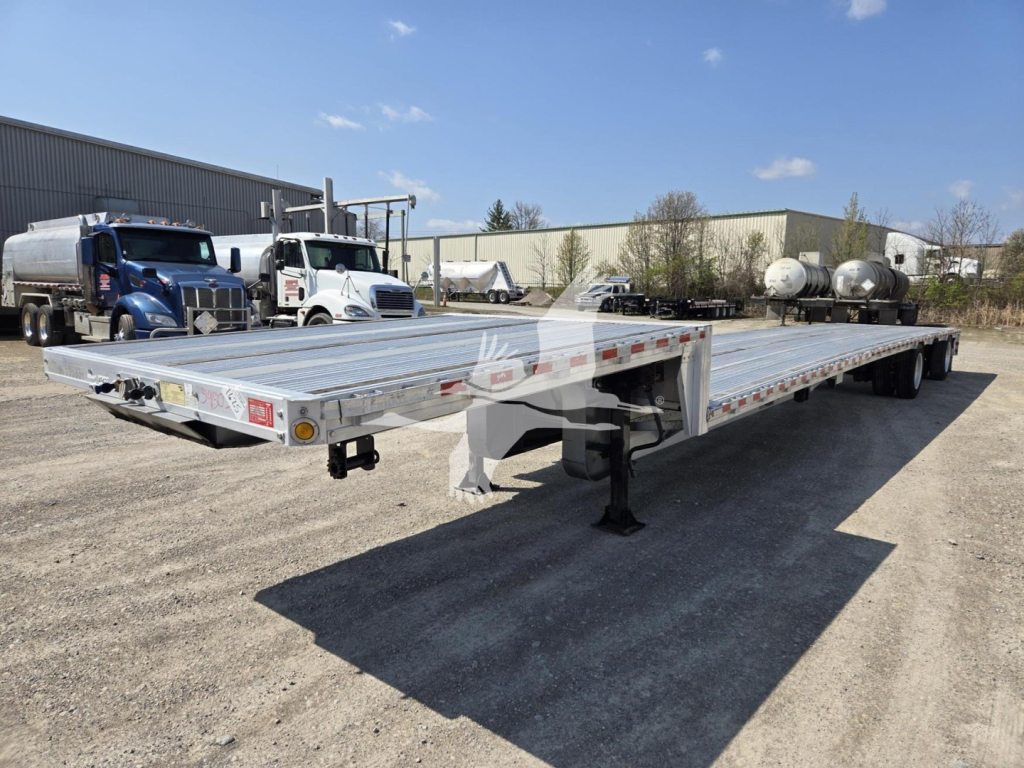
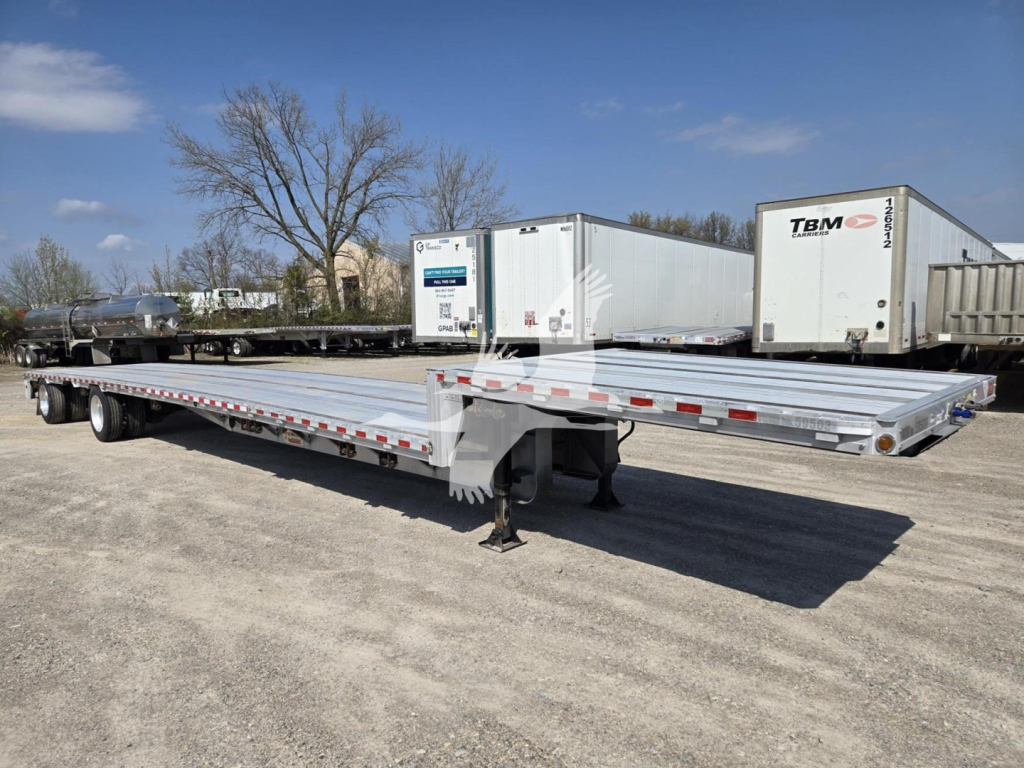
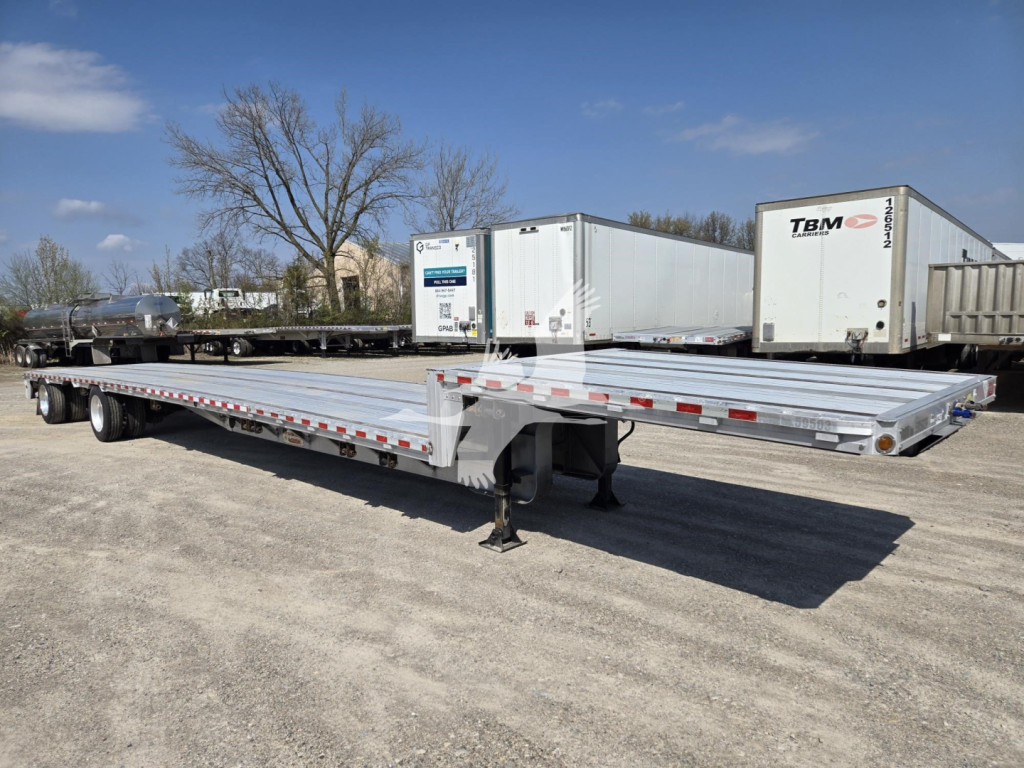
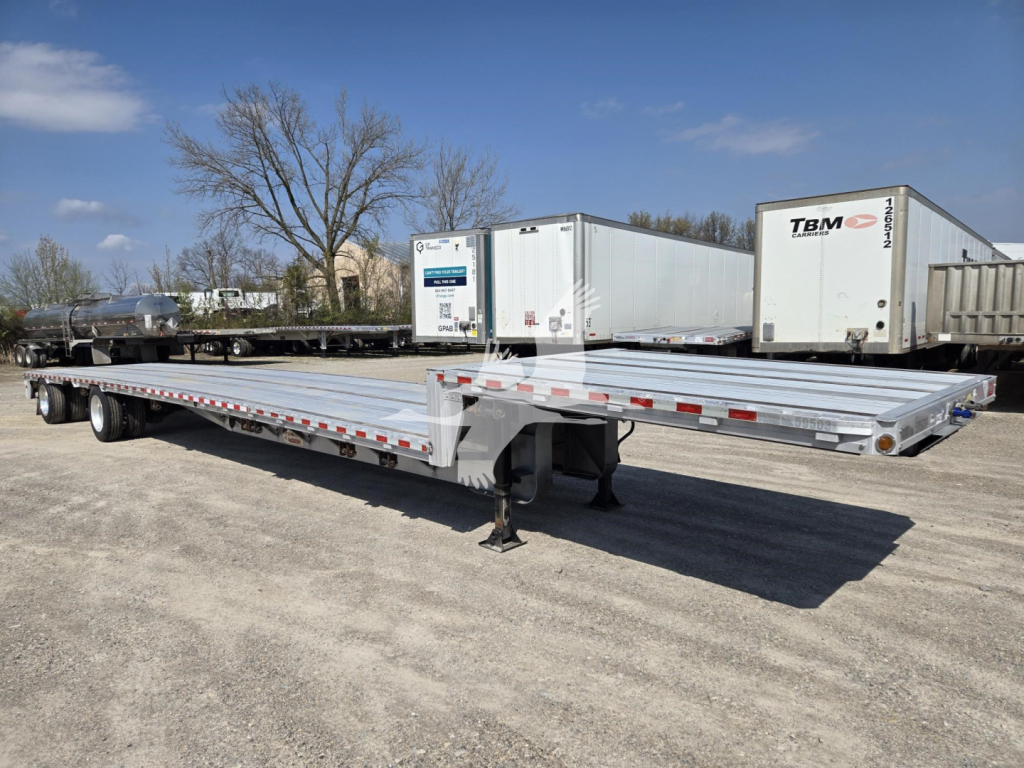
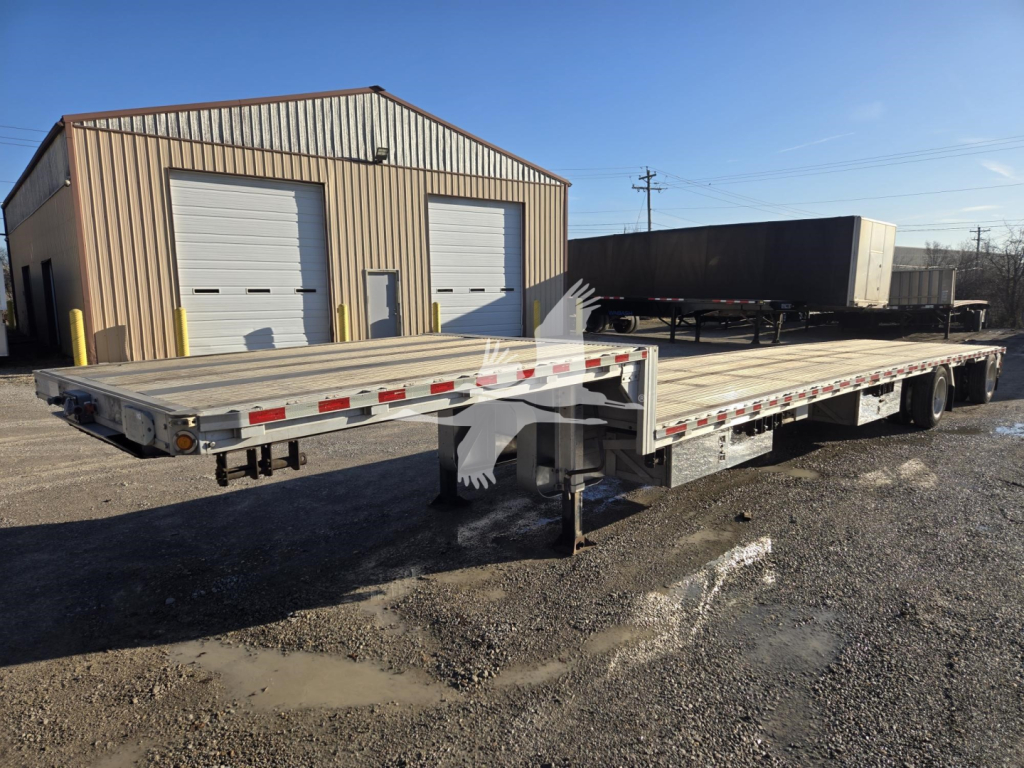
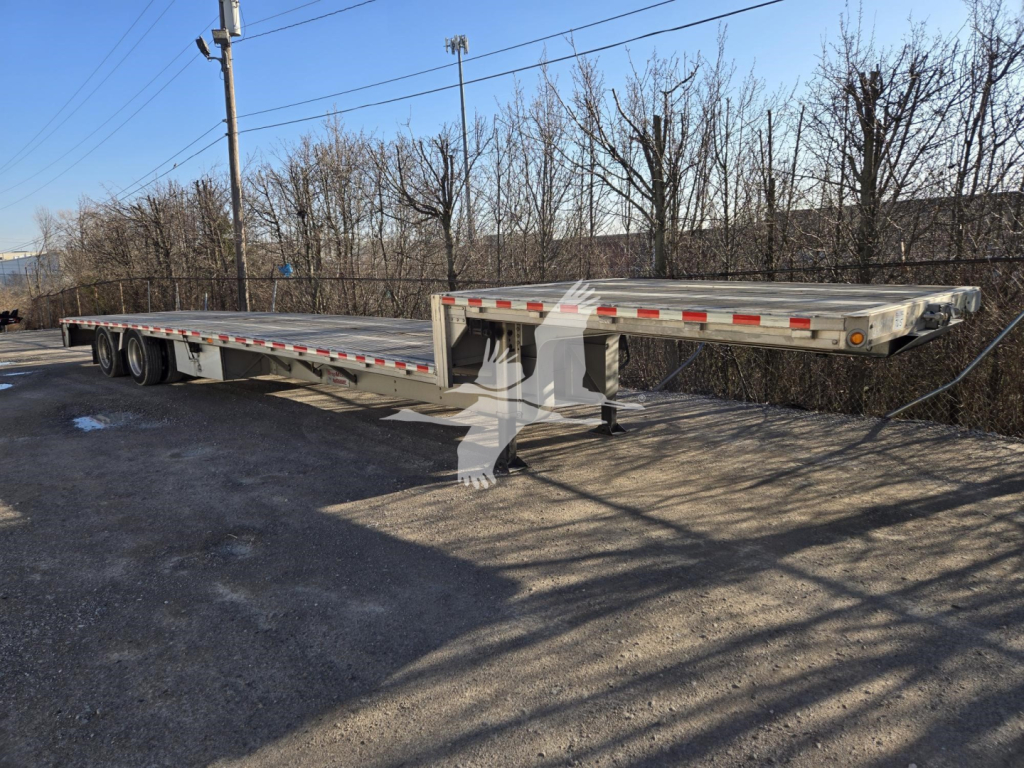
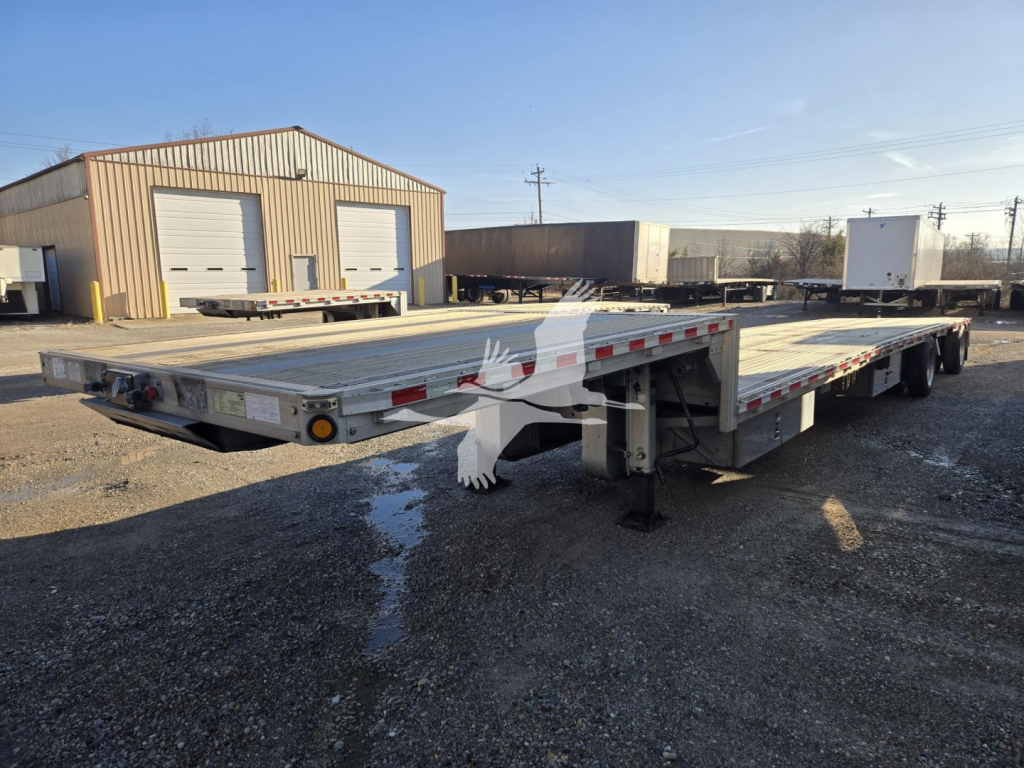
Looking for the easiest place to sell your 2019 drop deck trailer? List it here to reach thousands of buyers.
2019 Drop Deck Trailers in Ohio
On a 2019 model, construction and weight should be high on the checklist. Aluminum drop decks typically save tare weight and help maximize payload for general freight. Steel trailers usually trade extra weight for durability in harder service, especially where concentrated loads, rough loading practices, or frequent forklift traffic are common. Flooring is often aluminum or 1 1/8-inch Apitong, and crossmember spacing can tell you a lot about how the trailer was ordered. Closer centers on the main deck generally support heavier or more frequent point loading. Side rails, pipe spools, winch tracks, sliding winches, chain slots, and coil packages all affect how versatile the trailer will be across different freight types.
Running gear is another major buying decision. Many 2019 drop deck trailers use tandem axles with air ride suspension, though some are equipped with sliding rear axles or tri-axle configurations for heavier applications and bridge compliance. Common suspension brands include Hendrickson and Ridewell, and buyers should pay attention to axle spread, dump valves, tire size, wheel material, brake type, and kingpin setting. A 30-inch kingpin setting, for example, can change tractor and bridge compatibility compared with an 18-inch or 24-inch setup. Landing gear condition, coupler plate wear, rear frame alignment, and suspension bushing condition are all worth checking closely on a used trailer.
Application matters just as much as specification. A straight deck drop deck is suited to general open-deck freight, while a beavertail with ramps is better for self-propelled equipment, compact machines, and occasional hotshot-style machinery moves. Buyers in Ohio often look for a trailer that can handle mixed regional freight, winter road exposure, and frequent securement changes, so corrosion resistance, lighting condition, galvanized components, and deck condition deserve extra attention. The best 2019 drop deck trailer is usually the one whose tare weight, deck length, securement package, and axle layout match your freight profile without forcing compromises on legal loading or everyday durability.
Frequently Asked Questions about 2019 Drop Deck Trailers in Ohio
What is the difference between a drop deck trailer and a flatbed trailer?
A drop deck trailer has two deck levels: a higher upper deck over the tractor frame and a lower main deck behind it. That lower main deck allows taller freight to move while staying within legal height limits that would be difficult or impossible on a standard flatbed. For many loads, a drop deck gives more height clearance without moving up to a specialized lowboy.
What should I inspect first on a used 2019 drop deck trailer?
Start with deck condition, frame straightness, suspension wear, tire condition, brake performance, and coupler area wear. Then inspect crossmembers, side rails, winch track, landing gear, lighting, air system leaks, and any corrosion around the rear frame and suspension hangers. On used step decks, the trailer's structural condition matters more than cosmetic appearance because repairs to the deck, neck, or main frame can be expensive and can affect how the trailer loads and tracks.
Are aluminum or steel 2019 drop deck trailers better?
Neither is universally better because the right material depends on the freight and duty cycle. Aluminum drop decks are attractive when payload matters and the trailer will haul lighter but higher-volume freight. Steel drop decks are often preferred for more abusive service, denser loads, equipment hauling, and operations where deck durability is a priority. Buyers should compare tare weight, beam ratings, floor condition, and repair history rather than choosing by material alone.
What deck length and axle setup are most common on 2019 drop deck trailers?
The most common used configurations are 48-foot and 53-foot tandem axle trailers, usually with air ride suspension. Upper deck length is often around 10 to 11 feet, leaving the balance of the trailer as main deck. Some 2019 models also use sliding rear axles or tri-axle layouts for specialized weight distribution, bridge compliance, or heavier concentrated loads. The best setup depends on the states you run, the tractor wheelbase, and the type of freight you secure most often.
When is a beavertail drop deck worth considering?
A beavertail drop deck is worth considering when you regularly load wheeled or tracked equipment that can be driven or winched onto the trailer. The sloped rear section and ramps simplify loading for compact construction equipment, forklifts, and similar machinery. For general building materials or palletized freight, a straight deck drop deck is usually more flexible because it gives a full usable main deck and fewer limitations at the rear.