
2015 Drop Deck Trailers For Sale in Pennsylvania
Shop 2015 drop deck trailers in Pennsylvania. Compare 48-53 ft step deck specs, axle setups, deck height, materials, and hauling features.
Have 2015 drop deck trailer to sell? List it here to reach thousands of buyers.
2015 Drop Deck Trailers in Pennsylvania
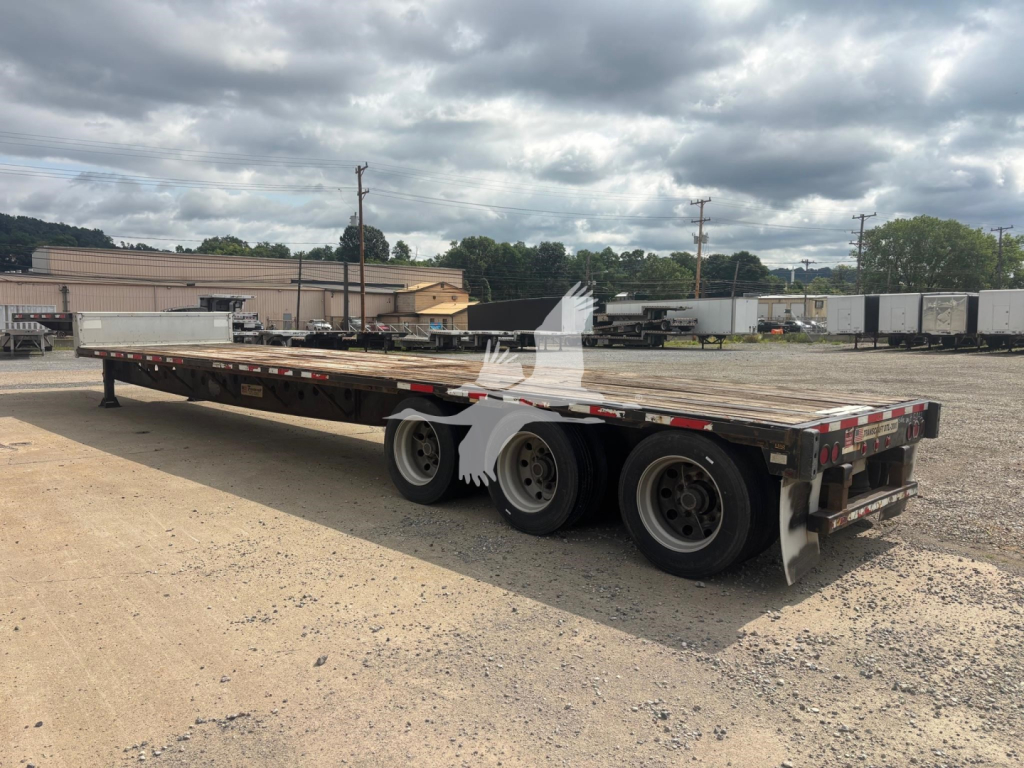
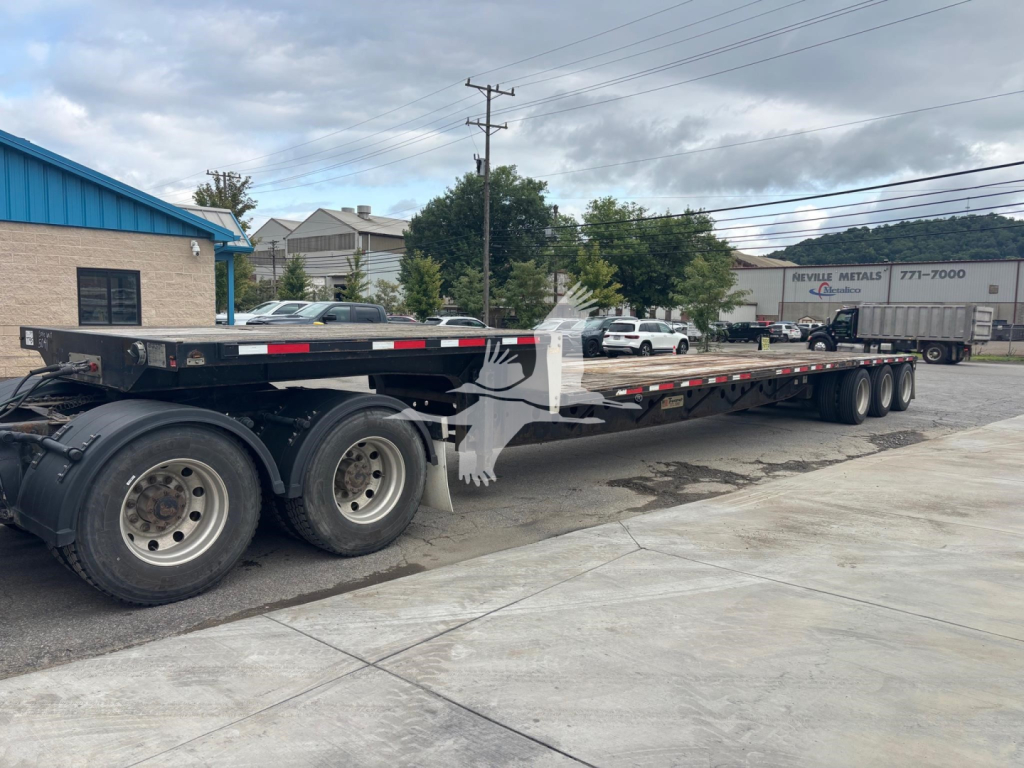
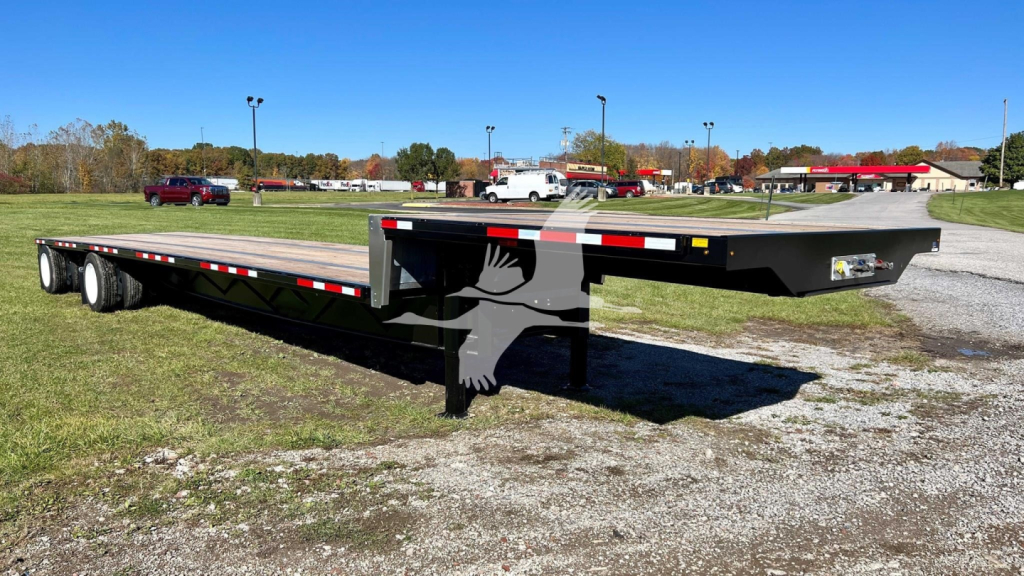
Common 2015 drop deck configurations include 48-foot and 53-foot lengths, 102-inch width, tandem axles, and air ride suspension. Many step decks from this era were spec'd with top decks around 10 feet to 11 feet and lower decks in the upper-30-foot to low-40-foot range. Loaded deck height is one of the biggest buying factors since a low main deck can be the difference between a legal load and a permit load. Buyers should also compare kingpin setting, axle spread or sliding suspension, and crossmember spacing. A tighter crossmember pattern and a coil package can matter if the trailer will routinely handle concentrated steel loads. For Pennsylvania operators dealing with varied freight and seasonal road conditions, air ride suspension and a stable suspension package are often preferred for ride quality and cargo protection.
Material choice is another major decision on a used 2015 trailer. Aluminum or combo construction helps reduce tare weight and increase payload, while all-steel sections can offer durability in high-abuse applications. Apitong flooring, aluminum floors with nail strips, integrated winch tracks, sliding winches, pipe spools, and toolboxes are all practical features that affect daily use. If the freight mix includes equipment, a beavertail and spring-assisted ramps may be more useful than a straight rear deck. Tire inflation systems, disc brakes, dump valves, anti-roll systems, and LED lighting are desirable specs that can lower maintenance downtime and improve safety. Buyers should pay close attention to side rail condition, floor wear, ramp hinges if equipped, landing gear operation, and signs of corrosion around crossmembers, suspension mounts, and light wiring.
For a 2015 model year, condition and prior application matter as much as brand. A well-maintained 2015 drop deck from builders such as Reitnouer, Transcraft, Dorsey, and similar manufacturers can still be a productive trailer if the frame is straight, the deck is sound, and the suspension and brake system have been kept up. Federal inspection history, tire age, brake type, wheel-end condition, and evidence of repeated heavy point loading should all be reviewed before purchase. The right trailer in this class is less about age alone and more about matching deck length, weight, construction, and securement layout to the freight you plan to haul.
Frequently Asked Questions about 2015 Drop Deck Trailers in Pennsylvania
What is the difference between a drop deck trailer and a flatbed trailer?
A drop deck trailer has two deck levels, with an upper deck over the tractor frame and a lower main deck behind it. That lower deck gives additional legal load height compared with a standard flatbed, which is why step decks are commonly used for taller freight such as machinery, equipment, and stacked materials. A flatbed is often simpler for loading from any side, but a drop deck is the better fit when overall cargo height is the limiting factor.
What length and axle setup are common on a 2015 drop deck trailer?
Many 2015 drop deck trailers are found in 48-foot and 53-foot configurations with 102-inch width and tandem axles. Some are built with a fixed tandem, while others use a sliding rear axle or spread arrangement depending on the intended freight and state bridge law needs. In practical terms, length and axle placement affect weight distribution, turning radius, and how easily the trailer can be used across regional and multi-state lanes.
What should I inspect first on a used 2015 drop deck trailer?
Start with the frame, lower deck, suspension mounts, brake system, tires, and landing gear. Then inspect the floor for rot, cracking, gouging, or loose fasteners, especially around high-load areas. Look closely at crossmembers, winch track, side rails, ramp assemblies if equipped, and any corrosion at weld points. On a 2015 trailer, maintenance history and structural condition usually tell you more than model year alone.
Is aluminum or steel better on a step deck trailer?
Aluminum and combo trailers usually offer lower tare weight, which can improve payload capacity and fuel efficiency. Steel components can provide added durability in severe-duty service and in applications where the trailer sees frequent loading damage. The better choice depends on what you haul, how often the trailer is loaded by forklifts or equipment, and whether payload or ruggedness is the higher priority.
Why do buyers look for features like winch tracks, coil packages, and tire inflation systems on drop decks?
These features improve how the trailer performs in real freight service. Winch tracks and sliding winches make cargo securement faster and more flexible. A coil package adds support for concentrated steel loads by reinforcing the main deck area. Tire inflation systems can reduce irregular wear and help limit roadside downtime. On a used drop deck, those practical specs often make a bigger difference in daily productivity than cosmetic appearance.